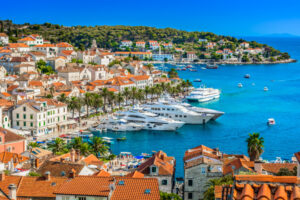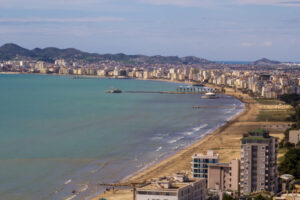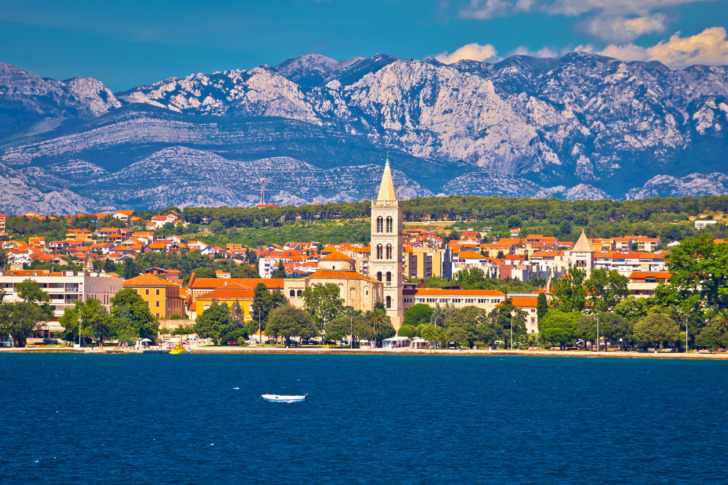
Zadar is one of Croatia’s most interesting coastal cities, sitting on the Dalmatian coast between Split and Rijeka, with the Adriatic Sea on one side and national parks, islands, and mountains within easy reach.
It has Roman ruins, Venetian walls, marble streets, beaches, ferries, seafood restaurants, and two modern icons that make it feel different from other old towns: the Sea Organ and the Sun Salutation.
Zadar is less overwhelming than Dubrovnik and often feels more local than Split, which gives it a relaxed but still lively atmosphere.
From a safety point of view, Zadar is very safe for most travelers.
The main risks are petty theft in crowds, summer heat, slippery stone streets, road safety, swimming conditions, ferry disruption, and occasional nightlife issues.
Warnings & Dangers in Zadar

OVERALL RISK: LOW
Zadar is a low-risk destination for most travelers. Violent crime is rare, the old town is walkable, and Croatia is generally safe for tourists. The biggest concerns are pickpocketing in crowded areas, beach belongings being stolen, summer heat, slippery waterfront stones, and minor nightlife problems.

TRANSPORT & TAXIS RISK: LOW
Transport in Zadar is generally safe. Buses, taxis, ferries, rental cars, and airport transfers are easy to use. The risk rises slightly in summer when traffic increases, parking becomes harder, and drivers rush around beaches, ferry terminals, and old town access points. Confirm taxi prices when needed.

PICKPOCKETS RISK: MEDIUM
Pickpocketing is not a huge problem, but it can happen in busy tourist areas. Be more careful around the old town, Sea Organ, ferry port, bus station, beaches, markets, and crowded summer events. Keep bags zipped, avoid back-pocket wallets, and do not leave phones on cafe tables.

NATURAL DISASTERS RISK: LOW
Natural disaster risk is low, though storms, heatwaves, strong winds, rough seas, wildfires in the wider region, and occasional earthquakes can affect travel. The most realistic concerns for tourists are sun exposure, dehydration, slippery rocks, and ferry or boat-trip disruption due to wind.

MUGGING RISK: LOW
Mugging is rare in Zadar. Most visitors can walk around the old town, waterfront, restaurants, and central areas comfortably, even in the evening. The risk increases slightly late at night in quiet streets, isolated beach areas, or when walking alone after drinking.

TERRORISM RISK: LOW
The terrorism risk in Zadar is low. It is a coastal tourism city rather than a major political or security target. Travelers should still use normal awareness in crowded places, ferry terminals, airports, and events, but terrorism is not a major concern for a normal visit.

SCAMS RISK: LOW
Scams are uncommon in Zadar. Tourists may encounter overpriced taxis, unclear boat-trip pricing, poor-value restaurant menus, or inflated parking fees in busy areas. Confirm prices for taxis, tours, rentals, ferries, and excursions before agreeing. Most issues are mild tourist overcharging rather than serious scams.

WOMEN TRAVELERS RISK: LOW
Zadar is generally safe for women travelers, including solo women. The old town, waterfront, restaurants, hotels, and main beaches feel comfortable. Women should still use normal nighttime caution, avoid isolated beach walks after dark, and be careful with drinks in bars or clubs.

TAP WATER RISK: LOW
Tap water in Zadar is safe to drink. Croatia has good drinking water quality, and travelers can refill bottles at hotels, restaurants, and public fountains where available. Carry water in summer, especially when walking in the old town, visiting beaches, or taking day trips.
Safest Places to Visit in Zadar
Zadar Old Town
Zadar Old Town is the safest and most enjoyable area for most visitors.
It is compact, pedestrian-friendly, and full of Roman ruins, churches, cafes, restaurants, shops, and historic streets.
During the day and evening, there is steady foot traffic and a comfortable atmosphere.
The main safety issues are slippery stone streets, crowds, and petty theft during peak season.
Sea Organ and Sun Salutation
The Sea Organ and Sun Salutation are two of Zadar’s most famous attractions and are generally safe, especially during the day and sunset hours.
The area can become crowded in the evening, so keep belongings close.
Be careful walking near the water, especially after dark, in strong wind, or after drinking.
Roman Forum and Church of St. Donatus
The Roman Forum area is central, open, and very safe for sightseeing.
It is surrounded by historic landmarks and steady tourist activity.
Watch your step around ancient stone surfaces, uneven ground, and crowds taking photos.
It is one of the easiest places to explore slowly and comfortably.
Kolovare Beach
Kolovare Beach is one of the most convenient beaches near the city center.
It is popular, accessible, and generally safe during daylight.
The beach is pebbly and partly rocky, so water shoes may help.
Watch belongings while swimming and follow local advice if the sea is rough.
Borik and Diklo
Borik and Diklo are quieter coastal areas north of the old town, with beaches, hotels, apartments, restaurants, and relaxed seaside paths.
They are safe and popular with families and travelers who want a calmer base.
At night, use normal caution on quieter waterfront stretches.
Places to Avoid in Zadar
Isolated Beaches After Dark
Zadar’s beaches are safe during the day, but empty beach areas after dark are not ideal for solo wandering.
Avoid swimming at night, sleeping on the beach, or carrying valuables to quiet areas.
If you want an evening walk, stick to active, lit waterfront zones.
Ferry Areas in Crowded Boarding Moments
The ferry port and boat departure points are not dangerous, but they can become crowded and chaotic during boarding.
Keep tickets, phones, wallets, passports, and bags organized.
Crowds create opportunities for petty theft and make it easy to misplace things.
Poorly Lit Streets Outside the Center
Zadar is safe, but some streets outside the main old town and tourist zones become quiet at night.
Avoid wandering alone through unfamiliar, poorly lit areas after drinking or while carrying valuables.
Use a taxi or rideshare-style local option if your accommodation is far away.
Rocky Swimming Spots in Rough Sea Conditions
Some swimming areas around Zadar have rocks, ladders, sea urchins, and uneven entries.
Avoid swimming when the sea is rough, the wind is strong, or visibility is poor.
Wear water shoes if needed, and do not jump into unfamiliar water.
Unclear Boat Tours or Private Offers
Boat trips to islands and beaches are a highlight, but avoid operators who are vague about price, route, duration, safety equipment, or weather policy.
Choose reputable providers and ask what is included before paying.
This is especially important for Kornati, Dugi Otok, and island-hopping excursions.
Safety Tips for Traveling to Zadar
- Keep your belongings secure in the old town. Zadar is safe, but the old town gets crowded in summer. Keep your bag zipped, avoid back-pocket wallets, and do not leave your phone on outdoor tables. The main theft risk is not dramatic crime. It is someone taking advantage while you are distracted by ruins, gelato, sunsets, or the Sea Organ.
- Be careful near the waterfront at sunset. The Sea Organ and Sun Salutation area gets busy at sunset, and everyone is trying to take photos, sit by the water, or move through the same space. Watch your step near the edge, especially if stones are wet or the wind is strong. After drinks, keep an extra distance from the water.
- Wear shoes with grip. Zadar’s old town streets are beautiful but polished and sometimes slippery, especially after rain. Beach areas can also be rocky or pebbly. Comfortable shoes with grip make sightseeing easier, and water shoes can help at rocky swimming spots.
- Use official taxis or confirm prices first. Taxis are generally safe, but prices can vary. Before getting in, confirm the fare or make sure the meter is used. This matters most for rides from the airport, bus station, ferry port, beaches, or late-night restaurant areas. A quick price check prevents awkward surprises.
- Plan ferry and boat trips with the weather in mind. Zadar is a gateway to islands, and boat trips can be amazing. But wind and sea conditions matter. Check schedules, ask about cancellation policies, and avoid booking tight same-day connections after boat tours. If the weather is bad, do not pressure operators to go anyway.
- Protect yourself from the summer sun. Zadar can be hot in summer, and the old town has plenty of stone surfaces that reflect heat. Wear sunscreen, sunglasses, and a hat, and carry water. Sightseeing feels much better when you are not slowly moving between churches and cafes.
- Do not leave valuables unattended at the beach. Beach theft is one of the easiest problems to avoid. Bring only what you need, keep bags watched, and avoid leaving phones, passports, wallets, or cameras on towels while everyone swims. If traveling solo, use a waterproof pouch or swim near organized beach areas.
- Drive carefully on day trips. Zadar is a great base for national parks, islands, and nearby towns, but summer roads can be busy. If renting a car, watch for cyclists, scooters, pedestrians, narrow village roads, and impatient drivers. Do not leave luggage visible in the car when stopping at viewpoints or beaches.
- Be smart with nightlife. Zadar has bars and nightlife, especially in summer, but it is not usually dangerous. The main risks are alcohol, lost belongings, and walking back alone through quiet areas. Keep control of your drink, know your route home, and use transport if your accommodation is not central.
- Respect swimming conditions. The Adriatic often looks calm and inviting, but wind, rocks, ladders, sea urchins, and boat traffic can still create problems. Swim in known areas, avoid rough water, and do not jump from rocks or piers unless you are sure it is safe and allowed.
So... How Safe Is Zadar Really?
Zadar is very safe for most travelers.
It has low violent crime, a compact old town, reliable tourist infrastructure, and a relaxed coastal atmosphere.
Families, couples, solo travelers, women travelers, older visitors, and backpackers can all feel comfortable here, especially in the old town, waterfront, beaches, and main hotel areas.
The main risk is petty theft during peak season.
Zadar is not a pickpocket capital, but crowded European tourist zones always attract opportunists.
The most vulnerable moments are sunset crowds, ferry boarding, beach time, outdoor cafes, and busy markets.
Keeping valuables secure solves most of this.
The second safety category is the environment.
Zadar’s beaches are often rocky or pebbly, the waterfront can be slippery, summer sun can be strong, and boat trips depend on sea conditions.
These are easy risks to manage with proper shoes, water, sun protection, and flexible planning.
Overall, Zadar is low risk.
It is one of Croatia’s easier coastal cities: beautiful, historic, safe, and manageable.
The smartest travelers simply stay aware in crowds, respect the sea, and avoid treating beach bags like free public storage.
How Does Zadar Compare?
| City | Safety Index |
|---|---|
 Zadar Zadar |
84 |
| Rijeka |
85 |
| Split |
67 |
| Hvar |
85 |
| Zagreb |
80 |
| Dubrovnik |
90 |
 Medora Medora | 83 |
| Whitefish | 84 |
| Arlington Heights | 88 |
 Saint Petersburg Saint Petersburg | 56 |
| Reading | 58 |
| Middletown | 76 |
Useful Information

Visas
Zadar is in Croatia, which is part of the Schengen Area. Many travelers can visit visa-free for up to 90 days within a 180-day period, depending on nationality. Others need a Schengen visa before arrival. Check passport validity and entry rules before booking.

Currency
Zadar uses the euro. Credit and debit cards are widely accepted in hotels, restaurants, shops, and tour offices. Cash is useful for markets, tips, small cafes, parking, beach services, and some boat trips. Use bank ATMs where possible.

Weather
Zadar has hot, sunny summers and mild winters. Spring and autumn are excellent for sightseeing with fewer crowds. Summer visitors should pack light clothing, sunscreen, sunglasses, swimwear, a hat, water shoes, and comfortable walking shoes. Bring a light layer for breezy evenings.

Airports
Zadar Airport is the main airport serving the city and is located a short drive from the center. Travelers can reach the town by airport bus, taxi, rental car, or private transfer. Zadar is also connected by buses, ferries, and roads to other Croatian coastal destinations.

Travel Insurance
Travel insurance is recommended for Zadar, especially if your trip includes ferries, boat tours, swimming, rental cars, island day trips, or multiple stops in Croatia. Choose coverage for medical care, cancellations, delays, lost luggage, theft, emergency transport, and water activities.
Zadar Weather Averages (Temperatures)
Average High/Low Temperature
| Temperature / Month | Jan | Feb | Mar | Apr | May | Jun | Jul | Aug | Sep | Oct | Nov | Dec |
|---|---|---|---|---|---|---|---|---|---|---|---|---|
| High °C |
11 | 11 | 14 | 17 | 22 | 26 | 29 | 29 | 25 | 20 | 15 | 12 |
| Low °C |
4 | 4 | 7 | 9 | 13 | 17 | 20 | 20 | 16 | 12 | 9 | 6 |
| High °F |
52 | 52 | 57 | 63 | 72 | 79 | 84 | 84 | 77 | 68 | 59 | 54 |
| Low °F |
39 | 39 | 45 | 48 | 55 | 63 | 68 | 68 | 61 | 54 | 48 | 43 |
Croatia - Safety by City
| City | Safety Index |
|---|---|
| Dubrovnik | 90 |
| Hvar | 85 |
| Rijeka | 85 |
| Split | 67 |
| Zadar | 84 |
| Zagreb | 80 |