 Chile : Safety by City
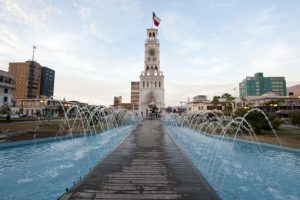
- Iquique
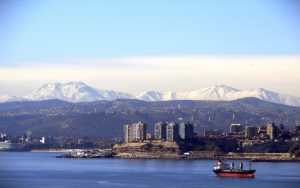
- La Serena
- Pucon
- Puerto Natales
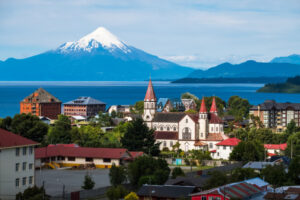
- Puerto Varas
- Punta Arenas
- San Pedro de Atacama
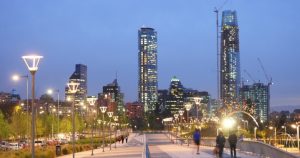
- Santiago de Chile
- Temuco
- Valdivia
- Viña del Mar
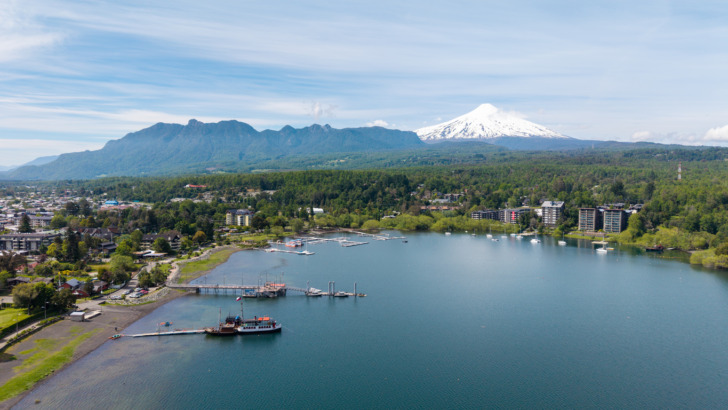
Pucón is one of southern Chile’s best-known adventure destinations, sitting beside Lake Villarrica beneath the snow-covered Villarrica Volcano.
Travelers come for hiking, skiing, rafting, hot springs, waterfalls, national parks, horseback riding, and some of the most dramatic scenery in Chile’s Lake District.
For most visitors, Pucón is relatively safe.
Serious crime involving tourists is uncommon, the central area is easy to explore, and the city has a well-developed tourism industry with hotels, restaurants, tour operators, and outdoor activity providers.
The biggest risks are actually connected with nature and adventure travel.
Villarrica is one of Chile’s most active volcanoes; mountain weather can change quickly, rafting and hiking carry genuine accident risks, and wildfires can affect the surrounding region during hot, dry summers.
Petty theft and vehicle break-ins also occur, particularly during the busy summer season.
Warnings & Dangers in Pucon

OVERALL RISK: LOW
Pucón is generally a safe destination for tourists. Most visitors experience no serious security problems, and violent crime involving travelers is uncommon. Chile as a whole requires increased caution because of crime and occasional unrest, but Pucón generally presents fewer urban crime problems than Santiago and other major cities. Visitors should pay more attention to outdoor safety, changing weather, volcanic activity, and protecting belongings around busy tourist areas.

TRANSPORT & TAXIS RISK: LOW
Taxis, transfers, buses, and organized tourist transportation are generally safe. Driving around Pucón is relatively straightforward, although traffic becomes heavy during January and February when Chileans arrive for summer vacations. Mountain roads require additional caution. Snow, ice, rain, gravel surfaces, sharp curves, and limited visibility can make routes around Villarrica National Park considerably more difficult than urban roads. Winter visitors may need snow chains on certain mountain routes.

PICKPOCKETS RISK: LOW
Pickpocketing is possible but is not normally a major problem in Pucón. The greatest risk occurs around crowded streets, beaches, bus terminals, festivals, restaurants, and nightlife areas during the busy summer season. Do not leave phones, wallets, cameras, or backpacks unattended at beaches, restaurants, hot springs, or outdoor attractions. Vehicle break-ins are another concern, so avoid leaving luggage visible inside parked cars.

NATURAL DISASTERS RISK: HIGH
Natural hazards are Pucón’s most important safety concern. Villarrica is one of the most active volcanoes in South America and sits only about 20 kilometers from central Pucón. Its volcanic alert level can change as activity increases or decreases. As of October 2026, Villarrica is under a Yellow technical volcanic alert, indicating activity above its normal baseline and increased monitoring. Earthquakes are also possible throughout Chile. Wildfires can develop during hot and dry summer periods, while heavy rain, landslides, snow, and severe mountain weather can affect outdoor activities during other seasons.

MUGGING RISK: LOW
Muggings and violent robberies involving tourists are relatively uncommon in Pucón. The city center remains active into the evening, particularly during the summer tourism season. Normal precautions still apply. Avoid deserted areas late at night, do not display large amounts of cash, and use a taxi if returning to accommodation far outside the center.

TERRORISM RISK: LOW
The terrorism risk for ordinary visitors in central Pucón is low. Parts of Chile’s Araucanía Region have experienced politically motivated violence and attacks connected with long-running land disputes, particularly in rural areas away from Pucón’s main tourism zones. Travelers should avoid demonstrations, roadblocks, political confrontations, and areas where police or security operations are underway.

SCAMS RISK: LOW
Tourist scams are not a major problem in Pucón. The more realistic concern is booking outdoor activities with inexperienced or poorly equipped operators. Adventure sports such as rafting, canyoning, climbing, skiing, and volcano ascents should be booked through established companies using qualified guides and appropriate safety equipment. Confirm exactly what is included before paying for tours.

WOMEN TRAVELERS RISK: LOW
Pucón is generally comfortable for women traveling alone. Solo female travelers frequently stay in hostels, join organized tours, hike popular routes, and explore the city independently. Normal precautions are appropriate around nightlife areas. Keep control of drinks, avoid walking alone through isolated areas very late at night, and arrange transportation when accommodation is located outside the central area.

TAP WATER RISK: LOW
Tap water in Pucón is generally safe to drink. Visitors who are sensitive to changes in water mineral content may prefer bottled water during the first few days, but contamination is not normally a major concern. When hiking or camping, never assume that untreated water from streams or lakes is safe. Filter or disinfect natural water before drinking it.
Safest Places to Visit in Pucon
Downtown Pucón
Central Pucón is compact, lively, and easy to explore on foot.
Restaurants, cafés, hotels, tour companies, supermarkets, shops, and transportation services are concentrated within a relatively small area.
The center remains active into the evening during the tourism season and is generally comfortable for visitors.
Playa Grande
Playa Grande sits along Lake Villarrica immediately beside downtown Pucón.
It is one of the city’s most popular gathering places during summer and attracts families, swimmers, kayakers, and other visitors.
Keep an eye on belongings when swimming and follow local warnings regarding water conditions.
Villarrica National Park
Villarrica National Park contains forests, volcanic landscapes, hiking routes, ski areas, and access toward Villarrica Volcano.
It is one of the region’s most spectacular outdoor attractions.
Safety conditions can change rapidly because of volcanic activity, snow, weather, and trail conditions.
Always follow closures and instructions from park authorities.
Ojos del Caburgua
Ojos del Caburgua is a popular collection of waterfalls and turquoise pools northeast of Pucón.
The developed viewing areas are generally safe when visitors stay behind barriers and remain on designated paths.
Wet rocks can be extremely slippery, so appropriate footwear is useful.
Lake Caburgua
Lake Caburgua is another popular destination for swimming, beaches, and summer recreation.
The main developed areas are generally safe, especially during daylight.
Drivers should be cautious because roads become busy during peak summer weekends.
Places to Avoid in Pucon
Restricted Areas Around Villarrica Volcano
Never enter sections of Villarrica National Park or the volcano that authorities have closed.
Restrictions may be introduced because of volcanic activity, weather, snow conditions, or other hazards.
The fact that other people appear to be ignoring a closure does not make the area safe.
Volcano Summit Without a Qualified Guide
Climbing Villarrica is a serious high-mountain activity rather than an ordinary hike.
The summit reaches approximately 2,847 meters, and climbers may encounter snow, ice, strong winds, rapidly changing weather, volcanic gases, and steep terrain.
Use an authorized guide and proper technical equipment.
Remote Trails During Bad Weather
Conditions around the Andes can change rapidly.
Avoid beginning long hikes when thunderstorms, heavy rain, strong winds, snow, or poor visibility are forecast.
Remote trails can become significantly more dangerous once conditions deteriorate.
Wildfire Areas
During hot and dry periods, wildfires can develop quickly in forests and rural areas surrounding Pucón.
Never enter areas affected by evacuation notices, road closures, smoke, or active firefighting operations.
Avoid lighting fires outside designated areas.
Lake and River Areas During Severe Weather
Do not kayak, swim, raft, or paddleboard during thunderstorms, strong winds, or unusually rough conditions.
Mountain weather can change quickly enough to make returning to shore difficult.
Safety Tips for Traveling to Pucon
- Check Villarrica’s volcanic alert before visiting. Volcanic activity is continuously monitored. Conditions can change, and access restrictions may be introduced quickly when activity increases.
- Use certified guides for volcano climbs. Villarrica is an active volcano and climbing it involves genuine mountain hazards. Proper guides, helmets, crampons, ice axes, and other equipment may be required depending on conditions.
- Choose reputable adventure operators. Rafting, canyoning, skiing, climbing, and horseback riding all carry some risk. Select established operators with appropriate safety equipment and experienced guides.
- Do not leave valuables in your car. Vehicle break-ins are possible around tourist attractions and trailheads. Remove luggage, electronics, passports, and cameras instead of leaving them visible.
- Prepare for rapidly changing weather. A warm morning in town does not guarantee pleasant conditions higher in the mountains. Carry layers, rain protection, water, and appropriate footwear.
- Take wildfire warnings seriously. Summer conditions can become extremely dry. Follow evacuation orders and park closures immediately, and never enter smoke-filled forest areas to sightsee.
- Respect rivers and lakes. Pucón’s water activities are a major attraction, but cold water, currents, changing winds, and rapids can create serious hazards. Use life jackets when appropriate.
- Wear proper hiking footwear. Trails around waterfalls, forests, and volcanic terrain can become muddy or slippery. Ordinary city shoes are often inadequate.
- Protect yourself from strong sun exposure. UV exposure can be intense, particularly at higher elevations. Use sunscreen, sunglasses, protective clothing, and plenty of drinking water.
- Tell someone before longer hikes. When heading into remote areas, make sure someone knows your route and expected return time. Carry a charged phone and do not rely entirely on having cellular coverage in mountain areas.
So... How Safe Is Pucon Really?
Pucón is one of Chile’s safer and more accessible adventure destinations.
For most travelers, conventional crime is unlikely to cause major problems.
Walking around the central area, eating at restaurants, visiting the lake, staying in local hotels, and joining organized tours can generally be done with normal precautions.
Petty theft remains possible, particularly during the busy summer season when the city receives large numbers of domestic and international visitors.
Phones, backpacks, cameras, and belongings left inside vehicles are the most realistic targets.
Nature presents the more unusual risk.
Pucón sits directly beneath one of South America’s most active volcanoes.
Villarrica is closely monitored, and authorities can restrict access when volcanic activity increases.
As of October 2026, its technical alert level is Yellow, meaning volcanic activity is above normal baseline conditions, and monitoring has been increased.
That does not mean travelers need to avoid Pucón altogether.
The city continues functioning normally during many periods of elevated monitoring.
It does mean visitors should take park closures, evacuation zones, and official instructions seriously.
Adventure activities create another layer of risk.
Rafting the Trancura River, climbing Villarrica, skiing, hiking, canyoning, mountain biking, and horseback riding are among the reasons people visit, but accidents happen when travelers overestimate their abilities or use inexperienced operators.
Seasonal hazards also change throughout the year.
Winter brings snow, ice, and mountain-driving concerns, while summer brings stronger sun, busier roads, and higher wildfire risk.
Use reputable operators, follow volcanic warnings, protect valuables, monitor weather conditions, and respect the mountains and rivers.
With those precautions, Pucón is a relatively safe destination and one of Chile’s best places for travelers who enjoy outdoor adventure.
How Does Pucon Compare?
| City | Safety Index |
|---|---|
| Pucon |
80 |
| Iquique |
42 |
| Valdivia |
79 |
| Punta Arenas |
77 |
| La Serena |
76 |
| Temuco |
31 |
| Viña del Mar |
72 |
 Ho Chi Minh City Ho Chi Minh City | 70 |
 Blue Springs Blue Springs | 82 |
 Vatican City Vatican City | 72 |
| Gilbert | 76 |
| Omaha | 62 |
| Grand Marais | 80 |
Useful Information

Visas
Chile’s entry requirements depend on nationality. Citizens of many countries can visit for short tourism stays without obtaining a traditional visa in advance, while others require prior authorization. Visitors should carry a valid passport and confirm the latest entry requirements before traveling.

Currency
Chile uses the Chilean peso, abbreviated CLP. Credit and debit cards are widely accepted in Pucón’s hotels, restaurants, supermarkets, tour companies, and larger businesses. ATMs are available throughout central Pucón, although carrying some cash is useful for small businesses, markets, rural attractions, and transportation.

Weather
Pucón has four distinct seasons. Summer from December through February brings warm days, large numbers of visitors, and the best conditions for many lake and hiking activities. Autumn becomes cooler and wetter, while winter from June through August brings rain in town and significant snowfall at higher elevations. Spring can be unpredictable, with rapidly changing temperatures, rain, snow in the mountains, and increasingly pleasant conditions toward November.

Airports
The main year-round airport serving Pucón is La Araucanía International Airport near Temuco. It is approximately 85 kilometers from Pucón, and the drive generally takes around 1.5 to 2 hours depending on traffic and conditions. Pucón also has a smaller local airport that may handle seasonal or limited services, but most international visitors arrive through Temuco.

Travel Insurance
Travel insurance is strongly recommended, particularly for visitors planning adventure activities. Check that your policy covers hiking, rafting, skiing, snowboarding, volcano climbing, mountain biking, or any other activities you plan to undertake. Emergency medical care, evacuation, trip cancellation, wildfire disruption, weather delays, and lost or stolen belongings are also useful forms of coverage.
Pucon Weather Averages (Temperatures)
Average High/Low Temperature
| Temperature / Month | Jan | Feb | Mar | Apr | May | Jun | Jul | Aug | Sep | Oct | Nov | Dec |
|---|---|---|---|---|---|---|---|---|---|---|---|---|
| High °C |
23 | 23 | 21 | 17 | 13 | 11 | 11 | 12 | 14 | 17 | 19 | 22 |
| Low °C |
11 | 11 | 9 | 7 | 6 | 4 | 4 | 4 | 5 | 7 | 8 | 10 |
| High °F |
73 | 73 | 70 | 63 | 55 | 52 | 52 | 54 | 57 | 63 | 66 | 72 |
| Low °F |
52 | 52 | 48 | 45 | 43 | 39 | 39 | 39 | 41 | 45 | 46 | 50 |
Chile - Safety by City
| City | Safety Index |
|---|---|
| Iquique | 42 |
| La Serena | 76 |
| Pucon | 80 |
| Puerto Natales | 83 |
| Puerto Varas | 82 |
| Punta Arenas | 77 |
| San Pedro de Atacama | 76 |
| Santiago de Chile | 71 |
| Temuco | 31 |
| Valdivia | 79 |
| Viña del Mar | 72 |