 Chile : Safety by City
- Iquique
- La Serena
- Pucon
- Puerto Natales
- Puerto Varas
- Punta Arenas
- San Pedro de Atacama
- Santiago de Chile
- Temuco
- Valdivia
- Viña del Mar
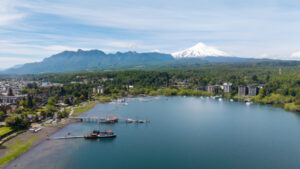
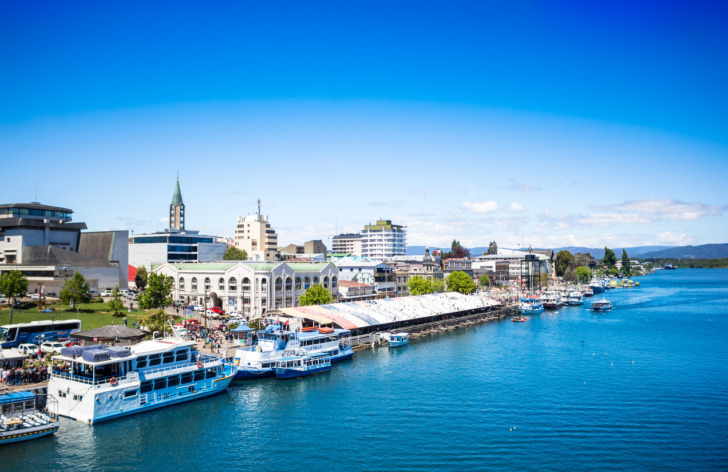
Valdivia is a scenic river city in southern Chile and the capital of the Los Ríos Region.
Surrounded by waterways, wetlands, forests, and green countryside, it is known for its riverside setting, German-influenced architecture, seafood, craft beer, university atmosphere, and easy access to the Pacific coast.
For travelers, Valdivia offers a much quieter experience than Santiago and many of Chile’s larger cities.
Popular attractions include the waterfront, Mercado Fluvial, Isla Teja, botanical gardens, historic forts, river cruises, and nearby coastal communities.
Valdivia is generally a safe destination, and serious crime involving visitors is uncommon.
Most travelers can explore the central areas comfortably during the day without taking extraordinary precautions.
The more distinctive risks here come from nature.
Valdivia lies in one of the world’s most seismically active regions and was at the center of the enormous 1960 Valdivia earthquake.
Earthquakes, tsunami evacuation procedures, heavy rainfall, flooding, slippery surfaces, and cold river or ocean water deserve at least as much attention as crime.
Warnings & Dangers in Valdivia

OVERALL RISK: LOW
Valdivia is generally a safe city for visitors. Violent crime involving tourists is relatively uncommon, particularly in the main central, university, and waterfront areas. Petty theft can happen, so visitors should still protect phones, wallets, cameras, and bags in crowded places. The city generally feels relaxed, particularly during daylight and early evening. Basic precautions such as avoiding isolated areas late at night and using reliable transportation after drinking are usually sufficient.

TRANSPORT & TAXIS RISK: LOW
Transportation in Valdivia is generally safe. Visitors can use buses, taxis, rideshare services, rental cars, bicycles, and boats to move around the city and surrounding region. Traffic can become congested around bridges and central streets, particularly during rush hour. Drivers should be especially cautious during heavy rain because wet roads, reduced visibility, and standing water can make conditions more difficult. Use established taxis or recognized rideshare services rather than entering an unidentified vehicle.

PICKPOCKETS RISK: LOW
Pickpocketing is possible but is not usually a major concern in Valdivia. The greatest opportunities occur around markets, busy transportation points, festivals, nightlife areas, and crowded waterfront attractions. Mercado Fluvial can become busy, particularly during weekends and holidays. Keep wallets out of back pockets, close handbags and backpacks properly, and avoid leaving phones sitting unattended on café tables.

NATURAL DISASTERS RISK: HIGH
Natural hazards deserve serious attention in Valdivia. Southern Chile is extremely seismically active, and Valdivia has a particularly significant earthquake history. The 1960 Valdivia earthquake was the strongest ever instrumentally recorded and generated a destructive tsunami. A major earthquake does not happen every day, but visitors should understand basic earthquake and tsunami procedures. If you experience very strong or prolonged shaking near the coast, move toward higher ground without waiting for someone to personally tell you to evacuate. Heavy rainfall and localized flooding are more frequent concerns. Valdivia receives substantial precipitation throughout the year, particularly during the cooler months.

MUGGING RISK: LOW
Muggings and violent street robberies involving tourists are relatively uncommon. Most visitors can walk around central Valdivia comfortably during the day and early evening. The risk increases somewhat late at night when streets become quieter, especially around isolated parks, poorly lit riverfront sections, and entertainment areas after bars close. Avoid displaying expensive jewelry and take a taxi or rideshare service if you are returning to accommodation very late.

TERRORISM RISK: LOW
The terrorism risk for ordinary tourists in Valdivia is low. Visitors generally do not need to take special precautions beyond normal awareness around demonstrations, major public events, government facilities, and transportation infrastructure. If a protest or political gathering begins nearby, give it space and use another route.

SCAMS RISK: LOW
Tourist scams are not a major problem in Valdivia. Visitors may occasionally encounter ordinary issues such as inflated prices, questionable tour offers, or confusion about transportation charges. Confirm prices before agreeing to tours or long taxi journeys. Use established businesses for river excursions, car rentals, accommodation, and organized trips outside the city.

WOMEN TRAVELERS RISK: LOW
Valdivia is generally comfortable for women traveling alone. The central city, waterfront, university areas, restaurants, and main attractions attract plenty of pedestrians during normal hours. Standard solo-travel precautions still apply. Avoid isolated parks and river paths late at night, keep control of drinks in nightlife venues, and use reliable transportation when returning to accommodation after drinking.

TAP WATER RISK: LOW
Tap water in Valdivia is generally safe to drink. Chile has comparatively strong drinking water infrastructure, and most travelers staying in regular hotels, apartments, and homes can drink municipal water without difficulty. Some visitors may notice differences in taste or mineral content compared with water at home. Bottled water is widely available for anyone who prefers it.
Safest Places to Visit in Valdivia
Valdivia Waterfront
The waterfront is one of the city’s most enjoyable areas and a natural starting point for visitors.
Pedestrian paths follow the river, and restaurants, cafés, boat operators, markets, and other attractions keep the area active throughout the day.
The waterfront is generally comfortable for walking.
Keep personal belongings secure in crowded areas and be careful near wet steps and river edges during rainy weather.
Mercado Fluvial
Mercado Fluvial is one of Valdivia’s best-known attractions.
Vendors sell fish, seafood, vegetables, cheese, and other regional products along the riverfront.
The market is generally safe, although crowds can create opportunities for minor theft.
Watch bags and phones while taking photographs or examining stalls.
The sea lions frequently seen around the market are entertaining to watch, but visitors should keep their distance rather than attempting to approach or feed them.
Isla Teja
Isla Teja sits across the river from central Valdivia and contains residential neighborhoods, university facilities, green spaces, museums, restaurants, and cultural attractions.
It is one of the city’s most pleasant areas for walking during daylight.
The Universidad Austral de Chile campus and surrounding gardens contribute to the area’s relaxed atmosphere.
As elsewhere, quieter paths are better explored before dark.
Parque Saval
Parque Saval is a large recreational area on Isla Teja with forests, walking areas, lagoons, event spaces, and open lawns.
It is popular with families and residents, particularly during daylight and on weekends.
Wear suitable footwear during wet weather because trails and grassy areas can become muddy or slippery.
Places to Avoid in Valdivia
Valdivia does not have major tourist districts that visitors are routinely advised to avoid completely.
Most safety concerns depend on time of day, weather, and circumstances rather than a specific neighborhood.
Isolated River Paths Late at Night
Valdivia has attractive paths along rivers and wetlands, but some become extremely quiet after dark.
There is little reason for visitors to walk alone through poorly lit sections late at night.
Stay on active streets or use a taxi or rideshare service.
Riverbanks During Flooding
Heavy rainfall can raise water levels and create flooding around low-lying areas.
Do not walk through flooded streets or along unstable riverbanks simply to take photographs.
Water depth and current strength can be difficult to judge.
Coastal Areas During Tsunami Warnings
If authorities issue a tsunami warning, leave beaches, harbors, river mouths, and other low-lying coastal areas immediately.
Follow evacuation signs toward higher ground.
Do not go toward the shoreline to watch waves or take photographs.
Roads During Severe Rain
Heavy rain can reduce visibility significantly.
Standing water, slippery surfaces, and occasional flooding can make driving more difficult than usual.
Slow down, increase following distance, and avoid attempting to cross water when you cannot determine its depth.
Safety Tips for Traveling to Valdivia
- Know what to do during an earthquake. If shaking begins, protect yourself from falling objects and glass. Once the shaking stops, check your surroundings and follow local emergency instructions.
- Understand tsunami evacuation signs. Valdivia and nearby coastal communities have clearly marked evacuation routes in areas exposed to tsunami risk. Take a moment to identify higher ground when visiting the coast.
- Carry rain protection. Rain is a normal part of life in Valdivia. A waterproof jacket, suitable footwear, and a compact umbrella can make exploring much more comfortable.
- Watch your belongings at Mercado Fluvial. The market is generally safe, but crowded areas create opportunities for minor theft. Keep bags closed and phones secure.
- Be careful around rivers and docks. Valdivia’s waterways are central to the city’s appeal, but wet surfaces can become slippery. Avoid climbing onto unstable river edges or docks.
- Use reliable transportation late at night. The city is generally safe, but there is little advantage to walking through empty streets or parks very late. A taxi or rideshare service is the easier option.
- Do not approach sea lions. Sea lions around the riverfront can look relaxed, but they are large wild animals. Keep your distance and never try to touch or feed them.
- Prepare for rapidly changing weather. A sunny morning can turn into a wet afternoon. Carry an extra layer and rain protection when spending the day outside.
- Take extra care when driving in heavy rain. Reduce speed and leave more space between vehicles. Roads can become slippery and visibility can deteriorate quickly.
- Follow emergency instructions immediately. Chile takes earthquake and tsunami preparedness seriously. If alarms sound or authorities tell you to evacuate, follow the instructions rather than waiting to see whether conditions become visibly dangerous.
So... How Safe Is Valdivia Really?
Valdivia is one of the easier Chilean cities for travelers from a personal security standpoint.
The city has a relaxed atmosphere, a large university population, attractive public spaces, and relatively little of the intensity associated with major metropolitan areas.
Most travelers should feel comfortable walking around the waterfront, Mercado Fluvial, Isla Teja, central commercial streets, restaurants, museums, and parks during normal hours.
Crime should not dominate your trip planning.
Petty theft is possible, particularly in crowded areas, and visitors should use the same precautions they would in other Chilean cities.
Keep phones secure, avoid leaving belongings unattended, and use reliable transportation late at night.
The more unusual safety consideration is Valdivia’s geography.
The city sits in a region shaped by earthquakes, rivers, wetlands, heavy rainfall, and the nearby Pacific coast.
Valdivia’s connection with earthquakes is particularly significant.
On May 22, 1960, southern Chile experienced the Great Chilean Earthquake, centered near Valdivia.
With an estimated magnitude of 9.5, it remains the strongest earthquake ever instrumentally recorded.
The earthquake caused severe destruction and generated a tsunami that crossed the Pacific Ocean.
Modern building standards, monitoring, evacuation planning, and emergency systems make today’s situation very different, but the underlying geological risk remains.
Visitors do not need to spend their vacation worrying constantly about earthquakes.
They should simply know the basic response procedures.
Rain is much more likely to affect an ordinary trip.
Valdivia is one of Chile’s wetter major cities, receiving roughly 1,600 to 1,700 millimeters of precipitation in a typical year.
Winter is particularly wet.
The rain contributes to Valdivia’s beautiful forests, rivers, wetlands, and greenery, but waterproof clothing is close to essential outside the summer months.
Overall, Valdivia is an excellent destination for families, couples, solo travelers, and women traveling independently.
Use normal precautions against theft, take weather seriously, understand earthquake and tsunami procedures, and enjoy one of southern Chile’s most distinctive cities.
How Does Valdivia Compare?
| City | Safety Index |
|---|---|
| Valdivia |
79 |
| La Serena |
76 |
| Puerto Natales |
83 |
| Temuco |
31 |
| Puerto Varas |
82 |
| San Pedro de Atacama |
76 |
| Viña del Mar |
72 |
 Warsaw Warsaw | 83 |
 Salamanca Salamanca | 59 |
 Portsmouth Portsmouth | 51 |
| Pittsburgh | 63 |
| Fort Mill | 78 |
 Hangzhou Hangzhou | 78 |
Useful Information

Visas
Chile's entry requirements depend on nationality. Citizens of many countries can enter for short tourism visits without obtaining a traditional visa in advance, while other nationalities require authorization. Travelers should confirm the requirements applying to their passport before departure. Immigration officials may also require proof of onward travel, accommodation information, or sufficient funds depending on the circumstances.

Currency
Chile uses the Chilean peso. Credit and debit cards are widely accepted in Valdivia at hotels, restaurants, supermarkets, shops, and established tourism businesses. Cash is still useful for markets, small purchases, transportation, and businesses outside the city. ATMs are readily available in central areas. When using an ATM, choose a machine inside a bank, shopping center, or other well-trafficked location.

Weather
Valdivia has a cool, rainy oceanic climate. Summers are generally mild and provide the driest conditions of the year, making December through February popular for outdoor activities. Winters are cool and very wet. Annual precipitation around the Valdivia area averages roughly 1,600 to 1,700 millimeters, with rainfall increasing sharply from autumn through winter. Temperatures rarely reach the extremes experienced in continental climates, although winter mornings can become cold and occasional freezing temperatures are possible. Bring layers and waterproof clothing regardless of season.

Airports
Pichoy Airport is the main airport serving Valdivia. It is located approximately 32 kilometers northeast of the city. Domestic flights connect Valdivia with Santiago, making air travel one of the easiest ways for international visitors to reach the region after arriving in Chile. Taxis, transfers, rental cars, and other ground transportation are available for the journey between the airport and the city. Allow additional travel time during heavy rain or poor weather.

Travel Insurance
Travel insurance is recommended for international visitors. A useful policy should cover emergency medical treatment, hospitalization, trip interruption, flight problems, baggage loss, and other unexpected expenses. Travelers planning kayaking, rafting, hiking, boating, or other outdoor activities should confirm those activities are included. Because earthquakes and severe weather can disrupt transportation with little warning, trip interruption and accommodation coverage can also be valuable.
Valdivia Weather Averages (Temperatures)
Average High/Low Temperature
| Temperature / Month | Jan | Feb | Mar | Apr | May | Jun | Jul | Aug | Sep | Oct | Nov | Dec |
|---|---|---|---|---|---|---|---|---|---|---|---|---|
| High °C |
22 | 22 | 20 | 16 | 13 | 12 | 11 | 12 | 14 | 15 | 17 | 19 |
| Low °C |
10 | 10 | 9 | 7 | 7 | 6 | 5 | 5 | 6 | 7 | 8 | 9 |
| High °F |
72 | 72 | 68 | 61 | 55 | 54 | 52 | 54 | 57 | 59 | 63 | 66 |
| Low °F |
50 | 50 | 48 | 45 | 45 | 43 | 41 | 41 | 43 | 45 | 46 | 48 |
Chile - Safety by City
| City | Safety Index |
|---|---|
| Iquique | 42 |
| La Serena | 76 |
| Pucon | 80 |
| Puerto Natales | 83 |
| Puerto Varas | 82 |
| Punta Arenas | 77 |
| San Pedro de Atacama | 76 |
| Santiago de Chile | 71 |
| Temuco | 31 |
| Valdivia | 79 |
| Viña del Mar | 72 |