 Canada : Safety by City
- Abbotsford
- Banff
- Brampton
- Burnaby
- Calgary
- Charlottetown
- Coquitlam
- Edmonton
- Fredericton
- Guelph
- Halifax
- Hamilton
- Jasper
- Kelowna
- Kitchener
- Mississauga
- Montreal
- Nanaimo
- Niagara Falls
- Oakville
- Oshawa
- Ottawa
- Quebec City
- Red Deer
- Regina
- Saskatoon
- Sherbrooke
- Thunder Bay
- Tofino
- Toronto
- Vancouver
- Victoria
- Whistler
- Windsor
- Winnipeg
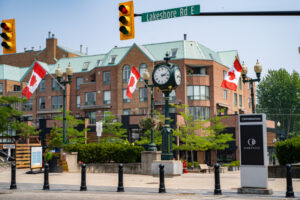
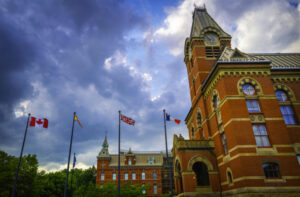
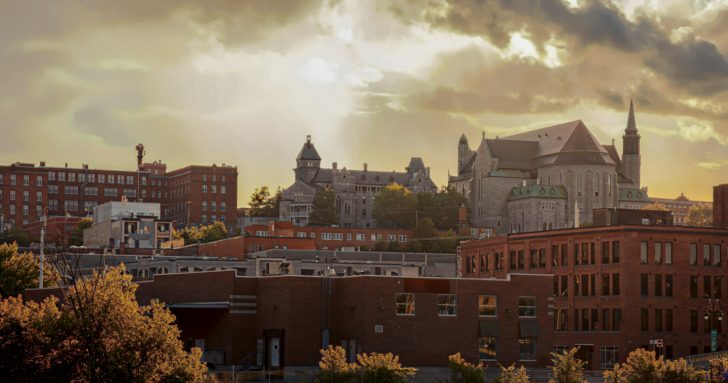
Sherbrooke is a midsize city in southern Quebec, surrounded by hills, forests, rivers, and lakes in the Eastern Townships.
Home to several universities and colleges, it combines a youthful atmosphere with historic neighborhoods, outdoor recreation, museums, restaurants, and easy access to some of Quebec’s most attractive countryside.
For travelers, Sherbrooke is generally a very safe destination.
Violent crime involving tourists is uncommon, most central neighborhoods are comfortable to explore during the day, and visitors are unlikely to encounter the aggressive scams or persistent street crime found in many larger international destinations.
The most realistic safety concerns are ordinary ones: vehicle break-ins, occasional theft, winter driving, icy sidewalks, severe cold, and outdoor hazards when hiking or cycling.
Travelers who use normal precautions should have few problems exploring the city.
Warnings & Dangers in Sherbrooke

OVERALL RISK: LOW
Sherbrooke is generally a safe city for visitors. Serious crimes against tourists are uncommon, and most neighborhoods can be explored without unusual precautions. Theft and property crime can occur, particularly when valuables are left inside vehicles. During winter, snowstorms, icy roads, and extreme cold may present a greater practical risk than crime.

TRANSPORT & TAXIS RISK: LOW
Public transportation and taxis are generally safe. Sherbrooke’s bus system connects the city center with residential neighborhoods, universities, shopping areas, and other popular destinations. Driving is usually straightforward, although winter conditions can be challenging. Snow, freezing rain, black ice, and reduced visibility may make roads dangerous from late fall through early spring. Travelers unfamiliar with winter driving should slow down considerably and allow additional stopping distance.

PICKPOCKETS RISK: LOW
Pickpocketing is uncommon compared with major tourist cities. Visitors should still watch their belongings in crowded bars, festivals, buses, shopping centers, and public events. Leaving a phone or wallet unattended in a restaurant or café is unnecessary risk. Theft from parked vehicles is generally a more realistic concern than traditional pickpocketing.

NATURAL DISASTERS RISK: MEDIUM
Sherbrooke does not face frequent major natural disasters, but weather conditions can occasionally become severe. Winter storms can produce heavy snow, freezing rain, dangerous roads, power outages, and extremely low temperatures. Spring snowmelt and heavy rain may also cause localized flooding around rivers and low-lying areas. Summer thunderstorms can occasionally bring strong winds, hail, and localized flooding.

MUGGING RISK: LOW
Muggings and violent street robberies are uncommon for tourists. As in any city, the risk increases when walking alone late at night through deserted streets or while heavily intoxicated. Stick to illuminated streets when returning from restaurants, bars, or events late at night, particularly if you are unfamiliar with the area.

TERRORISM RISK: LOW
The risk of a terrorist incident specifically affecting Sherbrooke is low. There are no special precautions most visitors need to take beyond the general awareness appropriate in public places, transportation hubs, festivals, and large events. Follow instructions from local authorities in the unlikely event of a serious emergency.

SCAMS RISK: LOW
Tourist scams are not a major problem in Sherbrooke. Visitors are unlikely to encounter aggressive street vendors, fake tour operators, fraudulent taxi schemes, or other scams commonly associated with heavily visited international destinations. Ordinary fraud still exists, including online accommodation scams, payment fraud, and suspicious requests for money. Book accommodation through reputable providers and avoid sending deposits through unusual payment methods.

WOMEN TRAVELERS RISK: LOW
Sherbrooke is generally considered comfortable for women traveling alone. Normal precautions remain appropriate, particularly late at night. Avoid isolated parks and trails after dark, keep control of drinks in bars, and arrange transportation if you do not feel comfortable walking back to your accommodation. Women routinely use public transportation, walk through central neighborhoods, and explore the city independently.

TAP WATER RISK: LOW
Municipal tap water in Sherbrooke is generally safe to drink. Visitors normally do not need bottled water unless there is a temporary local advisory or they simply prefer it. During unusual events such as infrastructure problems or flooding, follow any boil-water notices issued for the affected area.
Safest Places to Visit in Sherbrooke
Downtown Sherbrooke
Downtown Sherbrooke is compact and generally comfortable for visitors.
Restaurants, cafés, shops, cultural attractions, hotels, and public spaces are concentrated around the center, and there is usually regular pedestrian activity throughout the day.
Visitors should take ordinary precautions at night but do not generally need to avoid downtown.
Lac des Nations
The area surrounding Lac des Nations is one of Sherbrooke’s most pleasant places for walking, jogging, and cycling.
A popular pathway circles the lake and attracts residents throughout the warmer months.
The area is generally safe during daylight and early evening.
As with any park or trail, isolated sections are better avoided alone very late at night.
Parc Jacques-Cartier
Located beside Lac des Nations, Parc Jacques-Cartier hosts recreational activities and community events throughout the year.
It is regularly used by families, walkers, runners, and cyclists.
During festivals and busy events, simply keep an eye on phones, wallets, and other personal belongings.
Mont-Bellevue
Mont-Bellevue offers hiking, mountain biking, skiing, and attractive views without requiring visitors to travel far from the city.
The primary risks here are related to outdoor recreation rather than crime.
Use marked trails, wear appropriate footwear, carry water, and pay particular attention to changing conditions during winter.
Lennoxville
Lennoxville is a university-oriented district south of central Sherbrooke and is known for Bishop’s University and its English-speaking community.
It has a relaxed atmosphere with restaurants, businesses, residential streets, and student activity.
Visitors can generally explore the area comfortably while using ordinary precautions.
Places to Avoid in Sherbrooke
Isolated Parks Late at Night
Sherbrooke does not have large areas that tourists need to completely avoid because of crime.
However, isolated parks, wooded trails, and poorly illuminated recreational paths should not be treated the same way at midnight as they would be during the afternoon.
If an area feels deserted, use a populated street instead.
Empty Downtown Streets After Bars Close
Central Sherbrooke is normally safe, but nightlife areas naturally become less predictable late at night.
Alcohol-related arguments and disorder can occasionally occur after bars close.
Visitors who have been drinking should consider taking a taxi rather than walking a long distance through unfamiliar streets.
Remote Trails in Bad Weather
The forests and hills surrounding Sherbrooke are appealing, but changing weather can make outdoor recreation dangerous.
Avoid remote trails during severe storms, extreme cold, heavy snowfall, or freezing rain.
Winter conditions can become serious much faster than visitors from warmer climates may expect.
Flooded Riverfront Areas
Sherbrooke is crossed by several waterways, including the Magog and Saint-François rivers.
During periods of unusually high water, stay away from flooded paths and riverbanks.
Never walk or drive through floodwater when its depth or current is uncertain.
Safety Tips for Traveling to Sherbrooke
- Prepare seriously for winter weather. Snow and ice are among the most important safety considerations in Sherbrooke. Wear proper winter footwear and warm clothing, and check conditions before driving during a storm.
- Do not leave valuables inside your car. Vehicle break-ins can happen even in relatively safe cities. Remove laptops, bags, passports, cameras, and other valuables instead of leaving them visible inside a parked vehicle.
- Use extra caution on icy sidewalks. Freezing rain and repeated thawing and freezing can create extremely slippery surfaces. Walk slowly and use footwear with adequate traction.
- Stay on marked trails. When hiking around Mont-Bellevue or other natural areas, follow established routes. This is particularly important during winter, when snow can hide terrain and trail markers.
- Keep an eye on belongings at festivals. Large public events create the type of crowded environment where unattended bags and phones can disappear. Keep valuables with you even though organized pickpocketing is uncommon.
- Watch for cyclists and pedestrians. Sherbrooke has many recreational paths and cycling routes. Drivers should pay particular attention around intersections, university areas, parks, and pedestrian crossings.
- Learn a few basic French phrases. Many people in Sherbrooke can communicate in English, particularly around universities and tourism businesses, but French is the primary language. Basic French can be useful when asking for directions or assistance.
- Check weather conditions before longer drives. Road conditions outside Sherbrooke can change rapidly during winter. A highway that is easy to drive in the morning can become hazardous after several hours of snow or freezing rain.
- Use normal nighttime precautions. There is no reason to be paranoid about walking through Sherbrooke, but avoid taking shortcuts through empty parks, trails, or dark industrial areas late at night.
- Dress for the actual temperature. Winter temperatures can become dangerously cold, particularly when wind chill is considered. Proper gloves, insulated footwear, a warm coat, and head protection are important if you expect to spend significant time outdoors.
So... How Safe Is Sherbrooke Really?
Sherbrooke is a relatively safe Canadian city and presents few unusual challenges for tourists.
Most visitors are unlikely to experience serious crime.
Walking around downtown, visiting Lac des Nations, exploring Lennoxville, hiking Mont-Bellevue, or traveling between the city’s main attractions generally requires nothing beyond the precautions you would use in another midsize Canadian city.
Petty theft and property crime still occur.
Leaving an expensive laptop visible inside a parked car, walking around while heavily intoxicated late at night, or leaving a phone unattended in a crowded bar creates unnecessary opportunities for theft.
Weather deserves considerably more attention.
Visitors arriving between roughly November and March may encounter heavy snow, freezing rain, icy sidewalks, subzero temperatures, and difficult road conditions.
Travelers accustomed to warm climates can easily underestimate how dramatically a winter storm changes transportation conditions.
Outdoor enthusiasts should also remember that Sherbrooke’s proximity to forests, hills, lakes, and rivers creates some risks that are unrelated to urban crime.
Hiking alone in severe weather, venturing onto uncertain ice, or entering flooded recreational areas can be considerably more dangerous than walking around downtown.
There are no major neighborhoods that ordinary tourists need to classify as forbidden areas.
Keep valuables out of parked cars, use normal awareness after dark, prepare properly for winter conditions, and exercise basic outdoor safety.
With those precautions, Sherbrooke is one of the easier destinations for travelers to explore comfortably.
How Does Sherbrooke Compare?
| City | Safety Index |
|---|---|
| Sherbrooke |
82 |
| Oakville |
83 |
| Coquitlam |
86 |
| Victoria |
82 |
| Hamilton |
76 |
| Jasper |
90 |
| Whistler |
88 |
 Leawood Leawood | 85 |
| Hyannis | 80 |
| Coos Bay | 52 |
 Sihanoukville Sihanoukville | 55 |
| Burrillville | 79 |
| Taos | 77 |
Useful Information

Visas
Entry requirements depend on nationality. Many visitors traveling to Canada by air need an Electronic Travel Authorization, while travelers from other countries require a visitor visa. U.S. citizens generally do not need a visa for ordinary short tourist visits but must carry appropriate travel documents. Check the requirements that apply to your nationality before departure.

Currency
Sherbrooke uses the Canadian dollar, abbreviated CAD. Credit and debit cards are accepted almost everywhere, including restaurants, hotels, supermarkets, and most smaller businesses. ATMs are widely available. Travelers generally do not need to carry large amounts of cash.

Weather
Sherbrooke experiences four distinct seasons. Summers are generally warm and can occasionally become hot and humid. Autumn brings cooler temperatures and colorful foliage, while winters are cold and snowy. Temperatures can fall well below freezing between December and March. Spring is variable, with rain, melting snow, and rapidly changing temperatures.

Airports
Sherbrooke has a regional airport, but most international travelers use Montréal-Trudeau International Airport and continue to Sherbrooke by road. The journey from Montreal typically takes around two hours depending on traffic and weather. Some travelers may also arrive through airports elsewhere in Quebec or the northeastern United States.

Travel Insurance
Travel insurance is recommended for international visitors, particularly those whose domestic health insurance does not cover medical treatment in Canada. Coverage for emergency medical care, hospitalization, trip interruption, vehicle problems, and winter-related travel delays can be useful. Travelers planning skiing, mountain biking, or other outdoor activities should make sure their policy covers those activities.
Sherbrooke Weather Averages (Temperatures)
Average High/Low Temperature
| Temperature / Month | Jan | Feb | Mar | Apr | May | Jun | Jul | Aug | Sep | Oct | Nov | Dec |
|---|---|---|---|---|---|---|---|---|---|---|---|---|
| High °C |
-5 | -4 | 2 | 11 | 19 | 24 | 25 | 24 | 19 | 12 | 4 | -2 |
| Low °C |
-17 | -15 | -9 | -1 | 5 | 11 | 12 | 11 | 7 | 2 | -4 | -11 |
| High °F |
23 | 25 | 36 | 52 | 66 | 75 | 77 | 75 | 66 | 54 | 39 | 28 |
| Low °F |
1 | 5 | 16 | 30 | 41 | 52 | 54 | 52 | 45 | 36 | 25 | 12 |
Canada - Safety by City
| City | Safety Index |
|---|---|
| Abbotsford | 83 |
| Banff | 91 |
| Brampton | 82 |
| Burnaby | 65 |
| Calgary | 85 |
| Charlottetown | 88 |
| Coquitlam | 86 |
| Edmonton | 86 |
| Fredericton | 87 |
| Guelph | 84 |
| Halifax | 79 |
| Hamilton | 76 |
| Jasper | 90 |
| Kelowna | 76 |
| Kitchener | 75 |
| Mississauga | 85 |
| Montreal | 82 |
| Nanaimo | 32 |
| Niagara Falls | 87 |
| Oakville | 83 |
| Oshawa | 42 |
| Ottawa | 83 |
| Quebec City | 88 |
| Red Deer | 32 |
| Regina | 74 |
| Saskatoon | 73 |
| Sherbrooke | 82 |
| Thunder Bay | 65 |
| Tofino | 86 |
| Toronto | 83 |
| Vancouver | 80 |
| Victoria | 82 |
| Whistler | 88 |
| Windsor | 81 |
| Winnipeg | 78 |