 China : Safety by City
- Beijing
- Changsha
- Chengdu
- Chongqing
- Dalian
- Guangxi Guilin
- Guangzhou
- Hangzhou
- Harbin
- Hong Kong
- Kunming
- Lhasa
- Macau
- Nanjing
- Ningbo
- Qingdao
- Shanghai
- Shenzhen
- Suzhou
- Tianjin
- Tibet
- Wuhan
- Xiamen
- Xian
- Xinjiang
- Yangshuo
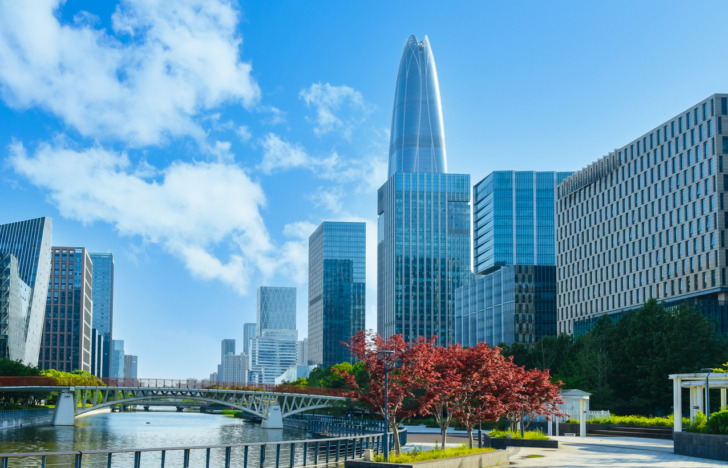
Ningbo is one of eastern China’s major port cities and an important economic center in Zhejiang Province.
Located near the East China Sea and south of Shanghai, the city combines modern commercial districts with historic neighborhoods, temples, museums, canals, waterfront areas, and easy access to surrounding mountains and coastal scenery.
From a safety perspective, Ningbo is generally a low-risk destination for travelers.
Serious violent crime involving foreign visitors is uncommon, public transportation is extensive, and the city’s main commercial and sightseeing areas are generally comfortable during both the day and evening.
Petty theft, traffic accidents, tourist scams, summer heat, typhoons, flooding, and severe rain are more realistic concerns.
Travelers should also remember that Chinese laws and enforcement practices may differ significantly from those in their home countries.
With ordinary precautions, Ningbo is a safe and manageable destination for families, couples, solo travelers, and visitors exploring eastern China.
Warnings & Dangers in Ningbo

OVERALL RISK: LOW
Ningbo is generally a low-risk city for tourists. Violent crime affecting visitors is uncommon, and central neighborhoods are busy, well-connected, and heavily monitored. Petty theft and scams are more realistic concerns than serious crime. Weather can become a bigger safety issue during typhoon season, when heavy rain, flooding, and transportation disruptions are possible.

TRANSPORT & TAXIS RISK: LOW
Ningbo has a modern metro system, buses, licensed taxis, ride-hailing services, and extensive railway connections. The metro is generally safe and convenient for visitors. Road traffic requires more attention because electric scooters, bicycles, motorcycles, and cars may approach from unexpected directions. Use licensed taxis or established ride-hailing services rather than accepting rides from unknown drivers around railway stations or tourist attractions.

PICKPOCKETS RISK: LOW
Pickpocketing can occur, particularly in crowded transportation hubs, shopping districts, festivals, markets, and major tourist areas. Ningbo Railway Station, busy metro stations, commercial streets, and large public events require extra awareness. Keep phones, wallets, passports, and bags secure, and avoid placing valuables in easily accessible backpack pockets.

NATURAL DISASTERS RISK: MEDIUM
Typhoons are one of the most important natural hazards affecting Ningbo. The city is close to China's eastern coastline and can experience strong winds, torrential rainfall, flooding, storm surge, and transportation disruptions when tropical systems approach Zhejiang. Extreme summer heat and thunderstorms can also create problems. Follow local weather warnings and avoid unnecessary travel during severe storms.

MUGGING RISK: LOW
Muggings and violent street robberies are uncommon in Ningbo. Visitors can generally explore central neighborhoods and commercial districts in the evening without significant concern. Normal precautions are still appropriate. Avoid deserted parks or isolated waterfront areas very late at night, and do not display large amounts of cash or expensive valuables unnecessarily.

TERRORISM RISK: LOW
Ningbo has a low terrorism risk for ordinary travelers. Visitors are much more likely to experience transportation problems, petty theft, scams, or weather-related disruptions than terrorism. Security checks can be extensive at railway stations, airports, and major public facilities. Cooperate with security procedures and carry appropriate identification.

SCAMS RISK: LOW
Tourist scams can occur, although Ningbo receives fewer international tourists than cities such as Beijing or Shanghai. Be cautious if strangers unexpectedly invite you to tea houses, private restaurants, bars, or art exhibitions where visitors can later receive inflated bills. Confirm prices before accepting unfamiliar services and use established transportation and booking methods whenever possible.

WOMEN TRAVELERS RISK: LOW
Ningbo is generally a comfortable destination for women traveling alone. The metro, shopping districts, restaurants, and central streets remain busy well into the evening. Solo female travelers should still use normal precautions, including keeping control of their drinks, avoiding isolated areas late at night, and using reliable transportation for longer journeys after dark.

TAP WATER RISK: MEDIUM
Travelers should generally avoid drinking untreated tap water directly in Ningbo. Tap water is treated, but locals commonly boil water before drinking it. Bottled water is inexpensive and widely available, and hotels usually provide kettles or bottled drinking water. Tap water is normally fine for washing, showering, and brushing teeth, although sensitive travelers may prefer bottled water for oral care.
Safest Places to Visit in Ningbo
Tianyi Square
Tianyi Square is one of Ningbo’s main commercial centers and one of the easiest places for visitors to explore.
Shopping centers, restaurants, cafes, hotels, and entertainment venues keep the area busy throughout the day and evening.
It is generally safe, although crowded periods require normal attention to phones, wallets, and bags.
Tianyi Pavilion
Tianyi Pavilion is one of Ningbo’s most important historical attractions and is famous for its ancient private library and traditional gardens.
The surrounding central area is well established for visitors and can be reached easily using public transportation.
Daytime visits are straightforward, and normal precautions with personal belongings are sufficient.
Old Bund
Ningbo’s Old Bund sits along the river and contains historic architecture, restaurants, cafes, bars, and nightlife.
The area is generally comfortable during both the day and evening and is popular with visitors looking for a more atmospheric part of the city.
Late at night, use normal nightlife precautions and avoid walking alone through quiet riverside areas after businesses close.
Dongqian Lake
Dongqian Lake is one of the largest freshwater lakes in Zhejiang and a popular recreational area east of central Ningbo.
Visitors come for cycling, walking, temples, resorts, scenic drives, and water views.
The main risks involve weather, road traffic, heat, and water activities rather than crime.
Avoid entering the water during storms or poor conditions.
Ningbo Museum
Ningbo Museum is one of the city’s major cultural attractions and is particularly known for its striking architecture and exhibitions on regional history.
The surrounding area is modern and generally comfortable for visitors.
Normal city precautions are sufficient, and public transportation makes reaching the museum relatively easy.
Places to Avoid in Ningbo
Coastal Areas During Typhoons
Do not visit exposed waterfronts, beaches, ports, or seawalls when a typhoon or severe tropical storm is approaching.
Strong winds, waves, storm surge, and flying debris can become dangerous well before the center of the storm arrives.
Follow evacuation instructions and remain indoors when authorities recommend doing so.
Flooded Roads and Underpasses
Heavy rain can cause localized flooding in parts of Ningbo.
Do not attempt to walk, cycle, or drive through deep water when the road surface is not visible.
Underpasses and low-lying roads can become particularly dangerous during intense storms.
Unlicensed Taxis
Avoid drivers who aggressively approach travelers outside railway stations, transportation hubs, or tourist attractions.
Use licensed taxis, the metro, or established ride-hailing services instead.
Unofficial drivers may charge inflated prices or create unnecessary payment disputes.
Sensitive Government or Military Areas
Do not photograph military facilities, security installations, checkpoints, ports with restricted access, or sensitive government locations.
Ningbo is a major port and industrial city, so some infrastructure may be subject to stricter security controls.
Pay attention to signs and instructions from authorities.
Isolated Waterfront Areas Late at Night
Central waterfront areas are generally pleasant and safe, but some sections become very quiet late at night.
There is little reason for visitors to wander through deserted industrial or riverside areas alone after businesses close.
Stick to populated streets and established entertainment districts.
Safety Tips for Traveling to Ningbo
- Take Typhoon Warnings Seriously. Ningbo’s coastal location means tropical storms can produce destructive winds, flooding, and transportation problems. Follow local warnings and avoid sightseeing near the coast when severe weather approaches.
- Watch Carefully for Electric Scooters. Electric scooters are numerous and often extremely quiet. Look both ways before stepping into roads, bicycle lanes, or driveways, even when pedestrian signals appear favorable.
- Use the Metro Whenever Practical. Ningbo’s metro is generally safe, modern, and convenient. It can help visitors avoid traffic congestion, language problems, and disagreements over taxi fares.
- Keep Belongings Secure in Crowds. Ningbo is not a major pickpocketing hotspot, but crowded metro stations, shopping districts, railway terminals, and festivals still create opportunities for theft.
- Prepare for Hot, Humid Summers. Summer temperatures can become uncomfortable, particularly when humidity is high. Carry water, use sun protection, and take indoor breaks during the hottest part of the afternoon.
- Avoid Invitations That Feel Too Convenient. Unexpected invitations to tea houses, bars, restaurants, or private exhibitions can occasionally lead to inflated charges. If you decide to socialize with someone you just met, choose the location yourself.
- Do Not Photograph Restricted Port Areas. Ningbo is home to one of the world’s busiest port complexes. Some industrial, military, and port infrastructure is sensitive, so follow photography restrictions carefully.
- Use Established Transportation. Avoid unofficial taxis or private drivers approaching tourists around stations. Licensed taxis, metro services, and established ride-hailing platforms are safer and easier to track.
- Keep Important Information Available Offline. Some international websites and online services may not function normally in mainland China. Save hotel addresses, maps, transportation details, translations, and emergency contacts before you need them.
- Learn Emergency Numbers. Police can be reached at 110, ambulance services at 120, and firefighters at 119. Saving these numbers before your trip makes getting assistance easier during an emergency.
So... How Safe Is Ningbo Really?
Ningbo is generally safe for international travelers and has relatively few serious personal-security problems.
Violent crime involving tourists is uncommon, and the city’s commercial districts, historic attractions, metro system, restaurants, and shopping areas are generally comfortable to use.
Petty theft remains possible, particularly in crowded transportation hubs and shopping districts, but basic awareness is normally sufficient to manage this risk.
Weather deserves significantly more attention.
Ningbo’s location near China’s eastern coastline makes it vulnerable to typhoons and intense summer rainfall.
Storms can disrupt flights, trains, metro services, roads, and ferry connections, while low-lying areas may experience flooding.
Traffic is another everyday concern.
Electric scooters can move quietly and quickly, and visitors unfamiliar with Chinese road behavior should remain alert even at marked crossings.
Travelers should also respect China’s legal environment.
Avoid political demonstrations, restricted photography, illegal drugs, and confrontations with authorities.
Ningbo’s importance as a major port means extra care should be taken around industrial and security-sensitive areas.
Public transportation makes the city relatively easy to navigate.
The metro connects many key districts and lets visitors avoid much of the road traffic.
For most travelers, Ningbo is a low-risk destination.
Secure your belongings, watch carefully for traffic, respect local laws, and take typhoon and flooding warnings seriously.
How Does Ningbo Compare?
| City | Safety Index |
|---|---|
| Ningbo |
81 |
| Guangxi Guilin |
76 |
| Wuhan |
71 |
| Lhasa |
72 |
| Yangshuo |
77 |
| Xian |
73 |
| Changsha |
73 |
 Nampa Nampa | 78 |
| Santa Fe | 32 |
 Cluj-Napoca Cluj-Napoca | 90 |
| Garrison | 79 |
 San Luis Potosi San Luis Potosi | 65 |
| North Las Vegas | 54 |
Useful Information

Visas
China's entry requirements depend on nationality, passport, itinerary, and length of stay. Some travelers qualify for visa-free entry or transit arrangements, while others need a visa before departure. Check the rules that apply to your passport shortly before traveling because entry policies can change.

Currency
China uses the renminbi, with the yuan abbreviated as CNY or RMB. Mobile payment is extremely common in Ningbo, and many shops, restaurants, taxis, and businesses prefer smartphone payment platforms. International travelers can often connect eligible foreign bank cards to major Chinese payment services. Carrying a modest amount of cash remains useful as a backup.

Weather
Ningbo has a humid subtropical climate with hot, humid summers and cool winters. Rainfall is common from spring through summer, while typhoons are most likely to affect the region during the warmer months. July and August can become particularly hot. Autumn generally provides some of the most comfortable weather for sightseeing.

Airports
Ningbo Lishe International Airport is the city's main airport and is located southwest of central Ningbo. Metro, taxis, and other transportation options connect the airport with the city. Ningbo also has extensive high-speed rail connections with Shanghai, Hangzhou, Suzhou, Nanjing, and other major eastern Chinese cities.

Travel Insurance
Travel insurance is worth considering for Ningbo, particularly during typhoon season. Coverage for emergency medical treatment, cancellations, flight or rail disruptions, lost baggage, and weather-related delays can be useful. Travelers planning coastal excursions, boating, hiking, or other outdoor activities should also confirm that their planned activities are covered.
Ningbo Weather Averages (Temperatures)
Average High/Low Temperature
| Temperature / Month | Jan | Feb | Mar | Apr | May | Jun | Jul | Aug | Sep | Oct | Nov | Dec |
|---|---|---|---|---|---|---|---|---|---|---|---|---|
| High °C |
9 | 11 | 14 | 20 | 25 | 28 | 33 | 32 | 28 | 23 | 17 | 12 |
| Low °C |
2 | 3 | 7 | 12 | 17 | 22 | 25 | 24 | 21 | 16 | 9 | 4 |
| High °F |
48 | 52 | 57 | 68 | 77 | 82 | 91 | 90 | 82 | 73 | 63 | 54 |
| Low °F |
36 | 37 | 45 | 54 | 63 | 72 | 77 | 75 | 70 | 61 | 48 | 39 |
China - Safety by City
| City | Safety Index |
|---|---|
| Beijing | 75 |
| Changsha | 73 |
| Chengdu | 74 |
| Chongqing | 72 |
| Dalian | 79 |
| Guangxi Guilin | 76 |
| Guangzhou | 64 |
| Hangzhou | 78 |
| Harbin | 75 |
| Hong Kong | 75 |
| Kunming | 74 |
| Lhasa | 72 |
| Macau | 85 |
| Nanjing | 78 |
| Ningbo | 81 |
| Qingdao | 80 |
| Shanghai | 70 |
| Shenzhen | 64 |
| Suzhou | 79 |
| Tianjin | 67 |
| Tibet | 87 |
| Wuhan | 71 |
| Xiamen | 82 |
| Xian | 73 |
| Xinjiang | 80 |
| Yangshuo | 77 |