 China : Safety by City
- Beijing
- Chengdu
- Dalian
- Guangxi Guilin
- Guangzhou
- Hangzhou
- Hong Kong
- Lhasa
- Macau
- Nanjing
- Qingdao
- Shanghai
- Shenzhen
- Suzhou
- Tianjin
- Tibet
- Xiamen
- Xian
- Xinjiang
- Yangshuo
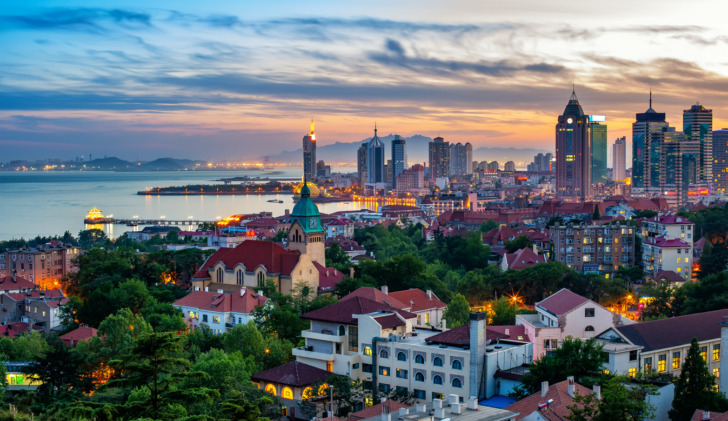
Qingdao is a major coastal city in eastern China’s Shandong Province, known for its beaches, German-influenced architecture, seafood, Tsingtao beer, waterfront promenades, and views across the Yellow Sea.
For most travelers, Qingdao is a very safe city.
Violent crime involving foreign visitors is uncommon, public transportation is extensive, major tourist areas are well maintained, and walking through central neighborhoods during the day or evening is generally comfortable.
The most realistic concerns are petty theft in crowded areas, traffic, occasional tourist scams, extreme summer heat, typhoons and heavy rain, and the legal and political restrictions that apply throughout China.
Travelers should also remember that internet access, payments, identification requirements, and interactions with authorities operate differently from what visitors from many Western countries may be accustomed to.
Warnings & Dangers in Qingdao

OVERALL RISK: LOW
Qingdao is generally a safe destination for tourists. Serious street crime is uncommon, particularly around the main tourist districts, beaches, shopping areas, and central neighborhoods. Most visitors are more likely to encounter problems involving traffic, lost belongings, payment difficulties, scams, or misunderstandings involving local regulations than violent crime. Foreign travelers should nevertheless respect Chinese laws carefully because penalties for violations can be severe.

TRANSPORT & TAXIS RISK: LOW
Qingdao has a modern metro system, extensive bus network, taxis, and app-based transportation. Public transportation is generally safe, inexpensive, and widely used. The main concern is traffic. Cars, buses, electric scooters, bicycles, and pedestrians frequently interact in busy intersections, and electric vehicles can be surprisingly quiet. Use marked pedestrian crossings but continue watching traffic even when you have the right of way. Official taxis are generally reliable. Make sure the meter is used or use a reputable ride-hailing platform.

PICKPOCKETS RISK: LOW
Pickpocketing is not a major problem compared with many large international cities, but it can occur. Crowded metro stations, shopping streets, train stations, festivals, markets, and popular waterfront areas provide the greatest opportunities for opportunistic theft. Keep phones, wallets, passports, and bags secure, particularly during major events such as the Qingdao International Beer Festival.

NATURAL DISASTERS RISK: MEDIUM
Typhoons, heavy rain, coastal storms, flooding, and extreme summer heat are the main natural hazards. Qingdao can experience the effects of tropical weather systems during the warmer months, particularly from summer into early autumn. Heavy rainfall may temporarily flood streets and disrupt transportation. Winter can also bring strong coastal winds and freezing temperatures. Travelers planning beach activities should pay attention to weather forecasts and local swimming restrictions.

MUGGING RISK: LOW
Muggings and violent street robberies targeting tourists are uncommon. Central Qingdao remains active well into the evening, especially around restaurants, shopping districts, and waterfront areas. Normal precautions are still sensible. Avoid displaying large amounts of cash and be cautious in completely deserted locations late at night.

TERRORISM RISK: LOW
The risk of a terrorist attack affecting ordinary tourists in Qingdao is low. Security can be visible around transportation hubs, major government facilities, airports, and important public events. Travelers should cooperate with security checks and avoid photographing sensitive military or government facilities.

SCAMS RISK: LOW
Tourist scams are possible, although Qingdao generally receives fewer reports of aggressive tourist scams than cities such as Beijing or Shanghai. Be cautious if strangers invite you to tea houses, bars, private clubs, art exhibitions, or other establishments where unexpectedly large bills may appear. Unofficial guides, inflated tourist prices, counterfeit products, and questionable transportation offers are also possible. Agree on prices before accepting services.

WOMEN TRAVELERS RISK: LOW
Qingdao is generally considered comfortable for women traveling alone. Public transportation is widely used by women at all hours, central neighborhoods are usually busy, and violent crime against foreign women is uncommon. Normal precautions still apply around bars and nightlife. Keep control of drinks, avoid becoming heavily intoxicated around strangers, and use reliable transportation late at night.

TAP WATER RISK: MEDIUM
Tap water in Qingdao is generally treated but is not normally recommended for visitors to drink directly from the faucet. Most residents boil tap water before drinking it. Bottled water is inexpensive and widely available. Hotels often provide bottled drinking water as well. Boiled water is generally suitable for tea, coffee, and cooking.
Safest Places to Visit in Qingdao
Shinan District
Shinan is the heart of tourist Qingdao and contains many of the city’s most famous attractions.
The district includes waterfront promenades, historic architecture, shopping streets, hotels, restaurants, and beaches.
It is generally comfortable to explore during both the day and evening.
Badaguan Scenic Area
Badaguan is one of Qingdao’s most attractive neighborhoods, known for tree-lined streets, historic villas, gardens, and coastal views.
The area is popular with walkers, photographers, couples, and families.
Crime is uncommon, and the main practical concern is traffic around busy tourist periods.
May Fourth Square
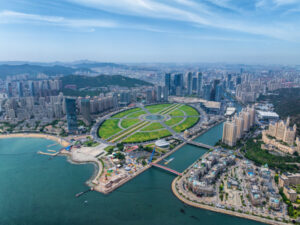
May Fourth Square is one of central Qingdao’s most recognizable public spaces and sits along the waterfront near modern commercial districts.
The surrounding promenade is popular throughout the day and evening.
Crowds become larger during holidays, when visitors should keep closer watch on bags and phones.
Olympic Sailing Center
The Olympic Sailing Center and surrounding waterfront district are among Qingdao’s most modern recreational areas.
Restaurants, shopping, yacht facilities, and promenades attract large numbers of residents and tourists.
The area is generally safe, well developed, and active into the evening.
Laoshan Scenic Area
Laoshan is a mountainous area east of central Qingdao known for hiking, Taoist temples, forests, coastal scenery, and rocky peaks.
Crime is not the main concern here.
Visitors should instead prepare for steep trails, changing weather, heat, slippery surfaces, and the possibility of becoming lost if they leave established routes.
Places to Avoid in Qingdao
Isolated Beaches Late at Night
Qingdao’s main beaches are generally safe, especially during busy daytime periods.
However, deserted coastal areas offer fewer options for assistance late at night.
Avoid leaving valuables unattended while swimming and stay within designated swimming areas.
Unauthorized Swimming Areas
Not every stretch of coastline is suitable for swimming.
Currents, waves, rocks, changing tides, and poor visibility can make unofficial swimming locations dangerous.
Follow posted restrictions and instructions from lifeguards or local authorities.
Sensitive Government and Military Areas
Qingdao has significant military and naval importance.
Avoid photographing military facilities, military vessels, security installations, or restricted government property.
Do not attempt to enter areas marked as restricted simply to obtain a better photograph.
Remote Mountain Trails in Bad Weather
Laoshan contains many established hiking routes, but mountain conditions can change quickly.
Avoid remote trails during thunderstorms, extreme heat, heavy rain, or strong winds.
Stay on marked routes and carry sufficient water.
Safety Tips for Traveling to Qingdao
- Carry your passport when required. Foreign travelers in China may need identification for hotels, transportation, ticket purchases, and interactions with authorities. Keep your passport secure and maintain a separate digital copy.
- Prepare your phone before arriving. Many familiar international websites and apps may not function normally in mainland China. Install essential transportation, translation, mapping, and communication tools before your trip.
- Set up mobile payments. China relies heavily on digital payments. Although cash remains legal, many everyday purchases are easier with mobile payment services. International visitors can often connect supported foreign cards to major Chinese payment apps.
- Watch for electric scooters. Electric scooters and bicycles are extremely common and may approach quietly. Look carefully in both directions before crossing streets or bicycle lanes.
- Avoid unsolicited invitations from strangers. Be cautious if someone you have just met insists on taking you to a particular tea shop, bar, club, or restaurant. Unexpectedly inflated bills are a known tourist scam in parts of China.
- Drink bottled or boiled water. Do not rely on drinking directly from the tap. Bottled water is inexpensive, and hot boiled water is widely available.
- Take coastal weather seriously. Heavy rain, strong winds, and typhoon conditions can affect Qingdao during the warmer part of the year. Follow local warnings and avoid beaches during severe weather.
- Protect your belongings in crowds. Crime is relatively low, but busy festivals, train stations, markets, and metro cars create opportunities for theft. Keep important belongings where you can see them.
- Respect local laws and political sensitivities. China applies strict laws involving drugs, protests, public order, photography, and national security. Avoid demonstrations and political confrontations and follow instructions from authorities.
- Use marked hiking trails. If visiting Laoshan, stay on established routes, wear appropriate footwear, carry water, and check weather conditions before longer hikes.
So... How Safe Is Qingdao Really?
Qingdao is one of the safer large cities travelers can visit in China.
Violent street crime is relatively uncommon, and most visitors can walk around central neighborhoods, use the metro, visit beaches, dine out, and explore waterfront areas without feeling threatened.
Petty theft is possible but usually manageable with basic precautions.
Traffic deserves more attention.
Electric scooters, bicycles, buses, and cars create busy urban conditions, and visitors unfamiliar with Chinese traffic patterns should remain alert at intersections.
Natural hazards are another consideration.
Qingdao’s coastal location exposes it to heavy rain, strong winds, typhoons, and occasional flooding during the warmer months.
Beach visitors should also respect swimming restrictions and avoid entering rough water simply because other people appear to be doing so.
The legal environment is perhaps the biggest difference for many foreign travelers.
China has strict laws and extensive security monitoring.
Activities that might attract little attention elsewhere, such as photographing sensitive infrastructure, participating in demonstrations, possessing illegal drugs, or becoming involved in political disputes, can have serious consequences.
Drug laws are particularly strict, and penalties can be severe.
The practical challenges of traveling in Qingdao are usually much smaller.
Digital payments dominate everyday transactions, some international internet services may be inaccessible, English is less widely spoken away from major hotels and attractions, and visitors may need translation software.
None of those issues makes Qingdao dangerous.
Use ordinary crime precautions, respect Chinese law, prepare your phone and payment methods in advance, stay alert around traffic, and monitor coastal weather.
With those precautions, Qingdao is a relatively safe and easy city for travelers to explore.
How Does Qingdao Compare?
| City | Safety Index |
|---|---|
| Qingdao |
80 |
| Chengdu |
74 |
| Xiamen |
82 |
| Macau |
85 |
| Guangzhou |
64 |
| Yangshuo |
77 |
| Shanghai |
70 |
 Worcester Worcester | 69 |
| Aspen | 91 |
| New Madrid | 84 |
| Tahoe City | 82 |
 Bradford Bradford | 42 |
| Burlington | 70 |
Useful Information

Visas
Entry requirements for China depend on nationality, trip length, and the purpose of travel. Some nationalities may qualify for visa-free entry under specific policies, while others need to obtain a Chinese visa before departure. China has changed and expanded several visa-free arrangements in recent years, so travelers should confirm the requirements applying to their passport immediately before traveling.

Currency
China uses the renminbi, with the yuan abbreviated as CNY or RMB. Mobile payments are extremely common, particularly through Alipay and WeChat Pay. Cash is still accepted, but travelers may find digital payment more convenient for restaurants, shops, transportation, and attractions. ATMs are available throughout Qingdao, although foreign card compatibility varies between banks.

Weather
Qingdao has four distinct seasons influenced by its coastal location. Summers are warm and humid, with July and August typically among the hottest and wettest months. Autumn is usually mild and pleasant, while winters can be cold, dry, and windy. Spring temperatures gradually warm but can remain cool near the coast. Typhoons and severe rain are most likely during the warmer months.

Airports
Qingdao Jiaodong International Airport is the city’s primary airport and handles extensive domestic service along with international routes. The airport is located northwest of central Qingdao and is connected to the city by metro, road transportation, taxis, and other services. Allow generous travel time when traveling during rush hour or severe weather.

Travel Insurance
Travel insurance is recommended for international visitors. Useful coverage includes medical treatment, hospitalization, emergency evacuation, trip cancellation, delays, lost belongings, and weather-related disruption. Travelers planning hiking, sailing, diving, or other outdoor activities should confirm that their policy covers those activities.
Qingdao Weather Averages (Temperatures)
Average High/Low Temperature
| Temperature / Month | Jan | Feb | Mar | Apr | May | Jun | Jul | Aug | Sep | Oct | Nov | Dec |
|---|---|---|---|---|---|---|---|---|---|---|---|---|
| High °C |
4 | 5 | 9 | 14 | 19 | 22 | 26 | 27 | 24 | 19 | 13 | 6 |
| Low °C |
-2 | -1 | 3 | 9 | 14 | 19 | 23 | 24 | 20 | 15 | 7 | 1 |
| High °F |
39 | 41 | 48 | 57 | 66 | 72 | 79 | 81 | 75 | 66 | 55 | 43 |
| Low °F |
28 | 30 | 37 | 48 | 57 | 66 | 73 | 75 | 68 | 59 | 45 | 34 |
China - Safety by City
| City | Safety Index |
|---|---|
| Beijing | 75 |
| Chengdu | 74 |
| Dalian | 79 |
| Guangxi Guilin | 76 |
| Guangzhou | 64 |
| Hangzhou | 78 |
| Hong Kong | 75 |
| Lhasa | 72 |
| Macau | 85 |
| Nanjing | 78 |
| Qingdao | 80 |
| Shanghai | 70 |
| Shenzhen | 64 |
| Suzhou | 79 |
| Tianjin | 67 |
| Tibet | 87 |
| Xiamen | 82 |
| Xian | 73 |
| Xinjiang | 80 |
| Yangshuo | 77 |