 China : Safety by City
- Beijing
- Chengdu
- Dalian
- Guangxi Guilin
- Guangzhou
- Hangzhou
- Hong Kong
- Lhasa
- Macau
- Nanjing
- Qingdao
- Shanghai
- Shenzhen
- Suzhou
- Tianjin
- Tibet
- Xiamen
- Xian
- Xinjiang
- Yangshuo
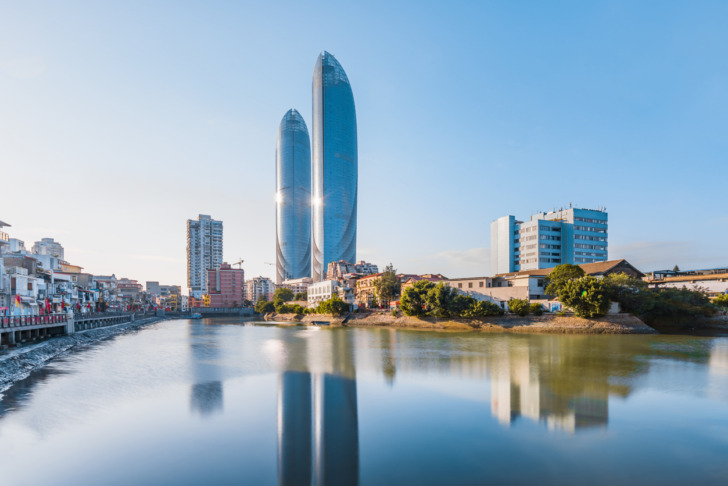
Xiamen is a coastal city in Fujian Province in southeastern China, facing the Taiwan Strait.
Known for its subtropical climate, waterfront promenades, beaches, historic architecture, seafood, and the pedestrian-friendly island of Gulangyu, it is one of China’s more relaxed major coastal destinations.
Compared with enormous cities such as Beijing, Shanghai, and Guangzhou, Xiamen generally feels manageable and easy to navigate.
Public transportation is extensive, central districts are modern, and popular tourist areas remain busy well into the evening.
Xiamen is generally a safe destination for visitors.
Violent street crime is uncommon, and tourists can usually walk around central areas without significant concern.
The risks travelers are more likely to encounter involve traffic, petty theft, tourist scams, unfamiliar local laws, extreme summer heat, heavy rain, and typhoons.
Visitors should also remember that laws and regulations in China can differ significantly from those in their home countries.
Warnings & Dangers in Xiamen

OVERALL RISK: LOW
Xiamen is generally a low-risk destination for ordinary tourists. Violent crime involving international visitors is uncommon, and popular commercial and tourist districts are usually comfortable to explore during the day and evening. Petty theft remains possible around crowded attractions, transportation stations, shopping streets, and festivals. Travelers should also pay attention to local laws and regulations. Activities that may seem harmless elsewhere can potentially create legal problems in China.

TRANSPORT & TAXIS RISK: LOW
Public transportation in Xiamen is generally safe and efficient. The city has an extensive bus network, metro system, taxis, ride-hailing services, ferries, and high-speed rail connections. Traffic itself deserves more caution. Cars, buses, electric scooters, bicycles, and pedestrians frequently interact at intersections, and motorcycles or electric scooters can approach quietly. Use official taxis or established ride-hailing services and avoid accepting unsolicited transportation from people approaching you at airports or transportation stations.

PICKPOCKETS RISK: LOW
Pickpocketing is not generally a major threat in Xiamen, but crowded locations create opportunities for theft. Keep bags closed when visiting popular attractions, shopping streets, ferry terminals, railway stations, and busy markets. Phones should not be left unattended on restaurant tables or casually placed in open bags. Gulangyu and other heavily visited areas can become particularly crowded during national holidays.

NATURAL DISASTERS RISK: MEDIUM
Typhoons are the most important natural hazard for travelers in Xiamen. The city sits directly on China's southeastern coast and can experience strong winds, torrential rain, coastal flooding, transportation disruption, and ferry cancellations when tropical storms approach. Summer and early fall deserve particular attention. Heavy thunderstorms and intense rainfall can also produce localized flooding even when a major typhoon is not present. Follow weather warnings and avoid beaches, waterfront areas, and unnecessary travel during severe storms.

MUGGING RISK: LOW
Muggings and violent street robberies involving tourists are uncommon in Xiamen. Central commercial districts remain active well into the evening, and travelers generally do not need to worry about walking short distances through busy areas after dark. Normal precautions still apply. Avoid isolated beaches or parks very late at night and do not deliberately display large amounts of money or expensive jewelry.

TERRORISM RISK: LOW
The terrorism risk for an ordinary visitor to Xiamen is low. Tourists do not normally need to take special precautions beyond remaining aware in crowded public locations and following instructions from authorities if an unusual security event occurs. Security can be visible at transportation stations, airports, and other major facilities. Carry appropriate identification and cooperate with routine security procedures.

SCAMS RISK: MEDIUM
Tourist scams are more realistic than violent crime. Visitors may encounter inflated prices, questionable tour offers, unofficial transportation, counterfeit goods, or businesses targeting inexperienced foreign travelers. Be particularly cautious when strangers approach you and quickly suggest visiting a specific tea house, bar, restaurant, art exhibition, or other business. Confirm prices before ordering expensive services and use established businesses for tours and transportation.

WOMEN TRAVELERS RISK: LOW
Xiamen is generally comfortable for women traveling alone. Popular attractions, shopping districts, metro stations, waterfront areas, and restaurants remain busy throughout much of the day. Standard solo-travel precautions remain appropriate. Avoid isolated areas very late at night, keep control of drinks, and use established transportation when returning to accommodation after drinking.

TAP WATER RISK: LOW
Visitors should generally avoid drinking untreated tap water in Xiamen. Use bottled water or water that has been properly boiled or filtered. Hotels commonly provide bottled drinking water or facilities for boiling water. Hot tea and other drinks prepared with properly boiled water are generally a practical alternative. Travelers with sensitive stomachs may also prefer bottled water when brushing their teeth.
Safest Places to Visit in Xiamen
Gulangyu Island
Gulangyu is one of Xiamen’s most famous attractions.
The small island is largely pedestrianized and known for historic architecture, gardens, winding streets, beaches, museums, and views back toward Xiamen.
Crime is generally a minor concern.
The bigger issue is crowds.
Ferry terminals and popular streets can become extremely busy during weekends and Chinese public holidays.
Keep belongings secure and book transportation arrangements early during peak periods.
Zhongshan Road
Zhongshan Road is one of Xiamen’s best-known shopping and pedestrian areas.
Restaurants, shops, street food, historic buildings, and large numbers of pedestrians create a lively atmosphere throughout the day and evening.
The area is generally comfortable for visitors.
Watch your belongings when crowds become dense and confirm prices before purchasing expensive souvenirs or specialty products.
Metro and Major Shopping Areas
Xiamen’s modern commercial districts and metro-connected shopping areas are generally straightforward for international visitors.
They tend to have good lighting, regular foot traffic, restaurants, supermarkets, hotels, and convenient transportation.
Normal precautions with phones, wallets, and bags are sufficient for most travelers.
Metro stations can become extremely crowded during rush hour, so keep belongings close.
Established Hotels and Tourist Areas
Major hotels and established tourism areas generally provide a comfortable environment for visitors unfamiliar with China.
Hotel staff can often help arrange transportation, explain destinations to drivers, and assist with basic communication problems.
Keeping your hotel’s name and address available in Chinese can be extremely useful when traveling around the city.
Places to Avoid in Xiamen
Xiamen does not have large tourist no-go zones associated with serious violent crime.
Most situations worth avoiding involve bad weather, tourist scams, or locations where visitors may unintentionally create problems for themselves.
Waterfront Areas During Typhoons
Do not visit beaches, seawalls, piers, or exposed waterfront locations simply to watch a major storm.
Typhoons can produce powerful winds, waves, flying debris, and rapid flooding.
Ferries may also be suspended before conditions appear particularly dangerous.
Isolated Beaches Late at Night
Xiamen’s coastline is one of its biggest attractions, but quieter beaches can become almost deserted after dark.
There is little reason for visitors to remain on isolated stretches of coastline very late at night.
Visit beaches during daylight and early evening when other people are around.
Unofficial Tour and Transportation Operators
Avoid people who approach you unexpectedly at airports, railway stations, ferry terminals, or attractions offering transportation or special tours.
Use official taxi queues, recognized ride-hailing platforms, hotels, or established tour providers instead.
Sensitive Government and Security Locations
Avoid photographing military installations, security facilities, or other sensitive government locations.
If signs indicate that photography is prohibited, follow them.
Visitors should not assume that photography rules are identical to those in their home country.
Safety Tips for Traveling to Xiamen
- Watch for electric scooters. Electric scooters and bicycles can move quietly and may appear suddenly at intersections or beside sidewalks. Look carefully before crossing streets even when car traffic appears to have stopped.
- Use official transportation. Use the metro, established ride-hailing services, official taxis, or transportation arranged by your hotel. Avoid strangers offering unofficial rides.
- Monitor typhoon warnings. Coastal Fujian can experience severe tropical weather. If authorities close beaches, ferry services, or attractions, take the warning seriously rather than trying to continue sightseeing.
- Do not drink untreated tap water. Use bottled, boiled, or properly filtered water. Bottled water is inexpensive and widely available throughout the city.
- Keep your passport secure. Carry identification as required, but avoid repeatedly taking your passport out in crowded public places. Keep copies of important travel information separately.
- Learn how local payments work. Digital payments are extremely common in China. Set up appropriate payment options before traveling rather than discovering after arrival that a particular shop or service is difficult to pay for.
- Avoid unsolicited invitations from strangers. Be cautious when someone you just met strongly encourages you to visit a particular tea shop, bar, restaurant, or exhibition. Unexpectedly expensive bills can sometimes result.
- Take summer heat seriously. Xiamen can become extremely hot and humid. Drink plenty of safe water, use sunscreen, and take breaks from outdoor sightseeing during the hottest part of the afternoon.
- Respect local laws and restrictions. Do not assume that behavior permitted at home is automatically legal in China. Be particularly careful around drugs, demonstrations, photography, drones, and restricted locations.
- Keep important information available offline. Save your hotel’s Chinese name and address, transportation details, passport information, and important phone numbers somewhere that does not depend entirely on mobile internet access.
So... How Safe Is Xiamen Really?
Xiamen is generally one of the easier large Chinese cities for international visitors from a personal safety perspective.
Violent street crime is uncommon, tourist districts are busy, public transportation is extensive, and central areas generally feel orderly.
Most visitors will spend far more time thinking about food, transportation, weather, and sightseeing than personal security.
Petty theft is possible, particularly in crowded places such as ferry terminals, railway stations, shopping streets, and major attractions.
Basic precautions are normally sufficient.
The city’s more distinctive risk comes from its coastal location.
Xiamen faces the Taiwan Strait and can be affected by powerful typhoons.
Severe storms can close Gulangyu ferries, disrupt flights and trains, flood roads, and make waterfront areas dangerous.
Visitors traveling during summer or early fall should therefore build some flexibility into their itinerary.
Heat and humidity also deserve attention.
Summer temperatures combined with high humidity can make walking around the city considerably more exhausting than the thermometer alone suggests.
Carry safe drinking water and take regular breaks in air-conditioned places.
Traffic presents another everyday challenge.
China’s electric scooters are particularly easy for visitors to underestimate because they can approach almost silently.
Look in every direction before stepping into a road or bicycle lane.
Visitors should also understand that personal safety in China includes legal awareness.
China has strict laws in several areas, and enforcement practices may differ considerably from what travelers expect at home.
Avoid illegal drugs completely, respect photography restrictions, stay away from demonstrations, and comply with instructions from police or security personnel.
Language can create occasional practical difficulties, although Xiamen’s transportation system and major tourist attractions are relatively easy to navigate.
Keeping addresses written in Chinese can make taxi journeys significantly easier.
Overall, Xiamen is a comfortable destination for families, couples, solo travelers, and women traveling independently.
Use ordinary precautions against theft, watch the traffic, respect local laws, prepare for hot weather, and take typhoon warnings seriously.
For most travelers, Xiamen’s combination of waterfront scenery, food, historic streets, and island attractions makes it one of the more relaxed introductions to urban China.
How Does Xiamen Compare?
| City | Safety Index |
|---|---|
| Xiamen |
82 |
| Macau |
85 |
| Shenzhen |
64 |
| Suzhou |
79 |
| Xian |
73 |
| Xinjiang |
80 |
| Chengdu |
74 |
 Edirne Edirne | 72 |
 Thurmont Thurmont | 83 |
 Assomada Assomada | 68 |
 Oakville Oakville | 83 |
| West Valley City | 65 |
| Miami Beach | 68 |
Useful Information

Visas
Chinese visa requirements depend on nationality, purpose of travel, length of stay, and current entry policies. Some travelers may qualify for visa-free entry or transit arrangements, while others need to obtain a visa before arrival. These policies change periodically, so travelers should verify the requirements applying specifically to their passport and itinerary shortly before departure. Keep copies of accommodation bookings and onward transportation information available when entering the country.

Currency
China uses the renminbi, with the yuan as the main unit used in everyday prices. Mobile payments are extremely common in Xiamen, sometimes more common than cash or physical cards. International visitors should prepare payment options before arrival and keep at least some cash available as a backup. ATMs are available throughout the city, particularly around banks, shopping centers, transportation hubs, and commercial districts.

Weather
Xiamen has a humid subtropical coastal climate. Winters are generally mild, while summers are hot, humid, and rainy. Spring can also be damp, and heavy rainfall becomes more common as summer approaches. Typhoons are the most important seasonal weather risk, particularly during the warmer months. Autumn often provides some of the city's most comfortable sightseeing weather, with lower humidity and fewer prolonged periods of rain. Bring lightweight clothing, rain protection, sunscreen, and comfortable walking shoes.

Airports
Xiamen Gaoqi International Airport is the main airport serving the city. It handles domestic flights throughout China as well as international and regional services. The airport is relatively close to central Xiamen compared with airports serving many large cities. Taxis, ride-hailing services, buses, and other transportation options connect the airport with major districts. Allow additional time during severe weather because typhoons and thunderstorms can cause flight disruptions.

Travel Insurance
Travel insurance is recommended for international visitors to Xiamen. A useful policy should cover emergency medical treatment, hospitalization, trip interruption, delayed or canceled flights, baggage problems, and other unexpected expenses. Travelers visiting during typhoon season should pay particular attention to weather-related cancellation and interruption coverage. Anyone with significant medical conditions should also confirm where appropriate medical facilities are located before traveling.
Xiamen Weather Averages (Temperatures)
Average High/Low Temperature
| Temperature / Month | Jan | Feb | Mar | Apr | May | Jun | Jul | Aug | Sep | Oct | Nov | Dec |
|---|---|---|---|---|---|---|---|---|---|---|---|---|
| High °C |
17 | 17 | 19 | 23 | 27 | 30 | 32 | 32 | 31 | 27 | 24 | 19 |
| Low °C |
10 | 10 | 12 | 16 | 20 | 24 | 25 | 25 | 24 | 20 | 16 | 12 |
| High °F |
63 | 63 | 66 | 73 | 81 | 86 | 90 | 90 | 88 | 81 | 75 | 66 |
| Low °F |
50 | 50 | 54 | 61 | 68 | 75 | 77 | 77 | 75 | 68 | 61 | 54 |
China - Safety by City
| City | Safety Index |
|---|---|
| Beijing | 75 |
| Chengdu | 74 |
| Dalian | 79 |
| Guangxi Guilin | 76 |
| Guangzhou | 64 |
| Hangzhou | 78 |
| Hong Kong | 75 |
| Lhasa | 72 |
| Macau | 85 |
| Nanjing | 78 |
| Qingdao | 80 |
| Shanghai | 70 |
| Shenzhen | 64 |
| Suzhou | 79 |
| Tianjin | 67 |
| Tibet | 87 |
| Xiamen | 82 |
| Xian | 73 |
| Xinjiang | 80 |
| Yangshuo | 77 |