 China : Safety by City
- Beijing
- Changsha
- Chengdu
- Chongqing
- Dalian
- Guangxi Guilin
- Guangzhou
- Hangzhou
- Harbin
- Hong Kong
- Kunming
- Lhasa
- Macau
- Nanjing
- Ningbo
- Qingdao
- Shanghai
- Shenzhen
- Suzhou
- Tianjin
- Tibet
- Wuhan
- Xiamen
- Xian
- Xinjiang
- Yangshuo
Harbin is the capital of Heilongjiang Province in northeastern China and one of the country’s most distinctive major cities.
Famous for its Russian-influenced architecture, long winters, Harbin Ice and Snow Festival, frozen Songhua River, and hearty northeastern cuisine, it offers a very different experience from cities such as Shanghai, Beijing, or Guangzhou.
For most travelers, Harbin is a very safe destination.
Violent crime involving tourists is uncommon, central districts remain active into the evening, and the city has extensive public transportation and a strong police presence.
The biggest risks are practical rather than criminal.
Harbin experiences exceptionally cold winters, sidewalks can become icy, temperatures may fall below -20°C, and frostbite or hypothermia can become genuine concerns for poorly prepared visitors.
Petty theft, traffic, scams, and the strict legal environment that applies throughout mainland China should also be kept in mind.
Warnings & Dangers in Harbin

OVERALL RISK: LOW
Harbin is generally a safe city for tourists. Violent crime against foreign visitors is uncommon, and most central neighborhoods can be explored comfortably during the day and evening. The main safety concerns are winter weather, slippery streets, petty theft in crowded locations, traffic, and occasional tourist scams. Foreign travelers should also respect Chinese laws carefully and avoid activities involving drugs, protests, unauthorized photography, or other sensitive matters.

TRANSPORT & TAXIS RISK: LOW
Harbin has a modern metro system, extensive bus routes, taxis, and app-based ride services. Public transportation is generally safe and inexpensive. Winter creates the biggest transportation challenge. Snow and ice can make roads slippery, increase stopping distances, and slow traffic considerably. Visitors should also watch carefully for electric scooters and bicycles, which may approach quietly. Use official taxis or established ride-hailing services rather than accepting rides from random drivers.

PICKPOCKETS RISK: LOW
Pickpocketing is not a major problem compared with many international tourist cities, but it can occur. Crowded metro stations, railway stations, shopping streets, markets, festivals, and Ice and Snow Festival attractions provide the greatest opportunities for opportunistic theft. Keep phones, wallets, passports, and bags secure in crowded areas. Do not leave valuable belongings unattended in cafés, restaurants, or hotel lobbies.

NATURAL DISASTERS RISK: MEDIUM
Extreme cold is Harbin’s most important environmental hazard. Winter temperatures can fall far below freezing, and strong winds can make conditions feel even colder. Frostbite can develop quickly on exposed skin during severe cold, particularly around fingers, ears, toes, and the face. Snowstorms can also disrupt flights, trains, and road transportation. Summer thunderstorms, heavy rain, and occasional flooding are possible during the warmer months, but winter weather remains the more distinctive risk for visitors.

MUGGING RISK: LOW
Muggings and violent street robberies targeting tourists are uncommon. Central Harbin remains active at night, especially around Zhongyang Street, shopping areas, restaurants, and entertainment districts. Normal precautions still apply. Avoid deserted areas late at night, do not display large amounts of cash, and use reliable transportation if returning to accommodation far from the center.

TERRORISM RISK: LOW
The terrorism risk for ordinary visitors in Harbin is low. Security checks are common at airports, railway stations, metro stations, and major public attractions. Visitors should cooperate with security procedures and avoid restricted government, military, or police facilities. Large political gatherings and demonstrations should also be avoided.

SCAMS RISK: MEDIUM
Scams are more likely to affect travelers than violent crime. Be cautious if strangers invite you to a specific tea house, restaurant, bar, private club, massage business, or entertainment venue. Unexpectedly high bills can result from situations where a visitor is deliberately taken to a cooperating establishment. Overpriced souvenirs, unofficial tours, questionable taxi offers, and misleading prices can also occur around major tourist sites. Always confirm prices in advance.

WOMEN TRAVELERS RISK: LOW
Harbin is generally comfortable for women traveling alone. Women regularly use public transportation, walk around central neighborhoods, dine independently, and visit attractions without unusual safety concerns. Normal nighttime precautions still apply. Keep control of drinks, avoid becoming heavily intoxicated around strangers, and use reliable transportation late at night.

TAP WATER RISK: MEDIUM
Tap water in Harbin is treated but is generally not recommended for visitors to drink directly from the faucet. Most residents boil tap water before drinking it. Bottled water is inexpensive and widely available, and hotels commonly provide drinking water. Boiled tap water is generally suitable for tea, coffee, and cooking.
Safest Places to Visit in Harbin
Zhongyang Street
Zhongyang Street, also known as Central Street, is one of Harbin’s best-known attractions.
The pedestrian street is lined with historic buildings, restaurants, cafés, shops, hotels, and Russian-influenced architecture.
It remains busy throughout much of the day and evening and is generally very safe.
During winter festivals, crowds become much larger, so keep closer watch on personal belongings.
Saint Sophia Cathedral Area
The area surrounding Saint Sophia Cathedral is one of central Harbin’s most recognizable sightseeing districts.
Large numbers of visitors gather here to photograph the architecture, explore nearby shopping streets, and walk through central neighborhoods.
Crime is generally low, although icy pavement can be a greater concern than theft during winter.
Harbin Ice and Snow World
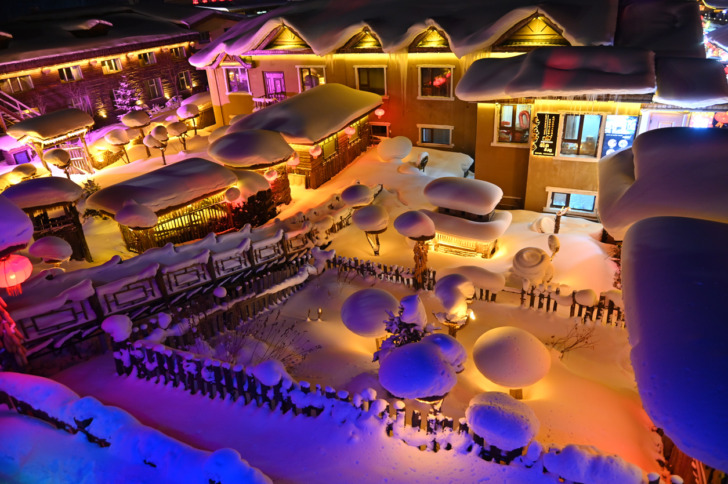
Harbin Ice and Snow World is one of the city’s signature winter attractions and draws enormous crowds during the coldest months.
The attraction is generally well organized and safe.
The primary risk is exposure to extreme cold.
Visitors may spend several hours outside in subzero temperatures, so insulated boots, gloves, thermal layers, and facial protection are essential.
Sun Island
Sun Island is a large recreational area across the Songhua River from central Harbin.
It is especially famous for winter snow sculptures but also attracts visitors during warmer months.
The developed visitor areas are generally safe.
During winter, stay within designated areas and follow instructions involving frozen waterways.
Siberian Tiger Park
The Siberian Tiger Park is one of Harbin’s most unusual attractions and contains large numbers of Siberian tigers and other big cats.
Visitors normally observe animals from secured vehicles and designated viewing areas.
Follow all safety instructions closely and never attempt to reach through barriers or leave authorized areas.
Places to Avoid in Harbin
Frozen River Areas Outside Designated Zones
The Songhua River freezes extensively during winter, and recreational activities may take place on officially managed sections.
Do not assume every frozen section is safe to walk on.
Ice thickness can vary because of currents, changing temperatures, infrastructure, or local conditions.
Use only designated areas where winter activities are officially operating.
Isolated Parks Late at Night
Harbin does not have major tourist neighborhoods that need to be avoided because of crime.
However, deserted parks and poorly illuminated areas provide fewer options for assistance late at night.
Use populated streets when returning to your accommodation.
Restricted Government and Military Areas
Do not photograph or attempt to enter military facilities, restricted government compounds, police installations, or other sensitive infrastructure.
If an area is marked as restricted, follow the signs and instructions.
Outdoor Areas During Severe Cold
When temperatures become extremely low, unnecessarily long outdoor exposure can become dangerous.
Do not underestimate conditions simply because residents appear accustomed to them.
Seek indoor warmth immediately if you develop numbness, uncontrollable shivering, confusion, or unusual fatigue.
Roads During Snowstorms
Heavy snow can reduce visibility and make roads extremely slippery.
Travelers unfamiliar with driving on snow and ice should consider using public transportation or taxis rather than renting a vehicle during severe winter conditions.
Safety Tips for Traveling to Harbin
- Dress for genuinely extreme cold. Harbin winters are far colder than those experienced in many major tourist cities. Wear thermal base layers, insulated outerwear, gloves, warm socks, waterproof winter boots, and protection for your ears and face.
- Watch for frostbite. Numbness, pale or waxy skin, and loss of sensation are warning signs. Get indoors and warm up if exposed skin begins feeling numb.
- Wear footwear with good traction. Packed snow and ice can make sidewalks extremely slippery. Winter boots with strong grip are much safer than ordinary sneakers.
- Do not walk onto random frozen waterways. The Songhua River may appear completely solid, but ice conditions can vary. Use only areas officially designated for winter recreation.
- Protect your phone from the cold. Very low temperatures can drain smartphone batteries rapidly. Keep your phone inside an inner pocket when you are not using it and consider carrying backup power.
- Keep valuables secure in festival crowds. Ice and Snow World, Central Street, railway stations, and other popular areas can become extremely crowded. Keep your phone, wallet, and passport where they cannot be easily removed.
- Use reliable transportation. The metro is often the easiest option during winter because it avoids icy roads and traffic delays. Use official taxis or established ride-hailing services when necessary.
- Avoid unsolicited invitations. Be cautious if strangers insist on taking you to a specific restaurant, bar, tea house, or entertainment venue. Choose businesses yourself and check prices before ordering.
- Respect Chinese laws. Drug laws are extremely strict, and political demonstrations, unauthorized photography, public disorder, and other violations can result in serious consequences.
- Plan regular warm-up breaks. Winter sightseeing can involve several hours outside. Schedule cafés, museums, restaurants, shopping centers, or other indoor stops between outdoor attractions.
So... How Safe Is Harbin Really?
Harbin is generally a very safe destination for international visitors.
Serious street crime is unlikely to be the main problem during a typical trip.
Travelers can generally walk through central neighborhoods, use the metro, visit restaurants, attend winter attractions, and explore the city after dark without significant concern.
Petty theft remains possible, particularly during the winter tourism season when major attractions become extremely crowded.
Scams involving entertainment venues, taxis, or inflated prices are another occasional concern, although basic caution usually prevents problems.
Winter is what makes Harbin different.
Temperatures can fall well below -20°C, and severe cold combined with wind can create conditions that become dangerous surprisingly quickly.
A visitor dressed appropriately may find the cold manageable and even enjoyable.
Someone wearing ordinary winter clothing designed for much milder temperatures can become uncomfortable or unsafe within a short time.
Footwear deserves particular attention because snow and ice can make sidewalks slippery.
Falls may be a more realistic threat than street crime during the coldest months.
Harbin’s frozen river also creates unusual attractions, but travelers should never assume that ice is safe simply because it appears thick.
Use designated recreational areas rather than wandering onto remote sections.
The city also operates under the same strict legal environment as the rest of mainland China.
Foreign visitors should avoid drugs, political demonstrations, sensitive photography, and any behavior that could create unnecessary problems with authorities.
Use public transportation, prepare carefully for extreme cold, secure belongings in festival crowds, avoid obvious scams, and respect local laws.
With those precautions, Harbin is generally a safe and memorable destination, especially for travelers visiting during its famous winter season.
How Does Harbin Compare?
| City | Safety Index |
|---|---|
| Harbin |
75 |
| Tianjin |
67 |
| Xian |
73 |
| Changsha |
73 |
| Guangzhou |
64 |
| Ningbo |
81 |
| Chengdu |
74 |
 Mableton Mableton | 76 |
 Lviv Lviv | 45 |
 Tegucigalpa Tegucigalpa | 33 |
| Oshkosh | 83 |
 Male Male | 72 |
| Lewisboro | 88 |
Useful Information

Visas
China’s entry requirements depend on nationality, purpose of travel, and length of stay. Citizens of some countries may qualify for visa-free travel under specific arrangements, while others need a Chinese visa before departure. Because entry policies can change, travelers should confirm the requirements applying to their passport before traveling.

Currency
China uses the renminbi, with the yuan commonly abbreviated as CNY or RMB. Mobile payments are extremely common in Harbin. Alipay and WeChat Pay are widely used in restaurants, shops, taxis, hotels, and attractions, and many international travelers can connect supported foreign bank cards. Cash remains legal but is used less frequently than digital payments.

Weather
Harbin has long, extremely cold winters and short, warm summers. December through February is the coldest period, with average daytime temperatures remaining well below freezing and nighttime temperatures commonly dropping below -20°C. January is typically the coldest month. Spring warms gradually but can remain windy and chilly. Summer is warm and more humid, with July generally the hottest month. Autumn is short, cool, and often pleasant before winter conditions return.

Airports
Harbin Taiping International Airport is the city’s primary airport and handles extensive domestic flights along with international services. The airport is located outside the central urban area and can be reached by airport buses, taxis, ride-hailing services, and other transportation. Allow additional travel time during snowstorms or severe winter weather.

Travel Insurance
Travel insurance is recommended for international visitors. Useful coverage includes medical treatment, hospitalization, trip cancellation, transportation delays, lost belongings, and weather-related disruption. Winter travelers should pay particular attention to coverage for falls, cold-related medical problems, missed flights caused by snowstorms, skiing, snow activities, and other winter recreation they plan to undertake.
Harbin Weather Averages (Temperatures)
Average High/Low Temperature
| Temperature / Month | Jan | Feb | Mar | Apr | May | Jun | Jul | Aug | Sep | Oct | Nov | Dec |
|---|---|---|---|---|---|---|---|---|---|---|---|---|
| High °C |
-11 | -5 | 4 | 15 | 22 | 27 | 29 | 28 | 23 | 14 | 1 | -9 |
| Low °C |
-23 | -17 | -8 | 2 | 10 | 16 | 19 | 18 | 11 | 3 | -8 | -19 |
| High °F |
12 | 23 | 39 | 59 | 72 | 81 | 84 | 82 | 73 | 57 | 34 | 16 |
| Low °F |
-9 | 1 | 18 | 36 | 50 | 61 | 66 | 64 | 52 | 37 | 18 | -2 |
China - Safety by City
| City | Safety Index |
|---|---|
| Beijing | 75 |
| Changsha | 73 |
| Chengdu | 74 |
| Chongqing | 72 |
| Dalian | 79 |
| Guangxi Guilin | 76 |
| Guangzhou | 64 |
| Hangzhou | 78 |
| Harbin | 75 |
| Hong Kong | 75 |
| Kunming | 74 |
| Lhasa | 72 |
| Macau | 85 |
| Nanjing | 78 |
| Ningbo | 81 |
| Qingdao | 80 |
| Shanghai | 70 |
| Shenzhen | 64 |
| Suzhou | 79 |
| Tianjin | 67 |
| Tibet | 87 |
| Wuhan | 71 |
| Xiamen | 82 |
| Xian | 73 |
| Xinjiang | 80 |
| Yangshuo | 77 |