 China : Safety by City
- Beijing
- Changsha
- Chengdu
- Chongqing
- Dalian
- Guangxi Guilin
- Guangzhou
- Hangzhou
- Hong Kong
- Kunming
- Lhasa
- Macau
- Nanjing
- Qingdao
- Shanghai
- Shenzhen
- Suzhou
- Tianjin
- Tibet
- Wuhan
- Xiamen
- Xian
- Xinjiang
- Yangshuo
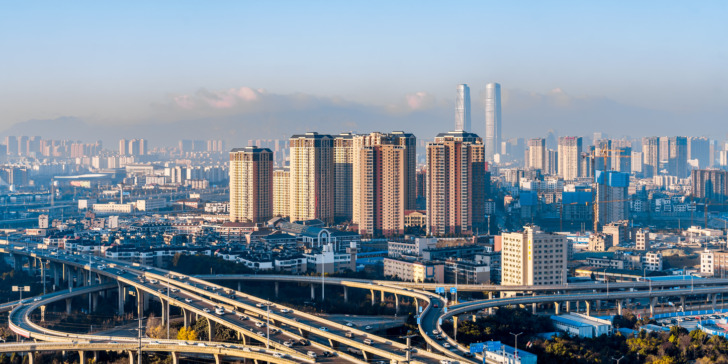
Kunming is the capital of Yunnan Province and one of the most important cities in southwestern China.
Known as the “Spring City” because of its relatively mild climate, Kunming sits on a high plateau and serves as the main gateway to destinations such as the Stone Forest, Dali, Lijiang, and Shangri-La.
The city itself offers parks, temples, markets, museums, mountain scenery, and the enormous Dianchi Lake.
From a safety perspective, Kunming is generally a low-risk destination for travelers.
Serious violent crime involving foreign visitors is uncommon, public transportation is extensive, and the main sightseeing and commercial districts are generally comfortable to explore day and night.
Petty theft, tourist scams, traffic accidents, altitude-related discomfort, intense ultraviolet exposure, heavy seasonal rain, and earthquakes are more realistic concerns.
Travelers should also remember that Chinese laws and enforcement practices can differ substantially from those in Western countries.
With ordinary precautions, Kunming is a safe and manageable destination for families, couples, solo travelers, and visitors beginning a longer trip through Yunnan.
Warnings & Dangers in Kunming

OVERALL RISK: LOW
Kunming is generally a low-risk city for tourists. Violent crime involving visitors is uncommon, and central areas have extensive public transportation, businesses, hotels, and pedestrian activity. Pickpocketing and scams are more realistic concerns than serious street violence. Travelers should also respect Chinese laws, carry identification when necessary, and avoid sensitive political activity.

TRANSPORT & TAXIS RISK: LOW
Kunming has an extensive metro system, buses, licensed taxis, ride-hailing services, and major railway connections. The metro is one of the easiest and safest ways to move around the city. Travelers should take more care around road traffic, particularly electric scooters and motorcycles, which can approach quietly and sometimes use spaces pedestrians do not expect. Use licensed taxis or established ride-hailing platforms rather than accepting transportation from unknown drivers around railway stations or tourist attractions.

PICKPOCKETS RISK: LOW
Pickpocketing can occur in Kunming, especially in crowded transportation hubs, markets, shopping streets, metro stations, and major attractions. Kunming Railway Station, Kunming South Railway Station, busy commercial districts, and crowded tourist sites deserve additional awareness. Keep phones and wallets in secure pockets and avoid leaving luggage unattended while buying tickets or food.

NATURAL DISASTERS RISK: MEDIUM
Yunnan is an earthquake-prone province, and earthquakes are one of the most important natural hazards travelers should understand. Heavy rainfall during the summer can also cause localized flooding, landslides, and transportation disruptions, particularly once travelers leave Kunming for mountainous areas elsewhere in Yunnan. Kunming's elevation of roughly 1,900 meters also means stronger ultraviolet exposure than many visitors expect.

MUGGING RISK: LOW
Muggings and violent street robberies are uncommon in Kunming. Central areas generally remain active into the evening, and visitors can normally walk around restaurants, shopping districts, and major attractions without significant concern. Normal precautions still apply. Avoid isolated parks or poorly illuminated streets late at night and do not unnecessarily display large amounts of cash or expensive valuables.

TERRORISM RISK: LOW
Kunming has a low current terrorism risk for ordinary travelers. The city experienced a serious attack at Kunming Railway Station in 2014, but this was an exceptional event rather than an indication of an ongoing pattern of attacks against tourists. Security at railway stations, airports, and other transportation facilities is extensive. Cooperate with security screenings and follow instructions from local authorities.

SCAMS RISK: LOW
Tourist scams can occur, particularly around popular sightseeing and commercial areas. Be cautious when strangers unexpectedly invite you to tea houses, private restaurants, art exhibitions, or entertainment venues where visitors can later be presented with extremely high bills. Confirm prices before agreeing to tours or services and use established transportation and booking methods.

WOMEN TRAVELERS RISK: LOW
Kunming is generally considered comfortable for women traveling alone. The city's metro, shopping districts, parks, and central streets are heavily used throughout the day and evening. Solo female travelers should still follow normal precautions, including keeping control of their drinks, avoiding isolated areas very late at night, and using established transportation when traveling long distances after dark.

TAP WATER RISK: MEDIUM
Visitors should generally avoid drinking untreated tap water directly in Kunming. Tap water is treated, but locals commonly boil water before drinking it. Bottled water is inexpensive and widely available, while hotels usually provide bottled water, filtered water, or electric kettles. Tap water is normally suitable for washing and showering.
Safest Places to Visit in Kunming
Green Lake Park
Green Lake Park, or Cuihu Park, is one of Kunming’s most pleasant central attractions.
The park is surrounded by restaurants, universities, shops, and busy city streets, and large numbers of residents use it for walking, dancing, exercise, and socializing.
Daytime and evening visits are generally comfortable, although crowded periods require normal attention to phones and wallets.
Nanping Street
Nanping Street is one of Kunming’s main pedestrian and commercial areas.
Shopping centers, restaurants, cafes, stores, and evening activities make this one of the easiest areas for visitors to explore independently.
The area can become crowded, so keep valuables secured, particularly during weekends and holidays.
Yuantong Temple
Yuantong Temple is one of Kunming’s most important Buddhist temples and one of the city’s best-known historic attractions.
The surrounding central location makes it relatively straightforward to visit using public transportation.
Dress respectfully, avoid disturbing worshippers, and follow restrictions regarding photography inside religious buildings.
Dianchi Lake and Haigeng Park
Dianchi Lake is one of Kunming’s defining geographical features, and Haigeng Park provides one of the easiest places to experience the lakeshore.
The area is particularly popular when migratory gulls arrive during the cooler months.
The main risks involve weather, sun exposure, crowded conditions, and water safety rather than crime.
Swimming in Dianchi Lake is generally not recommended.
Western Hills
The Western Hills overlook Dianchi Lake and provide hiking trails, temples, viewpoints, and access to the Dragon Gate area.
Established tourist routes are generally safe, but visitors should wear suitable footwear and bring water.
Some paths contain steep stairs and exposed sections, so take additional care during rain or fog.
Places to Avoid in Kunming
Unlicensed Taxis
Avoid drivers who aggressively approach travelers outside railway stations, airports, or major tourist attractions.
Use licensed taxis, the metro, or established ride-hailing services instead.
Unofficial transportation can result in inflated prices, unnecessary detours, or payment disputes.
Deserted Parks Late at Night
Kunming is generally safe after dark, but isolated sections of parks, lakeshores, or quiet streets provide little benefit to visitors late at night.
Stick to populated commercial streets and established entertainment districts when exploring after businesses begin closing.
Sensitive Government or Military Locations
Avoid entering restricted areas or photographing military installations, security facilities, government compounds, checkpoints, or other sensitive infrastructure.
Chinese authorities may enforce restrictions around these locations more strictly than foreign visitors expect.
Pay attention to warning signs and instructions from security personnel.
Mountain Roads During Heavy Rain
Heavy rainfall can make roads throughout Yunnan considerably more dangerous.
Landslides, rockfalls, flooding, fog, and damaged roads are more likely during the rainy season, particularly outside Kunming.
Check conditions before taking long road journeys into mountainous areas.
Remote Trails Without Preparation
Kunming is surrounded by mountains and countryside, but travelers should not assume every rural trail is suitable for casual hiking.
Mobile reception can become unreliable, weather can change quickly, and navigation may be difficult.
Use established routes and tell someone where you are going before undertaking longer hikes.
Safety Tips for Traveling to Kunming
- Protect Yourself From Strong UV Exposure. Kunming’s mild temperatures can hide how powerful the sun is at roughly 1,900 meters above sea level. Use sunscreen, sunglasses, and appropriate clothing even when the weather feels cool.
- Give Yourself Time to Adjust to the Elevation. Most visitors experience no major problems in Kunming, but some may notice mild headaches, fatigue, or shortness of breath during their first day. Hydrate and avoid unusually strenuous activity immediately after arriving.
- Look Carefully for Electric Scooters. Electric motorcycles and scooters can be extremely quiet. Check both directions before stepping into roads, bicycle lanes, or driveways, even when pedestrian signals appear favorable.
- Use the Metro Whenever Practical. Kunming’s metro provides a convenient and generally safe way to reach many parts of the city. It also eliminates problems involving language barriers, traffic, or disagreements over taxi fares.
- Be Cautious With Invitations From Strangers. Unexpected invitations to tea houses, art exhibitions, bars, or restaurants can occasionally be associated with inflated-bill scams. If you decide to socialize with someone you just met, choose the location yourself.
- Prepare for Sudden Rain. Kunming’s rainy season can bring intense downpours. Carry lightweight rain protection and expect transportation delays during particularly heavy storms.
- Secure Your Belongings in Crowds. Kunming is not a major pickpocketing hotspot, but crowded markets, metro stations, railway terminals, and tourist attractions provide opportunities for petty theft.
- Respect Local Laws. Avoid political demonstrations, illegal drugs, restricted photography, and confrontations with authorities. Laws and enforcement procedures in China may differ significantly from those in your home country.
- Download Essential Information Before Traveling. Some international websites and online services do not function normally in mainland China. Have hotel addresses, transportation information, maps, translations, and important contact details available before you need them.
- Learn Emergency Numbers. Police can be reached at 110, ambulance services at 120, and firefighters at 119. Saving these numbers before your trip can make obtaining assistance easier during an emergency.
So... How Safe Is Kunming Really?
Kunming is generally a safe city for international travelers and has fewer everyday personal-security concerns than many large cities around the world.
Serious violent crime targeting tourists is uncommon.
Central neighborhoods, parks, shopping districts, restaurants, and transportation systems remain busy throughout much of the day and evening.
Petty crime deserves some attention, particularly at railway stations, markets, crowded metro platforms, and major attractions.
Keeping your wallet and phone secure is normally enough to manage this risk.
Environmental conditions are more important than many travelers expect.
Kunming sits at approximately 1,900 meters above sea level.
The altitude is not extreme, but visitors arriving directly from sea level may notice mild symptoms, while ultraviolet radiation can be surprisingly strong even when temperatures are comfortable.
Yunnan is also an earthquake-prone and mountainous province.
Heavy summer rainfall can trigger landslides, flooding, and road closures, especially when travelers continue from Kunming into more remote parts of the province.
Traffic requires attention as well.
Electric scooters are numerous and quiet, and pedestrians should never assume that a vehicle will stop simply because they have priority.
Another consideration is China’s legal environment.
Visitors should respect local laws, avoid demonstrations and politically sensitive activity, and refrain from photographing military or security facilities.
Kunming itself remains a low-risk destination for ordinary tourism.
Use established transportation, protect your belongings, respect local laws, prepare for the altitude and strong sun, and take additional care when traveling into Yunnan’s mountains.
How Does Kunming Compare?
| City | Safety Index |
|---|---|
| Kunming |
74 |
| Guangzhou |
64 |
| Xiamen |
82 |
| Lhasa |
72 |
| Xian |
73 |
| Qingdao |
80 |
| Changsha |
73 |
 Telluride Telluride | 87 |
| Crown Point | 91 |
 Iasi Iasi | 73 |
 Exeter Exeter | 77 |
| Kannapolis | 82 |
 Rotorua Rotorua | 82 |
Useful Information

Visas
China's entry requirements depend on nationality, passport, length of stay, and itinerary. Some nationalities currently qualify for visa-free entry or specific transit arrangements, while others require a visa before traveling. Check the rules applying to your passport shortly before departure because China's visa policies have changed frequently in recent years.

Currency
China uses the renminbi, with the yuan abbreviated as CNY or RMB. Mobile payments are extremely common in Kunming, and many everyday transactions are completed through smartphone payment platforms. International visitors can often connect eligible foreign cards to major Chinese payment services. Carrying some cash remains useful as a backup.

Weather
Kunming has a mild highland climate and is often called the "Spring City." Winters are generally dry and relatively mild during the day, while summers are warmer and much wetter. The rainy season typically brings the heaviest rainfall between May and October. Temperatures can change noticeably between daytime and nighttime because of the city's elevation.

Airports
Kunming Changshui International Airport is the main airport serving the city and one of southwestern China's major aviation hubs. It is located northeast of central Kunming and is connected to the city by metro, taxis, and other transportation services. Kunming also has extensive high-speed rail connections with destinations throughout Yunnan and the rest of China.

Travel Insurance
Travel insurance is worth considering for Kunming, particularly if you plan to continue into mountainous or remote parts of Yunnan. Coverage for emergency medical treatment, cancellations, lost baggage, transportation disruptions, and evacuation can be useful. Travelers planning hiking, cycling, climbing, or higher-altitude trips should confirm that their intended activities are covered.
Kunming Weather Averages (Temperatures)
Average High/Low Temperature
| Temperature / Month | Jan | Feb | Mar | Apr | May | Jun | Jul | Aug | Sep | Oct | Nov | Dec |
|---|---|---|---|---|---|---|---|---|---|---|---|---|
| High °C |
14 | 17 | 21 | 24 | 24 | 23 | 23 | 23 | 22 | 20 | 17 | 15 |
| Low °C |
3 | 5 | 8 | 12 | 14 | 16 | 16 | 16 | 14 | 12 | 7 | 3 |
| High °F |
57 | 63 | 70 | 75 | 75 | 73 | 73 | 73 | 72 | 68 | 63 | 59 |
| Low °F |
37 | 41 | 46 | 54 | 57 | 61 | 61 | 61 | 57 | 54 | 45 | 37 |
China - Safety by City
| City | Safety Index |
|---|---|
| Beijing | 75 |
| Changsha | 73 |
| Chengdu | 74 |
| Chongqing | 72 |
| Dalian | 79 |
| Guangxi Guilin | 76 |
| Guangzhou | 64 |
| Hangzhou | 78 |
| Hong Kong | 75 |
| Kunming | 74 |
| Lhasa | 72 |
| Macau | 85 |
| Nanjing | 78 |
| Qingdao | 80 |
| Shanghai | 70 |
| Shenzhen | 64 |
| Suzhou | 79 |
| Tianjin | 67 |
| Tibet | 87 |
| Wuhan | 71 |
| Xiamen | 82 |
| Xian | 73 |
| Xinjiang | 80 |
| Yangshuo | 77 |