 Chile : Safety by City
- Iquique
- La Serena
- Pucon
- Puerto Natales
- Puerto Varas
- Punta Arenas
- San Pedro de Atacama
- Santiago de Chile
- Temuco
- Valdivia
- Viña del Mar
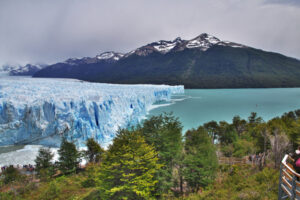
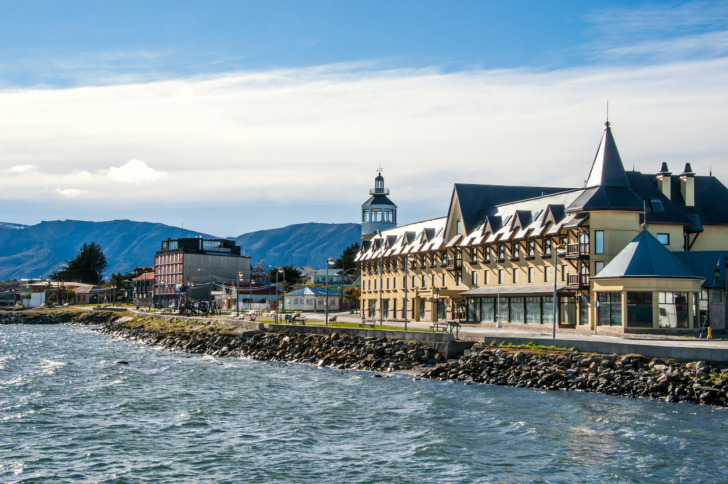
Puerto Natales is a small city in Chilean Patagonia and the main gateway to Torres del Paine National Park.
Surrounded by mountains, fjords, glaciers, and windswept plains, it attracts hikers and outdoor travelers from around the world.
Puerto Natales itself is generally very safe, with relatively low levels of violent crime and a relaxed atmosphere.
For most visitors, Patagonia’s environment presents a greater danger than crime.
Powerful winds, rapidly changing weather, cold temperatures, remote hiking trails, difficult driving conditions, and limited communication inside Torres del Paine can all create problems for travelers who are unprepared.
Warnings & Dangers in Puerto Natales

OVERALL RISK: LOW
Puerto Natales is generally a safe destination for tourists. Violent crime involving visitors is uncommon, and the compact city center is comfortable to explore during both the day and evening. Petty theft is possible, but weather, hiking accidents, and remote travel are usually more important safety concerns.

TRANSPORT & TAXIS RISK: MEDIUM
Transportation within Puerto Natales is generally safe, but driving through Patagonia requires additional caution. Strong winds, gravel roads, wildlife, changing weather, and long distances between services can make driving more difficult than expected. Trips toward Torres del Paine should be planned carefully, particularly during winter or poor weather.

PICKPOCKETS RISK: LOW
Pickpocketing is not a major problem in Puerto Natales. Visitors should still keep passports, wallets, phones, cameras, and hiking equipment secure around the bus terminal, restaurants, accommodations, and other busy tourist areas. Never leave valuable equipment unattended.

NATURAL DISASTERS RISK: MEDIUM
Weather is one of the biggest safety concerns around Puerto Natales. Patagonia is famous for powerful winds and rapidly changing conditions. Heavy rain, snow, ice, freezing temperatures, and sudden storms are possible. Conditions in Torres del Paine can change dramatically within a short period.

MUGGING RISK: LOW
Weather is one of the biggest safety concerns around Puerto Natales. Patagonia is famous for powerful winds and rapidly changing conditions. Heavy rain, snow, ice, freezing temperatures, and sudden storms are possible. Conditions in Torres del Paine can change dramatically within a short period.

TERRORISM RISK: LOW
Puerto Natales does not face a significant specific terrorism threat. It is a small tourism-oriented city far from Chile's largest population centers. Normal awareness around public gatherings is sufficient.

SCAMS RISK: LOW
Tourist scams are relatively uncommon. Most tourism businesses depend heavily on their reputation with international travelers. Still, confirm prices, cancellation policies, park transportation, equipment rentals, and exactly what is included before paying for tours.

WOMEN TRAVELERS RISK: LOW
Puerto Natales is generally comfortable for women traveling alone. Solo female travelers commonly use the city as a base for hiking Torres del Paine. Normal precautions regarding nightlife, drinks, accommodation, transportation, and isolated streets after dark should still be followed.

TAP WATER RISK: LOW
Tap water in Puerto Natales is generally safe to drink. Many travelers refill reusable bottles rather than purchasing bottled water. Visitors with particularly sensitive stomachs can use filtered or bottled water if they prefer.
Safest Places to Visit in Puerto Natales
Puerto Natales City Center
The center of Puerto Natales is compact, walkable, and generally very safe.
Hotels, restaurants, outdoor equipment shops, supermarkets, cafes, tour agencies, and transportation services are concentrated within a relatively small area.
Visitors can usually explore comfortably on foot.
Puerto Natales Waterfront
The waterfront offers excellent views across the Última Esperanza Sound and surrounding mountains.
It is popular for walking and photography and is generally safe during daylight and early evening.
The main concern is strong wind, particularly close to exposed sections of the water.
Mylodon Cave Natural Monument
The Mylodon Cave is one of the most popular attractions near Puerto Natales.
Established trails and visitor infrastructure make it relatively straightforward to explore.
Wear appropriate footwear because surfaces can become slippery during wet or icy weather.
Torres del Paine National Park
Torres del Paine is the main reason many travelers visit Puerto Natales.
The park is generally safe for properly prepared visitors, but its wilderness environment requires respect.
Weather changes rapidly, trails can become icy or snow-covered, and some areas have little or no mobile phone coverage.
Places to Avoid in Puerto Natales
Remote Hiking Trails During Severe Weather
Do not continue hiking simply because you have already traveled a long distance to reach Patagonia.
High winds, snow, heavy rain, and poor visibility can quickly make trails dangerous.
Follow park ranger instructions and respect trail closures.
Isolated Roads After Dark
Driving through Patagonia at night introduces additional risks.
Wildlife, livestock, gravel surfaces, poor visibility, ice, and strong winds can make remote roads significantly harder to navigate.
Daylight driving is preferable whenever possible.
Closed Trails in Torres del Paine
Never ignore a trail closure or barrier.
Trails may close because of snow, ice, flooding, wind, fire danger, or other hazards.
Conditions farther along the route may be much worse than they appear at the entrance.
Remote Areas Without Proper Equipment
Do not attempt long hikes wearing ordinary sneakers or without weather protection.
Waterproof clothing, proper footwear, layers, food, water, and navigation equipment can be essential in Patagonia.
Exposed Areas During Extreme Winds
Patagonian wind can be powerful enough to knock people off balance.
Use extra caution near cliffs, viewpoints, bridges, shorelines, and exposed mountain sections when winds become severe.
Safety Tips for Traveling to Puerto Natales
- Prepare for Four Seasons in One Day. Patagonian weather can change extremely quickly. Carry waterproof and windproof clothing even when the morning forecast looks good.
- Check Trail Conditions Before Hiking. Ask park staff or check current conditions before starting major hikes. Snow, ice, flooding, and strong winds can lead to sudden trail restrictions or closures.
- Dress in Layers. Temperatures can change dramatically throughout the day. Layering makes it easier to adjust as conditions shift between sun, wind, rain, and cold.
- Take the Wind Seriously. Strong Patagonia winds are not merely uncomfortable. They can affect walking, cycling, driving, and hiking on exposed terrain. Stay away from dangerous edges during severe wind.
- Carry Enough Food and Water. Remote trails may have few places to buy supplies. Carry enough food and water for your planned route plus a reasonable emergency reserve.
- Do Not Depend on Cell Service. Some parts of Torres del Paine have no reliable telephone or internet coverage. Download maps and important information before entering remote sections of the park.
- Wear Proper Hiking Footwear. Trails can be rocky, muddy, snowy, or icy. Good hiking footwear provides substantially better traction and ankle support than ordinary sneakers.
- Follow Trail Closing Times. Park trails have established closing times designed to prevent hikers from becoming stranded after dark. Start major hikes early enough to complete them comfortably within permitted hours.
- Drive Carefully on Gravel Roads. Reduce your speed and leave additional stopping distance. Loose gravel, wind, wildlife, and sudden curves can make rural roads unpredictable.
- Respect Cold Water and Rivers. Glacial rivers and lakes can be extremely cold. After heavy rain or snowmelt, water levels and currents can rise quickly. Never attempt a dangerous river crossing simply to continue a hike.
So... How Safe Is Puerto Natales Really?
Puerto Natales is generally a very safe destination for travelers.
The city itself has a relaxed atmosphere, a strong tourism industry, and relatively little serious crime.
Visitors commonly walk between restaurants, hotels, equipment shops, supermarkets, and the waterfront without encountering problems.
Petty theft can happen, particularly when expensive hiking equipment, cameras, phones, or luggage are left unattended, but crime is not usually the biggest safety concern.
The real challenge begins when travelers leave town.
Torres del Paine and the surrounding Patagonian wilderness contain some of South America’s most spectacular scenery, but conditions can be demanding.
Strong winds, freezing temperatures, rain, snow, ice, and rapidly changing weather are normal possibilities rather than exceptional events.
Hikers should also remember that some parts of Torres del Paine have no mobile phone or internet coverage.
On longer routes, visitors can remain disconnected for extended periods.
Trail conditions vary significantly by season.
Winter conditions can require trekking poles, microspikes, or additional restrictions, while individual trails and circuits may close because of snow or other hazards.
Road travel deserves similar preparation.
Distances are long, fuel and services become less frequent outside populated areas, and gravel roads require slower driving.
Puerto Natales itself is therefore a low-risk destination, but the surrounding wilderness should never be underestimated.
Travelers who monitor the weather, use appropriate equipment, respect closures, and prepare properly for remote conditions should find Puerto Natales and Torres del Paine both safe and highly manageable.
How Does Puerto Natales Compare?
| City | Safety Index |
|---|---|
| Puerto Natales |
83 |
| Pucon |
80 |
| Puerto Varas |
82 |
| San Pedro de Atacama |
76 |
| Valdivia |
79 |
| Iquique |
42 |
| Punta Arenas |
77 |
 Evora Evora | 84 |
 Sarasota Sarasota | 83 |
 Busan Busan | 87 |
| Bell Buckle | 79 |
| Great Falls | 72 |
| West Orange | 72 |
Useful Information

Visas
Chile's entry requirements depend on nationality. Many visitors can enter for tourism without obtaining a traditional visa beforehand, while others need prior authorization. Travelers should check the requirements applicable to their passport before departure.

Currency
Chile uses the Chilean peso. Credit and debit cards are widely accepted in Puerto Natales at hotels, restaurants, supermarkets, tour agencies, and outdoor shops. Carrying some cash is still useful, particularly for smaller businesses and unexpected expenses while traveling outside town.

Weather
Puerto Natales has a cool, windy Patagonian climate. Summer from roughly December through February generally provides the mildest conditions and longest daylight hours, but wind and rain remain possible. Winter brings shorter days, colder temperatures, snow, ice, and more significant restrictions on some hiking routes. Conditions can change rapidly throughout the year.

Airports
Teniente Julio Gallardo Airport serves Puerto Natales and receives seasonal flights, including connections with Santiago during periods of higher demand. Another major option is Presidente Carlos Ibáñez del Campo International Airport in Punta Arenas. Travelers arriving in Punta Arenas can continue to Puerto Natales by road, with the cities separated by roughly 250 kilometers.

Travel Insurance
Travel insurance is strongly recommended for Puerto Natales, especially for visitors planning to hike in Torres del Paine. Choose coverage that includes hiking, emergency medical treatment, trip interruption, evacuation, and outdoor activities at the elevations you plan to reach. Weather-related disruptions are possible in Patagonia, so coverage for delays and cancellations can also be valuable.
Puerto Natales Weather Averages (Temperatures)
Average High/Low Temperature
| Temperature / Month | Jan | Feb | Mar | Apr | May | Jun | Jul | Aug | Sep | Oct | Nov | Dec |
|---|---|---|---|---|---|---|---|---|---|---|---|---|
| High °C |
16 | 16 | 13 | 11 | 8 | 5 | 5 | 6 | 8 | 10 | 13 | 15 |
| Low °C |
7 | 3 | 2 | -1 | -1 | -1 | -1 | -1 | 2 | 3 | 5 | 6 |
| High °F |
61 | 61 | 55 | 52 | 46 | 41 | 41 | 43 | 46 | 50 | 55 | 59 |
| Low °F |
45 | 37 | 36 | 30 | 30 | 30 | 30 | 30 | 36 | 37 | 41 | 43 |
Chile - Safety by City
| City | Safety Index |
|---|---|
| Iquique | 42 |
| La Serena | 76 |
| Pucon | 80 |
| Puerto Natales | 83 |
| Puerto Varas | 82 |
| Punta Arenas | 77 |
| San Pedro de Atacama | 76 |
| Santiago de Chile | 71 |
| Temuco | 31 |
| Valdivia | 79 |
| Viña del Mar | 72 |