 Chile : Safety by City
- Iquique
- La Serena
- Pucon
- Puerto Natales
- Puerto Varas
- Punta Arenas
- San Pedro de Atacama
- Santiago de Chile
- Temuco
- Valdivia
- Viña del Mar
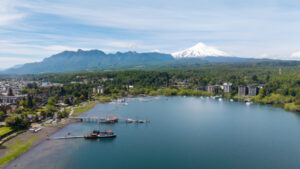
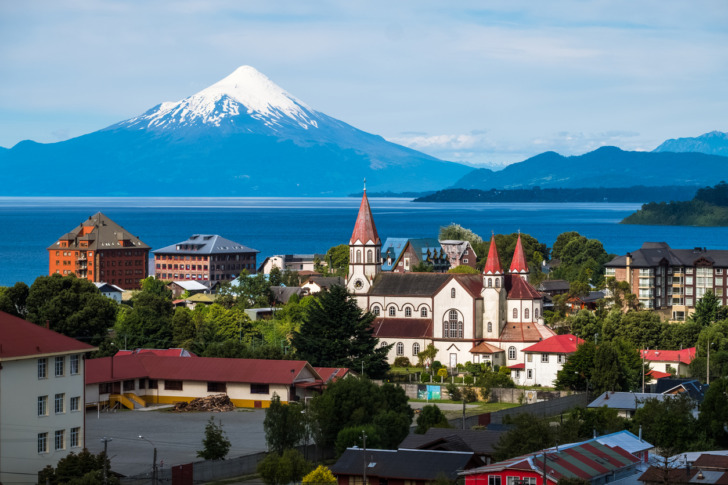
Puerto Varas is one of southern Chile’s most popular destinations, sitting on the shore of Lake Llanquihue with spectacular views of the Osorno and Calbuco volcanoes.
The city is known for its German-influenced architecture, restaurants, waterfront, outdoor activities, and easy access to Vicente Pérez Rosales National Park, Petrohué Falls, Lake Todos los Santos, and the surrounding volcanoes.
From a safety perspective, Puerto Varas is generally a comfortable destination for travelers.
Serious crime involving tourists is relatively uncommon, particularly compared with Chile’s largest cities.
Petty theft, vehicle break-ins, road accidents, and occasional opportunistic crime are more realistic concerns.
Nature creates some of the more important risks.
Southern Chile is earthquake country, both Osorno and Calbuco are active volcanoes, mountain weather can change rapidly, and Lake Llanquihue remains extremely cold even when conditions on shore feel pleasant.
With ordinary precautions, Puerto Varas is a low-risk destination that works well for families, couples, solo travelers, and visitors exploring Chilean Patagonia.
Warnings & Dangers in Puerto Varas

OVERALL RISK: LOW
Puerto Varas is generally a low-risk destination. The central area, waterfront, restaurants, hotels, and major attractions are comfortable to explore during the day. Petty theft and vehicle break-ins are more realistic concerns than serious violence. Avoid leaving valuables inside rental cars, use normal awareness after dark, and take weather conditions seriously when traveling into the mountains.

TRANSPORT & TAXIS RISK: MEDIUM
Taxis, rental cars, buses, and organized tours are generally safe. The greater concern is driving outside the city. Rain, fog, snow, ice, steep mountain roads, sharp curves, and changing weather can make routes toward Volcán Osorno and national parks considerably more difficult. During colder weather, chains may be required on the road climbing Volcán Osorno. Check conditions before leaving Puerto Varas and do not assume that conditions in town reflect conditions higher in the mountains.

PICKPOCKETS RISK: MEDIUM
Pickpocketing can occur but is not normally a major problem in Puerto Varas. Busy waterfront areas, markets, bus terminals, festivals, restaurants, and crowded tourist attractions provide the greatest opportunities for opportunistic theft. Keep phones, wallets, and bags secure and avoid leaving belongings unattended while taking photographs or eating at outdoor restaurants.

NATURAL DISASTERS RISK: LOW
Natural hazards deserve considerably more attention in Puerto Varas than in many destinations. Chile experiences earthquakes, and the Los Lagos Region contains active volcanoes. Calbuco produced a major eruption in 2015, while Osorno is also considered active. Volcanic ash, road closures, evacuations, earthquakes, heavy rain, landslides, and winter snow can all disrupt travel. Learn basic earthquake procedures and follow local instructions if volcanic activity increases.

MUGGING RISK: LOW
Muggings are relatively uncommon in Puerto Varas, particularly in the main tourist areas. The risk increases somewhat late at night on quiet streets or isolated sections of the waterfront. Avoid displaying large amounts of cash or expensive jewelry and use a taxi or rideshare service if you are returning to accommodation far from the center late at night.

TERRORISM RISK: LOW
Puerto Varas has a low terrorism risk. Visitors are far more likely to encounter weather, road, or petty crime problems than terrorism. As elsewhere in Chile, avoid becoming involved in political demonstrations or confrontations if they occur.

SCAMS RISK: LOW
Tourist scams are not a major problem in Puerto Varas. Visitors should still confirm prices before booking tours, private transportation, boat trips, or outdoor activities. Use established companies for volcano trips, rafting, trekking, kayaking, and excursions into national parks, particularly when weather or specialized equipment could affect safety.

WOMEN TRAVELERS RISK: LOW
Puerto Varas is generally a comfortable destination for women traveling alone. Solo female travelers should use normal precautions, especially late at night. Stick to populated streets, keep control of drinks in bars, and arrange transportation rather than walking alone through isolated areas. Daytime sightseeing and established outdoor excursions present relatively few additional concerns.

TAP WATER RISK: LOW
Tap water in Puerto Varas is generally safe to drink. Visitors accustomed to different mineral content may notice a difference in taste, but bottled water is not normally necessary for health reasons. If authorities issue a temporary advisory following an earthquake, volcanic eruption, flooding, or infrastructure problem, follow local instructions until normal service is restored.
Safest Places to Visit in Puerto Varas
Downtown Puerto Varas
Central Puerto Varas is one of the easiest areas for visitors to explore.
Restaurants, hotels, stores, cafes, tour operators, banks, and other services are concentrated within a relatively compact area.
Streets remain active through much of the day and evening.
Normal precautions with phones, wallets, and bags are usually sufficient.
Lake Llanquihue Waterfront
Puerto Varas’ waterfront is one of the city’s main attractions, offering views across Lake Llanquihue toward Volcán Osorno.
Walking along the waterfront during daylight and early evening is generally comfortable.
The primary risks are slippery surfaces during rain and the temptation to underestimate the lake’s cold water.
Avoid entering the water in unsuitable weather or swimming far from shore without understanding local conditions.
Cerro Philippi
Cerro Philippi provides trails and viewpoints close to central Puerto Varas.
It is a convenient place for walking and seeing the surrounding city, lake, and volcanoes without traveling far into the countryside.
Visit during official opening hours, wear suitable footwear, and avoid isolated trails after dark.
Vicente Pérez Rosales National Park
Vicente Pérez Rosales National Park is one of the region’s major attractions and includes forests, mountains, rivers, volcanic landscapes, and access to Petrohué Falls and Lake Todos los Santos.
Established visitor areas are generally safe, but weather can change quickly.
Stay on marked trails, follow park instructions, and check road and trail conditions before leaving Puerto Varas.
Petrohué and Lake Todos los Santos
Petrohué is one of the most popular day trips from Puerto Varas.
The waterfalls and nearby Lake Todos los Santos provide some of the most dramatic scenery in southern Chile.
The main risks involve wet surfaces, changing weather, water activities, and driving rather than crime.
Use marked paths and keep away from dangerous river edges.
Places to Avoid in Puerto Varas
Isolated Waterfront Areas Late at Night
The waterfront is pleasant during the day, but quieter sections can become almost empty late at night.
There is little reason for visitors to walk alone through isolated lakeside areas after businesses close.
Use populated streets or arrange transportation back to your accommodation instead.
Mountain Roads During Severe Weather
Roads toward Volcán Osorno can become significantly more difficult when snow, ice, fog, or heavy rain develops.
The mountain road contains steep sections and tight curves.
During winter conditions, tire chains may be required.
Do not attempt the drive simply because the road appeared manageable when you left Puerto Varas.
Remote Trails Without Preparation
The forests and mountains surrounding Puerto Varas are excellent for hiking, but travelers should not wander onto unfamiliar trails without understanding the route.
Weather changes rapidly, mobile phone reception can disappear, and daylight hours are limited during winter.
Use marked trails and carry appropriate clothing, water, food, and navigation equipment.
Volcanic Restricted Zones
If authorities establish exclusion areas around Osorno, Calbuco, or another volcanic site, respect them completely.
Do not cross barriers or attempt to approach a volcano during elevated activity simply to obtain photographs.
Volcanic hazards can include ash, falling material, gases, mudflows, and sudden road closures.
Lake and River Areas During Bad Weather
Avoid unnecessary swimming, kayaking, rafting, or boating when weather conditions deteriorate.
Water temperatures in southern Chile can be dangerously cold, and strong wind can quickly make conditions more difficult.
Use established operators for adventure activities rather than attempting unfamiliar routes independently.
Safety Tips for Traveling to Puerto Varas
- Do Not Leave Valuables Inside Your Rental Car. Vehicle break-ins are a more realistic concern than violent crime. Take phones, cameras, passports, luggage, and electronics with you rather than leaving them visible inside a parked vehicle.
- Check Mountain Road Conditions Before Driving. Weather around Volcán Osorno can be completely different from conditions in downtown Puerto Varas. Check road status before leaving and carry chains when required.
- Prepare for Rain Even in Summer. Southern Chile’s weather is famously changeable. Carry a waterproof layer and dress in layers when spending the day outside, particularly around volcanoes and national parks.
- Learn Basic Earthquake Safety. Earthquakes are part of life in Chile. Know your accommodation’s evacuation routes and remember that elevators should not be used during a significant earthquake.
- Take Volcanic Warnings Seriously. Both Osorno and Calbuco are active volcanoes. Follow official evacuation zones, road closures, and park restrictions rather than relying on what conditions appear to look like from a distance.
- Respect Cold Water. Lake Llanquihue may look calm and inviting, but water temperatures can be very cold. Cold-water shock can affect even strong swimmers. Use appropriate equipment for boating and watersports.
- Use Reputable Adventure Operators. Rafting, kayaking, trekking, skiing, mountaineering, and volcano excursions require more planning than ordinary sightseeing. Choose established companies with appropriate safety equipment and experienced guides.
- Keep Belongings Secure in Crowded Areas. Puerto Varas is not a pickpocketing hotspot, but crowded festivals, markets, restaurants, and transportation areas still create opportunities for theft.
- Allow Extra Time for Driving. Routes around Lake Llanquihue are scenic but can include rain, fog, cyclists, curves, and slow traffic. Avoid rushing between attractions and reduce your speed when visibility deteriorates.
- Save Chile’s Emergency Numbers. Police can be reached at 133, ambulance services at 131, and firefighters at 132. Having these numbers saved before an emergency makes getting assistance considerably easier.
So... How Safe Is Puerto Varas Really?
Puerto Varas is one of the safer and easier destinations for travelers exploring southern Chile.
The city center feels relaxed, tourism infrastructure is well developed, and serious crime involving visitors is uncommon.
Most tourists will spend their trip walking along Lake Llanquihue, eating in local restaurants, visiting nearby national parks, and taking excursions without encountering significant security problems.
Petty theft still deserves attention.
Phones, backpacks, rental cars, and unattended belongings should not be treated carelessly simply because the city feels safe.
For many visitors, however, nature presents a greater practical risk than crime.
Puerto Varas sits in an earthquake-prone region surrounded by volcanoes.
Calbuco’s major 2015 eruption demonstrated that volcanic activity is not merely theoretical, while Osorno remains one of the defining features of the landscape.
Mountain weather can also change rapidly.
A sunny morning beside Lake Llanquihue does not guarantee clear conditions on Volcán Osorno.
Snow, wind, fog, rain, and ice can affect roads and outdoor activities with relatively little warning.
Water safety deserves similar respect.
Lakes and rivers in the region can be extremely cold, while strong currents around places such as Petrohué should never be underestimated.
These risks are generally manageable because Chile has well-developed emergency systems, established national parks, organized tourism services, and extensive experience dealing with earthquakes and volcanic activity.
For most travelers, Puerto Varas is a low-risk destination.
Secure your belongings, drive cautiously, prepare for rapidly changing weather, respect the water and mountains, and follow local instructions during earthquakes or volcanic alerts.
How Does Puerto Varas Compare?
| City | Safety Index |
|---|---|
| Puerto Varas |
82 |
| Temuco |
31 |
| Santiago de Chile |
71 |
| Puerto Natales |
83 |
| Punta Arenas |
77 |
| San Pedro de Atacama |
76 |
| Valdivia |
79 |
 Nazareth Nazareth | 58 |
 Sedona Sedona | 83 |
 Kratie Kratie | 71 |
 Pietermaritzburg Pietermaritzburg | 43 |
| Lawrenceville | 85 |
| Dalton | 91 |
Useful Information

Visas
Chile's entry requirements depend on nationality. Citizens of many countries can visit for tourism without obtaining a traditional visa in advance, while others need prior authorization. Travelers should make sure their passport and any required entry documents remain valid for the entire trip.

Currency
Chile uses the Chilean peso, abbreviated CLP. Credit and debit cards are widely accepted throughout Puerto Varas, including hotels, restaurants, supermarkets, tour companies, and larger stores. Carrying some cash remains useful for small businesses, markets, rural stops, tolls, and places where card terminals temporarily lose connectivity.

Weather
Puerto Varas has a cool, rainy climate heavily influenced by its location in southern Chile. Summers are generally mild rather than extremely hot, while winters are cool, wet, and sometimes stormy. Rain can occur at any time of year. Mountain conditions are considerably colder, and snow may affect access to Volcán Osorno during winter.

Airports
El Tepual International Airport near Puerto Montt is the main airport serving Puerto Varas. It is approximately 22 kilometers from the city, and the drive usually takes around 30 minutes depending on traffic and weather. Rental cars, buses, private transfers, and taxis are available for the journey between the airport and Puerto Varas.

Travel Insurance
Travel insurance is worth considering, particularly for visitors planning hiking, skiing, rafting, kayaking, mountaineering, or other adventure activities. Coverage for emergency medical treatment, evacuation, rental vehicle problems, cancellations, weather disruption, and lost belongings can be useful. Travelers participating in higher-risk outdoor activities should check that those activities are specifically covered by their policy.
Puerto Varas Weather Averages (Temperatures)
Average High/Low Temperature
| Temperature / Month | Jan | Feb | Mar | Apr | May | Jun | Jul | Aug | Sep | Oct | Nov | Dec |
|---|---|---|---|---|---|---|---|---|---|---|---|---|
| High °C |
20 | 19 | 17 | 14 | 12 | 11 | 10 | 11 | 12 | 15 | 16 | 18 |
| Low °C |
10 | 10 | 9 | 7 | 6 | 5 | 4 | 4 | 5 | 6 | 8 | 10 |
| High °F |
68 | 66 | 63 | 57 | 54 | 52 | 50 | 52 | 54 | 59 | 61 | 64 |
| Low °F |
50 | 50 | 48 | 45 | 43 | 41 | 39 | 39 | 41 | 43 | 46 | 50 |
Chile - Safety by City
| City | Safety Index |
|---|---|
| Iquique | 42 |
| La Serena | 76 |
| Pucon | 80 |
| Puerto Natales | 83 |
| Puerto Varas | 82 |
| Punta Arenas | 77 |
| San Pedro de Atacama | 76 |
| Santiago de Chile | 71 |
| Temuco | 31 |
| Valdivia | 79 |
| Viña del Mar | 72 |