


 Germany : Safety by City
- Berlin
- Bremen
- Cologne
- Dortmund
- Dresden
- Dusseldorf
- Essen
- Frankfurt
- Hamburg
- Leipzig
- Munich
- Nuremberg
- Stuttgart
- Wiesbaden
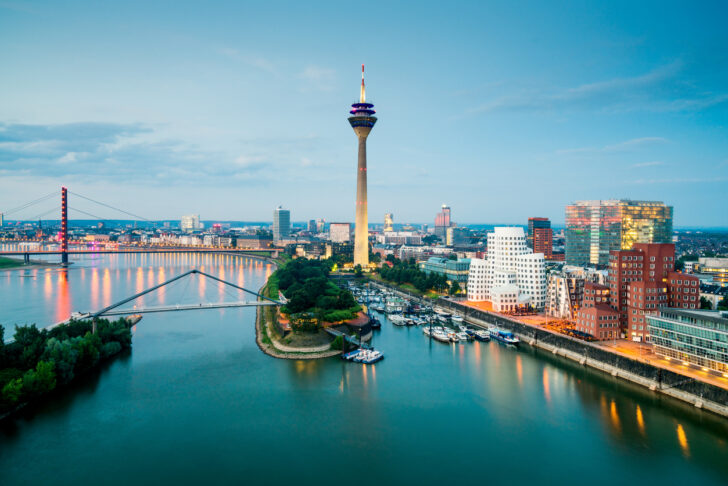
Düsseldorf sits on the Rhine in western Germany, close to the Dutch border, and it has a polished, easygoing feel that surprises a lot of first-time visitors.
It is known for fashion, business, and contemporary architecture, and is one of the liveliest old towns in the country.
On the surface, it feels neat, efficient, and upscale, with river promenades, elegant shopping streets, and reliable public transport that make getting around simple.
But like most major European cities, it is not completely risk-free.
The real story is less about serious violence and more about the everyday issues travelers actually deal with, such as pickpockets, late-night drinking zones, crowded stations, and the occasional scam aimed at distracted tourists.
In my view, Düsseldorf is one of the easier German cities to navigate safely if you use normal city sense.
Warnings & Dangers in Dusseldorf

OVERALL RISK: LOW
Düsseldorf is generally a low-risk destination for tourists. Violent crime against visitors is not the main concern here. Most trips are smooth, especially in daylight and in central sightseeing areas. The bigger issues are petty theft, late-night rowdiness around nightlife districts, and the usual risks that come with train stations and crowded public spaces.

TRANSPORT & TAXIS RISK: LOW
Public transportation in Düsseldorf is efficient, frequent, and easy for visitors to use. Trains, trams, and buses are usually reliable, and official taxis are regulated. The main thing to watch for is not dangerous transport but distraction theft at busy stations or on packed trains. Use licensed taxis or trusted ride apps and keep bags zipped.

PICKPOCKETS RISK: MEDIUM
Pickpocketing is one of the more realistic tourist risks in Düsseldorf. It is not constant, but it can happen in crowded areas such as the main station, public transport, the Altstadt, Christmas markets, and popular riverfront zones. This is the sort of city where a careless traveler becomes the easy target, not the alert one.

NATURAL DISASTERS RISK: LOW
Düsseldorf does not face the kind of natural disaster risk that defines some destinations. There can be heavy rain, winter storms, strong winds, or occasional high water along the Rhine, but catastrophic events are not a routine concern for tourists. The bigger weather issue is discomfort from cold, wet, or changeable conditions if you pack badly.

MUGGING RISK: LOW
Mugging is not a defining problem for most visitors to Düsseldorf. Serious street violence is relatively uncommon compared with many large international cities. That said, late-night hours near transport hubs, poorly lit side streets, or areas where heavy drinking is common deserve extra caution. Walking confidently and avoiding isolated spots after midnight lowers your risk even more.

TERRORISM RISK: MEDIUM
Like other major cities in Germany, Düsseldorf carries a background terrorism risk simply because it is an urban center with transport hubs, public events, and crowded spaces. That does not mean an attack is likely during your trip, but it does mean travelers should stay alert in busy public places and pay attention to police instructions if needed.

SCAMS RISK: LOW
Scam risk exists, but it is lower here than in many heavily touristed cities. You are more likely to face mild nuisance scams than elaborate fraud. These can include fake petitions, distraction tactics, inflated taxi charges from unofficial drivers, or bar and nightlife misunderstandings. Most problems are avoidable if you keep transactions simple and stay with reputable services.

WOMEN TRAVELERS RISK: LOW
Düsseldorf is generally comfortable for women travelers, including solo travelers, especially during the day and in well-trafficked areas. Still, normal urban precautions matter. Late-night nightlife districts, isolated station surroundings, and overly intoxicated crowds are the main situations to watch. I would call it one of the more manageable city breaks in Europe for women traveling independently.

TAP WATER RISK: LOW
Tap water in Düsseldorf is considered safe to drink. In fact, Germany has a strong reputation for water quality standards. Some visitors notice that the water can taste mineral-heavy or hard, but that is more about preference than safety. Bring a reusable bottle and refill it, especially if you are walking around the city all day.
Safest Places to Visit in Dusseldorf
Konigsallee
Konigsallee, often called the Ko, is one of the most polished parts of the city.
It is known for luxury shopping, broad walkways, canals, and a tidy, upscale atmosphere.
It feels well-maintained and busy without being chaotic, which makes it a comfortable area for visitors who want a lower-stress introduction to Düsseldorf.
Rhine Promenade and Altstadt by Day
The Rhine promenade is one of the best places to walk, especially during the day and early evening.
You get river views, open space, cafes, and a steady flow of locals and visitors.
The nearby Altstadt is famous for nightlife, but during daylight it is also one of the easiest places to explore on foot, with historic streets, churches, and plenty of activity.
MedienHafen
If you like modern architecture, MedienHafen is a strong pick.
This redeveloped harbor district feels stylish and open, with restaurants, office buildings, and striking design.
It is not where I would expect most tourist safety problems to happen, and it is a good place for relaxed evening dining without the heavier party atmosphere of the old town.
Kaiserswerth and Benrath
For travelers who prefer calmer neighborhoods, Kaiserswerth offers a historic, village-like feel with a more peaceful rhythm than central nightlife areas.
Benrath, with its palace and gardens, is another pleasant choice for a quieter outing.
Both are good options if you want beauty and atmosphere without the dense crowds that create more petty theft opportunities.
Places to Avoid in Dusseldorf
Around the Main Station Late at Night
The area around Düsseldorf Hauptbahnhof is useful, busy, and not somewhere most tourists need to panic about.
Still, it is one of the places where you should be more switched on, especially after dark.
Train stations attract loitering, intoxication, petty theft, and occasional aggressive behavior.
I would avoid wandering here late at night.
Worringer Platz and Nearby Streets
Worringer Platz often comes up in local conversations as a place where visitors should use more caution, especially after dark.
It is not necessarily a no-go zone, but it can feel less polished than the polished image many travelers expect from Düsseldorf.
If you pass through, keep moving, stay aware, and avoid displaying valuables.
Parts of Oberbilk at Night
Oberbilk is a mixed district, and not every part of it is problematic, but some stretches can feel less comfortable for tourists who are unfamiliar with the area, especially late at night.
It is more about atmosphere and situational risk than about guaranteed danger.
If your hotel is there, use direct routes and transport after dark.
Altstadt Deep Into the Night
Altstadt is a top attraction, but it becomes a different environment late at night when the bars are full, and the crowd gets louder.
Most people will be fine, but this is where drunken arguments, petty theft, and general disorder are more likely.
Enjoy it, but know when to call it a night.
Safety Tips for Traveling to Dusseldorf
- Keep your valuables in front of you in crowded places. Düsseldorf is not a city where most travelers worry about violent crime, but crowded trains, station platforms, festivals, and nightlife zones are exactly where distraction theft happens. Crossbody bags, zipped compartments, and keeping your phone out of your back pocket go a long way.
- Be extra alert around the main station. You may pass through Hauptbahnhof without any issue, but this is not the place to stand around distracted by your phone or luggage. Arrive knowing your route, keep moving with purpose, and avoid isolated side streets nearby if you are arriving very late.
- Use official taxis or trusted ride services. Düsseldorf is a city where transport is usually straightforward, so there is no reason to take chances with unofficial drivers. If you use a taxi, get one from a proper rank or book through a reputable app. That keeps prices clearer and reduces hassle.
- Watch your alcohol intake in Altstadt. The old town is fun, but it can get rowdy. If you drink too much, you are more likely to lose your wallet, separate from friends, or make poor decisions about getting back to your hotel. Pace yourself and know your route home before the night gets messy.
- Stay in well-reviewed central areas if possible. If safety is a top priority, book accommodation in established central zones with good transport links and strong reviews from recent travelers. Being able to walk back along lively streets or take a short, direct train ride is much better than navigating unfamiliar outer areas late at night.
- Keep an eye on your belongings on trains and trams. This is especially important when doors are closing, when people crowd around exits, or when someone tries to distract you with a question or sudden bump. These small moments are when bags, phones, and passports disappear.
- Dress for changing weather. A lot of travel stress is not crime-related at all. Düsseldorf can be chilly, windy, or wet depending on the season, and being unprepared can leave you uncomfortable and tired. Wear layers and keep a compact umbrella or waterproof jacket handy.
- Do not flash cash, luxury shopping bags, or expensive gear. Düsseldorf is stylish, but there is no benefit to making yourself look like an easy mark. After shopping, keep receipts and expensive purchases tucked away. The less attention you draw, the less likely you are to invite opportunistic theft.
- Learn a few practical transport basics before arrival. Know how to validate tickets if needed, where your platform is, and how to get from the airport to your hotel. Travelers who look confused with luggage in a station are easier targets for scammers and thieves. A little prep makes you look far less vulnerable.
- Trust your instincts with street atmosphere. If an area suddenly feels empty, tense, or unpleasant, leave. You do not need a dramatic reason. Most city safety mistakes happen because people stay somewhere longer than they should just to avoid seeming rude or uncertain. A quick change of route is always worth it.
So... How Safe Is Dusseldorf Really?
Düsseldorf is, in practical terms, a pretty safe city for travelers.
If you compare it with destinations where visitors routinely deal with armed robbery, corrupt taxis, unsafe drinking water, or major transport problems, Düsseldorf sits in a much easier category.
The city is organized, infrastructure is strong, and tourist movement between the airport, train stations, hotels, shopping districts, and riverfront is generally smooth.
What matters is understanding the type of risk here.
This is not a destination where most visitors worry about extreme violence.
The more likely problems are petty theft, nightlife-related disorder, and occasional discomfort around parts of the station area late at night.
In other words, Düsseldorf rewards normal awareness rather than heavy fear.
For solo travelers, couples, and even first-time visitors to Germany, it is one of the more approachable city destinations.
Women traveling alone should still use standard nighttime caution, especially around bars and transit hubs, but the city is broadly manageable.
I would describe Düsseldorf as low risk overall, with a medium caution level in crowded and late-night environments.
Travel smart, and the city is usually more elegant and enjoyable than stressful.
How Does Dusseldorf Compare?
| City | Safety Index |
|---|---|
| Dusseldorf |
75 |
| Dresden |
75 |
| Berlin |
80 |
| Bremen |
65 |
| Wiesbaden |
57 |
| Essen |
77 |
| Nuremberg |
87 |
 Yorktown Yorktown | 82 |
| Hampton Beach | 68 |
| Mackinac Island | 83 |
 Kanchanaburi Kanchanaburi | 77 |
| Abilene | 67 |
| Ann Arbor | 63 |
Useful Information

Visas
Germany is part of the Schengen Area. Many tourists, including visitors from the United States, Canada, the United Kingdom, Australia, and several other countries, can usually enter for short stays without a traditional tourist visa, often for up to 90 days within a 180-day period. Travelers from countries that require visas should apply before departure and check the current passport validity rules.

Currency
Düsseldorf uses the euro. Cards are widely accepted, but it is still smart to carry a small amount of cash for kiosks, transit situations, or smaller purchases. Skip airport exchange counters if the rates look poor. Using a bank ATM or a card with low foreign transaction fees is usually the simplest option.

Weather
Düsseldorf has a temperate climate with cool winters and mild to warm summers. Rain is possible in any season, so packing layers is the safest approach. Bring a light waterproof jacket or umbrella, comfortable walking shoes, and warmer clothing if you are visiting in late fall or winter.

Airports
The main airport is Düsseldorf Airport, one of the busiest in Germany, and very well connected to the city. Getting into town is easy by train, taxi, or ride service. The rail links are especially convenient, which makes arrival much less stressful than in many large cities where airport transfers are complicated.

Travel Insurance
Travel insurance is worth having for any trip to Düsseldorf. Even in a generally safe city, delays, lost baggage, canceled flights, theft, or sudden medical costs can ruin a trip budget fast. A solid policy adds a safety net and is especially helpful if you are visiting multiple countries on the same journey.
Dusseldorf Weather Averages (Temperatures)
Average High/Low Temperature
| Temperature / Month | Jan | Feb | Mar | Apr | May | Jun | Jul | Aug | Sep | Oct | Nov | Dec |
|---|---|---|---|---|---|---|---|---|---|---|---|---|
| High °C |
5 | 6 | 10 | 14 | 18 | 21 | 23 | 23 | 19 | 14 | 9 | 6 |
| Low °C |
0 | 0 | 2 | 5 | 8 | 11 | 13 | 13 | 10 | 7 | 3 | 1 |
| High °F |
41 | 43 | 50 | 57 | 64 | 70 | 73 | 73 | 66 | 57 | 48 | 43 |
| Low °F |
32 | 32 | 36 | 41 | 46 | 52 | 55 | 55 | 50 | 45 | 37 | 34 |
Germany - Safety by City
| City | Safety Index |
|---|---|
| Berlin | 80 |
| Bremen | 65 |
| Cologne | 80 |
| Dortmund | 74 |
| Dresden | 75 |
| Dusseldorf | 75 |
| Essen | 77 |
| Frankfurt | 78 |
| Hamburg | 80 |
| Leipzig | 78 |
| Munich | 90 |
| Nuremberg | 87 |
| Stuttgart | 73 |
| Wiesbaden | 57 |















Rape is more of an issue than the article lets on
This article is downplaying the instances of rape. Do NOT walk in the parks alone at night. In the parks by my flat, there have been several rapes committed by groups of men, the victims for which were aged 22-53. If you are a woman I strongly caution you to carry pepper spray.
Generally safe
Low rate crime and people usually abide by the law, even more so now during the pandemic. As a rule of thumb, avoid walking alone at night in areas that might attract unwanted attacks like parks or train stations.
Funny reading this made me think of late summer evenings by the Rhine steps, do you feel that same calm when you walk along the river after work or has it just become “normal” for you?
It still surprises me how you can grab ramen on Immermannstrasse and then be down by the Rhine five minutes later, feeling like you’re in a small, quiet town instead of a capital city.
Ach ja, Düsseldorf mit Rhein, Altstadt und dem Benrather Schloss sowie seinen 640.000 Einwohnern wirkt auf dem Papier wie dieses gemütliche Kleinstadtklischee, bis dir die Direktflüge nach LA, die große japanische Enklave und das komisch beruhigende Sicherheitsgefühl klar machen, dass es eigentlich eine schicke, unaufgeregte Großstadt ist und mich das irgendwie genervt zufrieden zurücklässt.
Altstadt’s pubs are buzzing on Friday nights, but a quiet walk along the Rhine at dusk is what really helps me unwind.
The Rhine promenade at dusk still knocks the wind out of me in the best way, though the Altstadt’s late-night crowds have made me wary of loose pockets.