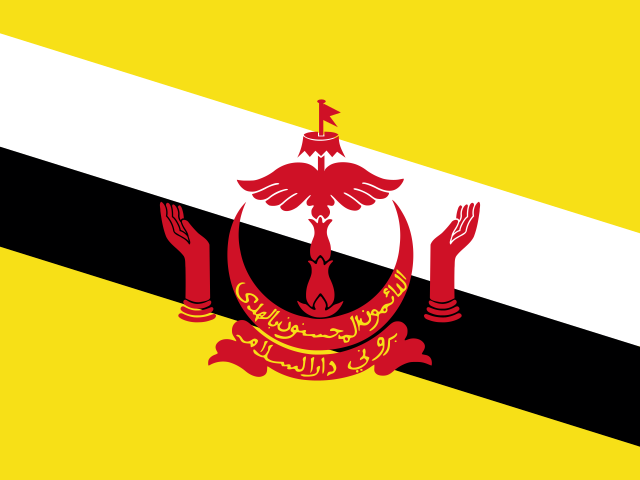
 Brunei : Safety by City
Brunei - safety as a country
Muara is Brunei’s main port town, sitting on the northeastern tip of the Brunei-Muara District where Brunei Bay meets the South China Sea.
It is much quieter than Bandar Seri Begawan and is best known for Muara Beach, Serasa Beach, Tanjong Batu, the deep-water port, ferry facilities, and easy access to coastal recreation.
Cruise passengers also arrive here before continuing toward the capital, which is roughly 27 kilometers away.
Muara has a relaxed suburban feel, with beaches, fishing areas, residential communities, and relatively little nightlife.
Crime is low, public order is strong, and most visitors are unlikely to encounter serious trouble.
The main concerns are strict Bruneian laws, tropical heat, thunderstorms, flooding, swimming and boating conditions, and staying away from restricted port or military areas.
Warnings & Dangers in Muara

OVERALL RISK: LOW
Muara has a low overall travel risk. Violent crime involving tourists is uncommon, and the town is generally quiet and orderly. The biggest concerns are road safety, intense tropical weather, water activities, and accidentally violating Brunei’s strict laws. Visitors who behave respectfully and stay within normal tourist areas should have few problems.

TRANSPORT & TAXIS RISK: LOW
Transportation around Muara is generally safe, although public transport can be limited and infrequent. Taxis, ride-hailing services, rental cars, and arranged transfers are more practical for most visitors. Roads are usually well maintained, but heavy tropical rain can reduce visibility quickly. Driving is on the left side of the road.

PICKPOCKETS RISK: LOW
Pickpocketing is rare in Muara. Crowds are limited except when cruise ships arrive or during popular weekend beach periods. Keep bags, phones, and wallets secured around the cruise terminal, markets, public events, and busy recreational areas. Opportunistic theft can occur anywhere, but organized tourist-targeting theft is not a major local problem.

NATURAL DISASTERS RISK: MEDIUM
Muara faces heavy rainfall, thunderstorms, lightning, localized flooding, strong winds, and occasionally rough coastal conditions. Brunei receives substantial rain throughout the year. Low-lying roads can flood after intense storms, and sea conditions may deteriorate quickly. Avoid beaches, exposed waterfronts, and small boats during severe weather.

MUGGING RISK: LOW
Muggings and violent robberies are uncommon. Muara’s beaches, residential neighborhoods, and commercial areas generally feel safe during daylight and early evening. Isolated coastal locations become very quiet after dark, so avoid unnecessary nighttime wandering. Use a vehicle if returning late from restaurants or recreation areas.

TERRORISM RISK: LOW
The terrorism risk in Muara is low. Brunei is politically stable and does not experience frequent terrorist attacks. Because Muara contains important port and maritime infrastructure, visitors should nevertheless follow security instructions carefully and avoid restricted areas. Do not photograph sensitive military, port, or government facilities.

SCAMS RISK: LOW
Tourist scams are uncommon. Cruise passengers may occasionally encounter transportation offers or tours with unclear pricing, so confirm the fare before leaving. The same applies to private boat trips and recreational activities. Serious organized fraud targeting tourists is not a significant feature of Muara.

WOMEN TRAVELERS RISK: LOW
Muara is generally safe for women, including those traveling alone. Street harassment and violent crime are relatively uncommon. Brunei is socially conservative, however, so modest clothing is appropriate outside beach recreation areas. Solo travelers should avoid isolated beaches after dark and use reliable transportation at night.

TAP WATER RISK: LOW
Municipal water in Brunei is treated and is generally suitable for normal use. Many visitors drink it without problems, although travelers with sensitive stomachs may prefer bottled or filtered water. If water appears discolored after maintenance or heavy rainfall, use bottled water until your accommodation confirms that normal service has resumed.
Safest Places to Visit in Muara
Muara Beach Recreational Park
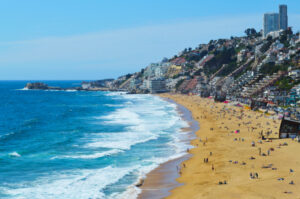
Muara Beach is the town’s best-known recreational attraction and one of the safest places for a relaxed daytime visit.
The beach has open sand, picnic areas, space for jogging, and facilities used regularly by local families.
Weekends can be busier, but the atmosphere remains relaxed.
Bring sunscreen and drinking water, and pay attention to sea conditions before swimming.
Serasa Recreational Beach
Serasa Beach is another popular coastal recreation area near Muara.
It is particularly associated with water sports, boating, fishing, kayaking, and family gatherings.
The developed recreational areas are generally safe during daylight.
If participating in water sports, use proper safety equipment and reputable operators rather than accepting informal offers without knowing the equipment or conditions.
Tanjong Batu Beach
Tanjong Batu is a quieter coastal area known for fishing, sunsets, and seaside recreation.
It is a good option for travelers who want to get away from busier attractions without traveling far.
Visit during daylight or around sunset and leave once the area becomes deserted.
The main concerns are limited lighting, slippery coastal surfaces, and changing sea conditions rather than crime.
Muara Town Center
The central commercial area contains shops, restaurants, fuel stations, everyday services, and transportation connections.
It is generally easy to explore during daylight.
Muara is small enough that visitors may find fewer tourist-oriented businesses than in Bandar Seri Begawan, but that quieter atmosphere is part of its appeal.
Serasa Ferry and Marina Areas
The Serasa area is important for maritime transportation and recreational boating.
Public passenger areas are generally safe and organized.
Follow signs carefully because working docks, restricted port sections, and private marina areas should not be entered casually.
Stay within areas intended for passengers and visitors.
Places to Avoid in Muara
Restricted Port Areas
Muara contains Brunei’s primary deep-water port, so travelers should not wander through cargo terminals, warehouses, secured docks, container yards, or other restricted infrastructure.
Security personnel may take unauthorized access or photography seriously.
If gates, guards, barriers, or warning signs are present, stay outside and keep cameras put away.
Military and Security Facilities
Muara and the surrounding coastal area contain infrastructure with strategic importance.
Do not photograph military bases, security installations, naval facilities, communications equipment, or guarded government properties.
Even innocent curiosity can create unnecessary problems.
Stick to recognized tourist attractions and public beaches.
Beaches After Dark
Muara Beach and Serasa Beach are generally safe during the day, but there is little reason to remain on isolated sections after dark.
Lighting becomes limited, fewer people are around, and assistance may not be immediately available.
Rough water is also more difficult to judge at night.
Flooded Roads
Heavy tropical rainfall can temporarily flood low sections of road.
Never drive through water when its depth is uncertain.
Floodwater can hide potholes, open drains, damaged pavement, debris, or unexpectedly strong currents.
Wait for the water to fall or use another route.
Exposed Coastal Areas During Thunderstorms
Lightning is a major concern during tropical storms.
Leave beaches, open fields, jetties, and exposed waterfront areas when thunderstorms approach.
Do not shelter under isolated trees or remain on boats hoping the storm will pass quickly.
Conditions can intensify within minutes.
Safety Tips for Traveling to Muara
- Understand Brunei’s laws before your visit. Muara is extremely peaceful, but Brunei has strict laws concerning drugs, alcohol, religious behavior, gambling, public conduct, and some personal activities. Visitors should not assume that something legal or socially acceptable at home will be treated the same way in Brunei.
- Stay away from restricted port infrastructure. Muara is a working international port, not simply a beachfront town. Cargo yards, secured docks, military areas, and industrial zones are not tourist attractions. Follow signs and barriers carefully, particularly if you arrive by cruise ship or are exploring near the waterfront.
- Be careful with photography. Taking pictures at Muara Beach is fine, but cameras should stay away from military facilities, secured port equipment, immigration areas, security checkpoints, and sensitive government infrastructure. When uncertain, ask permission before photographing something that appears official or guarded.
- Take tropical heat seriously. Muara remains hot and humid throughout the year. Carry water, use sunscreen, wear a hat, and take breaks in shade. Sea breezes can make the temperature feel comfortable while your body is still losing significant fluid and your skin is burning.
- Leave the beach when storms approach. Brunei’s weather can change quickly. Dark clouds, increasing wind, thunder, or lightning are good reasons to leave the beach immediately. Do not wait under a beach shelter while lightning is striking nearby. Move into a substantial building or vehicle.
- Use proper equipment for water sports. Serasa is popular for kayaking, boating, windsurfing, and other activities. Wear life jackets when appropriate and follow instructors’ directions. Avoid using poorly maintained equipment or heading offshore without checking weather and sea conditions first.
- Do not underestimate currents. Muara’s beaches can look calm, but currents and waves vary according to tides, wind, and weather. Swim conservatively and remain close to shore unless you are familiar with local conditions. Keep children under continuous supervision around the water.
- Arrange transportation before a cruise or ferry connection. Muara is some distance from central Bandar Seri Begawan. If your ship or ferry has a fixed departure time, allow plenty of time for the return journey. Traffic, weather, and difficulty finding immediate transportation can cause unexpected delays.
- Dress respectfully away from the beach. Normal beachwear is suitable while actually at the beach, but Brunei is a conservative Muslim country. Cover up when visiting shops, restaurants, villages, religious sites, or public buildings. More modest clothing is particularly important during Ramadan and around mosques.
- Avoid illegal drugs completely. Brunei has extremely severe drug laws. Do not carry cannabis, recreational drugs, or unknown substances for another person. Keep prescription medication in its original packaging and bring supporting documentation when carrying medicines that could be regulated.
So... How Safe Is Muara Really?
Muara is a very safe destination by conventional tourist standards.
Street crime is low, aggressive scams are unusual, and visitors are unlikely to encounter the harassment, pickpocketing, or persistent touts found in many heavily visited ports around the world.
Its safety profile is actually shaped more by where the town is located and how Brunei operates.
Muara is the country’s principal deep-water port, so parts of the coastline have commercial, security, or military significance.
Visitors should not explore secured maritime infrastructure or photograph sensitive installations simply because they are visible from a public road.
Brunei’s legal environment is another important consideration.
Travelers who obey local laws will usually encounter no difficulties at all, but punishments for certain drug, alcohol, morality, and religious offenses can be far more severe than visitors expect.
Natural conditions deserve attention too.
Muara is hot and humid, thunderstorms can be intense, and coastal recreation introduces the usual risks involving swimming, boating, currents, and lightning.
These problems are easy to manage when visitors follow weather warnings and use common sense.
Crime itself is unlikely to dominate your visit.
Even beaches and public areas tend to feel calm, especially during daylight.
My assessment is that Muara has a low overall travel risk.
It is particularly suitable for families, cruise passengers, couples, and travelers looking for a quieter side of Brunei.
Respect local laws, stay outside restricted port areas, watch the weather, and Muara should be a straightforward place to explore.
How Does Muara Compare?
| City | Safety Index |
|---|---|
| Muara |
92 |
| Seria |
93 |
| Bangar |
95 |
| Tutong |
94 |
| Kuala Belait |
92 |
| Bandar Seri Begawan |
91 |
 Alma Alma | 88 |
| Boone | 82 |
| Put-in-Bay | 77 |
| Utah | 86 |
| Colorado | 82 |
| Rutland | 77 |
Useful Information

Visas
Brunei’s visa rules depend on nationality. Citizens of many countries receive visa-free entry for short tourist stays, while some nationalities qualify for visas on arrival and others must obtain approval beforehand. Visa-on-arrival fees can start around BND20 depending on the type issued. Travelers should normally carry passports valid for at least six months.

Currency
Muara uses the Brunei dollar. The Brunei dollar is interchangeable at equal value with the Singapore dollar, and Singapore currency is commonly accepted. Cards work at many established businesses, but cash remains convenient for smaller shops, food stalls, local transportation, and recreational services.

Weather
Muara has a hot, humid equatorial climate, with temperatures typically ranging from the mid-20s to low 30s Celsius throughout the year. Rain can occur during any month, sometimes arriving as intense thunderstorms. Lightweight clothing, sun protection, an umbrella, and breathable modest clothing are useful year-round.

Airports
Brunei International Airport is the main airport and is roughly 20 to 30 kilometers from Muara depending on the exact destination. Driving times are commonly around 25 to 40 minutes. Bandar Seri Begawan is approximately 27 kilometers from Muara Port, making the town accessible for cruise passengers visiting the capital.

Travel Insurance
Travel insurance is recommended for Muara even though crime is low. Choose coverage for medical treatment, hospitalization, flight or cruise disruption, lost baggage, flooding, and water activities. Travelers participating in diving, boating, or more adventurous marine sports should confirm that those activities are specifically covered.
Muara Weather Averages (Temperatures)
Average High/Low Temperature
| Temperature / Month | Jan | Feb | Mar | Apr | May | Jun | Jul | Aug | Sep | Oct | Nov | Dec |
|---|---|---|---|---|---|---|---|---|---|---|---|---|
| High °C |
30 | 31 | 32 | 32 | 32 | 32 | 32 | 32 | 32 | 31 | 31 | 30 |
| Low °C |
23 | 23 | 23 | 24 | 24 | 24 | 24 | 24 | 24 | 24 | 23 | 23 |
| High °F |
86 | 88 | 90 | 90 | 90 | 90 | 90 | 90 | 90 | 88 | 88 | 86 |
| Low °F |
73 | 73 | 73 | 75 | 75 | 75 | 75 | 75 | 75 | 75 | 73 | 73 |
Brunei - Safety by City
| City | Safety Index |
|---|---|
| Bandar Seri Begawan | 91 |
| Bangar | 95 |
| Kuala Belait | 92 |
| Muara | 92 |
| Seria | 93 |
| Tutong | 94 |