 Brunei : Safety by City
Brunei - safety as a country
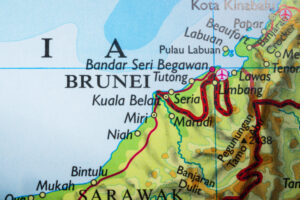
Bangar is the small administrative center of Brunei’s Temburong District, an eastern enclave separated from the rest of the country by Malaysian territory and connected to mainland Brunei by the spectacular Sultan Haji Omar ‘Ali Saifuddien Bridge.
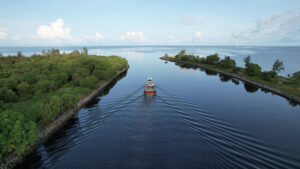
Surrounded by rivers and thick Bornean rainforest, Bangar feels far removed from a conventional capital or resort town.
Most travelers come through on their way to Ulu Temburong National Park, where canopy walks, jungle trekking, longboat rides, waterfalls, and some of Brunei’s best-preserved rainforest await.
Crime is remarkably low, and Bangar itself is quiet and orderly.
The biggest safety concerns are tropical weather, slippery jungle terrain, river activities, road accidents, mosquitoes, limited medical facilities in remote areas, and understanding Brunei’s strict laws and conservative social rules.
Warnings & Dangers in Bangar

OVERALL RISK: LOW
Bangar is a very safe destination for tourists. Brunei currently carries the lowest standard travel advisory level, and violent crime is uncommon. Visitors should still secure valuables and avoid unnecessary isolation after dark, but environmental hazards, road travel, and local laws are considerably more important safety considerations than street crime.

TRANSPORT & TAXIS RISK: LOW
Roads connecting Bangar with the rest of Temburong and mainland Brunei are generally good, particularly the modern bridge connection. Driving is on the left. Heavy tropical rain can reduce visibility quickly, while rural roads may encounter wildlife, flooding, or fallen branches. Use experienced drivers for deeper rainforest excursions.

PICKPOCKETS RISK: LOW
Pickpocketing is extremely uncommon in Bangar. The town is small and rarely experiences the dense crowds associated with tourist theft. Keep ordinary control of wallets, phones, passports, and bags at markets or public events. Opportunistic theft is still possible if valuables are left unattended in vehicles or public areas.

NATURAL DISASTERS RISK: MEDIUM
Heavy rainfall, thunderstorms, flash flooding, landslides, falling trees, and extreme humidity are the main natural hazards. Temburong’s rainforest receives substantial rainfall throughout the year. Rivers can rise after storms, and jungle trails become extremely slippery. Follow guides and never continue an excursion when weather conditions become unsafe.

MUGGING RISK: LOW
Mugging is very uncommon in Bangar. The town has little nightlife, few crowded entertainment areas, and low levels of violent street crime. Normal precautions remain sensible, particularly late at night. Avoid carrying unnecessarily large amounts of cash and use transportation rather than walking along isolated rural roads after dark.

TERRORISM RISK: LOW
The terrorism risk in Bangar is low. Brunei is politically stable and has no recent pattern of terrorism affecting visitors. Travelers should maintain ordinary awareness at transportation facilities and public events, but terrorism is not a significant factor in everyday travel around Bangar or Temburong.

SCAMS RISK: LOW
Tourist scams are uncommon. Travelers should still confirm prices for drivers, jungle excursions, accommodation, and river trips before paying. Use licensed or established operators for trips into Ulu Temburong National Park, especially because transportation can involve both roads and traditional longboats.

WOMEN TRAVELERS RISK: LOW
Bangar is generally safe for women traveling alone, with low rates of street harassment and violent crime. Brunei is socially conservative, however, so modest clothing is appropriate, particularly around mosques and villages. Solo travelers should use trusted guides for remote rainforest excursions and avoid isolated nighttime walking.

TAP WATER RISK: LOW
Municipal water in Brunei is treated, although travelers staying in remote lodges or villages should ask how drinking water is supplied. Properly filtered, boiled, or bottled water is sensible during jungle trips. Carry plenty of water because high humidity and physical activity can cause dehydration surprisingly quickly.
Safest Places to Visit in Bangar
Bangar Town Center
Bangar’s small center is peaceful and straightforward to explore.
Government buildings, shops, restaurants, markets, and local services are concentrated within a compact area.
During daylight, there is very little reason for visitors to feel uncomfortable.
Crime is low, traffic is manageable, and locals are accustomed to travelers passing through on their way into Temburong’s rainforest.
Tamu Bangar
The local market provides one of the easiest ways to experience everyday life in the district.
Visitors can find produce, snacks, local foods, and household goods while getting a sense of how different Temburong feels from Bandar Seri Begawan.
Keep ordinary control of cash and belongings, but serious security concerns are minimal.
Ulu Temburong National Park
Ulu Temburong National Park is the district’s star attraction.
The protected rainforest covers a vast section of southeastern Brunei and contains extraordinary biodiversity.
Visiting with an experienced operator makes the experience very safe.
Guides understand river conditions, trails, wildlife, changing weather, and the logistics of reaching remote areas.
Canopy Walkway
The famous canopy walkway rises high above the forest and provides spectacular views across uninterrupted rainforest.
The structure itself is designed for visitors, but reaching it involves hiking and climbing a considerable number of steps.
Anyone with severe fear of heights, mobility limitations, or certain medical conditions should consider whether the climb is appropriate.
Sumbiling and Batang Duri Areas
Eco-lodges and adventure facilities around Sumbiling and Batang Duri provide organized access to rivers, rainforest, waterfalls, kayaking, rafting, and trekking.
These established facilities are much safer than attempting to explore unfamiliar jungle independently.
Places to Avoid in Bangar
There Are No Major Crime No-Go Areas
Bangar does not have a dangerous neighborhood that tourists routinely need to avoid.
Personal security is generally excellent.
Most places worth avoiding are dangerous because of rainforest conditions, rivers, weather, wildlife, or restricted access rather than criminals.
Dense Rainforest Without a Guide
Never assume that because Bangar is close to the rainforest you can simply walk into it independently.
Dense tropical vegetation can make navigation extremely difficult, and travelers may encounter slippery slopes, rivers, insects, snakes, falling branches, and areas without mobile-phone coverage.
Rivers After Heavy Rain
River travel is part of the Temburong experience, particularly when reaching deeper areas of the national park.
Avoid independent swimming or boating after prolonged rain.
Water levels and currents can change quickly, while submerged rocks and debris may become difficult to see.
Flooded Roads
Heavy tropical downpours can produce localized flooding.
Never drive through water if you cannot judge its depth or see the road surface.
Floodwater may hide damaged pavement, drains, debris, or unexpectedly strong currents.
Restricted Border Areas
Temburong borders Malaysia on several sides.
Although international crossings operate normally through official checkpoints, travelers should not wander through jungle tracks attempting to cross the border informally.
Carry your passport whenever your itinerary involves an international crossing.
Jungle Trails After Dark
Night walks should only be undertaken as organized activities with experienced guides.
Darkness in the rainforest is dramatically different from walking around a town at night.
Navigation becomes difficult, wildlife becomes more active, and slippery roots or steep drops are much harder to recognize.
Safety Tips for Traveling to Bangar
- Use a proper guide for Ulu Temburong. This is not the kind of national park where inexperienced travelers should wander freely into the jungle. Established guides understand river conditions, trails, wildlife, weather patterns, and emergency procedures. Organized trips also handle the transportation required to reach the park.
- Prepare for intense humidity. Temburong is hot and extremely humid. Hiking may feel more demanding than the distance suggests. Carry water, wear lightweight breathable clothing, take regular breaks, and replace fluids before you actually feel thirsty.
- Use insect repellent every day. Mosquitoes and other insects are part of tropical rainforest travel. Apply repellent to exposed skin, particularly around dawn and dusk. Long lightweight trousers and sleeves provide additional protection during jungle activities.
- Wear shoes with serious grip. Rainforest trails, wooden steps, rocks, and riverbanks become extremely slippery after rain. Proper walking or hiking shoes are much safer than flip-flops. Expect footwear to become muddy or wet during more adventurous excursions.
- Learn Brunei’s strict laws. Brunei has a much more conservative legal environment than many Western countries. Drug offenses can carry extremely severe penalties, alcohol is heavily restricted, and laws concerning public behavior and sexuality differ significantly from those in many tourists’ home countries.
- Follow your boat operator’s instructions. Traditional longboats are commonly used on rivers deeper in Temburong. Sit where directed, keep equipment secure, and wear a life jacket when provided or required. Do not stand suddenly or lean over the side while the boat is moving.
- Do not disturb wildlife. Temburong’s rainforest contains monkeys, snakes, insects, birds, and numerous other species. Never attempt to touch or feed wild animals. Shake out shoes or clothing before putting them on if they have been left outside overnight.
- Keep your itinerary flexible during heavy rain. Rain can affect rivers, trails, roads, and outdoor activities. Do not pressure a guide to continue an excursion because you have limited time. If conditions are unsafe, changing the schedule is the right decision.
- Dress respectfully in town and villages. Brunei is a conservative Muslim country. Lightweight clothing is necessary because of the climate, but extremely revealing outfits are inappropriate around religious buildings and rural communities. Cover shoulders and knees when entering mosques and follow local instructions.
- Carry insurance that covers remote activities. Medical care in Bangar is limited compared with Bandar Seri Begawan. Serious injuries in the rainforest may require transportation over considerable distances. Insurance should cover hiking, river activities, medical treatment, evacuation, and trip interruption.
So... How Safe Is Bangar Really?
Bangar is an exceptionally safe town in conventional crime terms.
Brunei currently receives a Level 1 travel rating, meaning normal precautions are considered sufficient, and there is little reason for tourists to worry constantly about robbery, pickpocketing, or violent crime.
The environment changes the safety calculation.
Most people visiting Bangar are not coming solely to walk around town.
They are using it as a gateway into one of Borneo’s most impressive rainforest environments.
Ulu Temburong includes rivers, steep trails, towering trees, heavy rainfall, insects, and remote territory where medical assistance cannot arrive instantly.
That makes choosing a good guide far more important than choosing a hotel based on neighborhood crime statistics.
Brunei’s laws are another consideration.
The country is extremely orderly, but visitors are expected to respect strict rules concerning drugs, alcohol, religion, public behavior, and other social matters.
Transportation has improved enormously since the approximately 30-kilometer Sultan Haji Omar ‘Ali Saifuddien Bridge opened in 2020, connecting Temburong directly with mainland Brunei.
Reaching Bangar no longer requires the same complicated international road journey through Malaysia.
Overall, I rate Bangar as low risk.
Prepare properly for rainforest conditions, respect local law, travel with established operators, and take heavy rain seriously.
How Does Bangar Compare?
| City | Safety Index |
|---|---|
| Bangar |
95 |
| Bandar Seri Begawan |
91 |
| Seria |
93 |
| Muara |
92 |
| Kuala Belait |
92 |
| Tutong |
94 |
 Cape Cod Cape Cod | 85 |
 Sydney Sydney | 85 |
| Bossier City | 53 |
 Ljubljana Ljubljana | 77 |
 Christchurch Christchurch | 80 |
 Siena Siena | 84 |
Useful Information

Visas
Brunei’s visa requirements depend on nationality, with citizens of many countries allowed visa-free short stays while others require a visa. All foreign visitors should check the permitted stay for their passport before departure. Travelers entering Brunei must also complete the country’s electronic arrival registration and provide passport, travel, and accommodation information.

Currency
Bangar uses the Brunei dollar. It is maintained at equal value with the Singapore dollar, and Singapore dollars are generally accepted throughout Brunei. Carry some cash in Temburong because smaller restaurants, markets, villages, and rural tourism businesses may not accept cards. ATMs and banking services are available in populated areas.

Weather
Bangar has a hot, humid equatorial climate throughout the year, usually with temperatures in the mid-20s to low 30s Celsius. Rain can occur in any month and may be extremely heavy. Pack breathable clothing, insect repellent, sunscreen, quick-drying clothes, sturdy footwear, and reliable rain protection.

Airports
Brunei International Airport near Bandar Seri Begawan is the main airport serving Bangar. The Sultan Haji Omar ‘Ali Saifuddien Bridge provides a direct road connection between mainland Brunei and Temburong, making the trip significantly easier than in the past. Depending on traffic and your destination in Temburong, the drive generally takes around an hour.

Travel Insurance
Travel insurance is strongly recommended, particularly if your visit includes Ulu Temburong National Park. Choose coverage for emergency medical treatment, evacuation, hiking injuries, river activities, transportation delays, and lost baggage. Confirm that rainforest trekking, kayaking, rafting, and other planned adventure activities are included.
Bangar Weather Averages (Temperatures)
Average High/Low Temperature
| Temperature / Month | Jan | Feb | Mar | Apr | May | Jun | Jul | Aug | Sep | Oct | Nov | Dec |
|---|---|---|---|---|---|---|---|---|---|---|---|---|
| High °C |
31 | 32 | 32 | 33 | 33 | 32 | 32 | 33 | 32 | 32 | 32 | 31 |
| Low °C |
23 | 23 | 24 | 24 | 24 | 23 | 23 | 23 | 23 | 23 | 23 | 23 |
| High °F |
88 | 90 | 90 | 91 | 91 | 90 | 90 | 91 | 90 | 90 | 90 | 88 |
| Low °F |
73 | 73 | 75 | 75 | 75 | 73 | 73 | 73 | 73 | 73 | 73 | 73 |
Brunei - Safety by City
| City | Safety Index |
|---|---|
| Bandar Seri Begawan | 91 |
| Bangar | 95 |
| Kuala Belait | 92 |
| Muara | 92 |
| Seria | 93 |
| Tutong | 94 |