 Italy : Safety by City
- Amalfi
- Bari
- Bologna
- Cagliari
- Catania
- Cinque Terre
- Florence
- Genoa
- Matera
- Milan
- Naples
- Palermo
- Perugia
- Pisa
- Positano
- Rimini
- Rome
- Sassari
- Siena
- Sorrento
- Taormina
- Turin
- Vatican City
- Venice
- Verona
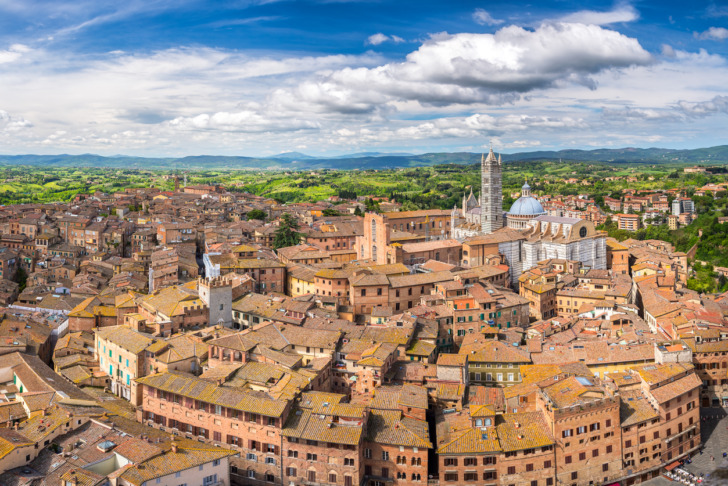
Siena is one of Tuscany’s most beautiful hill towns, sitting in central Italy about 70 kilometers south of Florence.
It is famous for its medieval brick buildings, narrow lanes, Gothic cathedral, wine-country surroundings, and Piazza del Campo, one of the most impressive public squares in Europe.
Siena feels quieter and more intimate than Florence, but it still attracts plenty of tourists, especially during summer and around the Palio horse race.
The city is generally very safe, walkable, and welcoming, with low violent crime and a relaxed atmosphere.
But it is not completely risk-free.
The main concerns are pickpockets in crowded areas, steep streets, summer heat, slippery cobblestones, traffic restrictions, rental-car issues, and petty theft during major events.
Siena is safe, but good shoes and basic awareness are your best friends here.
Warnings & Dangers in Siena

OVERALL RISK: LOW
Siena is a low-risk destination for most travelers. Violent crime is rare, the historic center is safe, and the city is easy to explore on foot. The main risks are petty theft, crowded event periods, steep streets, traffic-zone fines, and summer heat. Most visitors should feel very comfortable here.

TRANSPORT & TAXIS RISK: LOW
Transport in Siena is generally safe, but the historic center is not very car-friendly. Many streets are pedestrianized or restricted, and driving into limited-traffic zones can lead to fines. Buses, taxis, walking, and trains are safe options. If arriving by car, park outside the center and walk or use local transport.

PICKPOCKETS RISK: MEDIUM
Pickpocketing is not extreme, but it can happen in Piazza del Campo, around Siena Cathedral, at bus stops, near the train station, during markets, and especially during the Palio. Keep bags zipped, avoid back-pocket wallets, and be careful when taking photos in busy areas.

NATURAL DISASTERS RISK: LOW
Siena has a low natural disaster risk. The main concerns are heatwaves in summer, occasional heavy rain, slippery streets, and rare regional seismic activity. Tuscany can also experience drought or wildfire risk in hot periods, but these are not everyday tourist concerns. Weather and walking conditions matter more.

MUGGING RISK: LOW
Mugging is very rare in Siena. The old town, main squares, restaurant streets, and hotel areas are generally safe during the day and evening. Still, avoid empty alleys late at night if alone, especially after drinking. Petty theft is much more likely than violent crime.

TERRORISM RISK: LOW
The terrorism risk in Siena is low. It is not a major political, financial, or transport target. Travelers should still use normal awareness around crowded public events, transport hubs, and major tourist attractions, but terrorism is not a practical concern for most visitors.

SCAMS RISK: LOW
Scams are uncommon in Siena compared with larger Italian cities. The more realistic issues are overpriced menus in prime tourist areas, unclear parking rules, fake charity approaches, or poor-value tours. Check restaurant prices, understand parking signs, and avoid handing money to anyone who pressures you.

WOMEN TRAVELERS RISK: LOW
Siena is very safe for women travelers, including solo women. The city center is walkable, atmospheric, and comfortable during normal hours. Usual precautions still apply: avoid isolated lanes late at night, watch drinks, stay near well-reviewed accommodation, and use taxis if your route back feels too quiet.

TAP WATER RISK: LOW
Tap water in Siena is safe to drink. Bring a reusable bottle, especially in summer, because the hill streets can make walking more tiring than expected. Public fountains may be available, but only drink from fountains clearly marked as safe. Hydration matters when climbing through the old town.
Safest Places to Visit in Siena
Piazza del Campo
Piazza del Campo is the heart of Siena and one of the safest, most beautiful public spaces in Italy.
The shell-shaped square is surrounded by cafes, restaurants, historic buildings, and the Palazzo Pubblico.
During the day and evening, it is lively and comfortable.
The main risk is petty theft when the square is crowded, especially during festivals and Palio season.
Keep your phone and wallet secure while sitting, eating, or taking photos.
Siena Cathedral
Siena Cathedral is one of the city’s top attractions and a safe place to visit during opening hours.
The area around the cathedral is busy with tourists, guides, and ticket lines, which makes it comfortable but also a place to watch your belongings.
The steps, marble floors, and nearby streets can be slippery in rain, so wear shoes with grip.
Palazzo Pubblico and Torre del Mangia
The Palazzo Pubblico and Torre del Mangia are safe, central, and worth visiting for history and views.
Climbing the tower involves many steps, so it is not ideal if you dislike tight spaces or steep climbs.
The attraction itself is well managed.
The main safety concern is physical effort, not crime.
Historic Center Streets
Siena’s historic center is generally safe and wonderful for slow wandering.
The narrow medieval streets are filled with shops, cafes, wine bars, churches, and small courtyards.
The main thing to remember is that Siena is hilly.
A short walk on the map can involve a serious climb.
Comfortable shoes are not optional unless your ankles have signed a waiver.
Fortezza Medicea
The Medici Fortress area is a safe and pleasant place for a walk, especially if you want a break from crowded streets.
It offers open space, views, and easy access to nearby cafes and walking paths.
Visit during daylight or early evening.
At night, quieter park-like areas are better avoided if you are alone.
Places to Avoid in Siena
Crowded Palio Areas Without Planning
The Palio di Siena is incredible, but it transforms the city.
Piazza del Campo and surrounding streets become extremely crowded, hot, noisy, and difficult to navigate.
This is not dangerous if you plan properly, but it is not the time to carry unnecessary valuables, arrive late, or expect easy movement through the center.
Train Station Area When Distracted
Siena’s train station is generally safe, but like most transport points, it deserves extra awareness.
Travelers with luggage are easier targets for petty theft.
Keep bags close, avoid leaving luggage unattended, and be careful if anyone offers unsolicited help with tickets, bags, or directions.
Empty Alleys Late at Night
Siena is safe, but the old town has many narrow, quiet lanes that can feel isolated after restaurants close.
If you are walking alone late, stick to main streets and well-lit routes.
The risk is low, but getting lost in dark medieval lanes after wine is not exactly peak strategy.
Restricted Traffic Zones
This is not a personal safety danger, but it is a classic Siena travel mistake.
The historic center has limited-traffic zones, and driving where you should not can lead to fines.
Avoid entering the old town by car unless your hotel has clearly explained access.
Park outside and walk in.
Rural Roads After Wine Tasting
Siena is surrounded by famous wine areas, including Chianti, Montalcino, and Montepulciano.
Wine tasting is a major reason to visit, but driving afterward is a bad idea.
Use a tour, designated driver, taxi, or private transfer if you plan to taste properly.
Safety Tips for Traveling to Siena
- Wear comfortable shoes. Siena is built on hills, and the old town has cobblestones, slopes, steps, and uneven medieval streets. Good shoes make the difference between a magical day and a slow foot-related tragedy. Avoid slick soles, especially if rain is possible. If you plan to climb Torre del Mangia or walk all day, supportive shoes are essential.
- Protect your belongings in Piazza del Campo. Piazza del Campo feels safe, and it is, but it is also the place where tourists relax, sit, take photos, and stop paying attention. Keep bags zipped and close. Do not place your phone on the ground, a cafe table, or beside you while sitting on the square. Petty theft thrives on beautiful distractions.
- Plan carefully during the Palio. The Palio is one of Italy’s most famous events, held twice each summer. It is thrilling, historic, and packed. If you visit during Palio days, book accommodation early, expect crowds, carry water, protect valuables, and understand that moving through the city will take longer than usual. Heat, crowding, and confusion are the real risks.
- Do not drive into the historic center casually. Siena’s old town is best explored on foot. Driving into restricted areas can lead to fines, stress, and navigation chaos. If you arrive by car, choose a hotel with parking guidance or use public parking outside the walls. Read signs carefully. Italian traffic-zone rules are not suggestions, and the cameras are not sentimental.
- Stay hydrated in summer. Siena can be hot in summer, and the hills make walking more tiring than expected. Carry water, take breaks in the shade, and avoid doing the steepest sightseeing during the hottest part of the day. Churches, museums, and long lunches are excellent heat-management tools. Very Italian, very practical.
- Watch your step after rain. Cobblestones, stone steps, cathedral floors, and steep lanes can become slippery when wet. Walk slowly, especially downhill. This matters for older travelers, families with children, and anyone wearing sandals. Siena is romantic in the rain, but less romantic if you meet the pavement dramatically.
- Use trusted transport after wine tasting. The countryside around Siena is one of the best wine regions in Italy, but tasting and driving do not mix. Book a wine tour, hire a driver, use taxis, or choose accommodation within walking distance of restaurants and tasting rooms. The safest wine day is the one where no one has to pretend they are “fine to drive.”
- Keep an eye on restaurant prices. Siena is not scam-heavy, but restaurants near major sights can be pricier than expected. Check menus before sitting down, especially around Piazza del Campo. Also check cover charges and service details. A great Tuscan meal is worth paying for, but surprise pricing is never delicious.
- Choose accommodation inside or near the center. For first-time visitors, staying in or near the historic center makes Siena easier and safer. You can walk to dinner, return to your hotel without complicated transport, and enjoy the city after day-trippers leave. If staying outside the walls, check how you will get back at night.
- Keep day trips realistic. Siena is a great base for San Gimignano, Chianti, Montalcino, Pienza, Montepulciano, and Florence, but do not overpack your day. Rural roads, parking, summer heat, restaurant hours, and wine stops can slow you down. A slower itinerary is safer and much more enjoyable. Tuscany is not meant to be attacked like a checklist.
So... How Safe Is Siena Really?
Siena is genuinely one of the safer cities to visit in Italy.
It has low violent crime, a compact historic center, a strong tourism culture, and a calm atmosphere compared with larger destinations like Rome, Florence, or Naples.
Families, couples, solo travelers, older visitors, students, wine lovers, and first-time Italy travelers can all feel comfortable here.
The main risks are practical.
Pickpockets can appear in crowded tourist areas, especially around Piazza del Campo, the cathedral, the train station, and Palio crowds.
The steep streets and cobblestones can be physically demanding.
Summer heat can make sightseeing tiring.
Drivers need to understand traffic restrictions.
Wine-country visitors should avoid drinking and driving.
I would rate Siena as low risk overall, with medium risk during major crowded events like the Palio.
It is not a place where travelers need to be nervous, but it is a place where small mistakes can be annoying or expensive.
Secure your belongings, wear proper shoes, avoid driving into restricted zones, stay hydrated, and plan wine trips responsibly.
Do that, and Siena is one of the safest and most rewarding towns in Tuscany.
How Does Siena Compare?
| City | Safety Index |
|---|---|
| Siena |
84 |
| Verona |
65 |
| Positano |
83 |
| Florence |
72 |
| Cagliari |
64 |
| Rome |
65 |
| Venice |
72 |
 Evanston Evanston | 78 |
 Pokhara Pokhara | 76 |
 Dortmund Dortmund | 74 |
| West Des Moines | 78 |
 Johannesburg Johannesburg | 35 |
| Whitefish | 84 |
Useful Information

Visas
Siena is in Italy, which is part of the Schengen Area. Many travelers can visit visa-free for up to 90 days in a 180-day period, while others need a Schengen visa before arrival. Your Schengen allowance applies across multiple member countries, so check passport validity and travel dates before booking.

Currency
Siena uses the euro. Credit and debit cards are widely accepted in hotels, restaurants, museums, shops, and larger businesses. Cash is useful for small cafes, markets, taxis, tips, and rural villages. ATMs are available in the city, but avoid carrying large amounts while sightseeing.

Weather
Siena has hot summers, mild spring and autumn weather, and cool winters. Summer sightseeing can be tiring because of heat and hills, while winter evenings can feel damp and chilly. Pack comfortable shoes, layers, sunscreen, sunglasses, and a light rain jacket. Spring and autumn are often the most pleasant seasons.

Airports
Siena does not have a major commercial airport. Most travelers arrive through Florence Airport, Pisa Airport, or Rome's airports, then continue by train, bus, rental car, or private transfer. Florence is the closest major airport, but Pisa and Rome may offer more flight options depending on your route.

Travel Insurance
Travel insurance is recommended for Siena, especially if your trip includes flights, trains, rental cars, prepaid hotels, wine tours, or multiple Italian cities. Good coverage should include medical care, cancellations, theft, lost luggage, delays, rental-car issues, and emergency assistance. Check rental-car coverage carefully if driving in Tuscany.
Siena Weather Averages (Temperatures)
Average High/Low Temperature
| Temperature / Month | Jan | Feb | Mar | Apr | May | Jun | Jul | Aug | Sep | Oct | Nov | Dec |
|---|---|---|---|---|---|---|---|---|---|---|---|---|
| High °C |
9 | 11 | 14 | 18 | 23 | 28 | 31 | 31 | 26 | 20 | 14 | 10 |
| Low °C |
2 | 3 | 5 | 8 | 12 | 15 | 18 | 18 | 14 | 11 | 7 | 4 |
| High °F |
48 | 52 | 57 | 64 | 73 | 82 | 88 | 88 | 79 | 68 | 57 | 50 |
| Low °F |
36 | 37 | 41 | 46 | 54 | 59 | 64 | 64 | 57 | 52 | 45 | 39 |
Italy - Safety by City
| City | Safety Index |
|---|---|
| Amalfi | 82 |
| Bari | 74 |
| Bologna | 56 |
| Cagliari | 64 |
| Catania | 65 |
| Cinque Terre | 85 |
| Florence | 72 |
| Genoa | 60 |
| Matera | 83 |
| Milan | 65 |
| Naples | 62 |
| Palermo | 55 |
| Perugia | 60 |
| Pisa | 61 |
| Positano | 83 |
| Rimini | 62 |
| Rome | 65 |
| Sassari | 81 |
| Siena | 84 |
| Sorrento | 75 |
| Taormina | 80 |
| Turin | 42 |
| Vatican City | 72 |
| Venice | 72 |
| Verona | 65 |