 Italy : Safety by City
- Amalfi
- Bari
- Bologna
- Cagliari
- Catania
- Cinque Terre
- Florence
- Genoa
- Matera
- Milan
- Naples
- Palermo
- Perugia
- Pisa
- Positano
- Rimini
- Rome
- Sassari
- Siena
- Sorrento
- Taormina
- Turin
- Vatican City
- Venice
- Verona
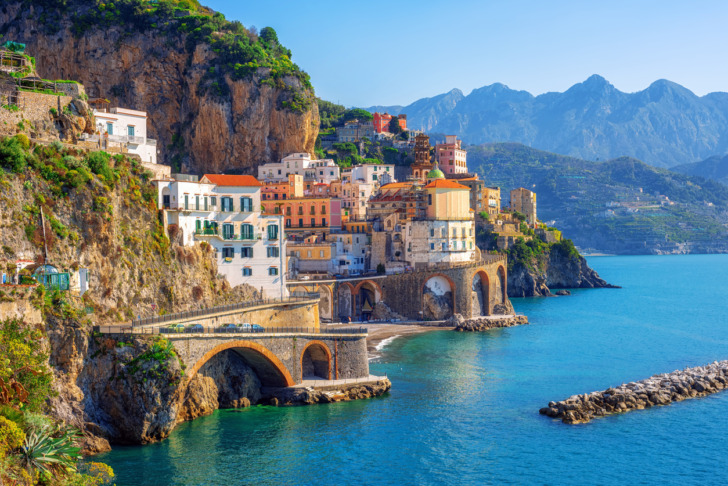
Amalfi is one of the most famous towns on Italy’s Amalfi Coast, tucked between cliffs and the Tyrrhenian Sea in the Campania region.
It is smaller than many people expect, but it packs in a lot: a dramatic cathedral staircase, lemon groves, narrow alleys, ferry connections, beach clubs, cliffside roads, seafood restaurants, mountain paths, and the kind of sea views that make people suddenly understand why Italy has such a strong tourism reputation.
Amalfi was once a powerful maritime republic, and today it is a polished but very busy coastal destination.
From a safety point of view, Amalfi is generally very safe.
The main risks are not violent crime, but crowds, traffic, pickpockets, steep streets, ferry disruption, sun exposure, swimming conditions, and the famously stressful Amalfi Coast roads.
Warnings & Dangers in Amalfi

OVERALL RISK: LOW
Amalfi is a low-risk destination for most travelers. Violent crime is rare, the town is heavily touristed, and the main areas are safe during the day and evening. The biggest concerns are petty theft, road safety, crowding, heat, slippery steps, ferry delays, and swimming or boating in poor conditions.

TRANSPORT & TAXIS RISK: MEDIUM
Transport risk is medium because Amalfi Coast roads are narrow, winding, crowded, and stressful. Buses can be packed, taxis are expensive, and driving is not for nervous visitors. Ferries are often the easiest option in season, but they can be delayed or canceled by rough seas.

PICKPOCKETS RISK: MEDIUM
Pickpocketing is not extreme, but it can happen in crowded areas like Piazza Duomo, ferry docks, bus stops, beaches, markets, and packed lanes. Keep bags zipped, avoid back-pocket wallets, and watch your phone when taking photos or navigating through crowds.

NATURAL DISASTERS RISK: MEDIUM
Natural hazard risk is medium because Amalfi sits between cliffs and the sea. Heavy rain can trigger landslides, rockfall, flooding, slippery stairs, and road closures. Summer heat, rough seas, and occasional storms can also affect plans. The landscape is beautiful, but it is not flat, simple, or forgiving.

MUGGING RISK: LOW
Mugging is rare in Amalfi. Visitors can generally walk around the town center, marina, restaurants, and main streets comfortably. The risk is slightly higher late at night in quiet alleys, isolated beach areas, or if walking alone with valuables after drinking, but serious incidents are uncommon.

TERRORISM RISK: LOW
The terrorism risk in Amalfi is low. It is a small coastal tourism town rather than a major political or financial target. Travelers should still use basic awareness in crowded public areas, transport hubs, ports, and large events, but terrorism is not a major concern for most visitors.

SCAMS RISK: LOW
Scams are not a major issue in Amalfi, but tourists should expect high prices and occasional overcharging. Watch for unclear taxi fares, expensive boat trips, vague restaurant pricing, and inflated parking costs. Confirm prices before agreeing, especially for private transfers, luggage help, boat tours, and taxis.

WOMEN TRAVELERS RISK: LOW
Amalfi is generally safe for women travelers, including solo travelers. The town center, waterfront, restaurants, hotels, and ferries feel comfortable. Women should still use normal precautions at night, avoid isolated paths after dark, and be careful with alcohol or unfamiliar people in nightlife settings.

TAP WATER RISK: LOW
Tap water in Amalfi is safe to drink. Carry a refillable bottle, especially in summer when heat, stairs, walking, and sightseeing can be tiring. Bottled water is widely available, but tap water is fine for most travelers.
Safest Places to Visit in Amalfi
Piazza Duomo
Piazza Duomo is the heart of Amalfi and one of the safest places for visitors.
It is busy, central, scenic, and surrounded by cafes, shops, restaurants, and the famous Amalfi Cathedral.
During the day and early evening, there is steady foot traffic.
The main safety issue is crowding, especially around the cathedral steps and outdoor tables.
Amalfi Cathedral
Amalfi Cathedral, also known as the Duomo di Amalfi, is a safe and structured attraction.
The staircase is one of the town’s most iconic sights, but it can be tiring and slippery in the rain.
Watch your step, especially when crowds are moving up and down at the same time.
Amalfi Harbor and Ferry Area
The harbor is one of the most useful and safest areas for visitors, especially if you are taking ferries to Positano, Capri, Salerno, or other coastal towns.
It is busy and tourist-friendly.
Keep belongings close while waiting for boats, and check sea conditions if traveling on a tight schedule.
Atrani
Atrani is a tiny neighboring village just a short walk from Amalfi. It is quieter, prettier, and generally safe during daylight and early evening.
The walk between Amalfi and Atrani is manageable, but roads and tunnels require attention.
Use proper pedestrian routes and avoid careless walking near traffic.
Valle delle Ferriere
Valle delle Ferriere is a beautiful nature route above Amalfi with greenery, waterfalls, old mills, and mountain scenery.
It is safe when visited in good weather with proper shoes and enough water.
Do not attempt it casually in flip-flops, heavy rain, or extreme heat.
Places to Avoid in Amalfi
Narrow Roads Without Sidewalks
The Amalfi Coast roads are dramatic, but they are not always pedestrian-friendly.
Avoid walking along narrow road sections with no sidewalk, especially around bends, tunnels, or at night.
Buses, scooters, taxis, and cars pass close, and drivers may not have much room to maneuver.
Beach Areas Late at Night
Amalfi’s beach areas are pleasant during the day and early evening, but quiet sections after dark are not ideal for solo wandering.
The risk is low, but isolation, slippery stones, alcohol, and poor lighting can create problems.
Stick to active areas or return by taxi if needed.
Hiking Trails During Heavy Rain
Avoid hiking Valle delle Ferriere, cliff paths, or steep routes during heavy rain.
Trails can become slippery, streams can rise, and rockfall or landslides become more likely.
The Amalfi Coast is stunning, but wet stone steps and steep terrain can be dangerous.
Ferry Docks in Chaotic Crowds
The ferry area can become crowded when multiple boats arrive or depart.
This is not usually dangerous, but it is easy to lose track of bags, tickets, phones, or children.
Stay organized, arrive early, and keep essentials secure.
Tourist Restaurants With Vague Pricing
Amalfi is expensive, and not every beautiful table gives a beautiful bill.
Avoid restaurants where seafood prices, cover charges, service fees, or specials are unclear.
Ask before ordering fresh fish by weight or anything “market price.”
Wallet safety counts too.
Safety Tips for Traveling to Amalfi
- Use ferries when the sea is calm. Ferries are often the easiest and most scenic way to move between Amalfi Coast towns. They can save you from traffic, crowded buses, and stressful roads. But they depend on sea conditions, especially outside the calmest summer days. Check schedules and weather before building a tight itinerary around boats.
- Think twice before driving. Driving the Amalfi Coast looks romantic until you meet a bus on a cliffside bend while a scooter squeezes past your mirror. The roads are narrow, parking is expensive, and traffic can be heavy. If you are not confident with tight coastal roads, use ferries, buses, private transfers, or taxis instead.
- Protect your belongings in crowds. Amalfi is safe, but crowded tourist areas create opportunities for petty theft. Keep bags zipped in Piazza Duomo, ferry lines, bus stops, and beach areas. Do not leave phones on outdoor cafe tables. The town is charming, but charm does not stop a quick hand from grabbing an easy target.
- Wear shoes with grip. Amalfi has stairs, slopes, stone lanes, wet pavement, beach stones, and uneven paths. Good shoes matter, especially if you plan to explore side streets, walk to Atrani, visit the cathedral, or hike above town. Flip-flops are fine for the beach, not for pretending to be a mountain goat in an Italian village.
- Start hikes early. If you plan to hike around Amalfi, start early in the day. Morning is cooler, trails are quieter, and you have more daylight if the route takes longer than expected. Bring water, snacks, sun protection, and a charged phone. Avoid hiking during intense heat or after heavy rain.
- Watch children near roads and water. Amalfi is family-friendly, but the town has busy roads, steps, boats, docks, and deep water. Hold children’s hands near traffic and ferry areas, and supervise them closely at the beach. The setting is beautiful, but it is not a sealed resort environment.
- Confirm taxi and transfer prices first. Taxis and private transfers on the Amalfi Coast can be expensive. Before getting in, confirm the price, destination, luggage costs, waiting time, and whether the fare is fixed. This is especially important for trips to Positano, Ravello, Naples, Salerno, or the airport.
- Stay hydrated in summer. Summer in Amalfi can be hot, humid, and crowded. Walking up steps and waiting in sun-exposed ferry or bus areas can drain you quickly. Carry water, wear sunscreen, use a hat, and take breaks in the shade. A slow gelato stop is basically a safety strategy here.
- Avoid overpacking your itinerary. The Amalfi Coast is small on a map but slow in real life. Roads, boats, crowds, and stairs all take time. Trying to see Amalfi, Positano, Ravello, Capri, and Pompeii in one breath can make the trip stressful and less safe. Leave buffer time between transfers and activities.
- Buy travel insurance. Travel insurance is smart for Amalfi, especially if you have prepaid hotels, ferries, tours, or transfers. Weather can disrupt boats, roads can close, luggage can be delayed, and medical care can be expensive for visitors. Choose coverage for cancellations, delays, medical care, lost luggage, theft, and outdoor activities.
So... How Safe Is Amalfi Really?
Amalfi is very safe when it comes to violent crime.
It is a small, famous, tourism-focused town where visitors generally walk around comfortably, eat late, take photos, use ferries, and explore without feeling threatened.
For couples, families, women travelers, solo travelers, and older visitors, Amalfi is a comfortable destination.
The real safety story is more practical.
Amalfi is built into a steep coast, so movement can be tiring.
There are stairs, hills, narrow roads, crowded ferries, cliffside routes, beaches, and hiking paths.
The same geography that makes the town beautiful also creates risks: falls, traffic stress, heat exhaustion, slippery steps, rough seas, and occasional road disruption from weather.
Petty theft exists, mainly in crowded tourist settings, but it is not the defining danger.
Overpriced services and unclear transport costs are more common annoyances.
The biggest mistake travelers make is underestimating logistics.
The Amalfi Coast is not always fast or easy to move through, especially in peak season.
Overall, Amalfi is low risk for ordinary travel and medium risk for transport, hiking, summer crowds, and bad-weather conditions.
It is safe, gorgeous, and memorable, but it rewards patient travelers.
How Does Amalfi Compare?
| City | Safety Index |
|---|---|
| Amalfi |
82 |
| Palermo |
55 |
| Turin |
42 |
| Florence |
72 |
| Cinque Terre |
85 |
| Bari |
74 |
| Cagliari |
64 |
 Shawnee Shawnee | 76 |
| Amarillo | 65 |
 Rabat Rabat | 75 |
 Lodz Lodz | 84 |
 Alanya Alanya | 76 |
 Santo Domingo Santo Domingo | 50 |
Useful Information

Visas
Amalfi is in Italy, which is part of the Schengen Area. Many travelers can visit visa-free for up to 90 days within a 180-day period, depending on nationality. Others need a Schengen visa before arrival. Check passport validity and entry rules before booking.

Currency
Amalfi uses the euro. Credit and debit cards are widely accepted in hotels, restaurants, shops, and tour offices. Cash is useful for small cafes, tips, buses, beach services, public toilets, and backup. Use bank ATMs where possible and avoid carrying large amounts of cash.

Weather
Amalfi has hot, sunny summers and mild winters. Spring and autumn are usually the best balance for sightseeing, hiking, and fewer crowds. Summer visitors should pack light clothing, sunscreen, sunglasses, swimwear, a hat, and comfortable shoes. Bring a light layer for breezy evenings.

Airports
Amalfi does not have an airport. Most travelers arrive through Naples International Airport, then continue by private transfer, rental car, ferry, bus, or train-and-bus combination. Salerno is another useful transport hub. In season, ferries can make coastal travel easier than roads.

Travel Insurance
Travel insurance is recommended for Amalfi, especially if your trip includes ferries, hiking, boat tours, car rentals, prepaid hotels, or multiple Italian destinations. Choose coverage for medical care, cancellations, delays, lost luggage, theft, emergency transport, and weather-related disruption.
Amalfi Weather Averages (Temperatures)
Average High/Low Temperature
| Temperature / Month | Jan | Feb | Mar | Apr | May | Jun | Jul | Aug | Sep | Oct | Nov | Dec |
|---|---|---|---|---|---|---|---|---|---|---|---|---|
| High °C |
12 | 13 | 15 | 18 | 22 | 27 | 30 | 30 | 26 | 21 | 17 | 13 |
| Low °C |
3 | 4 | 6 | 8 | 14 | 18 | 21 | 22 | 18 | 15 | 12 | 4 |
| High °F |
54 | 55 | 59 | 64 | 72 | 81 | 86 | 86 | 79 | 70 | 63 | 55 |
| Low °F |
37 | 39 | 43 | 46 | 57 | 64 | 70 | 72 | 64 | 59 | 54 | 39 |
Italy - Safety by City
| City | Safety Index |
|---|---|
| Amalfi | 82 |
| Bari | 74 |
| Bologna | 56 |
| Cagliari | 64 |
| Catania | 65 |
| Cinque Terre | 85 |
| Florence | 72 |
| Genoa | 60 |
| Matera | 83 |
| Milan | 65 |
| Naples | 62 |
| Palermo | 55 |
| Perugia | 60 |
| Pisa | 61 |
| Positano | 83 |
| Rimini | 62 |
| Rome | 65 |
| Sassari | 81 |
| Siena | 84 |
| Sorrento | 75 |
| Taormina | 80 |
| Turin | 42 |
| Vatican City | 72 |
| Venice | 72 |
| Verona | 65 |