


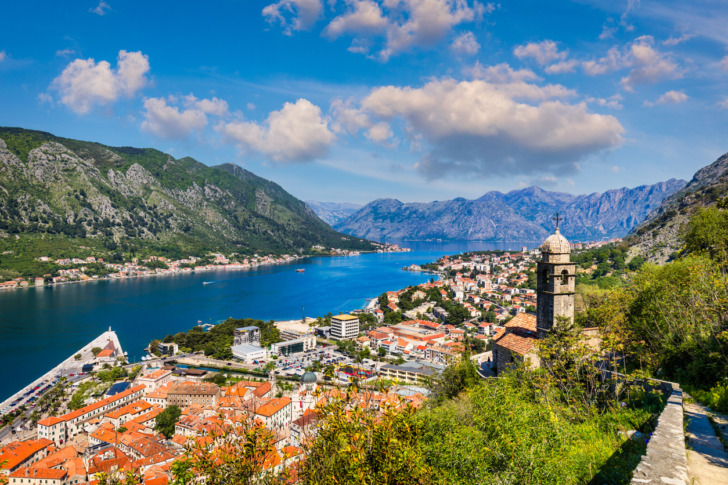
Kotor is one of Montenegro’s most dramatic coastal towns, tucked deep inside the Bay of Kotor between steep limestone mountains and calm Adriatic waters.
It looks like a medieval movie set that somehow got a marina, cruise ships, seafood restaurants, and hiking trails all squeezed into one postcard-perfect corner.
The Old Town is a maze of stone alleys, churches, cats, cafes, and tiny squares, while the fortress trail climbs high above the bay for one of the best views in the Balkans.
Kotor is generally very safe for travelers, especially when it comes to violent crime.
The bigger concerns are summer crowds, pickpocketing, traffic on narrow coastal roads, heat, slippery steps, cruise-ship congestion, and water safety.
Warnings & Dangers in Kotor

OVERALL RISK: LOW
Kotor is a low-risk destination for most travelers. Violent crime is uncommon, the Old Town is compact, and tourism is central to the local economy. The main issues are petty theft during the busy season, crowded streets when cruise ships arrive, overpriced tourist services, hot summer conditions, and road safety.

TRANSPORT & TAXIS RISK: MEDIUM
Transport risk is medium because roads around the Bay of Kotor are narrow, winding, and busy in summer. Taxis are generally safe, but prices should be agreed on or metered. Driving can be stressful for visitors, especially near the Old Town, coastal villages, parking areas, and mountain roads.

PICKPOCKETS RISK: MEDIUM
Pickpocketing is not extreme, but the risk rises in summer, especially in the Old Town, bus station, beaches, markets, cruise-port areas, and crowded squares. Keep bags closed, avoid back-pocket wallets, and stay alert when streets are packed with tour groups.

NATURAL DISASTERS RISK: MEDIUM
Kotor has a medium natural disaster risk because Montenegro can experience earthquakes, wildfires, heavy rain, rockfall, and intense summer heat. The steep mountains around the bay make hiking and driving more weather-sensitive. After storms, trails and stone steps can become slippery and dangerous.

MUGGING RISK: LOW
Mugging is rare in Kotor. Most visitors can walk through the Old Town and waterfront comfortably, even in the evening. The risk increases slightly in quiet areas late at night, especially if alcohol is involved. Use normal caution and avoid isolated paths after dark.

TERRORISM RISK: LOW
The terrorism risk in Kotor is low. Montenegro is not generally considered a high-risk destination for terrorist attacks, and Kotor is mainly a tourism and cruise destination. Travelers should still stay aware in crowded areas, ports, festivals, and major public events, but this is not a major concern.

SCAMS RISK: MEDIUM
Scams in Kotor usually involve overcharging rather than serious fraud. Watch for inflated taxi fares, unclear boat-trip prices, tourist-menu markups, parking confusion, and rushed excursion sales near the port. Confirm prices before agreeing and be especially careful on heavy cruise-ship days.

WOMEN TRAVELERS RISK: LOW
Kotor is generally safe for women travelers, including solo travelers. The Old Town, waterfront, restaurants, and main hotels feel comfortable. Women should still avoid isolated late-night walks, be careful with alcohol, and use taxis if staying outside the central area or returning from nightlife.

TAP WATER RISK: LOW
Tap water in Kotor is generally safe to drink, though some travelers prefer bottled water because of taste or sensitive stomachs. In summer, carry extra water everywhere, especially if hiking the fortress trail or taking boat trips. Dehydration is a bigger issue than water safety.
Safest Places to Visit in Kotor
Kotor Old Town
Kotor Old Town is the safest and most popular area for visitors.
It is enclosed by medieval walls, mostly pedestrianized, and filled with restaurants, shops, churches, museums, and small squares.
It is very comfortable during the day and early evening.
The main risks are crowds, slippery stone streets after rain, and pickpockets when cruise passengers flood the lanes.
Kotor Waterfront and Marina
The waterfront and marina are safe, scenic, and easy to explore.
This is where you will find bay views, boats, cafes, and access to tours.
It is busiest during the day and around sunset.
Stay aware near traffic, watch your belongings in crowds, and avoid walking too close to the water after drinking.
San Giovanni Fortress Trail
The fortress trail is one of Kotor’s best experiences, but it is safest when treated like a real hike, not a casual staircase.
Go early, bring water, wear shoes with grip, and avoid climbing in midday summer heat.
The views are incredible, but the stone steps are uneven and exposed.
Perast
Perast, a short trip from Kotor, is one of the safest and prettiest places around the bay.
It is small, elegant, and popular for waterfront walks, restaurants, and boat trips to Our Lady of the Rocks.
The main safety concern is traffic along the narrow waterfront road.
Dobrota
Dobrota is a quieter waterfront area stretching north of Kotor.
It is safe, scenic, and good for walking along the bay, staying in guesthouses, or escaping the Old Town crowds.
It is best during daylight and early evening.
Use caution because cars and pedestrians often share narrow spaces.
Places to Avoid in Kotor
The Fortress Trail in Midday Summer Heat
The San Giovanni Fortress trail is not a place to casually start at noon in July or August.
The climb is exposed, steep, and hot, with uneven stone steps.
Heat exhaustion, dehydration, and slips are realistic risks.
Go early morning or late afternoon, and skip it if you are not feeling well.
Cruise-Port Crowds on Peak Days
Kotor’s Old Town can become packed when large cruise ships arrive.
These days are not dangerous, but they can be uncomfortable, slow, and more attractive to pickpockets.
If several ships are in port, visit early, take breaks outside the walls, and keep valuables secure.
Narrow Coastal Roads After Dark
The roads around the Bay of Kotor are beautiful but tight, winding, and sometimes poorly lit.
Avoid unnecessary late-night driving, especially if you are unfamiliar with local road conditions.
Be extra cautious between Kotor, Perast, Dobrota, Tivat, and the mountain roads above the bay.
Unofficial Boat Offers With Vague Pricing
Boat trips are a highlight of Kotor, but avoid operators who cannot clearly explain the price, route, duration, group size, and weather policy.
This is especially important for trips to the Blue Cave, Our Lady of the Rocks, and bay tours.
Choose licensed, reviewed, or hotel-recommended operators.
Isolated Paths Outside the Old Town Late at Night
Kotor is safe, but it is still better to avoid isolated waterfront paths, dark lanes, and quiet hillside routes late at night.
The risk is low, but if you are alone or have been drinking, take a taxi or stay on main streets.
Safety Tips for Traveling to Kotor
- Visit the Old Town early in the day. Kotor’s Old Town is magical, but it can become packed when cruise ships arrive. Early morning is calmer, cooler, and much better for photos. It also reduces your exposure to pickpockets and crowd stress. If you are staying overnight, enjoy the town before day-trippers arrive and again after they leave.
- Treat the fortress climb seriously. The hike to San Giovanni Fortress is short compared with mountain hikes, but it is steep, exposed, and full of uneven steps. Wear real shoes, not flimsy sandals. Bring water, use sunscreen, and go early in summer. If the stones are wet, slow down. The view is worth it, but your ankles are worth more.
- Watch your belongings on cruise-ship days. Kotor’s crime risk is low, but crowds create opportunity. Keep your bag zipped and in front of you in the Old Town, port area, bus station, and packed squares. Do not leave phones on cafe tables near busy walkways. Most visitors have no problems, but easy targets are easy targets.
- Be careful with taxi pricing. Taxis can be useful, especially if you are staying outside the Old Town or visiting nearby towns. Before getting in, ask whether the meter will be used or agree on the fare. This matters most near the port, bus station, and tourist-heavy areas. Hotel-arranged taxis may cost more but are often smoother.
- Do not underestimate the summer heat. Kotor can feel intensely hot in summer because the mountains trap heat around the bay. Drink water, take shade breaks, wear a hat, and avoid intense walking during the hottest part of the day. Heat is one of the most realistic safety problems here, especially for hikers and older travelers.
- Book boat trips carefully. Bay tours are wonderful, but conditions and operators vary. Ask about life jackets, trip length, route, swimming stops, group size, and what happens if weather changes. For longer rides to the Blue Cave, remember that the open-water sections can be choppy. Cheap is not always the best deal.
- Avoid driving into the Old Town area if you can. Parking near Kotor Old Town can be difficult, expensive, and stressful in high season. Traffic jams happen quickly when cruise ships, buses, taxis, and rental cars all squeeze into the same small area. If possible, stay within walking distance, use local taxis, or park farther away and walk in.
- Use caution on wet stone streets. Kotor’s stone streets and steps are gorgeous, but they can get slick after rain. This applies inside the Old Town and on the fortress trail. Wear shoes with grip and slow down on stairs, polished stone, and steep lanes. The danger is not dramatic, just very practical.
- Keep swim safety in mind. The Bay of Kotor is usually calmer than open sea beaches, but swimmers should still be careful around boats, docks, ladders, and slippery rocks. Use designated swimming areas when possible. Do not jump into unknown water, and be cautious if you have been drinking at a beach bar or waterfront restaurant.
- Carry travel insurance. Kotor is safe, but travel insurance is still smart. Hiking slips, scooter incidents, boat-trip problems, lost luggage, delayed flights, and medical needs can happen anywhere. If your trip includes hiking, renting a car, boat tours, or multiple Balkan countries, check that your policy covers those activities and destinations.
So... How Safe Is Kotor Really?
Kotor is genuinely safe for most travelers.
The overall crime rate in Montenegro is low, and tourists are not usually targets of violent crime.
Kotor’s Old Town is compact, busy, and tourism-focused, which makes it feel comfortable for solo travelers, couples, families, cruise passengers, and older visitors.
I would rank it as a low-risk destination overall.
The main risks are seasonal and practical.
In summer, Kotor becomes crowded, hot, and more expensive.
Cruise ships can turn the Old Town from peaceful to packed in a matter of hours.
That does not make it dangerous, but it does increase the chance of pickpocketing, overcharging, crowd stress, and traffic problems.
Nature is the other big factor.
The mountains and bay are beautiful, but they come with steep trails, heat, slippery stones, rockfall potential, and narrow roads.
The fortress hike is the perfect example: safe if you prepare, risky if you treat it like a casual walk in flip-flops.
So, how safe is Kotor really?
Very safe, as long as you respect the terrain, avoid tourist traps, plan around crowds, and do not underestimate summer heat.
It is one of the easier and safer Adriatic destinations, but it rewards travelers who stay practical.
How Does Kotor Compare?
| City | Safety Index |
|---|---|
 Kotor Kotor |
79 |
| Budva |
75 |
| Podgorica |
51 |
 Antwerp Antwerp | 65 |
 Weslaco Weslaco | 68 |
| Estherville | 93 |
| Hannibal | 76 |
 Bern Bern | 85 |
| Gresham | 70 |
Useful Information

Visas
Montenegro allows visa-free stays for many nationalities, often up to 90 days, but rules depend on your passport. Some travelers need a visa before arrival. Check entry rules before booking, especially if combining Montenegro with Croatia, Albania, Serbia, or Bosnia and Herzegovina.

Currency
Montenegro uses the euro, even though it is not part of the eurozone. Cash is useful for small cafes, taxis, parking, markets, and boat trips, while cards are widely accepted in hotels and many restaurants. Use bank ATMs when possible and avoid poor exchange rates in tourist-heavy spots.

Weather
Kotor has hot, dry summers and mild, wetter winters. Summer is best for swimming but can be crowded and very hot. Spring and autumn are excellent for sightseeing and hiking. Pack breathable clothing, sunscreen, swimwear, comfortable walking shoes, and a light rain layer outside summer.

Airports
The closest airport is Tivat Airport, only a short drive from Kotor, though traffic can make the trip longer in summer. Podgorica Airport is another option, usually farther but sometimes better connected. Dubrovnik Airport in Croatia is also popular, but border crossings can add time.

Travel Insurance
Travel insurance is strongly recommended for Kotor, especially if you plan to hike, rent a car, take boat trips, or travel around the Balkans. Look for coverage for medical care, delays, cancellations, lost luggage, and emergency transport. Mountain and water activities should be covered too.
Kotor Weather Averages (Temperatures)
Average High/Low Temperature
| Temperature / Month | Jan | Feb | Mar | Apr | May | Jun | Jul | Aug | Sep | Oct | Nov | Dec |
|---|---|---|---|---|---|---|---|---|---|---|---|---|
| High °C |
9 | 10 | 14 | 18 | 23 | 27 | 30 | 30 | 26 | 21 | 16 | 11 |
| Low °C |
1 | 2 | 5 | 8 | 12 | 16 | 18 | 18 | 15 | 11 | 7 | 3 |
| High °F |
48 | 50 | 57 | 64 | 73 | 81 | 86 | 86 | 79 | 70 | 61 | 52 |
| Low °F |
34 | 36 | 41 | 46 | 54 | 61 | 64 | 64 | 59 | 52 | 45 | 37 |
Montenegro - Safety by City
| City | Safety Index |
|---|---|
| Budva | 75 |
| Kotor | 79 |
| Podgorica | 51 |
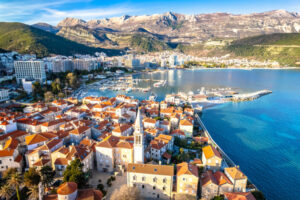













Climbing up to the fortress was exhausting but the view over the bay made every sweaty step totally worth it.
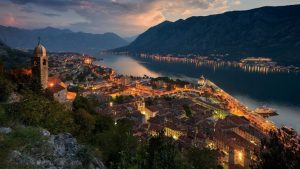
That climb up to the fortress had me sweating like mad but the view totally made it worth the shaky knees.