


 None : Safety by City
- Alabama
- Alaska
- Arizona
- Arkansas
- California
- Carmel-by-the-Sea
- Colorado
- Connecticut
- Delaware
- Florida
- Galveston
- Georgia
- Hawaii
- Idaho
- Illinois
- Indiana
- Iowa
- Kansas
- Kentucky
- Louisiana
- Maine
- Maryland
- Massachusetts
- Michigan
- Minnesota
- Mississippi
- Missouri
- Montana
- Monterey
- Nebraska
- Nevada
- New Hampshire
- New Jersey
- New Mexico
- New York
- North Carolina
- North Dakota
- Ohio
- Oklahoma
- Oregon
- Pennsylvania
- Rhode Island
- Skagway
- South Carolina
- South Dakota
- Tahoe City
- Tennessee
- Texas
- Utah
- Vermont
- Virginia
- Washington
- Washington DC
- West Virginia
- Wisconsin
- Wyoming
Skagway is one of Alaska’s most fascinating little towns, tucked at the northern end of the Inside Passage in Southeast Alaska.
It sits between steep mountains and deep water, close to the Canadian border, and became famous during the Klondike Gold Rush when thousands of hopeful prospectors passed through on their way to the Yukon.
Today, Skagway is a major Alaska cruise port, known for its wooden boardwalks, historic downtown, the White Pass & Yukon Route Railroad, hiking trails, glaciers, waterfalls, and rugged scenery that looks like it was built for dramatic movie trailers.
Skagway is very safe from a crime perspective, but it is still Alaska.
The real risks are weather, wildlife, slippery trails, remote hiking, cruise crowds, cold water, and visitors treating wilderness like a themed attraction with better air.
Warnings & Dangers in Skagway

OVERALL RISK: LOW
Skagway is a low-risk destination for most travelers. Violent crime is rare, the town is small, and tourist areas are easy to walk around safely. The bigger concerns are outdoor hazards, sudden weather changes, wildlife, slippery trails, and cruise-day crowds. Prepared visitors should feel very comfortable here.

TRANSPORT & TAXIS RISK: LOW
Transport in Skagway is generally safe, but options are limited. Most cruise passengers can walk around town, take shuttles, join tours, or ride the White Pass & Yukon Route Railroad. Taxis and rideshares may be limited, so do not assume big-city availability. Mountain roads and border routes require extra care in poor weather.

PICKPOCKETS RISK: LOW
Pickpocketing is uncommon in Skagway, but busy cruise days create crowds around Broadway, souvenir shops, tour meeting points, docks, and the train station. The risk is low, but not zero. Keep your wallet, phone, and cruise card secure, especially when moving with crowds or taking photos.

NATURAL DISASTERS RISK: MEDIUM
Skagway has a medium natural risk because of its mountain setting. Heavy rain, landslides, rockfall, snow, icy trails, avalanches in higher terrain, strong winds, and cold water can affect travel. Most visitors stay safe in town, but hikers and road-trippers need to check conditions and respect closures.

MUGGING RISK: LOW
Mugging is very rare in Skagway. The town center, cruise dock areas, historic district, and main streets are generally safe during the day and evening. Still, avoid wandering alone on dark trails, isolated roads, or waterfront areas late at night. In Skagway, nature is usually the bigger concern than people.

TERRORISM RISK: LOW
The terrorism risk in Skagway is low. It is a remote, small Alaska port town rather than a major political or security target. Normal awareness is enough around cruise terminals, public events, and transport areas. Travelers are far more likely to deal with rain, trail conditions, or tour timing than terrorism.

SCAMS RISK: LOW
Scams are uncommon in Skagway. The main issue is booking confusion or high tourist pricing during cruise season. Use reputable tour operators, confirm pickup locations, check cancellation policies, and know whether your tour returns before your ship departs. Most local businesses are legitimate and used to cruise traffic.

WOMEN TRAVELERS RISK: LOW
Skagway is safe for women travelers, including solo travelers. The town is compact, walkable, and friendly during tourist season. Normal precautions still apply: avoid isolated trails alone, use trusted tours, watch drinks in bars, and do not walk far from town late at night without knowing the route.

TAP WATER RISK: LOW
Tap water in Skagway is safe to drink. Bring a reusable bottle, especially if you plan to walk, hike, take a long tour, or ride the train. For backcountry streams or lakes, filter or treat water before drinking. Alaska water may look pure, but that does not make it automatically safe.
Safest Places to Visit in Skagway
Historic Downtown and Broadway
Skagway’s historic downtown is the safest and easiest place to start.
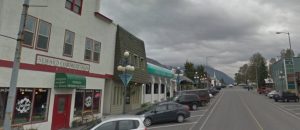
Broadway is lined with restored Gold Rush-era buildings, wooden sidewalks, shops, museums, restaurants, and tour offices.
It is especially lively when cruise ships are in port.
The area is very safe during the day, but crowds can get thick.
Keep your belongings secure, watch where you step on boardwalks in wet weather, and give yourself time to wander without rushing.
Klondike Gold Rush National Historical Park
The Klondike Gold Rush National Historical Park sites in town are safe, educational, and perfect for understanding why Skagway exists in the first place.
Visitor centers, exhibits, ranger programs, and preserved buildings make this one of the best low-risk activities in town.
It is also a good option if the weather is too wet or foggy for bigger outdoor plans.
White Pass & Yukon Route Railroad
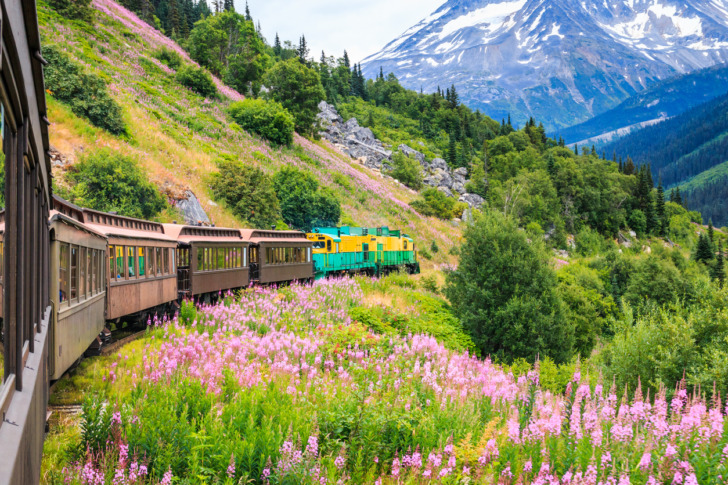
The White Pass & Yukon Route Railroad is one of Skagway’s classic experiences and a very safe way to see dramatic mountain scenery without hiking into remote terrain.
The route climbs through steep valleys, waterfalls, bridges, and historic Gold Rush landscapes.
Stay seated when required, follow staff instructions, and keep layers handy because the weather can change quickly as the train gains elevation.
Lower Dewey Lake Trail
Lower Dewey Lake is a popular hike close to town and a good choice for travelers who want a taste of Alaska nature without committing to a major backcountry route.
It is safe when conditions are good, but the trail can be steep, muddy, slippery, and rooty.
Wear proper shoes, bring water, and make noise for wildlife.
Skagway Waterfront and Cruise Dock Area
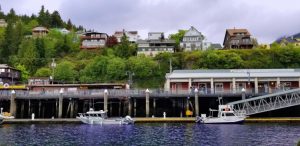
The waterfront and cruise dock area are safe, organized, and easy to navigate during the day.
This is where many visitors arrive, meet tours, and take photos of the surrounding mountains.
The main concerns are crowds, vehicle traffic, wet surfaces, and timing.
Know exactly when your ship departs, because Alaska port days are not the time for casual lateness.
Places to Avoid in Skagway
Remote Trails Without Proper Gear
Skagway has beautiful trails, but the landscape gets serious quickly.
Avoid remote routes if you do not have proper footwear, rain gear, layers, food, water, and navigation.
Cell service can be limited outside town.
A trail that starts near a cruise port can still become rugged, steep, and isolated faster than expected.
Closed or Warning-Marked Areas
If an area is closed because of rockfall, landslide risk, wildlife activity, construction, or trail damage, stay out.
Skagway’s terrain is steep, wet, and unstable in places.
Closure signs are not decorative.
They are there because Alaska has already had the argument with gravity and gravity won.
Dark Trails After Evening
The town itself is safe, but trails and wooded areas after dark are not ideal for casual wandering.
Poor lighting, uneven ground, wildlife, rain, and limited help nearby can create problems.
If you want an evening walk, stay in town or along well-used routes rather than heading into forested trails.
Unplanned Border or Highway Drives
The Klondike Highway toward Canada is scenic, but it is not something to treat casually in bad weather.
Fog, rain, snow, ice, steep grades, and limited services can affect the drive.
If crossing into Canada, make sure you have the right documents.
Do not assume a quick scenic drive has no logistics.
Overcrowded Cruise-Day Meeting Points
The busiest parts of Skagway are not dangerous, but they can be chaotic when several ships are in port.
Tour meeting areas, shuttle stops, train boarding points, and Broadway can get packed.
Give yourself extra time, keep your group together, and protect your phone, wallet, and cruise card.
Safety Tips for Traveling to Skagway
- Dress for rain, wind, and changing weather. Skagway weather can shift quickly, and Southeast Alaska is not shy about moisture. Bring a waterproof jacket, layers, and shoes that can handle wet wooden sidewalks, mud, and slippery trails. Even in summer, mornings can feel cool and damp. The visitor who packs layers has a better day than the visitor who trusts one optimistic weather app.
- Watch your cruise ship timing carefully. Many visitors come to Skagway by cruise ship, which means your schedule matters. Know your all-aboard time, not just the departure time. If you book an independent tour, make sure it is designed around cruise schedules and returns with plenty of buffer. Skagway is small, but missed-ship panic is very large.
- Use reputable tour operators. Skagway has excellent tours, including rail trips, glacier flights, dog sledding, hikes, gold rush history walks, and excursions into the Yukon. Book with reputable operators who explain timing, weather policies, safety gear, and pickup points clearly. Cheap or vague is not always a bargain in a remote place with limited backup options.
- Stay bear-aware on trails. Bear sightings near Skagway trails are not everyday events, but they can happen. Make noise while hiking, do not leave food unattended, keep snacks sealed, and give wildlife plenty of space. If you hike beyond town, consider carrying bear spray and know how to use it. Bears are not villains. They are just locals with very poor customer-service training.
- Wear proper shoes. This is not the place for slick sandals if you plan to do more than shop on Broadway. Trails can be muddy, rooty, steep, and wet. Wooden sidewalks and docks can also get slippery in rain. Good walking shoes or light hiking shoes make Skagway much easier and safer.
- Do not underestimate short hikes. Some hikes near town look easy because they start close to the cruise docks, but they can climb quickly and become rough. Lower Dewey Lake, for example, is close to town but still involves real trail conditions. Bring water, check the route, and give yourself enough time to return without rushing.
- Keep valuables secure in cruise crowds. Skagway has low crime, but crowded port days create opportunities for petty theft or simple loss. Keep your phone, wallet, ID, and cruise card secure. Do not leave bags unattended in shops, restaurants, tour buses, or train areas. Losing a cruise card in a tiny Alaska town is not the kind of side quest anyone needs.
- Be cautious around cold water. The water around Skagway is cold, and cold water can be dangerous quickly. Be careful near docks, rocky shorelines, rivers, and boat landings. Supervise children closely. If taking a boat or kayak excursion, wear a life jacket and follow guide instructions. Cold water does not give you much time to correct a mistake.
- Bring backup snacks and water. Skagway is tourist-friendly, but once you leave town on a tour, hike, or scenic drive, services may be limited. Bring water, snacks, and any medication you need for the day. This matters especially if weather delays a tour or you spend longer than planned outdoors.
- Respect Alaska distances and remoteness. Skagway feels easy because the town is compact, but Alaska is not small or simple. Roads, ferries, flights, weather, and tours can all be affected by conditions. Build flexibility into your plans, especially if connecting to other parts of Alaska or Canada. The safest Alaska traveler is the one who leaves room for Alaska to be Alaska.
So... How Safe Is Skagway Really?
Skagway is very safe for travelers when it comes to crime.
It is a small, tourism-focused town with a historic center that is easy to explore on foot, especially during cruise season.
Violent crime is rare, locals are used to visitors, and most people will feel comfortable walking around downtown, visiting museums, shopping, joining tours, and riding the train.
The real safety story is the environment.
Skagway sits in a steep, wet, mountainous part of Southeast Alaska.
That means slippery trails, rain, rockfall zones, wildlife, cold water, remote hiking conditions, and rapidly changing weather.
Cruise visitors also need to manage timing carefully because shore excursions, train rides, and independent walks all have to fit within a fixed port schedule.
I would rate Skagway as low risk overall, with medium risk for hiking, weather, wildlife, and remote excursions.
It is not a dangerous destination, but it is a place where preparation matters.
Wear proper shoes, bring layers, watch trail conditions, use reputable tours, and stay aware of your return time.
Do that, and Skagway is one of Alaska’s safest and most rewarding small-town stops.
How Does Skagway Compare?
| City | Safety Index |
|---|---|
| Skagway |
92 |
 Pocatello Pocatello |
78 |
 Boulder City Boulder City |
74 |
 Georgetown Georgetown |
74 |
 Oakley Oakley |
82 |
 Slidell Slidell |
76 |
| Lake Charles |
73 |
 Ensenada Ensenada | 78 |
 Aleppo Aleppo | 28 |
 Shanghai Shanghai | 70 |
 Montreal Montreal | 82 |
 Ponce Ponce | 48 |
| Mexicali | 40 |
Useful Information

Visas
Skagway is in Alaska, United States. International travelers must follow U.S. entry rules, which may require a tourist visa or Visa Waiver Program authorization. Cruise passengers should also check whether their itinerary enters Canada, since Canadian entry rules may apply for certain routes or excursions into the Yukon.

Currency
Skagway uses the U.S. dollar. Credit and debit cards are widely accepted in shops, restaurants, tour offices, and attractions, but some cash is useful for tips, small purchases, and backup. Prices can be high during cruise season, especially for tours, souvenirs, and specialty items.

Weather
Skagway has cool, variable weather, with mild summers, cold winters, rain, wind, and fast-changing mountain conditions. Summer visitors should still pack layers, a rain jacket, and sturdy shoes. Weather can be different in town, on the train route, and higher in the mountains, so dress flexibly.

Airports
Skagway has a small airport with limited air service, often connecting through nearby communities such as Juneau. Most visitors arrive by cruise ship, ferry, or road via the Klondike Highway. Juneau is the nearest major regional gateway, but there is no direct road from Juneau to Skagway, so flights and ferries matter.

Travel Insurance
Travel insurance is recommended for Skagway, especially if you are cruising, taking small aircraft, joining outdoor tours, hiking, or traveling onward through Alaska and Canada. Coverage should include medical care, cancellations, missed connections, lost luggage, weather delays, evacuation, and adventure activities if you plan to do them.
Skagway Weather Averages (Temperatures)
Average High/Low Temperature
| Temperature / Month | Jan | Feb | Mar | Apr | May | Jun | Jul | Aug | Sep | Oct | Nov | Dec |
|---|---|---|---|---|---|---|---|---|---|---|---|---|
| High °C |
-1 | 1 | 3 | 9 | 14 | 17 | 18 | 17 | 13 | 8 | 2 | 0 |
| Low °C |
-6 | -5 | -3 | 1 | 6 | 10 | 12 | 11 | 8 | 3 | -3 | -5 |
| High °F |
30 | 34 | 37 | 48 | 57 | 63 | 64 | 63 | 55 | 46 | 36 | 32 |
| Low °F |
21 | 23 | 27 | 34 | 43 | 50 | 54 | 52 | 46 | 37 | 27 | 23 |
None - Safety by City
| City | Safety Index |
|---|---|
| Alabama | 80 |
| Alaska | 65 |
| Arizona | 86 |
| Arkansas | 74 |
| California | 70 |
| Carmel-by-the-Sea | 88 |
| Colorado | 82 |
| Connecticut | 86 |
| Delaware | 70 |
| Florida | 70 |
| Galveston | 66 |
| Georgia | 65 |
| Hawaii | 78 |
| Idaho | 85 |
| Illinois | 77 |
| Indiana | 61 |
| Iowa | 82 |
| Kansas | 81 |
| Kentucky | 64 |
| Louisiana | 68 |
| Maine | 86 |
| Maryland | 65 |
| Massachusetts | 84 |
| Michigan | 80 |
| Minnesota | 74 |
| Mississippi | 65 |
| Missouri | 64 |
| Montana | 88 |
| Monterey | 82 |
| Nebraska | 82 |
| Nevada | 79 |
| New Hampshire | 85 |
| New Jersey | 85 |
| New Mexico | 65 |
| New York | 82 |
| North Carolina | 64 |
| North Dakota | 82 |
| Ohio | 80 |
| Oklahoma | 65 |
| Oregon | 88 |
| Pennsylvania | 59 |
| Rhode Island | 85 |
| Skagway | 92 |
| South Carolina | 65 |
| South Dakota | 77 |
| Tahoe City | 82 |
| Tennessee | 55 |
| Texas | 65 |
| Utah | 86 |
| Vermont | 85 |
| Virginia | 87 |
| Washington | 88 |
| Washington DC | 56 |
| West Virginia | 61 |
| Wisconsin | 64 |
| Wyoming | 70 |
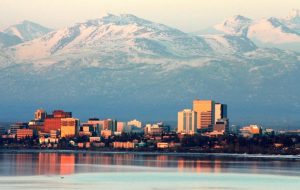












That feeling when you step off the cruise and realize the chilly wind isn’t just a tourist vibe but the real deal hitting your face.
Nothing quite wakes you up like slipping on a damp wooden boardwalk while trying to admire those crazy steep mountains.