 None : Safety by City
- Alabama
- Alaska
- Arizona
- Arkansas
- California
- Carmel-by-the-Sea
- Colorado
- Connecticut
- Delaware
- Florida
- Galveston
- Georgia
- Hawaii
- Idaho
- Illinois
- Indiana
- Iowa
- Kansas
- Kentucky
- Louisiana
- Maine
- Maryland
- Massachusetts
- Michigan
- Minnesota
- Mississippi
- Missouri
- Montana
- Monterey
- Nebraska
- Nevada
- New Hampshire
- New Jersey
- New Mexico
- New York
- North Carolina
- North Dakota
- Ohio
- Oklahoma
- Oregon
- Pennsylvania
- Rhode Island
- Skagway
- South Carolina
- South Dakota
- Tahoe City
- Tennessee
- Texas
- Utah
- Vermont
- Virginia
- Washington
- Washington DC
- West Virginia
- Wisconsin
- Wyoming
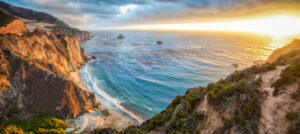
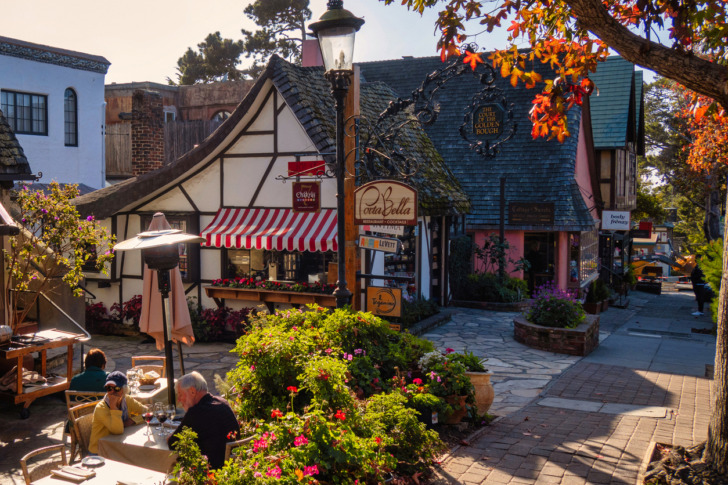
Carmel-by-the-Sea is one of California’s prettiest small towns, sitting on the Monterey Peninsula along the state’s central coast.
It is the kind of place where cottages look like they were designed by storybook architects, cypress trees lean dramatically into the ocean wind, and even a simple beach walk feels slightly cinematic.
The town is known for Carmel Beach, art galleries, boutique inns, fairytale-style homes, wine tasting rooms, dog-friendly streets, and easy access to 17-Mile Drive, Pebble Beach, Big Sur, and Monterey.
Carmel is very safe for travelers, especially compared with larger California cities, but it is not completely risk-free.
The main concerns are car break-ins, ocean conditions, foggy roads, expensive parking mistakes, wildfire smoke, coastal erosion, and tourists underestimating the power of the Pacific.
Warnings & Dangers in Carmel-by-the-Sea

OVERALL RISK: LOW
Carmel-by-the-Sea is a low-risk destination for tourists. Violent crime is rare, the town is walkable, and the central area feels calm and polished. The main safety concerns are petty theft, car break-ins, ocean hazards, foggy driving conditions, and high travel costs. Most visitors should feel very comfortable here.

TRANSPORT & TAXIS RISK: LOW
Transport is safe, but Carmel is easiest with a car, especially if you want to explore Big Sur, Monterey, Pacific Grove, or 17-Mile Drive. Roads are scenic but can be narrow, foggy, and winding. Taxis and rideshares may be available, but they are not always as instant as in big cities.

PICKPOCKETS RISK: LOW
Pickpocketing is uncommon in Carmel. The town does not have dense urban crowds, and the atmosphere is relaxed. Still, keep normal awareness in galleries, wine bars, restaurants, beach areas, and busy shopping streets. Car break-ins are more realistic than classic pickpocketing, so do not leave valuables visible in parked vehicles.

NATURAL DISASTERS RISK: MEDIUM
Carmel has a medium natural risk because of coastal and California hazards. Earthquakes, wildfires, wildfire smoke, winter storms, coastal erosion, high surf, flooding, and landslides along nearby Highway 1 can affect travel. Most visits are smooth, but weather and road conditions matter, especially for Big Sur day trips.

MUGGING RISK: LOW
Mugging is very rare in Carmel-by-the-Sea. The village center, beach area, hotels, restaurants, and shopping lanes are generally safe during the day and evening. Still, avoid isolated beach paths or dark residential streets late at night if alone. Low risk does not mean no need for basic awareness.

TERRORISM RISK: LOW
The terrorism risk in Carmel-by-the-Sea is low. It is a peaceful coastal town, not a major political, financial, or transport target. Travelers are much more likely to deal with weather, road closures, ocean safety, or parking issues than terrorism. General public awareness is enough.

SCAMS RISK: LOW
Scams are uncommon in Carmel. The more realistic issue is high pricing. Hotels, restaurants, wine tastings, galleries, parking, and nearby attractions can be expensive. Be careful with unofficial vacation rentals, unclear cancellation policies, and too-good-to-be-true lodging offers during peak season. Book through reputable channels.

WOMEN TRAVELERS RISK: LOW
Carmel is very safe for women travelers, including solo women. The town is walkable, calm, and visitor-friendly. Normal precautions still apply: avoid isolated beach areas late at night, use trusted transport if drinking, keep your phone charged, and choose accommodation close to the village center if you want easy evening walks.

TAP WATER RISK: LOW
Tap water in Carmel-by-the-Sea is safe to drink. Bring a reusable bottle, especially for beach walks, hikes, and drives along the coast. Bottled water is easy to find, but not necessary for safety. If hiking or visiting parks nearby, carry enough water because coastal walks can be more tiring than they look.
Safest Places to Visit in Carmel-by-the-Sea
Ocean Avenue
Ocean Avenue is the heart of Carmel and one of the safest, easiest places to explore.
It runs through the village toward Carmel Beach and is lined with boutiques, cafes, galleries, restaurants, tasting rooms, and charming courtyards.
It is busy enough to feel lively but not chaotic.
The main things to watch here are traffic at crossings, uneven sidewalks, and your budget.
Carmel has a special talent for making a casual afternoon become a shopping expedition.
Carmel Beach
Carmel Beach is beautiful, wide, and generally safe during the day.
It is popular with walkers, families, surfers, photographers, and dog owners.
The biggest risk is the ocean.
The Pacific can be cold, rough, and unpredictable, with strong waves and rip currents.
Enjoy the beach, but be cautious about swimming and keep children and dogs away from dangerous surf.
Scenic Road
Scenic Road is one of the best walking and driving routes in Carmel, with ocean views, beach access points, and gorgeous homes.
It is safe and peaceful, especially during daylight.
Watch for narrow road sections, pedestrians, cyclists, and parked cars.
If walking, stay aware of traffic and avoid stepping into the road for photos without looking.
Mission Trail Park
Mission Trail Park is a safe, wooded nature area close to town, with walking paths, native plants, and a quieter feel than the village streets.
It is good for a short hike without leaving Carmel.
Trails can be uneven or muddy after rain, so wear decent shoes and avoid wandering after dark.
Carmel Mission Basilica
Carmel Mission Basilica is one of the area’s most important historic sites and a safe daytime stop.
It offers architecture, gardens, museum spaces, and a deeper look at California history.
The area is calm and easy to visit.
As with any attraction, lock your car and keep valuables out of sight.
Places to Avoid in Carmel-by-the-Sea
The Ocean During Rough Surf
This is the biggest safety warning in Carmel.
The beach may look inviting, but rough surf, cold water, sneaker waves, and rip currents can be dangerous.
Avoid swimming when conditions are rough, and do not turn your back on the ocean near the waterline.
Children and dogs should be watched closely.
Isolated Beach Areas After Dark
Carmel Beach is lovely at sunset, but empty beach areas after dark are less ideal, especially if you are alone.
Crime risk is low, but darkness, uneven sand, cold water, and limited visibility create safety issues.
Stick to main access points and well-lit routes back into town.
Parking Areas With Valuables in the Car
Car break-ins are one of the more realistic tourist risks around the Monterey Peninsula.
Do not leave bags, laptops, cameras, passports, or shopping visible in your vehicle.
This applies in town, beach lots, trailheads, scenic pullouts, and Big Sur stops.
Hide valuables before parking, not after arriving.
Highway 1 During Storms or Closures
The coastal drive toward Big Sur is spectacular, but storms, landslides, falling rocks, fog, and road closures can change plans quickly.
Avoid driving Highway 1 in dangerous weather or after closure warnings.
If you are doing a day trip, check road conditions and give yourself plenty of daylight.
Unofficial or Suspicious Vacation Rentals
Carmel lodging can be expensive, and that creates room for fake or misleading rental listings.
Avoid deals that seem unusually cheap, require odd payment methods, or provide unclear addresses.
Use reputable booking channels and confirm cancellation rules, parking details, and local short-term rental restrictions before paying.
Safety Tips for Traveling to Carmel-by-the-Sea
- Do not underestimate the ocean. Carmel Beach is stunning, but the Pacific is cold and powerful. Strong waves, rip currents, and sneaker waves can catch visitors off guard. Even if you are not swimming, stay alert near the waterline. Do not turn your back on the surf, and keep kids and dogs close. This is easily the most important natural safety rule in Carmel.
- Keep valuables out of your car. Carmel itself is safe, but car break-ins can happen anywhere tourists park. Never leave purses, backpacks, cameras, laptops, luggage, or shopping bags visible. If you are road-tripping, store items in the trunk before you reach your destination. Thieves notice when travelers move valuables after parking.
- Wear shoes that can handle hills and sand. Carmel is walkable, but it is not perfectly flat. You will deal with sloped streets, beach sand, uneven paths, and sometimes damp coastal surfaces. Comfortable shoes make a big difference. If you plan to walk from the village down to the beach and back, remember that the return is uphill. Cute shoes may file a formal complaint.
- Plan for fog and cool weather. Carmel can be cool, breezy, and foggy even when inland California is hot. Bring layers, especially for mornings, evenings, beach walks, and coastal drives. A light jacket or sweater is useful most of the year. The weather can shift quickly, and the ocean breeze has no interest in your vacation outfit plan.
- Check road conditions before driving to Big Sur. Many visitors use Carmel as a base for Big Sur, and that is a great idea when conditions are good. But Highway 1 can be affected by storms, landslides, construction, fog, and closures. Check conditions before leaving, carry water, keep fuel in the car, and avoid rushing the drive. It is scenic, not a racetrack.
- Be careful on cliffs and viewpoints. Carmel and the surrounding coast have beautiful viewpoints, but cliffs, rocks, and edges can be unstable or slippery. Stay behind barriers, avoid climbing over fences, and do not risk a fall for a photo. The best coastal pictures are taken from safe ground. Gravity is very consistent about enforcing its rules.
- Use caution with dogs at the beach. Carmel is famously dog-friendly, and Carmel Beach is a joy if you are traveling with a dog. Still, the surf can be dangerous, and not every dog understands waves, currents, or steep beach drop-offs. Keep your dog close near the water, bring fresh water, and make sure you follow local rules.
- Book lodging early. Carmel is popular and pricey, especially on weekends, holidays, summer dates, and major Monterey Peninsula event periods. Booking early helps you avoid overpriced last-minute rooms or suspicious rental offers. Also check whether your hotel includes parking, because parking convenience can make a big difference in a small town.
- Stay aware when wine tasting. Carmel has excellent tasting rooms, many within walking distance of each other. That makes wine tasting easy, but it also makes it easy to overdo it. Eat properly, drink water, and do not drive after tasting. If you are staying outside the village, plan your ride before the first glass.
- Respect residential areas. Carmel has charming homes and quiet streets, but many are residential. Do not trespass, block driveways, wander into private courtyards, or make noise late at night. The town is welcoming to visitors, but it is also a real community. Being respectful keeps the experience pleasant for everyone.
So... How Safe Is Carmel-by-the-Sea Really?
Carmel-by-the-Sea is very safe for travelers.
It has low violent crime, a calm village atmosphere, strong tourism infrastructure, and a walkable center that feels comfortable during the day and evening.
Families, couples, solo travelers, older visitors, art lovers, beach walkers, and road-trippers can all feel at ease here.
If your concern is personal safety in town, Carmel is one of the easier destinations in coastal California.
The real safety picture is more about environment and common sense.
The ocean is powerful, cold, and unpredictable.
Coastal roads can be foggy or affected by storms.
Nearby cliffs and viewpoints require caution.
Car break-ins are a practical concern if travelers leave valuables visible.
Wildfire smoke, winter storms, and Highway 1 closures can also affect regional plans.
I would rate Carmel-by-the-Sea as low risk overall, with medium risk for ocean conditions, coastal driving, and careless parking habits.
It is not a dangerous destination, but it is still a coastal destination with natural hazards.
Lock your car, respect the surf, dress for cool weather, and check road conditions before Big Sur drives.
Do that, and Carmel is one of California’s safest and most charming escapes.
How Does Carmel-by-the-Sea Compare?
| City | Safety Index |
|---|---|
| Carmel-by-the-Sea |
88 |
 Lincoln Lincoln |
46 |
 Clive Clive |
76 |
 Garden City Garden City |
51 |
 Seabrook Seabrook |
78 |
 Shepherdstown Shepherdstown |
83 |
 Paterson Paterson |
67 |
 Windhoek Windhoek | 65 |
 Bologna Bologna | 56 |
 Playa Rincon Playa Rincon | 64 |
 Najaf Najaf | 49 |
 Port Said Port Said | 58 |
 Zakopane Zakopane | 82 |
Useful Information

Visas
Carmel-by-the-Sea is in the United States, so international visitors must follow U.S. entry rules. Many travelers need either a tourist visa or authorization through the Visa Waiver Program. U.S. tourist admissions are often granted for short stays, but final entry length is decided at the border. Check passport validity and entry requirements before travel.

Currency
Carmel uses the U.S. dollar. Credit and debit cards are widely accepted in hotels, restaurants, shops, galleries, and tasting rooms. Cash is useful for tips, small purchases, parking, and farmers markets. Prices in Carmel are high, especially for lodging and dining, so budget more than you would for an average small town.

Weather
Carmel has a mild coastal climate with cool mornings, breezy afternoons, fog, and comfortable temperatures much of the year. Summer can still feel chilly near the water, while winter brings more rain. Pack layers, a light jacket, comfortable walking shoes, sunglasses, and beach clothes if visiting during warmer periods.

Airports
The closest airport is Monterey Regional Airport, about a short drive from Carmel. San Jose, San Francisco, and Oakland airports are larger options with more flights, but require a longer drive. Rental cars are useful for exploring Carmel, Monterey, Pebble Beach, and Big Sur. Airport shuttles and private transfers may also be available.

Travel Insurance
Travel insurance is recommended for Carmel, especially if you are flying in, renting a car, booking expensive hotels, or planning a wider California coast trip. Coverage can help with medical care, cancellations, lost luggage, rental car issues, delays, and weather-related disruptions. Road-trip travelers should also check their rental car coverage carefully.
Carmel-by-the-Sea Weather Averages (Temperatures)
Average High/Low Temperature
| Temperature / Month | Jan | Feb | Mar | Apr | May | Jun | Jul | Aug | Sep | Oct | Nov | Dec |
|---|---|---|---|---|---|---|---|---|---|---|---|---|
| High °C |
15 | 15 | 16 | 17 | 18 | 19 | 19 | 20 | 21 | 21 | 18 | 15 |
| Low °C |
7 | 9 | 9 | 10 | 11 | 12 | 12 | 13 | 14 | 13 | 10 | 7 |
| High °F |
59 | 59 | 61 | 63 | 64 | 66 | 66 | 68 | 70 | 70 | 64 | 59 |
| Low °F |
45 | 48 | 48 | 50 | 52 | 54 | 54 | 55 | 57 | 55 | 50 | 45 |
None - Safety by City
| City | Safety Index |
|---|---|
| Alabama | 80 |
| Alaska | 65 |
| Arizona | 86 |
| Arkansas | 74 |
| California | 70 |
| Carmel-by-the-Sea | 88 |
| Colorado | 82 |
| Connecticut | 86 |
| Delaware | 70 |
| Florida | 70 |
| Galveston | 66 |
| Georgia | 65 |
| Hawaii | 78 |
| Idaho | 85 |
| Illinois | 77 |
| Indiana | 61 |
| Iowa | 82 |
| Kansas | 81 |
| Kentucky | 64 |
| Louisiana | 68 |
| Maine | 86 |
| Maryland | 65 |
| Massachusetts | 84 |
| Michigan | 80 |
| Minnesota | 74 |
| Mississippi | 65 |
| Missouri | 64 |
| Montana | 88 |
| Monterey | 82 |
| Nebraska | 82 |
| Nevada | 79 |
| New Hampshire | 85 |
| New Jersey | 85 |
| New Mexico | 65 |
| New York | 82 |
| North Carolina | 64 |
| North Dakota | 82 |
| Ohio | 80 |
| Oklahoma | 65 |
| Oregon | 88 |
| Pennsylvania | 59 |
| Rhode Island | 85 |
| Skagway | 92 |
| South Carolina | 65 |
| South Dakota | 77 |
| Tahoe City | 82 |
| Tennessee | 55 |
| Texas | 65 |
| Utah | 86 |
| Vermont | 85 |
| Virginia | 87 |
| Washington | 88 |
| Washington DC | 56 |
| West Virginia | 61 |
| Wisconsin | 64 |
| Wyoming | 70 |