


 Italy : Safety by City
- Amalfi
- Bari
- Bologna
- Cagliari
- Catania
- Cinque Terre
- Florence
- Genoa
- Matera
- Milan
- Naples
- Palermo
- Perugia
- Pisa
- Positano
- Rimini
- Rome
- Sassari
- Siena
- Sorrento
- Taormina
- Turin
- Vatican City
- Venice
- Verona
Sassari is one of Sardinia’s most underrated cities, sitting in the island’s northwest, about 30 kilometers from Alghero and not far from the ferry port of Porto Torres.
It is Sardinia’s second-largest city, but it feels more local than touristy, with elegant piazzas, university energy, old churches, palazzi, museums, and easy access to some of northern Sardinia’s best beaches.
This is not the glossy Costa Smeralda version of Sardinia.
Sassari is grittier, more lived-in, and more authentic.
That is exactly what makes it interesting.
You come here for a real Sardinian city, not just beach clubs and postcard coves.
From a safety perspective, Sassari is generally a safe place to visit, but it is still an urban destination, so normal city awareness matters.
Warnings & Dangers in Sassari

OVERALL RISK: LOW
Sassari is a low-risk destination for most travelers. Violent crime is uncommon, tourist areas are generally calm, and Sardinia overall is safer than many heavily visited mainland Italian regions. The main issues are petty theft, late-night street discomfort, traffic, summer heat, and occasional transport inconvenience rather than danger.

TRANSPORT & TAXIS RISK: LOW
Transport in Sassari is generally safe, with buses, trains, taxis, and regional connections to Alghero, Porto Torres, and other parts of Sardinia. The biggest concerns are limited late-night options, slower regional routes, and taxi costs. Use official taxis, confirm prices when needed, and plan ahead if returning from beaches or restaurants after dark.

PICKPOCKETS RISK: LOW
Pickpocketing is not a major problem in Sassari, especially compared with cities like Rome, Milan, Venice, or Naples. Still, it can happen around train stations, crowded buses, markets, events, and busy shopping streets. Keep your phone, wallet, and documents secure, particularly around Piazza d'Italia, Corso Vittorio Emanuele II, and transport hubs.

NATURAL DISASTERS RISK: MEDIUM
Sassari has a medium natural disaster risk mainly because of summer heat, wildfires, strong winds, and occasional heavy rain. Sardinia can become very dry in summer, and wildfire warnings should be taken seriously. Flooding is less common than in some coastal areas, but storms can still disrupt roads and regional travel.

MUGGING RISK: LOW
Mugging is not a common issue for visitors in Sassari. The risk is low in central areas during the day and early evening. As in most cities, the risk increases slightly late at night around empty streets, poorly lit areas, and station surroundings. Avoid walking alone through quiet side streets after midnight if you are unfamiliar with the area.

TERRORISM RISK: LOW
The terrorism risk in Sassari is low. The city is not a major international target, and Sardinia is generally removed from Italy's highest-profile security concerns. That said, Italy maintains general awareness around public places, transport hubs, and major events. For travelers, this is a background risk rather than a daily concern.

SCAMS RISK: LOW
Sassari has a low scam risk because it is not built around mass tourism. You are less likely to face aggressive tourist traps than in famous Italian cities. Still, watch for overpriced taxis, unclear restaurant extras, fake parking help, or suspicious street requests. If something feels forced or confusing, step away.

WOMEN TRAVELERS RISK: LOW
Sassari is generally safe for women travelers, including solo travelers. Central streets, cafes, museums, shops, and daytime public transport are usually comfortable. The main concerns are unwanted attention, quiet streets after dark, and nightlife areas where alcohol is involved. Use trusted transport late at night and stay in well-lit, central areas.

TAP WATER RISK: LOW
Tap water in Sassari is generally safe to drink. Italy has modern public water systems, and many locals drink tap water without issue. Some travelers prefer bottled water because of taste or mineral content, but from a safety point of view, tap water is usually fine unless a local notice says otherwise.
Safest Places to Visit in Sassari
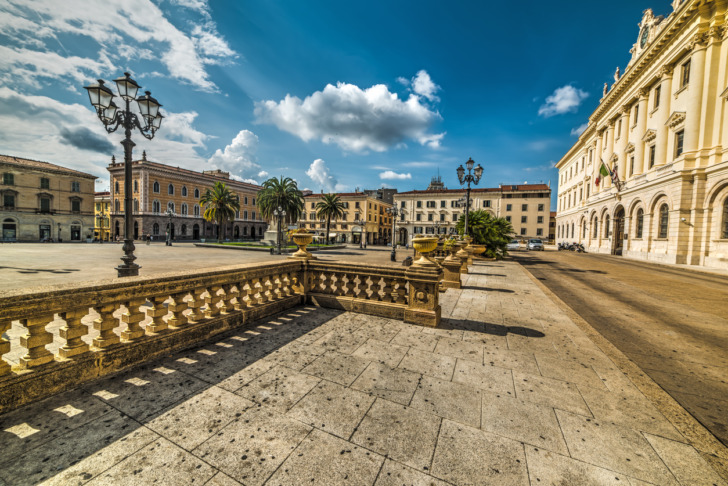
Piazza d’Italia
Piazza d’Italia is the grand heart of Sassari and one of the easiest places for visitors to start.
It is open, central, well-known, and surrounded by important buildings, cafes, and shopping streets.
During the day and early evening, it feels comfortable and active without being overwhelming.
It is also a good reference point if you are navigating the city for the first time.
Corso Vittorio Emanuele II
This central street is one of Sassari’s main historic arteries, with shops, old buildings, churches, and local life.
It is safe for daytime wandering and gives you a strong sense of the city’s character.
As with any busy street, keep an eye on your bag, but the atmosphere is more local than tourist-trap-heavy.
Sassari Cathedral and the Old Center
The area around the Cathedral of San Nicola and the surrounding historic streets is interesting, walkable, and generally safe during the day.
You will find older architecture, small lanes, religious sites, and local businesses.
It is best explored in daylight or early evening, since some narrow streets can become quieter later at night.
Monserrato Park
Monserrato Park is a good, safe choice for a slower break from the urban center.
It is popular with locals and works well for a daytime walk, especially if you want greenery without leaving the city.
Like any park, it is better during daylight hours, not as a late-night shortcut.
Places to Avoid in Sassari
Train Station Area Late at Night
Sassari’s train station is useful and not especially dangerous, but it is not the city’s most charming or comfortable area after dark.
Station zones often attract tired travelers and loitering, and occasional petty crime.
If you arrive late, keep your luggage close, avoid hanging around outside, and use a taxi or planned transport.
Empty Streets in the Historic Center After Midnight
Sassari’s historic center is worth exploring, but some lanes can feel very quiet late at night.
The issue is not that these streets are extremely dangerous, but that they can be poorly lit and empty.
If you are alone, unfamiliar with the area, or carrying valuables, stick to main streets and avoid unnecessary wandering.
Isolated Parks and Outer Areas at Night
Parks and residential edges of the city are fine during the day, but they are not places tourists need to explore at night.
Avoid quiet green areas, underpasses, dark parking lots, and unfamiliar outer neighborhoods after hours.
There is usually no good travel reason to be there unless you are staying nearby.
Crowded Events Without Bag Awareness
Sassari has festivals, processions, markets, concerts, and local events.
These are often safe and enjoyable, but crowds create opportunities for pickpocketing.
Be especially aware during major public celebrations, street gatherings, and busy summer evenings.
Carry only what you need and keep valuables close to your body.
Safety Tips for Traveling to Sassari
- Stay near the center if it is your first visit. The easiest areas for visitors are close to Piazza d’Italia, Corso Vittorio Emanuele II, the university area, or the historic center. Staying central reduces transport headaches and makes it easier to walk to cafes, restaurants, museums, and sights. Sassari is not huge, but it is spread out enough that location matters.
- Plan transport before late-night returns. Sassari is not a 24-hour transport paradise. If you are going out for dinner, drinks, or a day trip to Alghero, Porto Torres, or the coast, check return options before leaving. Buses and trains may become limited later in the evening. A little planning saves you from standing around with a dead phone and a very Italian sense of regret.
- Keep valuables secure around stations and busy streets. Pickpocketing is not a huge problem here, but relaxed travelers make easy targets anywhere. Keep your wallet in a front pocket or zipped bag, do not leave your phone on cafe tables, and avoid opening your passport or cash in public. Be extra careful around the train station, buses, markets, and festivals.
- Respect the summer heat. Sassari can get very hot in summer, especially in July and August. Wear breathable clothing, carry water, use sunscreen, and do not plan all your walking for the hottest part of the afternoon. Locals slow down for a reason. If the city feels half-asleep at midday, take the hint.
- Pay attention to wildfire warnings. Northern Sardinia can be dry, windy, and vulnerable to wildfires in summer. Do not ignore fire bans, road closures, smoke, or local emergency instructions. If you are renting a car and driving into countryside or beach areas, check conditions first. Never park on dry grass or throw cigarette ends outdoors.
- Use official taxis and avoid random ride offers. Taxis are generally safe, but tourists should still use official ranks, hotel-called taxis, or known apps where available. Avoid drivers who approach too aggressively or quote vague prices. If taking a taxi to Alghero Airport, Porto Torres, or the coast, confirm the fare range before starting.
- Be careful on regional roads. Driving in Sardinia is usually manageable, but rural roads can be narrow, winding, dark, and full of surprises. Expect scooters, sudden bends, animals, and local drivers who know the road better than you do. Avoid speeding, especially at night. If you are heading to beaches, leave extra time and do not rush.
- Do not treat beaches as risk-free. Sassari itself is inland, but many visitors use it as a base for beaches near Platamona, Porto Torres, Stintino, and Alghero. Watch for waves, wind, rocks, sea urchins, and strong sun. Never leave bags unattended on the sand, even in quiet-looking areas. The beach may be gorgeous, but your wallet still needs parenting.
- Use cash carefully. Cards are widely accepted, but small cash is useful for buses, markets, cafes, parking, and smaller businesses. Use bank ATMs when possible, avoid suspicious standalone machines with bad exchange rates, and decline dynamic currency conversion if paying by card. Keep most of your cash separate from your daily wallet.
- Learn a few Italian basics. Sassari is not as tourist-saturated as Florence or Venice, so English is not guaranteed everywhere. A few Italian phrases can help with transportation, restaurants, directions, and minor problems. You do not need to be fluent. Even a simple “buongiorno,” “grazie,” and “quanto costa?” makes interactions smoother and friendlier.
So... How Safe Is Sassari Really?
Sassari is a safe city for travelers, especially if you compare it with bigger, busier, more tourist-targeted destinations in Italy.
The city has a local rhythm, a university presence, and a historic center that is interesting without being overwhelmed by visitors.
That lowers some of the classic tourist risks, such as aggressive scams, constant touts, and organized pickpocketing teams.
The main safety concerns are practical.
Watch your belongings in crowded areas, avoid empty streets late at night, plan transport carefully, and take summer heat seriously.
If you are using Sassari as a base for northern Sardinia, road safety and wildfire awareness become more important than urban crime.
This is a place where the biggest problems are more likely to be a missed bus, a sunburn, a bad parking choice, or an overpriced taxi than anything dramatic.
My honest view is that Sassari is safe, but not polished in the same way as a resort town.
It is a real Sardinian city, which means it has beauty, character, traffic, quiet corners, and a few rough edges.
Travelers who use normal European city precautions should feel comfortable here.
Stay central, be aware at night, and you can enjoy Sassari without feeling on edge.
How Does Sassari Compare?
| City | Safety Index |
|---|---|
| Sassari |
81 |
| Turin |
42 |
| Matera |
83 |
| Pisa |
61 |
| Florence |
72 |
| Siena |
84 |
| Rome |
65 |
 Somerset Somerset | 86 |
| Carthage | 80 |
 Vienna Vienna | 92 |
| Ranchester | 80 |
 Marrakech Marrakech | 60 |
| Carson City | 77 |
Useful Information

Visas
Sassari is in Italy, which is part of the Schengen Area. Many tourists, including visitors from the United States, Canada, the United Kingdom, Australia, and several other countries, can visit visa-free for up to 90 days within a 180-day period. Travelers who need a Schengen visa should apply before arrival. ETIAS is expected to apply to visa-exempt travelers once launched.

Currency
Sassari uses the euro. Cards are widely accepted in hotels, restaurants, supermarkets, and many shops, but cash is still useful for buses, small cafes, markets, parking, and rural areas. Use bank ATMs when possible, avoid poor exchange counters, and choose to pay in euros rather than your home currency when offered card conversion.

Weather
Sassari has a Mediterranean climate, with hot, dry summers and mild, wetter winters. Summer travelers should pack light clothing, sunscreen, sunglasses, a hat, and comfortable shoes. In spring and autumn, bring layers because evenings can be cooler. Winter is not extreme, but rain and wind are possible, so a jacket is useful.

Airports
The closest airport is Alghero-Fertilia Airport, roughly 30 kilometers from Sassari. Buses and taxis connect the airport with the city, and the trip is usually short and straightforward. Olbia Airport and Cagliari Airport are farther options with more routes depending on the season. Porto Torres is also useful for ferry arrivals.

Travel Insurance
Travel insurance is a good idea for Sassari and Sardinia in general. It can help with medical care, stolen belongings, rental car issues, canceled ferries, delayed flights, and wildfire or weather disruptions. If your trip includes driving, hiking, boat tours, or water activities, check that your policy covers those specific plans.
Sassari Weather Averages (Temperatures)
Average High/Low Temperature
| Temperature / Month | Jan | Feb | Mar | Apr | May | Jun | Jul | Aug | Sep | Oct | Nov | Dec |
|---|---|---|---|---|---|---|---|---|---|---|---|---|
| High °C |
14 | 14 | 16 | 18 | 22 | 25 | 29 | 29 | 26 | 22 | 18 | 15 |
| Low °C |
7 | 7 | 8 | 10 | 13 | 16 | 18 | 18 | 16 | 14 | 11 | 8 |
| High °F |
57 | 57 | 61 | 64 | 72 | 77 | 84 | 84 | 79 | 72 | 64 | 59 |
| Low °F |
45 | 45 | 46 | 50 | 55 | 61 | 64 | 64 | 61 | 57 | 52 | 46 |
Italy - Safety by City
| City | Safety Index |
|---|---|
| Amalfi | 82 |
| Bari | 74 |
| Bologna | 56 |
| Cagliari | 64 |
| Catania | 65 |
| Cinque Terre | 85 |
| Florence | 72 |
| Genoa | 60 |
| Matera | 83 |
| Milan | 65 |
| Naples | 62 |
| Palermo | 55 |
| Perugia | 60 |
| Pisa | 61 |
| Positano | 83 |
| Rimini | 62 |
| Rome | 65 |
| Sassari | 81 |
| Siena | 84 |
| Sorrento | 75 |
| Taormina | 80 |
| Turin | 42 |
| Vatican City | 72 |
| Venice | 72 |
| Verona | 65 |












Spent a weekend in Sassari last summer and the mix of lively streets with chill beaches nearby was surprisingly perfect for escaping the usual tourist crowds.