


 Albania : Safety by City
Albania - safety as a country
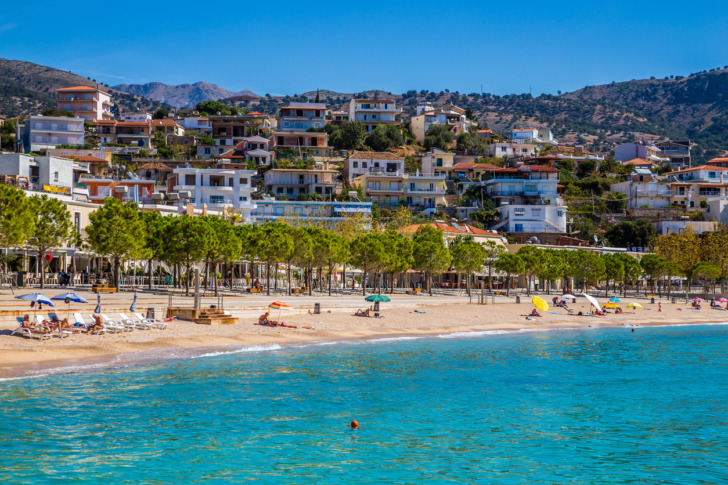
Vlore is one of Albania’s most interesting coastal cities, sitting where the Adriatic and Ionian seas begin to blur into one another.
It is part beach destination, part port city, part historical symbol, and part launchpad for the Albanian Riviera.
This is where Albania declared independence in 1912, but today most visitors come for the Lungomare promenade, nearby beaches, boat trips to Karaburun and Sazan Island, seafood restaurants, and easy access to Llogara National Park.
Vlore feels more urban and lived-in than smaller Riviera towns like Himare or Dhermi, which makes it more practical but also a bit messier.
It is generally safe for tourists, but it is not a polished resort bubble.
The biggest risks are traffic, petty theft, summer crowds, beach safety, scams around transport, and the occasional rough edge after dark.
Warnings & Dangers in Vlore

OVERALL RISK: LOW
Vlore is generally a safe destination for tourists. Most visitors come for the beaches, promenade, restaurants, and nearby nature without facing serious problems. The main concerns are petty theft, traffic, overcharging, summer crowds, beach safety, and uneven infrastructure. Use normal caution, especially at night and around transport areas.

TRANSPORT & TAXIS RISK: MEDIUM
Transport risk is medium because Albanian road behavior can feel aggressive to visitors. Drivers may overtake suddenly, pedestrians need to stay alert, and summer traffic in Vlorë can be chaotic. Use licensed taxis, agree on prices before riding, and be careful with rental cars on mountain roads, coastal routes, and poorly lit streets.

PICKPOCKETS RISK: MEDIUM
Pickpocketing is not extreme in Vlore, but it becomes more likely in summer when the promenade, beaches, buses, and markets get crowded. Keep phones, wallets, and bags secure, especially near beach clubs, public transport, and busy seaside restaurants. Do not leave belongings unattended while swimming or sitting at outdoor cafes.

NATURAL DISASTERS RISK: MEDIUM
Vlore has moderate natural risk because Albania is earthquake-prone and the coastal region can face summer heat, wildfires, heavy rain, rough seas, and occasional flooding. Mountain roads near Llogara can be affected by weather. These risks are not daily problems, but travelers should pay attention to forecasts and beach conditions.

MUGGING RISK: LOW
Mugging is not a major tourist concern in Vlore. The main tourist zones, especially the Lungomare and central areas, are usually comfortable during the day and evening. Still, avoid poorly lit side streets, empty beach areas late at night, and showing off cash or expensive items after drinking or nightlife.

TERRORISM RISK: LOW
Terrorism risk in Vlore is low. The city is not a high-profile international target, and ordinary travelers are much more likely to deal with road safety, theft, or travel logistics than terrorism. Basic awareness in crowded places is always smart, but terrorism should not be a major concern here.

SCAMS RISK: LOW
Scams in Vlore are usually mild. The most likely issues are taxi overcharging, vague boat-tour pricing, unclear restaurant bills, unofficial parking helpers, and accommodation listings that look better online than in real life. Confirm prices in advance, read reviews, and avoid paying large deposits through strange payment methods.

WOMEN TRAVELERS RISK: LOW
Vlore is generally safe for women travelers, including solo travelers. The promenade and central areas are lively, especially in summer. The main precautions are the usual ones: avoid isolated beaches at night, use trusted transport after dark, be cautious around drunk groups, and choose well-reviewed accommodation in a convenient location.

TAP WATER RISK: MEDIUM
Tap water in Vlore is not the best choice for most short-term visitors. Some locals may drink it, but many travelers stick with bottled water because of taste, pipes, and stomach sensitivity. Bottled water is cheap and easy to find. Use tap water for brushing teeth if your accommodation says it is fine.
Safest Places to Visit in Vlore
Lungomare Promenade
The Lungomare is one of the safest and easiest places to spend time in Vlorë.
It is wide, busy, scenic, and full of restaurants, cafes, families, cyclists, and tourists.
During the evening, it becomes one of the city’s main social areas.
This is a good place for a relaxed walk, dinner, sunset views, and people-watching.
Just keep your phone and wallet secure during peak summer crowds.
Independence Square and the Historic Center
Vlore has deep national importance because of Albania’s independence history.
The central areas around Independence Square and the old town are generally safe during the day and early evening.
They are good for casual sightseeing, cafes, small museums, and getting a feel for the city beyond the beach.
Watch traffic when crossing roads, because that is probably your biggest danger here.
Narta Lagoon and Zvernec Monastery
North of Vlore, Narta Lagoon and Zvernec Monastery are peaceful and interesting places to visit.
The monastery sits on a small island connected by a wooden bridge, and the area feels much quieter than central Vlore.
It is safest during daylight, especially if you are driving.
Avoid remote dirt roads after dark and bring mosquito repellent in warmer months.
Karaburun Peninsula Boat Tours
Boat trips to Karaburun Peninsula and nearby caves can be fantastic when booked with reputable operators.
The safest option is to choose a well-reviewed company, check weather conditions, ask what is included, and avoid overloaded or sketchy boats.
The coast is beautiful, but swimming and boating safety depend heavily on the operator and sea conditions.
Llogara National Park
Llogara National Park is one of the best day trips from Vlore, with mountain views, cooler air, and dramatic roads above the coast.
It is generally safe if you go during the day, drive carefully, and avoid bad-weather road trips.
The mountain road is beautiful, but it demands attention.
This is not the place for distracted driving.
Places to Avoid in Vlore
Empty Beach Areas Late at Night
Vlore’s beaches are safe during the day, but quiet stretches can feel very different late at night.
Avoid isolated beaches, dark access paths, and empty waterfront areas after hours, especially if you are alone.
The issue is not that these places are known danger zones.
There is little reason to test your luck in dark, low-traffic areas.
Bus Stations and Informal Transport Areas
Transport in Albania can be confusing, especially if you are new to the country.
This is where you may encounter unclear prices, unofficial helpers, rushed drivers, and people offering vague “better” transport deals.
Keep your bags close, confirm your destination, ask your hotel for advice, and do not hand over money until you understand the price.
Unlit Side Streets After Dark
Vlore has a lively center, but some streets away from the main promenade and central zones can be poorly lit or quiet at night.
Stick to main roads after dinner, especially if walking back to accommodation outside the busiest areas.
If your hotel is far from the promenade, taking a taxi is often worth it.
Remote Coastal Roads Without Planning
The coastline around Vlore is stunning, but some roads can be narrow, winding, or poorly lit.
If you are driving toward Radhime, Orikum, Llogara, or farther south, plan your route during daylight.
Avoid aggressive overtaking, check fuel, and do not rush mountain curves just because a local driver behind you seems impatient.
Crowded Beach Clubs and Summer Nightlife
During July and August, some beach clubs and nightlife spots get crowded and rowdy.
Most are fine, but alcohol, loud music, and packed spaces increase the chance of arguments, lost phones, and uncomfortable situations.
Keep your drink with you, go out with people you trust, and leave early if the vibe feels messy.
Safety Tips for Traveling to Vlore
- Stay near the Lungomare if it is your first visit. For most travelers, the Lungomare area is the easiest base. It has restaurants, cafes, beach access, evening foot traffic, and plenty of accommodation options. Staying nearby reduces the need for late-night taxis or long walks through unfamiliar streets. It is not the cheapest area, but it is convenient and comfortable.
- Be careful when crossing roads. Traffic is one of the most practical risks in Vlore. Do not assume cars will stop just because you are at a crossing. Make eye contact with drivers, cross slowly but confidently, and stay alert for scooters and cars turning suddenly. Albania’s roads can feel chaotic if you are used to more predictable driving cultures.
- Use taxis carefully. Taxis can be useful, but confirm the fare before getting in or ask your accommodation to call one. If a driver gives you a vague answer, choose another taxi. For airport transfers, day trips, or late-night rides, agreeing on the price first prevents awkward arguments later.
- Do not leave valuables on the beach. This is one of the easiest mistakes to make in Vlore. If you go swimming, do not leave your phone, wallet, passport, or bag sitting alone on the sand or under a towel. Go with someone who can watch your things, use a beach club with loungers, or bring only what you can afford to lose.
- Book boat trips with reputable operators. Boat tours are one of the highlights of Vlore, but safety varies. Check reviews, ask about life jackets, confirm the route, and avoid boats that look overloaded or poorly maintained. Sea conditions can change, and a cheap tour is not a bargain if the operator is careless.
- Drive defensively on coastal and mountain roads. The road from Vlore toward Llogara and the Riviera is beautiful, but it can be demanding. Expect curves, impatient drivers, livestock, buses, and sudden stops for viewpoints. Drive during daylight, avoid rushing, and pull over safely if you want photos. The views are not going anywhere.
- Watch your belongings in summer crowds. Vlore is busier in July and August, and petty theft risk rises with crowds. Keep your bag zipped, carry wallets in front pockets, and avoid leaving phones on restaurant tables. This is basic stuff, but basic stuff works. The best thief deterrent is not looking easy.
- Choose accommodation with real reviews. Vlore has many apartments, hotels, and guesthouses, but quality can vary. Read recent reviews carefully, especially for cleanliness, location, air conditioning, parking, and noise. In summer, a room without good air conditioning can turn your trip into a slow-cooked complaint letter.
- Take heat seriously. Summer in Vlore can be hot, bright, and tiring. Use sunscreen, wear a hat, drink plenty of water, and avoid long midday walks. If you are visiting ruins, viewpoints, or beaches outside the center, bring water with you. Heat exhaustion is boring, ugly, and extremely avoidable.
- Keep plans flexible during protests or major events. Most travelers will not run into political unrest in Vlore, but demonstrations and public gatherings can happen in Albania. Avoid protests, even if they look peaceful. If roads are blocked or crowds gather, leave the area and adjust your route. There is no tourist benefit in standing around to “see what happens.”
So... How Safe Is Vlore Really?
Vlore is safe enough to recommend for most travelers, especially those who want a coastal city with beaches, restaurants, history, and access to the Albanian Riviera.
It does not feel as polished as some Mediterranean resort towns, but that is also part of the appeal.
Vlore is still a real city, with real traffic, real local life, and a few rough edges mixed into the vacation scenery.
The most likely safety problems are practical rather than dramatic.
Think petty theft, taxi misunderstandings, beach belongings disappearing, poor driving, heat, and occasional overcharging.
Serious violent crime against tourists is not common, but travelers should avoid isolated areas after dark and stay alert around nightlife.
Road safety deserves special attention.
Many visitors use Vlore as a starting point for exploring the Riviera, Llogara Pass, Orikum, and beaches farther south.
These trips are worth doing, but the driving can be more stressful than expected.
Defensive driving matters more here than in many Western European beach destinations.
My honest take: Vlore is a low-risk destination with a few medium-risk travel habits attached to it.
Stay central, protect your belongings, use reputable transport, choose good boat operators, and respect the heat and sea.
Do that, and Vlore is more likely to surprise you in a good way than scare you.
How Does Vlore Compare?
| City | Safety Index |
|---|---|
| Vlore |
76 |
| Kruje |
79 |
| Durres |
74 |
| Berat |
83 |
| Korce |
82 |
| Sarande |
78 |
| Tirana |
65 |
 Little Rock Little Rock | 32 |
| Toledo | 69 |
| Owasso | 81 |
| Madison | 77 |
| Longview | 82 |
| Wildwood | 51 |
Useful Information

Visas
Many visitors can enter Albania visa-free for short stays, often up to 90 days in a 180-day period, depending on nationality. U.S. citizens are generally allowed to stay longer without a visa. Albania is not part of the Schengen Area, so its rules are separate from nearby EU countries.

Currency
Vlore uses the Albanian lek. Euros may be accepted by some hotels, tours, and rental operators, but lek is better for daily spending. ATMs are available, though fees vary. Use reputable exchange offices or banks, avoid street exchanges, and keep some cash for taxis, beach chairs, small restaurants, and markets.

Weather
Vlore has a Mediterranean climate, with hot, dry summers and mild, wetter winters. Summer visitors should pack light clothes, swimwear, sunscreen, sunglasses, sandals, and a hat. Spring and autumn are excellent for sightseeing and driving. In winter, bring a light jacket and expect quieter beaches and occasional rain.

Airports
Tirana International Airport is the main airport for most travelers going to Vlore, with road transfers usually taking around two to three hours depending on traffic. Vlore International Airport has been planned near the city, but travelers should not rely on it until commercial flights are clearly operating. Arrange transfers before arrival.

Travel Insurance
Travel insurance is recommended for Vlore, especially if you plan to drive, take boat trips, visit beaches, or explore the Riviera. Good coverage should include medical care, lost luggage, theft, trip cancellation, rental car issues, and activity coverage. Albania is affordable, but travel problems can still become expensive quickly.
Vlore Weather Averages (Temperatures)
Average High/Low Temperature
| Temperature / Month | Jan | Feb | Mar | Apr | May | Jun | Jul | Aug | Sep | Oct | Nov | Dec |
|---|---|---|---|---|---|---|---|---|---|---|---|---|
| High °C |
13 | 14 | 16 | 19 | 23 | 27 | 30 | 31 | 27 | 22 | 18 | 14 |
| Low °C |
5 | 6 | 8 | 11 | 15 | 18 | 20 | 21 | 18 | 14 | 11 | 7 |
| High °F |
55 | 57 | 61 | 66 | 73 | 81 | 86 | 88 | 81 | 72 | 64 | 57 |
| Low °F |
41 | 43 | 46 | 52 | 59 | 64 | 68 | 70 | 64 | 57 | 52 | 45 |
Albania - Safety by City
| City | Safety Index |
|---|---|
| Berat | 83 |
| Durres | 74 |
| Gjirokaster | 82 |
| Korce | 82 |
| Kruje | 79 |
| Pogradec | 81 |
| Sarande | 78 |
| Shkoder | 77 |
| Tirana | 65 |
| Vlore | 76 |
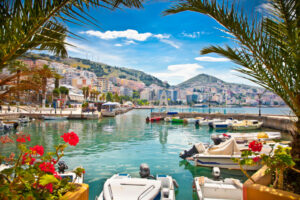
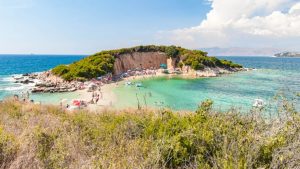
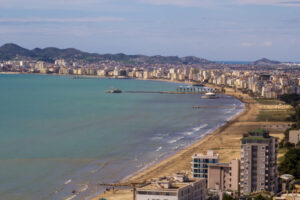










The mix of busy streets with that laid-back beach vibe caught me off guard, definitely not your typical tourist trap.
Been there a couple times and while the beaches are gorgeous, you definitely have to keep an eye on your stuff and watch out for chaotic traffic, especially if you’re not used to the local vibe.
Spent a few afternoons walking the Lungomare and that mix of history and hustling city life really sticks with you.
If you’re expecting a chill beach vibe, just remember that the traffic and random scams can turn your sunset stroll into a game of dodge-the-chaos pretty quickly.