


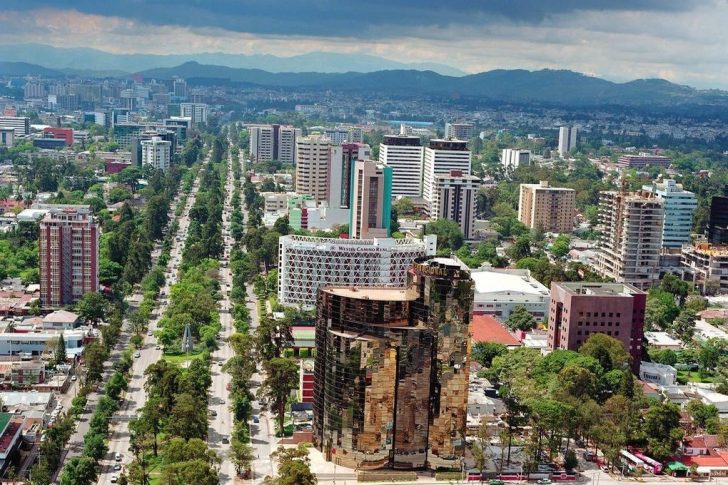
Guatemala City is the capital of Guatemala and is known for its spectacular landscape and rich history.
It’s an interesting city with lots of geological features that have attracted many tourists.
But the country and city are also beset by a high crime rate and lots of gang violence.
The city has lots of educational and medical facilities, too, but the overall risks make this a destination that you have to plan carefully for.
The U.S. Department of State has issued a Level 3 travel advisory for the country (reconsider travel), and recent violence across the city resulted in shelter-in-place orders.
Always check out the latest advisories and news about the city before planning a trip.
Warnings & Dangers in Guatemala City

OVERALL RISK: HIGH
With careful planning and vigilant behavior, you can have an uneventful trip anywhere you go. But when you have a high-risk area like Guatemala City, those risks are just much higher. The country does have a bustling tourist industry, and there's a tourist assistance department called ASISTUR. But if you do go to Guatemala City, you have to be prepared to face some high risks.

TRANSPORT & TAXIS RISK: MEDIUM
Taking Uber or a pre-arranged, official taxi can lessen the risk of problems if you stay in the safer zones in the city. The local buses in the city are called "chicken buses," and you need to avoid those. Even the State Department forbids U.S. government workers from taking them. Theft on the buses is a major risk, and you may even be the victim of armed robbery on board. The buses may not be mechanically sound, and sometimes the drivers are unlicensed. Accidents are common. You'll find a lot of adventurous travelers stating that taking these buses is something you absolutely have to do for the experience, but no, you really don't have to take them.

PICKPOCKETS RISK: HIGH
Pickpocketing and petty theft are definite problems. Always watch your belongings and pockets, especially if you attempt to take public transportation despite the warnings not to. Guard your belongings carefully, even in tourist zones.

NATURAL DISASTERS RISK: HIGH
Insect-borne diseases are a major risk, including malaria and New World Screwworm Myiasis. Earthquakes are also a major hazard; the region also has three active volcanoes and is often in the path of hurricanes from both the Pacific and the Caribbean. Fires can break out in the city, and rains can bring landslides. The country is actually ranked 7th in the world for natural disaster risks.

MUGGING RISK: HIGH
The risk is pronounced in several zones in the city, such as the notorious Zone 18, but even "safer" zones still have that risk. Don't wear flashy clothes or jewelry; look plain, uninteresting, and not rich. Stay in tourist areas and don't wander "off the beaten path." If you go to the city, ask your hotel's staff about updated information about which parts of town to avoid.

TERRORISM RISK: MEDIUM
The terrorism comes from mainly local gangs and criminals, who may stop intercity buses or who may attack each other with you caught in the crossfire. And, tourists themselves have been the victims of violent crime. In January 2026, armed gangs attacked police in Guatemala City, resulting in a shelter-in-place order for Americans. Prisoners and gangs took guards hostage, too. That order was eventually lifted, but travelers have to remain cautious and seriously consider postponing their travel until the situation has calmed down.

SCAMS RISK: HIGH
Tourist scams are unfortunately very common. These range from ATM skimming (use ATMs only in banks) to police impersonation to card cloning to overcharging. Police impersonators may demand to see your ID and then take money from your wallet. Distraction scams abound, and people have been known to cut open bags and steal items when you're not looking. Always be aware of who's around you, and don't go into isolated areas.

WOMEN TRAVELERS RISK: HIGH
While there are plenty of stories online about women traveling to the city and feeling safe, the risks of something happening are actually high. Catcalling may be a problem, and sexual assault has been a major concern, especially because sometimes seemingly legitimate workers, like tour guides, could take advantage of female tourists. This does not mean all tour guides are bad, etc. But it does mean that you have to keep your eyes open. Talk to your hotel's staff about reputable, safe tours and other activities. Drink spiking can be a real problem, so always watch drinks, and never go out with strangers. Lock doors and windows, be aware of who's around you, and take only transportation that's pre-arranged and with a legitimate company. Let people know where you're going and when you expect to be back. Keep the number for ASISTUR, the tourist assistance program, with you at all times (and keep it in writing, too, because phone theft can be a problem).

TAP WATER RISK: HIGH
Do not drink tap water, and don't even use it to brush your teeth. You don't even want the water from the shower getting into your eyes, nose, or mouth. Use bottled water only when drinking, eating, and so on. Also be wary of raw vegetables and fruit that may have been washed in the water. Eat cooked foods only.
Safest Places to Visit in Guatemala City
Zone 10 is generally considered the safest part of the city, with Zone 9 a close second.
Zone 4 is also on the safer side.
Zone 13 sometimes gets recommended, although some say Zone 13 isn’t very convenient, and others say it’s too dangerous.
However, in any zone, including Zone 10, you’ll need to avoid going out at night, and you should take Uber instead of other transport options.
Places to Avoid in Guatemala City
Zone 18 is notorious for crime.
Avoid this completely.
Also avoid going into isolated areas or driving outside the city.
Zones 1, 3, 5, 6, 7, and 21 are also often considered unsafe.
Safety Tips for Traveling to Guatemala City
- Carry the ASISTUR phone number with you everywhere, and carry it in multiple forms. You can program it into your phone, but carry it on paper, too, in case your phone is stolen.
- Do not drink the tap water, do not brush your teeth with it, do not open your mouth in the shower, and don’t eat raw fruits and vegetables. Don’t have ice in drinks, either.
- Don’t wander outside tourist zones.
- Do not go into Zone 18. Also verify with your hotel’s staff which other zones to avoid, especially after January’s violence.
- Do not take local buses. Stick to Uber and pre-arranged taxi rides. Ask the hotel for assistance with finding a reputable taxi company.
- Pay close attention to the weather during hurricane season. Guatemala City’s location puts it in the path of storms from both the Pacific and Caribbean.
- Use ATMs only in banks, and be very careful using cards. Card cloning and ATM skimming are major problems.
- Sign up for the U.S. Department of State’s Smart Traveler Enrollment Program (STEP) to get up-to-date advisories. Note that the embassy can’t offer a lot of immediate help; for that, you’d call ASISTUR. However, if you are involved in an emergency, do contact the embassy so it knows there’s a U.S. national in trouble.
- Wear bug repellent and sleep with a mosquito net, if possible. Yes, even in nice hotels.
- Watch your drinks to avoid spiking.
So... How Safe Is Guatemala City Really?
The sad truth is that Guatemala City actually has a lot of risks.
You can still travel there, of course, but certain zones are absolute no-go locations, and you really have to be on the lookout to protect yourself.
Keep in mind that all the stories you read about travelers feeling totally safe may not be telling the full story.
For example, those travelers may have stayed very close to their hotels and never traveled outside at night.
The stories could even be fake.
It’s always nice to hear that someone felt very safe and met lovely people.
But the State Department issued that Level 3 travel advisory for a reason.
You have to take that into account when planning your trip.
So, Guatemala City can be a good place to visit, but you’ll need to plan carefully and avoid suddenly changing your itinerary on a whim.
How Does Guatemala City Compare?
| City | Safety Index |
|---|---|
 Guatemala City Guatemala City |
45 |
 Coimbra Coimbra | 87 |
 Smyrna Smyrna | 74 |
| Santa Rosa | 91 |
| Gaffney | 68 |
| Snowshoe | 81 |
| Worcester | 69 |
Useful Information

Visas
U.S. citizens aren't required to have visas for stays of 90 days or fewer. If you overstay, you'll be charged a small fee per day. However, don't abuse that seemingly relaxed penalty. You'll still need to fill out an immigration form for both entry and exit from the country. The form is online, and you'll need to fill it out before you travel. You can access the form from the U.S. Department of State's travel advisory page for Guatemala.

Currency
Guatemala uses the Guatemalan quetzal. As of early February 2026, $1 equals 7.55 quetzals. One quetzal is also divided into 100 centavos. You may find places that accept U.S. dollars, too. However, it's a very good idea carry some quetzals, especially in small denominations. Exchange money at the airport at an exchange desk (the rates won't be the best, but it's one of the fastest ways to get local currency immediately) or through ATMs in banks.

Weather
The temperatures in Guatemala City stay within a fairly stable range. Winter highs (in Fahrenheit) average in the mid 70s, while spring highs (the hottest months are in April and May) are in the low 80s. Winter lows are in the upper 50s, and summer lows are in the low 60s. The summer and early fall are the wettest parts of the year, and it's recommended to bring mosquito repellent. You may also want to talk to your doctor about taking anti-malarial medication before you go.

Airports
Guatemala International Airport, also known by the lovely name of La Aurora International Airport, is located south of the city center in Zone 13. The airport offers four ways to get into the city center. One is Uber, which will pick you up at the airport. You can also rent cars (be sure to get full insurance), or pre-arrange an airport transfer or fixed-rate taxi. Don't try to find taxis on your own or go off with people who say they can charge lower rates. If you're not driving or taking Uber, go with a pre-arranged service from the airport itself. The taxis will be from private companies, but the airport will connect you with them. You won't have to go find them yourself.

Travel Insurance
You're not required to get travel insurance just to enter the country of Guatemala. However, having full coverage for everything from canceled trips to medical concerns is essential because of the potential for financial losses. Medical costs in the country can be excessively high, sometimes rivaling those in the U.S. No U.S. health insurance (including Medicare) will pay for medical care in Guatemala. There's also the issue of medical evacuation. If your trip includes heading into more rural areas, the medical facilities in those regions may not be able to give you the care you need. If you have to be evacuated to Guatemala City (which has much more comprehensive care services), you'll be expected to pay for the evacuation. It's also common for medical facilities to ask for payments up front. Travel insurance might not be required, but it's really something you don't want to travel without.
Guatemala City Weather Averages (Temperatures)
Average High/Low Temperature
| Temperature / Month | Jan | Feb | Mar | Apr | May | Jun | Jul | Aug | Sep | Oct | Nov | Dec |
|---|---|---|---|---|---|---|---|---|---|---|---|---|
| High °C |
23 | 24 | 25 | 26 | 26 | 25 | 24 | 25 | 24 | 24 | 23 | 23 |
| Low °C |
13 | 13 | 14 | 15 | 16 | 16 | 15 | 15 | 15 | 15 | 14 | 13 |
| High °F |
73 | 75 | 77 | 79 | 79 | 77 | 75 | 77 | 75 | 75 | 73 | 73 |
| Low °F |
55 | 55 | 57 | 59 | 61 | 61 | 59 | 59 | 59 | 59 | 57 | 55 |
Guatemala - Safety by City
| City | Safety Index |
|---|---|
| Guatemala City | 45 |

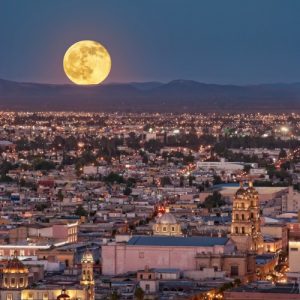
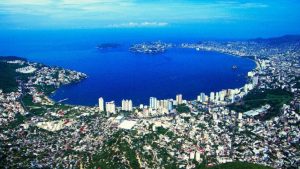












What I love most about Guatemala is the fascinating Mayan culture. Unfortunately, cities this size give me anxiety so I don’t think I’ll be visiting any time soon.
Prep yourself for busy streets and curious eyes
Guatemala isn’t known for its tight grip on individual safety so I highly recommend being on alert when you’re out exploring. Use a mobile phone only if necessary, don’t scroll Insta as you mindlessly walk around the city, you might find yourself without it soon.
Isn’t it wild how the volcano looms over the mercado, though I still get a little nervous when I hear sirens at night?
After dodging a sudden shelter-in-place order last month and slipping past a couple of checkpoints by the central market, I felt shaken and strangely moved by the volcano views above the city.
The shelter-in-place orders left me heartbroken and uneasy, because even with that spectacular landscape all around it sometimes feels like normal life can be snatched away.
Can’t believe how fast the sirens went off near the market, my heart just dropped.
I still get uneasy walking around the main plaza at night after those shelter-in-place orders, even though the surrounding hills are beautiful.
I was honestly blown away by the city’s spectacular landscape, but after those recent shelter-in-place orders from the violence I still get a tight feeling in my chest whenever I have to be out after dark.