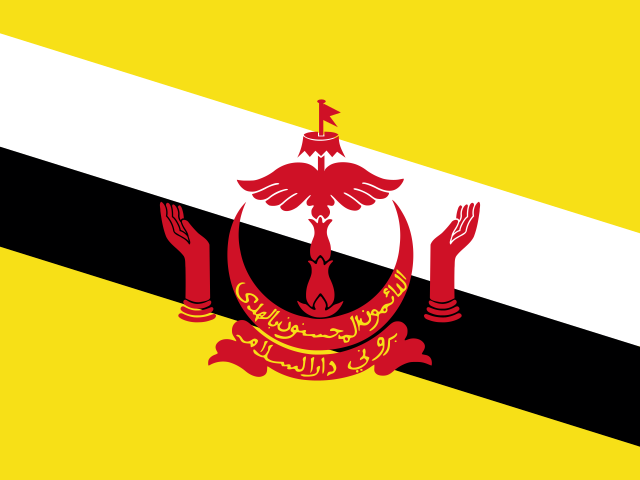
 Brunei : Safety by City
Brunei - safety as a country
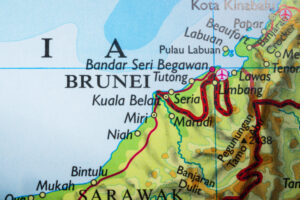
Kuala Belait sits on Brunei’s western edge, close to the Malaysian border and about 15 kilometers west of Seria, the heart of the country’s oil industry.
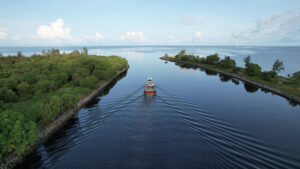
Built near the mouth of the Belait River and facing the South China Sea, it is Brunei’s second-largest urban area but feels remarkably quiet compared with cities of similar importance elsewhere in Southeast Asia.
Visitors find a compact commercial center, riverfront areas, beaches, parks, mosques, and an atmosphere shaped heavily by the petroleum industry.
Kuala Belait receives far fewer international tourists than Bandar Seri Begawan, which gives it a relaxed, everyday feel.
Crime is low, infrastructure is generally good, and Brunei currently sits at the lowest standard travel-advisory level.
The main concerns are road accidents, flooding, tropical heat, mosquitoes, isolated areas after dark, and accidentally violating Brunei’s unusually strict laws.
Warnings & Dangers in Kuala Belait

OVERALL RISK: LOW
Kuala Belait is a low-risk destination. Brunei is generally very safe, and most reported crimes involve burglary, vehicle break-ins, or other opportunistic property offenses rather than violence against tourists. Keep valuables secured, lock vehicles, avoid unnecessarily isolated areas after dark, and understand local laws before visiting.

TRANSPORT & TAXIS RISK: LOW
Roads around Kuala Belait are generally good, and driving is straightforward once you adjust to left-side traffic. The bigger risks are speeding, heavy rain, poor visibility, and occasional flooding. Public transportation is limited compared with larger Asian cities, so rental cars, private drivers, and taxis are often the most practical options.

PICKPOCKETS RISK: LOW
Pickpocketing is uncommon. Kuala Belait lacks the packed tourist attractions and crowded public transportation systems where this crime normally thrives. Keep basic control of wallets and phones at markets, events, shops, and transport stops. Vehicle break-ins are a more realistic concern than someone removing your wallet from your pocket.

NATURAL DISASTERS RISK: MEDIUM
Heavy tropical rain, thunderstorms, flash flooding, strong winds, and haze are the main environmental concerns. Brunei is outside the most active typhoon zone, but severe regional weather can still produce significant rainfall. Low-lying roads may flood quickly, so never drive through deep or moving water.

MUGGING RISK: LOW
Street robbery is uncommon in Kuala Belait. Visitors can generally walk through central commercial areas comfortably during normal hours. Nevertheless, avoid unnecessary wandering through deserted roads, beaches, and industrial areas late at night. Keep jewelry and expensive electronics discreet, particularly when no other people are around.

TERRORISM RISK: LOW
The terrorism risk is low. Brunei is politically stable and has no recent pattern of terrorist attacks targeting visitors. Ordinary travelers have much more reason to think about road safety, local laws, weather, and property crime than terrorism.

SCAMS RISK: LOW
Tourist scams are uncommon because Kuala Belait receives relatively few conventional tourists. Online financial scams and fraudulent offers do exist in Brunei, however. Confirm accommodation, transportation, and tour arrangements before paying, and be suspicious of anyone requesting urgent transfers of money or claiming to represent government authorities.

WOMEN TRAVELERS RISK: LOW
Kuala Belait is generally safe for women traveling alone, and street harassment is less aggressive than in many destinations. Brunei is socially conservative, however. Modest clothing is appreciated, particularly around religious buildings. Solo travelers should still avoid isolated nighttime areas and use trusted transportation after dark.

TAP WATER RISK: LOW
Brunei’s municipal water is treated and regularly monitored, and tap water is generally considered safe for drinking and cooking. Travelers uncomfortable with the taste or plumbing in a particular building can use filtered or bottled water instead. Hydration is important because the climate is consistently hot and humid.
Safest Places to Visit in Kuala Belait
Kuala Belait Town Center
The compact town center is one of the easiest areas to explore.
Shops, restaurants, banks, government services, and everyday businesses create regular activity throughout the day.
Crime is low, although visitors should still avoid leaving phones, wallets, or bags unattended in cafés and restaurants.
Silver Jubilee Park
Silver Jubilee Park along Jalan Maulana provides green space near the coast and is popular for walks, recreation, and relaxing outdoors.
Visit during daylight or early evening when other people are around.
Heat can become uncomfortable around midday, so mornings and late afternoons are better for longer walks.
Belait District Museum
The Belait District Museum offers insight into the history, culture, and development of western Brunei, including the region’s relationship with the oil industry.
As an established cultural attraction, it is a very safe place to visit and a useful introduction to an area that many foreign travelers otherwise simply drive through.
Menara Cendera Kenangan
This waterfront monument has become one of Kuala Belait’s recognizable landmarks and makes an easy stop while exploring the riverfront.
The surrounding central area is generally safe.
Take ordinary precautions with valuables and be careful near water during heavy rain or poor weather.
Nearby Seria
Seria is only a short drive east and is closely connected with Brunei’s petroleum history.
Attractions associated with the oil industry provide an interesting contrast to Bandar Seri Begawan’s mosques and royal landmarks.
The main roads between Kuala Belait and Seria are generally straightforward, although defensive driving remains important.
Places to Avoid in Kuala Belait
There Are No Major Tourist No-Go Neighborhoods
Kuala Belait does not have a recognized dangerous district that visitors need to avoid.
Crime levels are low throughout Brunei.
Instead, travelers should focus on avoiding isolated situations, industrial facilities, flooded areas, and places where they could unintentionally violate local rules.
Isolated Beaches After Dark
The coastline can become extremely quiet at night.
There is little reason for visitors to wander alone along deserted beach areas after businesses and recreational facilities have closed.
Poor lighting and limited activity make daytime visits the better option.
Oil and Industrial Facilities
Western Brunei contains extensive petroleum infrastructure.
Do not enter restricted compounds or photograph sensitive industrial installations when signs prohibit it.
Stay on public roads and visit officially accessible attractions rather than exploring operating oil facilities independently.
Flooded Roads
Heavy rain can create localized flooding surprisingly quickly.
Avoid low-lying roads covered by water, even if another vehicle appears capable of crossing.
Water can hide damaged pavement, drains, or unexpectedly deep sections.
Remote Forest Areas Alone
Brunei has extensive rainforest, but unfamiliar forest should not be explored casually.
Getting lost is a genuine possibility, and heat, insects, slippery terrain, and limited phone coverage can complicate rescue.
Use established trails or go with an experienced local guide.
Malaysian Border Backroads
Malaysia is extremely close, but international travel must still take place through recognized immigration checkpoints.
Use the official Sungai Tujoh crossing rather than attempting shortcuts through plantation roads, forest tracks, or other unofficial routes.
Safety Tips for Traveling to Kuala Belait
- Learn Brunei’s laws before arriving. The legal environment is considerably stricter than in most Western countries. Brunei operates civil and Sharia legal systems, and penalties for some offenses can be severe. Drug offenses are treated particularly seriously. Do not assume something legal at home will automatically be legal here.
- Understand the alcohol rules. Alcohol is not sold legally in Brunei. Non-Muslim visitors above the permitted age can bring limited quantities for personal consumption, subject to customs rules, but alcohol must be declared and consumed privately. Do not drink openly in public places or attempt to buy alcohol illegally.
- Drive on the left. Brunei follows left-side traffic. Visitors arriving from the United States or continental Europe should take extra care at roundabouts, intersections, and when leaving parking lots. Roads are generally good, which can encourage excessive speed, so maintain conservative speeds even when traffic is light.
- Lock your vehicle and hide valuables. Vehicle break-ins are one of Brunei’s more realistic crimes of opportunity. Never leave phones, laptops, passports, cameras, or bags visible through the windows. Lock the car even when stopping briefly.
- Avoid flooded roads. Tropical downpours can be extremely intense. If a road is covered in water and you cannot see the surface clearly, turn around. Flooding may conceal potholes, drainage channels, or damage that is impossible to judge from inside a vehicle.
- Dress respectfully. Brunei is a conservative Muslim country. Lightweight clothing is essential because of the heat, but extremely revealing outfits can attract unwanted attention and may be inappropriate at religious or government sites. Cover shoulders and knees when visiting mosques and follow posted instructions.
- Take mosquito protection seriously. The tropical climate supports mosquitoes throughout the year. Use repellent, particularly around dawn and dusk, and choose accommodation with screens or air conditioning. Long lightweight clothing can provide additional protection during evening walks.
- Do not explore rainforest alone. Dense vegetation can make navigation surprisingly difficult even close to populated areas. If you want to hike, use established recreation areas and ideally travel with someone familiar with the route. Carry water, insect repellent, a charged phone, and offline navigation.
- Be discreet about sensitive social issues. Brunei has strict laws governing sexuality, public behavior, and religious matters. Same-sex sexual activity is illegal, and some legal provisions are considerably harsher than those in Western countries. Visitors should understand the law and avoid assuming private behavior is treated the same way as at home.
- Keep emergency numbers accessible. Brunei’s emergency services are generally reliable in populated areas. Police can be reached at 993, ambulance services at 991, and fire and rescue at 995. Save these numbers before setting out, particularly if you plan to drive into less populated parts of Belait District.
So... How Safe Is Kuala Belait Really?
Kuala Belait is genuinely one of the easier destinations in Southeast Asia from a conventional crime perspective.
Brunei currently has a Level 1 travel rating, meaning ordinary precautions are considered sufficient, and violent crime against visitors is uncommon.
The crimes travelers are most likely to encounter are opportunistic.
Leaving valuables visible inside a parked vehicle or failing to secure accommodation presents a more realistic problem than being mugged while walking through the town center.
The unusual part of the safety equation is Brunei’s legal environment.
The country is socially conservative, alcohol sales are prohibited, drug penalties are extremely severe, and activities that are perfectly legal in many other countries can result in criminal penalties here.
Understanding local rules is therefore just as important as protecting your wallet.
Weather is another practical issue.
Kuala Belait receives heavy tropical rainfall, and localized flooding can interfere with roads.
Heat and humidity remain intense throughout the year.
Overall, I rate Kuala Belait as low risk.
Families, solo travelers, women traveling alone, business visitors, and road-trippers should generally feel comfortable.
Drive carefully, respect local customs and laws, secure your belongings, and avoid flooded or isolated areas.
How Does Kuala Belait Compare?
| City | Safety Index |
|---|---|
| Kuala Belait |
92 |
| Seria |
93 |
| Tutong |
94 |
| Muara |
92 |
| Bandar Seri Begawan |
91 |
| Bangar |
95 |
 Reading Reading | 58 |
 Las Terrenas Las Terrenas | 52 |
 La Paz La Paz | 55 |
 Mostar Mostar | 72 |
| Palm Springs | 65 |
 Algiers Algiers | 48 |
Useful Information

Visas
Visa requirements depend on nationality, with visa-free periods varying considerably. U.S. passport holders can currently visit for up to 90 days without a visa, while other nationalities may receive shorter visa-free periods or require a visa. Travelers entering by air, land, or sea must also complete Brunei’s E-Arrival Card registration before arrival.

Currency
Kuala Belait uses the Brunei dollar. The Brunei dollar is maintained at equal value with the Singapore dollar, and Singapore currency is commonly accepted in Brunei. Credit cards are widely usable at larger businesses, while cash is helpful for small restaurants and local purchases. ATMs are readily available in populated areas.

Weather
Kuala Belait has a hot, humid equatorial climate throughout the year, with temperatures commonly around 25°C to 32°C. Rain can occur in any month, sometimes in extremely heavy bursts. Pack breathable clothing, sunscreen, insect repellent, an umbrella or lightweight rain jacket, and shoes that handle wet conditions.

Airports
Miri Airport in neighboring Malaysia is geographically the closest major commercial airport, roughly 40 kilometers away, but reaching Kuala Belait from there requires crossing the international border. Brunei International Airport near Bandar Seri Begawan is the main airport within Brunei and is roughly 120 kilometers away by road. Private transfers or rental cars are generally the easiest options.

Travel Insurance
Travel insurance is recommended despite Brunei’s low crime rate. Choose coverage for medical treatment, evacuation, road accidents, lost baggage, flight disruption, and trip cancellation. Travelers crossing into Malaysia should ensure their policy covers both countries and that rental-car insurance remains valid across the international border.
Kuala Belait Weather Averages (Temperatures)
Average High/Low Temperature
| Temperature / Month | Jan | Feb | Mar | Apr | May | Jun | Jul | Aug | Sep | Oct | Nov | Dec |
|---|---|---|---|---|---|---|---|---|---|---|---|---|
| High °C |
29 | 29 | 29 | 30 | 31 | 30 | 30 | 30 | 30 | 30 | 30 | 29 |
| Low °C |
25 | 25 | 25 | 25 | 26 | 25 | 25 | 25 | 25 | 25 | 25 | 25 |
| High °F |
84 | 84 | 84 | 86 | 88 | 86 | 86 | 86 | 86 | 86 | 86 | 84 |
| Low °F |
77 | 77 | 77 | 77 | 79 | 77 | 77 | 77 | 77 | 77 | 77 | 77 |
Brunei - Safety by City
| City | Safety Index |
|---|---|
| Bandar Seri Begawan | 91 |
| Bangar | 95 |
| Kuala Belait | 92 |
| Muara | 92 |
| Seria | 93 |
| Tutong | 94 |