


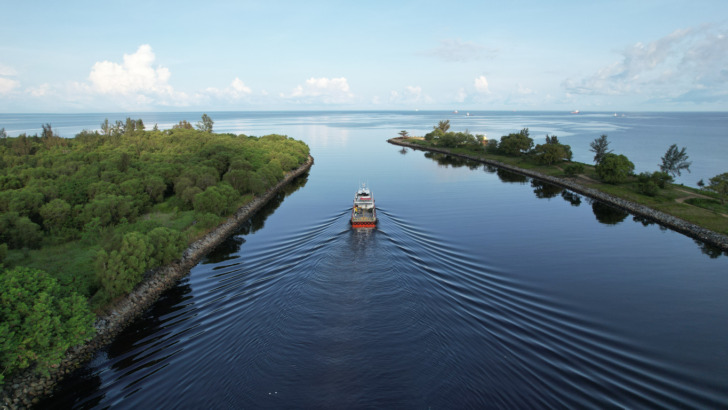
 Malaysia : Safety by City
Malaysia - safety as a country
Miri is one of those Malaysian cities that feels more relaxed than it probably gets credit for.
Sitting on the northwest coast of Sarawak, Malaysian Borneo, close to the Brunei border, Miri is known as the birthplace of Malaysia’s petroleum industry, but travelers usually know it for something much better: caves, beaches, national parks, sunsets, seafood, and easy access to Borneo’s rainforest adventures.
It is a practical base for places like Niah National Park, Lambir Hills National Park, and flights toward Gunung Mulu National Park.
Compared with bigger Malaysian cities, Miri feels calmer, smaller, and easier to navigate.
That said, it is still a real working city, not a polished resort bubble, so petty theft, traffic risks, weather disruptions, and normal urban awareness still matter.
Warnings & Dangers in Miri

OVERALL RISK: LOW
Miri is generally safe for tourists who use normal street smarts. Violent crime against visitors is uncommon, and most trips are trouble-free. The biggest issues are petty theft, traffic accidents, occasional scams, and weather-related disruptions. It is safer than many large regional cities, but travelers should still avoid careless behavior late at night.

TRANSPORT & TAXIS RISK: LOW
Transport in Miri is fairly manageable, but the city is spread out, so walking is not always practical. Grab is usually the easiest and safest option for tourists. Taxis exist but should be arranged through hotels, malls, or trusted operators. Roads can be busy, and motorbike traffic requires extra caution when crossing streets.

PICKPOCKETS RISK: LOW
Pickpocketing is not a major problem in Miri, especially compared with larger tourist cities, but it can happen in markets, busier commercial areas, malls, and nightlife spots. Keep phones and wallets secure, avoid leaving bags on café chairs, and be extra careful at night or in crowded public places.

NATURAL DISASTERS RISK: MEDIUM
Miri’s main natural risk is the weather. Heavy rain, thunderstorms, flash flooding, poor road conditions, and occasional haze can affect travel plans. Coastal weather can change quickly, and jungle areas become slippery after rain. The risk is manageable, but travelers visiting parks, caves, waterfalls, or rural areas should check conditions before heading out.

MUGGING RISK: LOW
Mugging is not common in Miri, but isolated incidents can happen, especially late at night in quiet streets, poorly lit areas, or after drinking. Avoid flashing expensive jewelry, cameras, or cash. Use rideshare instead of walking long distances after dark, particularly if you are unfamiliar with the neighborhood.

TERRORISM RISK: LOW
Miri itself is not considered a major terrorism hotspot. Malaysia has security awareness measures in place, and Sarawak is generally calmer than some higher-risk border and maritime areas elsewhere in East Malaysia. Still, travelers should stay aware in crowded public places, transport hubs, nightlife districts, and major events.

SCAMS RISK: LOW
Scams in Miri are usually low-level and avoidable. Tourists may encounter inflated taxi prices, questionable tour offers, or confusing money exchange situations. Use established tour operators, confirm prices before agreeing to anything, and rely on hotel recommendations when booking excursions. If something feels rushed or vague, walk away.

WOMEN TRAVELERS RISK: LOW
Women travelers generally find Miri safe, including solo travelers. The city is more conservative than some beach destinations, so modest clothing is helpful in local neighborhoods, markets, and religious sites. Most safety advice is standard: use Grab at night, avoid isolated areas, and be cautious around nightlife or heavy drinking environments.

TAP WATER RISK: MEDIUM
Tap water in Miri is treated, but many travelers prefer bottled or filtered water, especially if they have sensitive stomachs. Hotels and restaurants often provide safe drinking options. For short visits, bottled water is the easiest choice. In rural areas, parks, or roadside stops, avoid untreated water and ice of uncertain quality.
Safest Places to Visit in Miri
Miri City Center
Central Miri is one of the easiest areas for travelers to base themselves.
It has hotels, restaurants, cafés, shopping centers, banks, and access to transport.
During the day and early evening, the main commercial streets are usually comfortable and straightforward.
The area around major hotels and malls is especially convenient for first-time visitors because there are more people around, better lighting, and easy Grab availability.
Marina Bay and Miri Waterfront Areas
Miri’s coastal side is pleasant for relaxed walks, sunset views, and dining.
Marina Bay and nearby waterfront areas are popular with locals and visitors, especially in the evening.
These places are generally safe, but they are best enjoyed before it gets too late.
Stick to active areas, avoid dark stretches of beach, and keep your phone secure while taking photos.
Canada Hill and The Grand Old Lady
Canada Hill is one of Miri’s signature attractions.
It gives you a great city view and connects directly to Miri’s oil history through The Grand Old Lady, the city’s first oil well.
It is a safe and interesting place to visit during daylight hours.
Go in the morning or late afternoon, bring water, and avoid wandering alone into quiet side paths after dark.
Miri City Fan Recreation Park
Miri City Fan is a family-friendly urban park with gardens, paths, and public spaces.
It is a good place for a relaxed stroll, especially during the day or early evening when locals are around.
Like any public park, it is better to avoid empty corners at night, but overall, it is one of the nicer, safer spaces in the city.
Niah National Park and Lambir Hills National Park
These are among the best reasons to visit Miri.
Niah is famous for its caves and archaeological importance, while Lambir Hills offers rainforest trails and waterfalls.
Both are generally safe when visited properly, but nature safety matters.
Wear proper shoes, carry water, watch slippery paths, and do not go deep into trails without understanding the route.
Places to Avoid in Miri
Quiet Streets Late at Night
Miri is not a city where tourists need to be constantly nervous, but quiet streets after dark are still worth avoiding.
Areas that feel perfectly fine during the day can become empty at night, especially away from restaurants, hotels, malls, and main roads.
If you are going back to your hotel late, use Grab rather than walking through unfamiliar streets.
Isolated Beach Areas After Dark
Miri’s beaches are part of its charm, but secluded beach areas are not ideal after sunset.
This is less about constant danger and more about limited visibility, fewer people, and slower access to help if something goes wrong.
Enjoy beach sunsets, then leave before the area becomes too quiet.
Keep valuables out of sight while relaxing near the shore.
Unlicensed or Informal Transport Offers
Avoid random drivers offering rides, especially at night or near transport areas.
Most tourists are better off using Grab or arranging rides through their hotel.
This reduces the risk of overcharging, confusion, or being taken somewhere you did not intend to go.
If you do take a taxi, agree on the fare or meter use before starting.
Remote Park Trails Without Preparation
The national parks near Miri are beautiful, but they are not theme parks.
Avoid remote trails if you are alone, underprepared, or visiting during heavy rain.
Slippery paths, sudden storms, insects, muddy conditions, and poor phone signal can turn a simple walk into a stressful situation.
Stick to marked routes and start early.
Nightlife Areas When Intoxicated
Miri’s nightlife is modest compared with larger Malaysian cities, but bars and late-night venues still require common sense.
Avoid getting visibly drunk, leaving drinks unattended, or walking away with strangers.
Most problems in otherwise safe cities happen when travelers lower their guard late at night.
Safety Tips for Traveling to Miri
- Use Grab or hotel-arranged transport. Miri is not always ideal for walking from place to place because attractions, hotels, beaches, and restaurants can be spread out. Grab is widely used in Malaysia and is usually the most convenient option for visitors. It also helps avoid fare disputes and gives you a record of your trip. For airport transfers, late-night rides, or longer trips outside the city, hotel-arranged transport is also a smart option.
- Be careful when crossing roads. Traffic is one of the more realistic safety concerns in Miri. Roads can be wide, drivers may not always slow down for pedestrians, and motorbikes can appear quickly. Do not assume cars will stop just because you are at a crossing. Pause, make eye contact when possible, and cross only when you are sure it is safe.
- Protect your phone and wallet in public places. Miri is not a pickpocketing hotspot, but petty theft can still happen. Markets, food courts, malls, night spots, and public events are places where travelers should be a little more careful. Do not leave your phone on a restaurant table near the edge, keep bags zipped, and avoid carrying your passport unless necessary.
- Visit nature attractions with proper shoes and water. Niah National Park, Lambir Hills, beaches, waterfalls, and rainforest trails are major highlights around Miri. They are also places where travelers can slip, dehydrate, or get caught in bad weather. Wear shoes with grip, carry water, bring insect repellent, and do not underestimate humidity. Even short walks can feel harder in Borneo’s heat.
- Check the weather before outdoor trips. Heavy rain can affect roads, trails, beach plans, and cave visits. Miri’s tropical climate means storms may arrive suddenly, especially during wetter months. If you are heading to national parks or rural areas, check the forecast and ask locals or your hotel about current conditions. A flexible schedule is much safer than forcing a trip during bad weather.
- Avoid isolated areas after dark. Miri is generally calm, but late-night isolation is never your friend. If a street, beach, parking area, or park feels empty, leave and take a ride. This is especially important for solo travelers. Most safe travel is not about avoiding a city entirely, but avoiding the wrong situation at the wrong hour.
- Book tours through reputable operators. Miri is a gateway to bigger nature adventures, including caves, national parks, and flights deeper into Sarawak. Use reputable tour companies, hotel recommendations, or well-reviewed operators. Confirm what is included, the schedule, transport details, and what happens in case of bad weather. Cheap, vague offers are rarely worth the savings.
- Dress respectfully in local areas. Miri is multicultural, with Malay, Chinese, Indigenous, and other communities, and the overall atmosphere is relaxed but still modest by some Western standards. You do not need to overdress, but lightweight, respectful clothing helps you blend in, especially in markets, villages, religious sites, or government buildings. Beachwear belongs at the beach, not in the city center.
- Drink bottled or filtered water. For many visitors, bottled or filtered water is the simplest way to avoid stomach trouble. This is especially true if you are only in Miri for a short trip and do not want to risk losing a day to digestive issues. Be cautious with untreated water in rural areas and bring extra water when visiting parks.
- Keep emergency basics ready. Save your hotel address, keep some cash, carry a charged phone, and know that Malaysia’s emergency number is 999. It is also wise to keep a photo of your passport and travel insurance details stored securely. Miri is not a difficult place to travel, but small preparation makes every destination safer.
So... How Safe Is Miri Really?
Miri is genuinely one of the safer and easier cities for travelers in Malaysian Borneo.
It does not have the intensity of Kuala Lumpur, the backpacker chaos of some party destinations, or the same security concerns associated with certain maritime border areas elsewhere in East Malaysia.
For most tourists, the realistic risks are ordinary ones: road safety, petty theft, weather disruptions, minor scams, and being careless late at night.
The city’s safety profile is helped by its slower pace, practical layout, and role as a regional business and travel hub.
It has decent hotels, modern malls, an airport, hospitals, restaurants, and enough tourism infrastructure to make visitors comfortable.
It is not crime-free, of course.
Bag snatching, theft from vehicles, opportunistic scams, and alcohol-related incidents can happen.
But these are not reasons to avoid Miri.
There are reasons to travel like an adult with a zipped bag and a functioning sense of reality.
Where Miri becomes more complicated is outside the city, especially when travelers head into the rainforest, caves, waterfalls, coastal areas, or rural roads.
Nature is the bigger wild card here.
Rain, heat, slippery trails, and distance from quick help matter more than street crime.
Overall, I would call Miri a low-risk destination for prepared travelers and a very good base for exploring northern Sarawak.
How Does Miri Compare?
| City | Safety Index |
|---|---|
| Miri |
76 |
| Melaka |
82 |
| Kuching |
81 |
| Ipoh |
82 |
| Kota Kinabalu |
81 |
| Penang |
58 |
| Johor Bahru |
68 |
 Redwood City Redwood City | 85 |
| Southington | 86 |
| Harwich | 89 |
 Rosario Rosario | 32 |
 Adelaide Adelaide | 88 |
 Sulaymaniyah Sulaymaniyah | 68 |
Useful Information

Visas
Many tourists can visit Malaysia visa-free for short stays, often up to 90 days, depending on nationality. Travelers should check entry rules before departure because requirements can change. Malaysia also requires many foreign visitors to complete a digital arrival card before arrival. Your passport should usually be valid for at least six months.

Currency
Miri uses the Malaysian ringgit. Credit cards are accepted at many hotels, malls, and larger restaurants, but cash is useful for markets, small eateries, taxis, and rural trips. ATMs are available in the city. Exchange money at banks or licensed money changers rather than random street offers.

Weather
Miri is hot, humid, and tropical year-round. Expect warm temperatures, sudden rain, and strong sun. Lightweight breathable clothing, sandals, walking shoes, sunscreen, insect repellent, and a compact rain jacket are smart packing choices. If you plan to visit caves or rainforest trails, bring shoes with grip and clothes you do not mind getting muddy.

Airports
Miri Airport is the main airport serving the city and is only a short drive from the center. It has domestic connections to major Malaysian cities and regional routes within Sarawak. The easiest way into town is by Grab, taxi, or hotel transfer. Always confirm your terminal timing for onward domestic flights.

Travel Insurance
Travel insurance is strongly recommended for Miri, especially if you plan to visit caves, national parks, beaches, waterfalls, or remote areas of Sarawak. Good coverage should include medical treatment, trip delays, lost luggage, emergency evacuation, and outdoor activities. Healthcare is available in the city, but remote travel can get complicated quickly.
Miri Weather Averages (Temperatures)
Average High/Low Temperature
| Temperature / Month | Jan | Feb | Mar | Apr | May | Jun | Jul | Aug | Sep | Oct | Nov | Dec |
|---|---|---|---|---|---|---|---|---|---|---|---|---|
| High °C |
29 | 29 | 29 | 30 | 31 | 30 | 30 | 30 | 30 | 30 | 29 | 29 |
| Low °C |
25 | 25 | 25 | 25 | 26 | 25 | 25 | 25 | 25 | 25 | 25 | 25 |
| High °F |
84 | 84 | 84 | 86 | 88 | 86 | 86 | 86 | 86 | 86 | 84 | 84 |
| Low °F |
77 | 77 | 77 | 77 | 79 | 77 | 77 | 77 | 77 | 77 | 77 | 77 |
Malaysia - Safety by City
| City | Safety Index |
|---|---|
| Ipoh | 82 |
| Johor Bahru | 68 |
| Kota Kinabalu | 81 |
| Kuala Lumpur | 70 |
| Kuching | 81 |
| Melaka | 82 |
| Miri | 76 |
| Penang | 58 |
| Petaling Jaya | 76 |













I didn’t expect the seafood by the coast to be that fresh and tasty, it kind of made hanging around the city way more chill than I thought.