


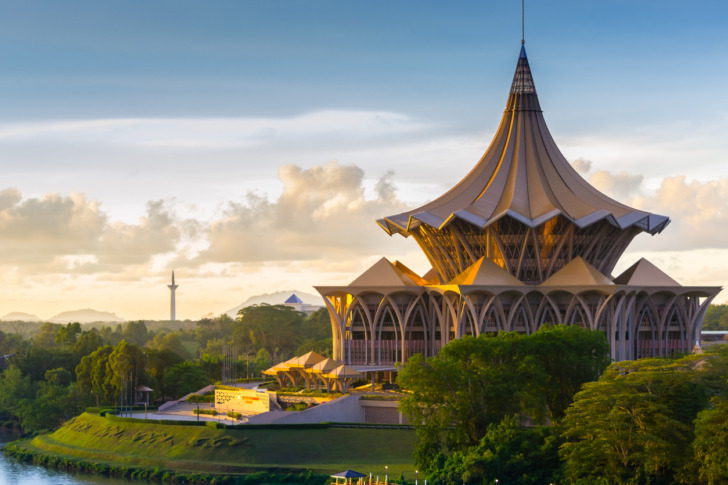
 Malaysia : Safety by City
Malaysia - safety as a country
Kuching is one of those cities that feels almost suspiciously easy to like.
Sitting on the Sarawak River in Malaysian Borneo, it is the capital of Sarawak and the main gateway to rainforests, orangutan sanctuaries, national parks, longhouses, and some of the best laksa you will ever eat.
The name “Kuching” sounds like the Malay word for cat, which explains the city’s playful cat statues, cat museum, and general commitment to feline branding.
But beyond the charm, this is a practical, relaxed, and generally safe city for travelers.
It has a slower rhythm than Kuala Lumpur, a friendly waterfront, affordable food, and enough nature nearby to make you feel like you are on the edge of something wild, because you are.
Warnings & Dangers in Kuching

OVERALL RISK: LOW
Kuching is generally safe for tourists, especially compared with many larger Southeast Asian cities. Violent crime against visitors is uncommon, and the city center is calm by regional standards. The main risks are petty theft, traffic awareness, occasional flooding, heat, and poorly lit areas at night. Normal travel caution is usually enough.

TRANSPORT & TAXIS RISK: LOW
Transport risk in Kuching is low if you use Grab, hotel-arranged transfers, or registered airport taxis. Public buses exist, but are not always the most convenient for tourists. Walking is pleasant around the waterfront and central streets, but sidewalks can be inconsistent, and drivers may not always yield.

PICKPOCKETS RISK: LOW
Pickpocketing is not a major problem in Kuching, but it can happen in busy markets, waterfront areas, food courts, busier shopping zones, and during festivals. Keep your phone and wallet secure, especially when taking photos or eating outside. Most theft here is opportunistic rather than aggressive.

NATURAL DISASTERS RISK: MEDIUM
Kuching has a medium natural disaster risk because of heavy tropical rain, monsoon flooding, thunderstorms, landslides in some rural or hilly areas, and occasional haze from regional forest fires. Earthquake risk is low, but weather can disrupt outdoor plans, river activities, and trips to national parks.

MUGGING RISK: LOW
Mugging risk is low in Kuching, especially in tourist-friendly areas such as the Waterfront, Carpenter Street, Padungan, and major hotel zones. Still, quiet streets, isolated riverfront sections late at night, and dark shortcuts are best avoided. Do not flash jewelry, expensive cameras, or large amounts of cash.

TERRORISM RISK: LOW
Kuching has a low terrorism risk. Malaysia has strong security controls, and Sarawak is far from the higher-risk coastal areas of eastern Sabah that are more often mentioned in regional security warnings. Travelers should still remain aware in crowded places, major events, transport hubs, and religious or political gatherings.

SCAMS RISK: LOW
Scams in Kuching are usually mild compared with bigger tourist cities. Watch for inflated taxi fares if you do not agree on a price, unofficial tour offers, overpriced souvenirs, and occasional “too friendly” sales approaches. Using Grab, booking tours through reputable operators, and checking prices in advance solves most issues.

WOMEN TRAVELERS RISK: LOW
Kuching is generally safe for women travelers, including solo travelers. The city is relaxed, conservative in parts, and friendly without feeling overly pushy. Dress modestly when visiting religious sites or villages, avoid walking alone through quiet areas late at night, and use ride-hailing after dark when unsure.

TAP WATER RISK: MEDIUM
Tap water risk is medium. Many hotels and locals may use filtered or boiled water, but visitors are better off drinking bottled, boiled, or filtered water. Ice in reputable restaurants is usually fine, but travelers with sensitive stomachs should be cautious with street drinks, raw foods, and unsealed bottles.
Safest Places to Visit in Kuching
Kuching Waterfront
The Kuching Waterfront is the city’s easiest and most enjoyable tourist area.
It is well-trafficked, scenic, and lined with food stalls, hotels, heritage buildings, and views of the Sarawak River.
I like it most in the early evening, when the heat softens, and the lights come on across the river.
It is safe for casual walking, but keep your bag close in crowds and avoid quiet stretches very late at night.
Carpenter Street and Old Kuching
Carpenter Street, India Street, and the older parts of central Kuching are excellent for walking, eating, and photography.
These areas are full of temples, coffee shops, old shophouses, and small businesses.
They feel local without being overwhelming.
During the day, they are among the safest and most interesting parts of the city for travelers.
Sarawak Cultural Village
Located near Damai and Mount Santubong, Sarawak Cultural Village is a good choice for families and first-time visitors who want a structured introduction to the cultures of Sarawak.
It is organized, tourist-friendly, and easy to visit with a driver or tour.
The main safety concern is simply staying hydrated and using sun protection.
Semenggoh Wildlife Centre
Semenggoh is one of the best day trips from Kuching and is generally safe when visited properly.
The main attraction is seeing semi-wild orangutans during feeding times.
Follow ranger instructions, keep your distance from wildlife, do not bring loose food, and watch your footing on paths after rain.
Bako National Park
Bako is safe for prepared travelers, but it is more rugged than central Kuching.
Trails can be slippery, monkeys may steal food, and boat transfers depend on weather and tides.
Go with proper shoes, water, insect repellent, and enough time to return before conditions change.
Places to Avoid in Kuching
Dark and Quiet Streets After Midnight
Kuching is not a city where tourists need to fear every shadow, but the usual rule applies: quiet, poorly lit streets are not ideal late at night.
Areas just outside the main tourist core can become very empty after restaurants close.
If you are returning to your hotel late, use Grab instead of wandering through unfamiliar side streets.
Isolated Riverbank Areas
The central Waterfront is lively and comfortable, but not every stretch near the river has the same level of foot traffic.
Avoid sitting alone in dark riverbank areas late at night, especially if you have a visible phone, camera, or handbag.
Stick to lit promenades, cafés, and areas where other people are around.
Unfamiliar Kampung or Industrial Areas at Night
Kuching has many normal residential kampungs and industrial edges that are not dangerous by default, but they are not especially useful for tourists either.
Places on the outskirts, including parts of Petra Jaya, Pending industrial zones, and distant suburban roads, can be confusing after dark and may lack easy transport back.
Remote Nature Areas Without Planning
The wilder areas around Kuching are part of the city’s appeal, but do not treat national parks, beaches, waterfalls, or jungle trails like city parks.
Avoid hiking alone on unfamiliar trails, swimming in rough water, or taking informal boat rides in bad weather.
Bako, Santubong, and rural day trips are best done with proper timing and local advice.
Empty Entertainment Spots or Informal Bars
Kuching nightlife is modest, but travelers should still be selective.
Avoid badly lit bars, unofficial drinking spots, or places where the crowd feels aggressive or heavily intoxicated.
If a situation feels off, leave early.
This is not paranoia, travel common sense with a side of self-preservation.
Safety Tips for Traveling to Kuching
- Use Grab or registered taxis for longer rides. Grab is one of the easiest ways to get around Kuching. It reduces the chance of fare confusion, gives you a route to follow, and removes the awkward taxi negotiation dance that nobody truly enjoys. From the airport, use registered airport taxis or ride-hailing. For national parks or longer day trips, book transport through your hotel or a reputable operator.
- Stay near the Waterfront or Old Town if it is your first visit. For first-time travelers, the Waterfront, Padungan, Carpenter Street, and nearby central areas are the most convenient bases. You will be close to food, museums, river walks, shops, and pickup points for tours. Staying centrally also means fewer late-night rides across unfamiliar neighborhoods and more flexibility if the weather changes your plans.
- Do not underestimate the rain. Kuching is tropical, green, and gloriously humid. That greenery is not running on vibes. Heavy rain can arrive quickly, especially during wetter months, and streets can flood in low-lying areas. Bring a compact umbrella or light rain jacket, use waterproof bags for electronics, and avoid tight schedules for outdoor tours.
- Protect yourself from heat and dehydration. The heat in Kuching can sneak up on you because the city feels relaxed and walkable. Drink more water than you think you need, wear breathable clothing, and schedule outdoor sightseeing earlier in the morning or later in the afternoon. A sweaty traveler is normal. A dizzy traveler is a planning error.
- Be careful around monkeys and wildlife. At places like Bako National Park and Semenggoh, wildlife is part of the magic. It is also wild. Macaques can be bold little thieves, and orangutans should never be approached. Do not feed animals, do not hold food visibly, and follow ranger instructions. The best wildlife encounter is the one where nobody loses a sandwich or a finger.
- Keep valuables low-key in markets and crowds. Kuching is not a pickpocket capital, but busy places still require awareness. Keep your phone secure, avoid leaving bags hanging on chairs, and do not place wallets on café tables. Markets, festivals, waterfront events, and food courts are the places where a moment of distraction matters most.
- Drink bottled, boiled, or filtered water. Many travelers visit Kuching without stomach issues, but tap water is not something I would casually recommend to visitors. Use bottled, boiled, or filtered water, especially if your stomach is sensitive. Check bottle seals, be cautious with ice at very basic stalls, and pack oral rehydration salts if you are doing jungle trips.
- Plan national park visits carefully. Kuching’s best adventures are outside the city, including Bako, Semenggoh, Gunung Gading, and Santubong. Check weather, boat schedules, trail difficulty, and closing times before leaving. Wear real walking shoes, not slippery flip-flops. Tell someone where you are going if you hike independently, and do not push trails during heavy rain.
- Respect local customs and dress modestly when needed. Kuching is multicultural, with Malay, Chinese, Dayak, and other communities living side by side. It is generally relaxed, but modest clothing is appreciated in villages, mosques, temples, government buildings, and cultural sites. Polite behavior goes far here. A little respect makes travel smoother and usually gets you better help when you need it.
- Avoid isolated walks late at night. Central Kuching is pleasant after dark, especially around the Waterfront and busy food streets. The issue is not that the city becomes dangerous at night, but that some areas become very quiet. If you have been out late, take a Grab back to your hotel. It is cheap, simple, and far better than guessing your way through dark side roads.
So... How Safe Is Kuching Really?
Kuching is one of Malaysia’s safer and more comfortable cities for travelers.
It does not have the same intensity, traffic pressure, or big-city crime concerns that visitors may experience in Kuala Lumpur or other major regional hubs.
The city’s tourist core is compact, friendly, and easy to navigate, with most visitor activity centered around the Waterfront, Old Town, museums, food streets, and organized day trips.
That said, Kuching is not risk-free.
The most realistic problems are petty theft, traffic accidents, tropical illness, dehydration, heavy rain, and nature-related mishaps outside the city.
The safety profile changes when you leave central Kuching for jungle trails, boat trips, beaches, or remote rural areas.
In town, common sense is usually enough. In nature, preparation matters.
Crime affecting tourists is usually opportunistic rather than violent.
Most travelers who run into trouble are dealing with lost phones, minor scams, stomach problems, rain-disrupted tours, or poor transport planning rather than serious crime.
Women travelers generally report feeling comfortable, especially in central areas, though late-night caution still applies.
My honest take: Kuching is safe, welcoming, and underrated.
It is a great destination for travelers who want culture, food, nature, and a Borneo atmosphere without the chaos of a larger city.
Treat the jungle seriously, stay alert after dark, and you should have a smooth trip.
How Does Kuching Compare?
| City | Safety Index |
|---|---|
| Kuching |
81 |
| Petaling Jaya |
76 |
| Miri |
76 |
| Ipoh |
82 |
| Penang |
58 |
| Kota Kinabalu |
81 |
| Johor Bahru |
68 |
 Rincon Rincon | 74 |
 Geelong Geelong | 86 |
 Centralia Centralia | 52 |
| Oklahoma | 65 |
| West Covina | 88 |
| St. Petersburg | 77 |
Useful Information

Visas
Many tourists can enter Malaysia visa-free for short stays, often up to 30 or 90 days, depending on nationality. Kuching is in Sarawak, which has its own immigration control, so keep your passport handy when flying in from Peninsular Malaysia or Sabah. Check entry rules before travel, as requirements can change.

Currency
Kuching uses the Malaysian ringgit. ATMs are widely available in malls, banks, and central areas, and cards are accepted in many hotels and restaurants. Still, carry cash for food stalls, markets, small shops, taxis, and entrance fees. Exchange money at licensed money changers rather than random street offers.

Weather
Kuching is hot, humid, and rainy throughout the year, with heavier rain usually from around November to February. Lightweight clothing, breathable fabrics, sandals, walking shoes, sunscreen, insect repellent, and a compact umbrella are smart packing choices. Air conditioning can be chilly indoors, so a light layer is useful.

Airports
Kuching International Airport is the main airport serving the city and is only a short drive from the center. Taxis, Grab, and hotel transfers are the easiest options. The airport connects Kuching with Kuala Lumpur, Kota Kinabalu, Penang, Singapore, and other regional destinations, making it a convenient Borneo gateway.

Travel Insurance
Travel insurance is strongly recommended for Kuching, especially if you plan to visit national parks, hike, take boat trips, or travel onward through Borneo. Look for coverage that includes medical care, evacuation, trip interruption, lost belongings, and outdoor activities. Kuching is safe, but the rainforest does not care about your itinerary.
Kuching Weather Averages (Temperatures)
Average High/Low Temperature
| Temperature / Month | Jan | Feb | Mar | Apr | May | Jun | Jul | Aug | Sep | Oct | Nov | Dec |
|---|---|---|---|---|---|---|---|---|---|---|---|---|
| High °C |
29 | 30 | 31 | 32 | 33 | 32 | 32 | 32 | 32 | 32 | 31 | 30 |
| Low °C |
23 | 23 | 23 | 24 | 24 | 24 | 23 | 23 | 23 | 23 | 23 | 23 |
| High °F |
84 | 86 | 88 | 90 | 91 | 90 | 90 | 90 | 90 | 90 | 88 | 86 |
| Low °F |
73 | 73 | 73 | 75 | 75 | 75 | 73 | 73 | 73 | 73 | 73 | 73 |
Malaysia - Safety by City
| City | Safety Index |
|---|---|
| Ipoh | 82 |
| Johor Bahru | 68 |
| Kota Kinabalu | 81 |
| Kuala Lumpur | 70 |
| Kuching | 81 |
| Melaka | 82 |
| Miri | 76 |
| Penang | 58 |
| Petaling Jaya | 76 |












Did you find any hidden spots along the Sarawak River where the atmosphere felt peaceful enough to just sit and watch the world go by?