


 Brunei : Safety by City
Brunei - safety as a country
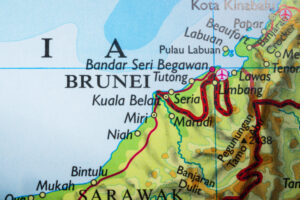
Tutong is a quiet town and district in central Brunei, positioned between the capital region of Bandar Seri Begawan and the oil-producing communities farther west.
It offers a completely different experience from Brunei’s grand mosques and government buildings, with traditional markets, rivers, wetlands, beaches, villages, farms, and large areas of tropical forest.
Travelers come for places such as Tasek Merimbun, Seri Kenangan Beach, the Tutong River, and local cultural experiences that provide a better look at everyday Bruneian life.
Tutong is generally very safe, with low crime levels and little aggressive nightlife.
Brunei as a whole is currently rated at the lowest U.S. travel-advisory level.
The bigger considerations are strict local laws, tropical heat, flooding, road travel, crocodiles near waterways, and the relative isolation of rural attractions.
Warnings & Dangers in Tutong

OVERALL RISK: LOW
Tutong is a low-risk destination for most travelers. Violent crime is uncommon, petty crime occurs only occasionally, and the atmosphere is generally calm. Visitors should pay more attention to Brunei’s strict laws, driving, tropical weather, wildlife, and remote outdoor locations than to conventional street crime.

TRANSPORT & TAXIS RISK: LOW
Driving is generally straightforward, and roads connecting Tutong with Bandar Seri Begawan and Belait are relatively good. Traffic drives on the left. A rental car is especially useful because attractions are spread across the district. Avoid speeding, watch for standing water after storms, and drive carefully on darker rural roads at night.

PICKPOCKETS RISK: LOW
Pickpocketing is uncommon in Tutong. Markets, shopping areas, public events, and transportation points are the most likely places for opportunistic theft. Keep your passport, phone, wallet, and camera secure, and do not leave valuables unattended inside parked vehicles, even if they are hidden from sight.

NATURAL DISASTERS RISK: MEDIUM
Heavy rainfall can cause flash flooding and landslides, particularly during the wetter months. Brunei can also experience thunderstorms, intense heat, haze, and periods of reduced air quality from regional or local fires. Flooding and landslides are most common during the wetter period around October through January.

MUGGING RISK: LOW
Mugging is unusual in Tutong. The town has little of the late-night street environment that typically increases robbery risk. Normal precautions are still appropriate after dark, particularly around quiet roads and isolated areas. Avoid carrying large amounts of cash or displaying expensive jewelry unnecessarily.

TERRORISM RISK: LOW
Tutong has a low terrorism risk. Brunei has no recent history of terrorist attacks, although authorities advise maintaining ordinary awareness because attacks can never be completely ruled out. For most travelers, terrorism should not significantly influence plans for visiting Tutong.

SCAMS RISK: LOW
Tourist scams are uncommon. Tutong does not receive enough mass tourism to support the aggressive scam culture found in some major destinations. Confirm prices for private tours and transportation beforehand, use legitimate accommodation, and be suspicious of unusual requests for money or personal information.

WOMEN TRAVELERS RISK: LOW
Tutong is generally safe for women, including solo travelers. Street harassment is not a major tourist problem, and violent crime is low. Women should nevertheless respect local standards of modest dress, particularly when visiting mosques, villages, government buildings, and religious or cultural events.

TAP WATER RISK: LOW
Tap water in Brunei is generally considered safe for drinking and cooking, and the public water system is routinely monitored. Travelers who notice unusual taste, color, or temporary maintenance problems can switch to bottled or filtered water. Bottled water is inexpensive and easy to find.
Safest Places to Visit in Tutong
Pekan Tutong
Tutong town itself is small, relaxed, and easy to explore.
Shops, restaurants, mosques, government offices, and local businesses are concentrated around the central area.
The streets are generally safe during both the day and early evening.
Traffic is a more realistic concern than crime, so watch carefully when crossing roads.
Tasek Merimbun Heritage Park
Tasek Merimbun is Brunei’s largest natural lake and one of Tutong District’s most important nature destinations.
The dark-water lake is surrounded by rainforest, wetlands, walking areas, and wildlife habitat.
Visit during established daytime hours and remain on recognized paths and boardwalks.
Bring insect repellent, water, and suitable footwear.
Travelers interested in exploring farther into the surrounding environment should use local guidance rather than simply heading into the forest alone.
Seri Kenangan Beach
Seri Kenangan Beach is one of Tutong’s most distinctive coastal areas, sitting on a narrow stretch of land between the South China Sea and the Tutong River.
It is especially popular around sunset.
The seaside can be considerably rougher than the riverside, so do not assume calm-looking tropical water is automatically suitable for swimming.
Pasarneka Tutong
Tutong’s traditional market is a good place to see local produce, food, handicrafts, and everyday community life.
It is particularly active on Thursday mornings.
Crime risk is low, although carrying small amounts of cash and keeping your belongings close remains sensible in any busy market.
Tutong River
The Tutong River runs through the district and supports mangrove forests and substantial wildlife.
Organized river cruises can provide opportunities to see hornbills, proboscis monkeys, and crocodiles.
Crocodiles are why I strongly avoid treating the river as a casual swimming area.
Stay away from muddy riverbanks and follow the instructions of experienced local boat operators.
Places to Avoid in Tutong
Tutong has no officially recognized dangerous neighborhoods or tourist no-go districts.
The places worth avoiding are mainly determined by wildlife, weather, darkness, and isolation.
Riverbanks With Crocodile Warnings
Saltwater crocodiles occur in Brunei’s waterways and have caused fatal attacks elsewhere in the country.
Do not stand unnecessarily close to muddy riverbanks, swim in unfamiliar rivers, or approach a crocodile for photographs.
Keep children well back from the water.
Remote Forests Without a Guide
Brunei’s rainforest is dense, humid, and surprisingly easy to become disoriented in.
Trails can disappear quickly once someone leaves established paths.
Do not attempt serious forest exploration alone.
Use recognized routes and local guides for remote hikes.
Flooded Roads
Tropical rain can overwhelm drainage and produce flash flooding.
Never drive through water when you cannot judge its depth or determine whether the road underneath has been damaged.
Turn around and find another route.
Seri Kenangan Beach During Rough Seas
The South China Sea side of the beach can experience stronger waves than visitors expect.
Avoid swimming when conditions are rough or when local warnings are in place.
The beach is perfectly enjoyable from the sand without venturing into the ocean.
Quiet Rural Roads Late at Night
Crime remains low, but driving through unfamiliar rural areas after dark introduces other problems, including poor visibility, wildlife, standing water, and difficulty finding assistance.
Complete longer sightseeing trips during daylight when possible.
Safety Tips for Traveling to Tutong
- Learn Brunei’s laws before arriving. Brunei has considerably stricter laws than many travelers are accustomed to. Drug offenses can carry extremely severe penalties, alcohol sales are prohibited, public behavior is regulated more strictly than in many Western countries, and same-sex sexual activity is illegal. Respecting local law is an important part of traveling safely here.
- Be particularly respectful during Ramadan. During Ramadan, eating, drinking, and smoking visibly in public during fasting hours can violate local rules. Restaurants and daily schedules may also change. Visitors should follow local guidance and be especially respectful around religious activities.
- Do not criticize the royal family publicly. The Sultan and royal family occupy a highly respected position in Bruneian society. Public criticism can cause serious offense and potentially result in legal consequences. This is not a destination where provocative political jokes are a clever way to meet locals.
- Use a rental car or dependable transportation. Tutong District is spread out, and many attractions are outside the town center. Having reliable transportation makes visiting beaches, nature areas, villages, and Tasek Merimbun much easier. Brunei’s Dart ride service is another useful option where available.
- Stay away from crocodile habitat. Crocodiles live in Brunei’s rivers, estuaries, and some coastal environments. Never assume a quiet riverbank is safe because there are houses nearby. Follow warning signs, ask locals about conditions, and do not swim in unfamiliar waterways.
- Do not hike alone in dense forest. Rainforest navigation can become difficult quickly. Stay on established paths, carry water, wear closed shoes, and bring a phone, flashlight, and basic supplies. For more serious hiking, use someone familiar with the area.
- Prepare for tropical heat. Tutong is hot and humid throughout the year. Carry water, wear lightweight clothing, use sunscreen, and schedule demanding outdoor activities for the morning when possible. Heat exhaustion can develop faster than visitors accustomed to cooler climates expect.
- Protect yourself from mosquitoes. Mosquitoes are common in the tropical environment, particularly near forests, lakes, wetlands, and after rain. Use insect repellent, wear long lightweight clothing when necessary, and choose accommodation with screens or air conditioning.
- Watch the weather during heavy rain. Flooding can develop surprisingly quickly. Heavy rainfall can also trigger landslides on unstable slopes. If a road, trail, or recreation area is closed, do not attempt to bypass the restriction just because conditions appear manageable.
- Plan rural trips before leaving town. Some Tutong attractions are remote compared with the compact distances travelers may expect in Brunei. Carry water, keep your phone charged, save offline directions, and make sure you have enough fuel. Tell someone where you are going if visiting a particularly isolated nature area.
So... How Safe Is Tutong Really?
Tutong is genuinely a very safe destination from a conventional crime perspective.
Brunei currently sits at the lowest U.S. travel-advisory level, and crime levels remain low, with only occasional petty theft and burglary reported.
For tourists in Tutong, the more interesting safety concerns come from the environment and the country’s legal system.
The district is home to wetlands, rivers, rainforest, beaches, and rural roads.
Crocodiles occur in waterways, venomous snakes live in Brunei, and dense forest can make getting lost surprisingly easy.
Heavy tropical rain can also cause flooding and landslides.
Meanwhile, Brunei’s laws are stricter than those of most popular Southeast Asian tourism destinations.
Rules surrounding drugs, alcohol, public behavior, relationships, pornography, smoking, and religious conduct can carry penalties that travelers should not dismiss simply because enforcement seems invisible.
None of that makes Tutong dangerous.
In fact, it remains one of the calmer destinations in Southeast Asia.
It simply rewards travelers who understand where they are.
Overall, I rate Tutong as low risk.
Use established transportation, stay out of unfamiliar rivers, respect Bruneian laws, protect yourself from heat and mosquitoes, and take flooding seriously.
For travelers interested in seeing a quieter and greener side of Brunei, Tutong is an easy destination to explore safely.
How Does Tutong Compare?
| City | Safety Index |
|---|---|
| Tutong |
94 |
| Kuala Belait |
92 |
| Bangar |
95 |
| Seria |
93 |
| Muara |
92 |
| Bandar Seri Begawan |
91 |
 Manama Manama | 54 |
 Chesapeake Chesapeake | 69 |
| Lynn | 74 |
 Sana’a Sana’a | 36 |
 Pietermaritzburg Pietermaritzburg | 43 |
| Windsor Locks | 86 |
Useful Information

Visas
Visa requirements depend on nationality. Brunei allows citizens of various countries to enter without a visa for periods of 14, 30, or 90 days, depending on their passport. Foreign visitors must also complete the country's electronic arrival registration before entering through an immigration checkpoint. Passports should generally remain valid for at least six months.

Currency
Tutong uses the Brunei dollar, abbreviated BND. The Brunei dollar is interchangeable at equal value with the Singapore dollar within Brunei. Cards are accepted at many established businesses, but some local restaurants and market vendors remain cash-only, so carrying smaller notes is useful.

Weather
Tutong has a hot, humid equatorial climate with temperatures commonly in the upper 20s and low 30s Celsius throughout the year. Rain occurs year-round, with particularly wet periods around October through January and again around May through July. Lightweight clothing, rain protection, sunscreen, and insect repellent are useful in every season.

Airports
Brunei International Airport near Bandar Seri Begawan is the main international gateway. Tutong is reachable from the airport by road, usually in roughly an hour, depending on the destination within the district and traffic. Rental cars, private transfers, taxis, and Dart are the most practical options.

Travel Insurance
Travel insurance is recommended even though Tutong is a low-risk destination. Coverage should include medical treatment, road accidents, emergency transportation, flooding, trip disruption, and lost belongings. Visitors planning rainforest excursions or other outdoor activities should check that those activities are included in their policy.
Tutong Weather Averages (Temperatures)
Average High/Low Temperature
| Temperature / Month | Jan | Feb | Mar | Apr | May | Jun | Jul | Aug | Sep | Oct | Nov | Dec |
|---|---|---|---|---|---|---|---|---|---|---|---|---|
| High °C |
31 | 31 | 32 | 33 | 33 | 33 | 33 | 33 | 32 | 32 | 32 | 32 |
| Low °C |
24 | 24 | 24 | 24 | 24 | 24 | 24 | 24 | 24 | 24 | 24 | 24 |
| High °F |
88 | 88 | 90 | 91 | 91 | 91 | 91 | 91 | 90 | 90 | 90 | 90 |
| Low °F |
75 | 75 | 75 | 75 | 75 | 75 | 75 | 75 | 75 | 75 | 75 | 75 |
Brunei - Safety by City
| City | Safety Index |
|---|---|
| Bandar Seri Begawan | 91 |
| Bangar | 95 |
| Kuala Belait | 92 |
| Muara | 92 |
| Seria | 93 |
| Tutong | 94 |
















I never thought a place so calm with hidden beaches and rivers could feel both peaceful and a bit adventurous, especially when you realize crocodiles are nearby.