


 Turkey : Safety by City
Turkey - safety as a country
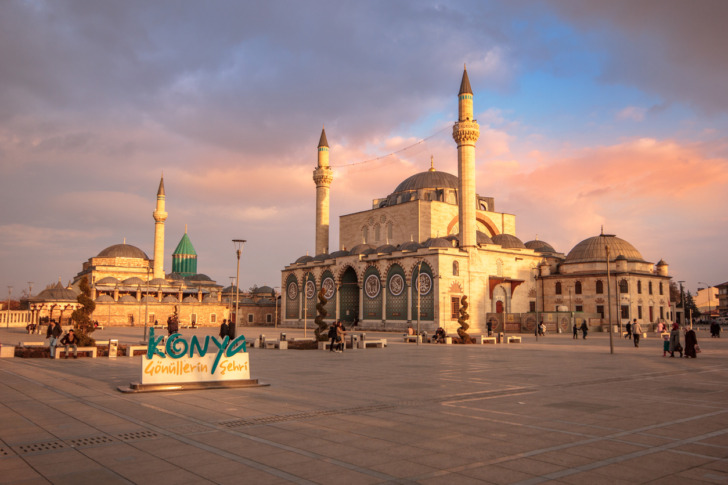
Konya sits in the heart of central Türkiye, spread across the wide Anatolian plateau where the landscape feels open, dry, historic, and quietly dramatic.
This is one of the country’s most important spiritual cities, best known as the home of Mevlana Rumi, the 13th-century poet, mystic, and inspiration behind the Whirling Dervishes.
It is also one of Türkiye’s more conservative major cities, which gives it a different rhythm from Istanbul, Antalya, or Bodrum.
Konya is not a flashy party destination.
It is calmer, more traditional, and deeply tied to Seljuk history, mosques, museums, bazaars, and pilgrimage-style tourism.
For travelers who like culture, architecture, and slow wandering, it is a fascinating stop.
Safety-wise, Konya is generally comfortable, but it rewards visitors who dress respectfully, stay aware in crowded places, and understand local customs.
Warnings & Dangers in Konya

OVERALL RISK: LOW
Konya is generally a safe city for tourists, especially compared with larger, busier Turkish destinations. Violent crime against visitors is uncommon, and the city has a calm, conservative atmosphere. The main risks are petty theft, traffic awareness, cultural misunderstandings, and occasional overcharging. Most travelers who use normal precautions should feel comfortable here.

TRANSPORT & TAXIS RISK: LOW
Konya has trams, buses, taxis, intercity trains, and airport transfers, making it fairly easy to get around. Public transport is generally safe, although it can be crowded during commuting hours. With taxis, the biggest concern is not danger but pricing. Use official taxis, confirm the meter, or arrange rides through your hotel.

PICKPOCKETS RISK: LOW
Pickpocketing is not a major problem in Konya, but it can happen in busy areas such as bazaars, public transport stops, festivals, and around major attractions like the Mevlana Museum. Keep your phone and wallet secure, especially in crowds. Konya is calmer than Istanbul, but “calmer” should not mean careless.

NATURAL DISASTERS RISK: MEDIUM
Konya is not Türkiye’s highest-risk earthquake destination, but Türkiye as a whole sits in a seismically active region. The wider province can also experience drought, heat, winter cold, and occasional severe weather. Travelers should know basic earthquake safety, stay hydrated in summer, and prepare for chilly conditions if visiting during winter.

MUGGING RISK: LOW
Mugging is not a common tourist concern in Konya. The city is more known for religious tourism, students, families, and local commerce than nightlife-related street crime. Still, avoid poorly lit streets late at night, do not flash cash, and use taxis if you are returning to your hotel after dark from quiet areas.

TERRORISM RISK: MEDIUM
The terrorism risk in Konya itself is not usually the main concern for visitors, but Türkiye has faced security threats in the past, especially around major cities, transportation hubs, government sites, and crowded public spaces. Konya’s risk is lower than that of sensitive border regions, but travelers should remain alert in busy public areas and avoid demonstrations.

SCAMS RISK: LOW
Konya has fewer aggressive tourist scams than Istanbul or resort towns, but overcharging, vague taxi pricing, inflated souvenir prices, and unofficial guides can still happen. Be polite but firm, agree on prices before accepting services, and book tours through reputable sources. Most local interactions are honest and friendly.

WOMEN TRAVELERS RISK: LOW
Women travelers can visit Konya safely, including solo travelers, but the city is conservative. Modest clothing is wise, especially near mosques, religious sites, and traditional neighborhoods. Unwanted attention is usually less intense than in some larger cities, but women may feel more comfortable avoiding isolated areas at night and using trusted transport.

TAP WATER RISK: LOW
Tap water in Konya is generally treated, but many visitors prefer bottled water because of taste, mineral content, and stomach sensitivity. It is usually fine for brushing teeth. For drinking, bottled water is cheap and widely available, so it is the easiest choice if you want to avoid minor stomach issues.
Safest Places to Visit in Konya
Mevlana Museum and Surrounding Streets
The Mevlana Museum is the heart of Konya’s tourism scene and one of the safest, most visitor-friendly parts of the city.
The area is usually busy with families, tour groups, pilgrims, and local visitors, which gives it a calm but active feel.
This is where travelers come to see Rumi’s tomb, the turquoise-domed complex, gardens, calligraphy, ceremonial objects, and the quiet spiritual atmosphere that makes Konya famous.
The nearby streets have restaurants, tea spots, souvenir shops, and hotels, so you are rarely far from help or activity.
The main thing to watch for here is crowd awareness.
Keep valuables zipped away, especially during peak visiting hours or around religious events.
Alaeddin Hill and Alaeddin Mosque
Alaeddin Hill is another safe and pleasant area, especially during the day and early evening.
It is a central park-like hill with Seljuk history, walking paths, views, and the historic Alaeddin Mosque.
Because it is central and open, it is a good place to orient yourself in the city.
It is also close to tram stops and major streets, which makes it easy to reach without wandering into unfamiliar neighborhoods.
Visit during daylight for the best experience, and be respectful around the mosque.
Sille Village
Sille, just outside central Konya, is one of the most interesting and peaceful places to visit.
This old village has stone houses, churches, mosques, restored streets, cafes, and a slower pace than the city center.
It is popular with local visitors, photographers, and travelers looking for something atmospheric but not chaotic.
Sille is generally safe, but it is best visited during the day.
Wear comfortable shoes, since some streets are uneven, and arrange your return transportation ahead of time if you are not driving.
Karatay Madrasa and Ince Minare Museum
Konya’s historic madrasas and museums are also safe tourist stops.
They are central, culturally important, and usually calm.
These are great places to explore Seljuk tilework, stone carving, religious history, and architecture without dealing with the pressure of crowded nightlife districts or chaotic traffic zones.
Places to Avoid in Konya
Empty Streets Around the City Center Late at Night
Konya is not a city where tourists need to panic about dangerous neighborhoods, but the safest approach is to avoid quiet, empty streets late at night.
The city becomes much calmer in the evening, especially compared with Istanbul or coastal resorts.
Once shops close and foot traffic thins out, some areas can feel isolated.
This does not mean the city center is dangerous.
It simply means travelers should use common sense.
If you are returning from dinner or a late event, stick to main roads, use a taxi, and avoid shortcuts through dark side streets.
Bus Terminal and Transport Hubs After Dark
Konya’s bus terminal and transport areas are practical rather than scenic.
During the day, they are usually fine, but at night, they can feel less comfortable for travelers with luggage, especially if you are unfamiliar with the city.
The main risks are not violent crime but confusion, taxi overcharging, and petty theft.
Keep your bags close, do not accept help from random unofficial “assistants,” and use official ticket offices and marked taxis.
If arriving late, arrange transportation in advance through your accommodation.
Industrial and Outer Suburban Areas
Konya is a large city, and not every district has tourist value.
Industrial zones, outer residential areas, and distant commercial stretches are not necessarily dangerous, but they offer little for visitors and can be confusing without Turkish language skills.
They may also have fewer English speakers, less tourist infrastructure, and limited transport options at night.
Unless you have a specific reason to go, focus on the historic center, museum areas, Sille, and established visitor routes.
Crowded Bazaars During Peak Hours
Konya’s bazaars are worth visiting, but crowded shopping streets require extra awareness.
Pickpocketing is still relatively low, yet crowded markets are always easier places for small theft, bag bumps, and distraction.
Keep wallets in front pockets or zipped bags, avoid carrying your passport around, and do not pull out large amounts of cash while bargaining.
The bazaars are not places to avoid completely.
They are places to visit with your city brain switched on.
Safety Tips for Traveling to Konya
- Dress respectfully, especially near religious sites. Konya is one of Türkiye’s more conservative cities, and this affects the way travelers are perceived. You do not need to dress formally, but modest clothing goes a long way. For women, covered shoulders, longer skirts or pants, and a scarf for mosque visits are practical. Men should avoid walking around shirtless or wearing beach-style clothing in the city. Dressing respectfully helps you blend in, reduces unwanted attention, and shows basic cultural awareness.
- Use official taxis and confirm the meter. Taxis in Konya are generally safe, but tourists should still be clear about pricing. Before the ride starts, check that the meter is running or agree on the fare if it is a fixed trip. This is especially important at the airport, bus terminal, or train station. When in doubt, ask your hotel or restaurant to call a taxi for you. It removes most of the guesswork.
- Keep valuables secure in crowded places. Konya is not a pickpocket hotspot, but crowded places always deserve attention. Around the Mevlana Museum, bazaars, tram stops, and public events, keep your phone and wallet in a zipped pocket or crossbody bag. Do not leave your phone on cafe tables near the street. It only takes one careless moment to turn a peaceful day into a paperwork headache.
- Learn a few Turkish phrases. English is not as widely spoken in Konya as it is in Istanbul, Cappadocia, or Antalya. Basic Turkish phrases can help with directions, prices, food orders, and polite interactions. Even simple words like hello, thank you, how much, and excuse me make a difference. Locals tend to appreciate the effort, and it can help you avoid misunderstandings.
- Be mindful during religious events and prayer times.
Konya is strongly connected to Islamic culture and Sufi heritage. During prayer times, around mosques, and during important religious periods, behave respectfully. Speak softly, do not photograph people praying without permission, and follow signs about shoes, scarves, and restricted areas. This is not just about safety. It is about being a thoughtful guest. - Drink bottled water if you have a sensitive stomach.
Tap water is generally treated, but many travelers prefer bottled water in Konya because it tastes different from what they are used to. If you are only visiting for a few days, bottled water is an easy choice. It is cheap, available everywhere, and helps avoid minor stomach issues that can ruin a short trip. - Prepare for the climate, not just the culture. Konya’s climate can surprise travelers. Summers are dry and hot, with strong sun and wide streets that offer limited shade. Winters can be cold, and snow is possible. Spring and autumn are usually the most comfortable. Pack layers, sunscreen, a hat, comfortable shoes, and a warmer jacket if visiting outside of summer. Weather safety is still safety.
- Avoid political demonstrations and large, tense gatherings. Most tourist visits to Konya are peaceful, but travelers should avoid protests, political gatherings, or tense crowds anywhere in Türkiye. Even peaceful events can become complicated quickly, and foreigners do not want to be caught in the middle of local political activity. If you notice a heavy police presence or a gathering forming, leave the area calmly.
- Choose accommodation near the historic center or tram access. For first-time visitors, staying near the Mevlana Museum, Alaeddin Hill, or a convenient tram stop makes the trip easier and safer. You will spend less time navigating unfamiliar outer districts and more time walking between major attractions. A central hotel also helps if you want to return during the day to rest, drop off purchases, or avoid walking late at night.
- Respect the slower, more traditional rhythm of the city. Konya is not a nightlife destination, and that is part of its charm. The city feels calmer, more family-oriented, and more religious than many other Turkish stops. Travelers who arrive expecting beach-resort energy may feel out of place. The safest and most enjoyable approach is to lean into Konya’s rhythm: museums, tea, mosques, Seljuk architecture, local food, and early evenings.
So... How Safe Is Konya Really?
Konya is genuinely one of the more relaxed major cities in Türkiye for travelers, especially if your plans revolve around museums, historic sites, religious tourism, food, and walking around central areas during the day.
The city has a large population, but it does not usually feel as frantic as Istanbul or as tourist-commercial as some coastal resorts.
That alone lowers many common travel headaches.
The most realistic issues for visitors are petty theft in crowded areas, taxi overcharging, cultural awkwardness, traffic awareness, and basic urban caution after dark.
Violent crime is not a major concern for ordinary tourists.
Solo travelers, couples, families, and older visitors can all have a safe trip if they stay in central areas and use normal precautions.
The broader Türkiye context matters, though.
Travelers should still pay attention to national security updates, avoid demonstrations, and be alert in transport hubs and crowded public places.
Natural disaster awareness is also sensible because Türkiye is earthquake-prone, even if Konya is not the country’s most famous earthquake-risk destination.
Overall, I would describe Konya as safe, calm, and deeply rewarding, but not casual in the way beach towns are casual.
It is a place where respectful behavior matters.
If you dress modestly, keep your valuables secure, use reliable transport, and treat religious spaces thoughtfully, Konya is a very comfortable city to explore.
How Does Konya Compare?
| City | Safety Index |
|---|---|
| Konya |
74 |
| Kusadasi |
68 |
| Antalya |
78 |
| Edirne |
72 |
| Istanbul |
60 |
| Ankara |
58 |
| Alanya |
76 |
 Athens Athens | 68 |
 Denpasar Denpasar | 60 |
 Karlovy Vary Karlovy Vary | 86 |
 Ayacucho Ayacucho | 44 |
 St. Cloud St. Cloud | 52 |
 La Romana La Romana | 62 |
Useful Information

Visas
Visa rules for Türkiye depend on your nationality. Many travelers can enter visa-free for short stays, while others need an e-Visa before arrival. Some nationalities can apply online in minutes, with fees varying by passport. Always check your passport's validity before booking, since Türkiye commonly expects several months of validity beyond arrival.

Currency
Konya uses the Turkish lira. Credit and debit cards are accepted in many hotels, restaurants, and larger shops, but cash is still useful for taxis, small cafes, markets, and local purchases. Exchange money at reputable exchange offices or withdraw from bank ATMs. Avoid changing large amounts at airports unless necessary.

Weather
Konya has hot, dry summers and cold winters, with spring and autumn offering the most comfortable sightseeing weather. Summer travelers should pack sunscreen, sunglasses, breathable clothing, and a hat. Winter visitors should bring a warm coat, layers, and proper shoes. Because the city sits inland, temperatures can swing more than coastal Türkiye.

Airports
Konya Airport is the main airport serving the city and is located outside the center. Taxis and shuttle services connect the airport with central Konya, with the trip usually taking around 30 to 40 minutes, depending on traffic and destination. Many international travelers also reach Konya through Istanbul, Ankara, or high-speed train connections.

Travel Insurance
Travel insurance is strongly recommended for Konya, even though the city is generally safe. A good policy can cover medical care, trip cancellations, lost luggage, delays, and emergency assistance. Türkiye has good medical facilities in major cities, but paying out of pocket can be expensive if something unexpected happens. Insurance is a small cost for a lot of peace of mind.
Konya Weather Averages (Temperatures)
Average High/Low Temperature
| Temperature / Month | Jan | Feb | Mar | Apr | May | Jun | Jul | Aug | Sep | Oct | Nov | Dec |
|---|---|---|---|---|---|---|---|---|---|---|---|---|
| High °C |
5 | 7 | 12 | 17 | 22 | 27 | 31 | 31 | 26 | 20 | 13 | 7 |
| Low °C |
-3 | -2 | 1 | 5 | 9 | 13 | 16 | 15 | 11 | 7 | 2 | -1 |
| High °F |
41 | 45 | 54 | 63 | 72 | 81 | 88 | 88 | 79 | 68 | 55 | 45 |
| Low °F |
27 | 28 | 34 | 41 | 48 | 55 | 61 | 59 | 52 | 45 | 36 | 30 |
Turkey - Safety by City
| City | Safety Index |
|---|---|
| Alanya | 76 |
| Ankara | 58 |
| Antalya | 78 |
| Bodrum | 78 |
| Bursa | 66 |
| Edirne | 72 |
| Eskisehir | 85 |
| Istanbul | 60 |
| Izmir | 70 |
| Konya | 74 |
| Kusadasi | 68 |
| Urgup | 71 |












Spent an afternoon wandering the old bazaars here and was totally caught off guard by the peaceful vibe amidst all the history around.
Walking through the old bazaars here at sunset, I kept catching this quiet vibe that really makes you slow down and think about how different life feels away from the usual tourist spots.
The quiet streets and the peaceful vibe there really made me slow down and appreciate the history around every corner.