


 Turkey : Safety by City
Turkey - safety as a country
Bursa sits in northwestern Turkey, just south of the Sea of Marmara and within easy reach of Istanbul, yet it feels like a different world.
This is a city of Ottoman history, mountain air, thermal baths, busy bazaars, and hearty food that somehow makes you want to keep eating long after you should stop.
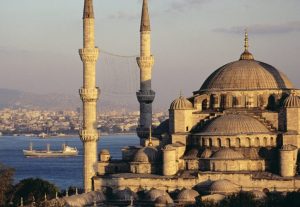
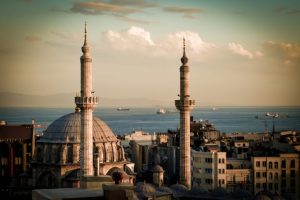
It was once the first major capital of the Ottoman Empire, and that history still shows in its grand mosques, külliyes, tombs, and caravanserais.
What I like about Bursa is that it gives travelers a more local, less frantic version of urban Turkey.
It is large and modern, but it still has corners that feel traditional and relaxed.
For most visitors, Bursa is not a high-stress destination.
Still, like any big city, it comes with a few safety issues worth knowing before you go.
Warnings & Dangers in Bursa

OVERALL RISK: MEDIUM
Bursa is generally a comfortable city for travelers, especially in the main sightseeing and shopping areas. Violent crime against tourists is not the main concern here. The bigger issues are petty theft, occasional transport hassles, and the need to stay alert in crowded places. The broader country risk picture also matters, so common-sense caution is important.

TRANSPORT & TAXIS RISK: MEDIUM
Public transport in Bursa is useful and usually straightforward, with metro, tram, buses, and minibuses connecting much of the city. The risk comes more from taxi overcharging, route padding, language confusion, or late-night transport decisions than from outright danger. Use licensed taxis, confirm the meter, and avoid getting into random unofficial cars.

PICKPOCKETS RISK: MEDIUM
Pickpocketing is not the first thing people associate with Bursa, but it can happen in crowded markets, transport hubs, shopping districts, and tourist-heavy areas. Busy places like the Grand Bazaar area, Koza Han, and packed buses are where you should be most careful. Keep your phone and wallet zipped away, especially during rush hours.

NATURAL DISASTERS RISK: MEDIUM
This is one category travelers should not shrug off. Turkey is seismically active, and Bursa sits in a region where earthquake awareness matters. Depending on the season, heat, winter weather, and occasional wildfire conditions in surrounding areas can also affect travel plans. Know your hotel’s emergency exits and monitor local alerts if conditions change.

MUGGING RISK: LOW
Street robbery and violent mugging are not among the most common problems facing visitors in Bursa. Most travelers never experience anything more serious than occasional annoyance or minor scams. That said, isolated streets, poorly lit parks, and peripheral areas late at night are never ideal. Basic city caution goes a long way here.

TERRORISM RISK: MEDIUM
Bursa itself is not usually the city travelers worry about first, but Turkey as a whole remains under ongoing security advisories because attacks can happen with little warning. Tourist areas, transport hubs, malls, and public gathering places are the kinds of locations that always require awareness. Stay away from demonstrations and avoid lingering around tense public gatherings.

SCAMS RISK: MEDIUM
Scams in Bursa are more likely to involve pricing games than dramatic street cons. Think inflated taxi fares, tourist pricing, unclear menus, or overpriced day-trip offers. Most interactions are honest, but visitors who look rushed or unfamiliar with local prices can pay more than they should. Ask prices beforehand and keep cash transactions simple.

WOMEN TRAVELERS RISK: MEDIUM
Many women travel through Bursa without serious issues, and the city is generally calmer than some larger tourist centers. Still, solo women may attract attention in some neighborhoods, especially after dark or outside central areas. Dressing with local norms in mind, using registered transport at night, and staying in busy, well-lit areas make a big difference.

TAP WATER RISK: MEDIUM
Tap water in Bursa is treated, but many travelers still prefer bottled or filtered water, especially if they have a sensitive stomach or are not used to local systems. Even when the water is technically safe, taste and mineral content can vary. For short visits, bottled water is the safer and simpler choice.
Safest Places to Visit in Bursa
The safest places for most travelers are the central, well-trafficked, and historically important areas where locals, families, and other visitors are constantly around.
The Hanlar Bölgesi, the old market and inn district, is one of the best examples.
Around Koza Han, the Covered Bazaar, and nearby streets, there is usually plenty of activity during the day, which makes the area feel comfortable and easy to navigate.
This is where I would send first-time visitors who want both atmosphere and a sense of security.
Tophane is another solid choice.
The park, clock tower, and the tombs of Osman and Orhan sit on elevated ground with nice views and steady daytime foot traffic.
It feels more relaxed than chaotic, especially if you visit in daylight.
The Ulu Cami area is also a natural base for sightseeing because it is central, famous, and generally busy enough that you do not feel isolated.
For a more polished urban experience, many travelers also feel comfortable around Nilüfer and parts of Osmangazi, especially near modern shopping streets, cafés, and family-oriented neighborhoods.
FSM Boulevard is popular for dining and evening strolls, and it tends to feel orderly and lively rather than edgy.
If you want something more scenic, Cumalıkızık is a good day outing.
It is a historic village with a strong tourism identity, and daytime visits are typically easy and low-stress.
Uludağ can also be very enjoyable, especially in ski season or for mountain views, though weather conditions matter there more than city crime.
In general, the safest rule in Bursa is simple: stay where there are people, businesses, and regular foot traffic.
Places to Avoid in Bursa
Bursa is not a city where tourists usually build itineraries around dangerous no-go zones, but there are definitely areas and situations where you should be more careful.
The biggest concern is not some famous criminal district.
It wanders into less active residential or industrial edges of the city without any real reason, especially after dark.
Parts of Yıldırım and some outer sections away from tourist routes can feel less comfortable for visitors who do not know the city.
That does not mean every street is dangerous.
It means these areas are less practical and less forgiving if you get lost.
Poorly lit side streets off busy commercial zones can also feel very different once the shops close.
During the day, market districts may seem energetic and completely fine, but at night, some back streets become quiet fast.
I would be especially cautious around deserted underpasses, empty park edges, and transport surroundings late at night if there are few people around.
Some travelers also run into problems not because of the location itself, but because they book very cheap accommodation in inconvenient parts of town, then spend each evening dealing with isolated streets and unreliable late returns.
That is avoidable.
Choose a hotel in central Osmangazi, near major historic sights, or in a well-reviewed part of Nilüfer rather than somewhere that saves a little money but adds a lot of hassle.
One more thing to avoid is any area affected by protests, political gatherings, or sudden public tension.
Those situations can shift quickly in Turkey, even if you are nowhere near the country’s highest-risk regions.
In Bursa, your smartest move is to skip unnecessary late-night wandering in unfamiliar neighborhoods and stick to known, active zones.
Safety Tips for Traveling to Bursa
- Stay in a central, well-reviewed neighborhood. Choosing the right base solves half your safety issues before they start. Areas near the historic center, major mosques, shopping districts, or established modern neighborhoods are easier to navigate and usually better lit. A slightly better location is often worth more than a cheaper room on the edge of town.
- Watch your belongings in crowded places. Bursa’s bazaars, transport lines, shopping streets, and busy squares are where you need the most awareness. Keep bags zipped, avoid putting phones in back pockets, and do not leave your wallet exposed while paying. Petty theft is much easier to prevent than to fix.
- Use licensed taxis and confirm the basics before the ride starts. Make sure the taxi looks official and ask clearly about the meter if needed. If a driver seems evasive, move on. This is especially important at night, near transport hubs, or when you are carrying luggage and feel rushed.
- Do not wander after dark in unfamiliar districts. Bursa is not a city that demands paranoia, but there is no reward for random late-night exploring in places you do not know. If an area suddenly feels empty, badly lit, or too quiet, turn back and take proper transport.
- Keep up with the local security picture. Even if Bursa feels calm, Turkey’s broader security environment can change quickly. Avoid demonstrations, do not gather around crowds out of curiosity, and be extra alert in malls, stations, and major public places. Calm travel is usually smart travel.
- Take earthquake awareness seriously. When you check into your hotel, note the exits and ask what the emergency procedure is. It only takes a minute, and in a seismically active country, that minute is worth it. Knowing what to do beats improvising in panic.
- Drink bottled or filtered water if your stomach is sensitive. Many travelers are fine, but water tolerance varies. It is easier to avoid hydration problems by buying sealed water than by trying to prove a point about tap safety. The same goes for ice or drinks in places that do not look very clean.
- Dress respectfully and read the room. Bursa is more conservative than some resort destinations. You do not need to dress dramatically differently, but modest, practical clothing helps you blend in better, especially at religious sites and in traditional neighborhoods. Looking respectful also reduces unwanted attention.
- Be careful with day tours and unofficial offers. Do not assume every excursion seller is offering equal value. Compare prices, ask what is included, and be wary of vague promises. If something sounds suspiciously convenient or unusually cheap, there is usually a catch waiting later.
- Keep your phone charged and save key locations offline. Navigation mistakes often create avoidable stress. Save your hotel address, important landmarks, and transport options before heading out. A dead phone in an unfamiliar district is not a crisis, but it can turn a simple evening into an annoying one fast.
So... How Safe Is Bursa Really?
Bursa is, in practical day-to-day travel terms, one of the easier large Turkish cities to handle.
Most visitors experience it as busy, conservative, friendly, and relatively manageable.
The city does not carry the same tourist pressure, nightlife intensity, or scam reputation as Istanbul, which already lowers the stress level for many travelers.
If you stick to central districts, use normal urban caution, and avoid unnecessary late-night wandering, your odds of having a smooth trip are good.
The biggest safety story is not local street violence.
It is the combination of moderate petty-crime risk, transport annoyances, and Turkey’s wider national security and disaster context.
Petty theft can happen in crowded areas, but it is usually preventable.
Violent crime against tourists is not the defining issue for Bursa.
On the other hand, earthquake awareness is essential, and travelers should take official advisories seriously because national conditions can affect public spaces even when Bursa itself feels calm.
I would describe Bursa as a city where travelers should be alert, not alarmed.
It rewards people who plan a little, stay aware, and avoid careless behavior.
For history lovers, food travelers, and people who want a Turkish city experience with fewer headaches than bigger hubs, Bursa is a solid choice.
It is not risk-free, but it is very far from being a place most tourists need to fear.
How Does Bursa Compare?
| City | Safety Index |
|---|---|
| Bursa |
66 |
| Kusadasi |
68 |
| Bodrum |
78 |
| Urgup |
71 |
| Edirne |
72 |
| Istanbul |
60 |
| Eskisehir |
85 |
 Princeville Princeville | 88 |
 Budapest Budapest | 78 |
 Matera Matera | 83 |
| Edmond | 77 |
| Arlington Heights | 88 |
 Cologne Cologne | 80 |
Useful Information

Visas
Visa rules for Turkey depend on your nationality. Some travelers can enter visa-free for short stays, while others need an e-Visa or a consular visa in advance. Requirements, stay limits, and fees vary, so check your eligibility before departure. Your passport should also have enough validity remaining beyond your travel dates.

Currency
The local currency is the Turkish lira. In Bursa, cash is still useful for markets, taxis, and smaller purchases, though cards are widely accepted in hotels, malls, and larger restaurants. Exchange money at reputable exchange offices or bank-linked services, and avoid changing large amounts at airports unless you need immediate cash.

Weather
Bursa has four real seasons, which is part of its charm. Summers can be hot, while winters are cold and can bring rain or snow, especially if you are heading toward Uludağ. Spring and autumn are usually the easiest seasons for walking around. Pack layers, comfortable shoes, and a warmer jacket for the outside in summer.

Airports
Bursa has Yenişehir Airport, but many travelers arrive through Istanbul airports and continue overland by bus, private transfer, or ferry-and-road combinations. Depending on traffic and route, the trip from Istanbul to Bursa can take a few hours. If convenience matters more than price, arrange your onward transfer before arrival.

Travel Insurance
Travel insurance is a very smart idea for Bursa and Turkey in general. It can help with medical issues, delays, theft, cancellations, and disruptions caused by weather or other unexpected events. Since regional conditions can change and transport plans do not always run perfectly, insurance adds a useful layer of protection.
Bursa Weather Averages (Temperatures)
Average High/Low Temperature
| Temperature / Month | Jan | Feb | Mar | Apr | May | Jun | Jul | Aug | Sep | Oct | Nov | Dec |
|---|---|---|---|---|---|---|---|---|---|---|---|---|
| High °C |
9 | 11 | 13 | 18 | 23 | 27 | 30 | 30 | 26 | 21 | 16 | 11 |
| Low °C |
3 | 3 | 5 | 8 | 12 | 15 | 18 | 18 | 14 | 11 | 7 | 4 |
| High °F |
48 | 52 | 55 | 64 | 73 | 81 | 86 | 86 | 79 | 70 | 61 | 52 |
| Low °F |
37 | 37 | 41 | 46 | 54 | 59 | 64 | 64 | 57 | 52 | 45 | 39 |
Turkey - Safety by City
| City | Safety Index |
|---|---|
| Alanya | 76 |
| Ankara | 58 |
| Antalya | 78 |
| Bodrum | 78 |
| Bursa | 66 |
| Edirne | 72 |
| Eskisehir | 85 |
| Istanbul | 60 |
| Izmir | 70 |
| Konya | 74 |
| Kusadasi | 68 |
| Urgup | 71 |












I can’t believe how many parks there are here; it feels like nature everywhere, and that Iskender Kebap was out of this world!
Didn’t expect the steam from the thermal baths and the mountain air to make me actually slow down and feel this calm.
The steam from those thermal baths really hits differently after a long day exploring the bazaars and historic spots.
Spent a weekend in Bursa last month and the smell from the street food stalls made it impossible to just walk by without grabbing a bite.