


 Turkey : Safety by City
Turkey - safety as a country
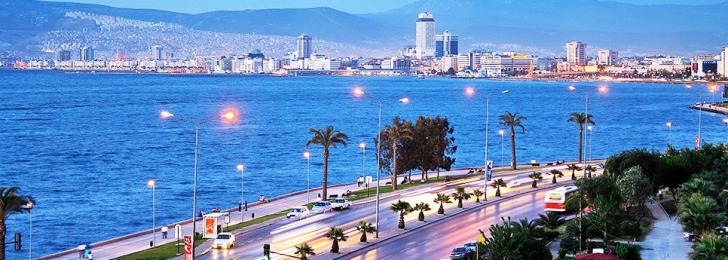
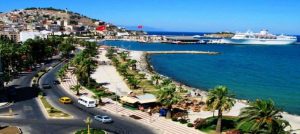
Stretching along Turkey’s Aegean coast, Izmir is the country’s third largest city and one of its most laid back.
Facing the calm waters of the Aegean Sea, it blends seaside promenades with Roman ruins, Ottoman history, and modern café culture.
Historically known as Smyrna, Izmir has been an important trading hub for thousands of years, shaped by Greek, Roman, and Ottoman influences.
Today, it feels noticeably more relaxed and secular than some other Turkish cities.
You get palm lined boulevards, open minded locals, and easy access to ancient wonders like Ephesus.
But how safe is it really?
I’ve looked into crime data, traveler feedback, and regional risks to give you a clear and practical answer.
Warnings & Dangers in Izmir

OVERALL RISK: LOW
Izmir is widely considered one of Turkey’s safer large cities. Violent crime against tourists is rare, and most visits are trouble free. Petty theft can occur, especially in crowded areas, but compared to many European cities of similar size, Izmir generally feels manageable and welcoming.

TRANSPORT & TAXIS RISK: LOW
Public transportation, including metro, buses, and ferries, is reliable and widely used by locals. Taxis are generally safe, though occasional overcharging can happen. Using licensed taxis or rideshare apps reduces the risk. Traffic can be chaotic, but serious incidents involving tourists are uncommon.

PICKPOCKETS RISK: MEDIUM
Like any major city, Izmir has pickpocketing in busy areas such as markets, transit hubs, and tourist sites. The risk increases during peak travel seasons. Keeping your bag zipped and your phone secure is usually enough to avoid problems.

NATURAL DISASTERS RISK: MEDIUM
Turkey sits in an active seismic zone, and Izmir has experienced earthquakes, including a significant one in 2020. While major earthquakes are infrequent, the risk is real. The city also experiences hot summers but no major hurricane threats.

MUGGING RISK: LOW
Street muggings are relatively rare in central Izmir. Violent crime rates are lower than in many similarly sized global cities. Still, poorly lit areas late at night should be approached cautiously.

TERRORISM RISK: LOW
Turkey has experienced isolated terrorist incidents in the past, including in western cities. However, security measures have increased significantly, and incidents in Izmir are rare. Tourists are not commonly targeted, but it is wise to stay aware of official travel advisories.

SCAMS RISK: LOW
Common tourist scams include inflated taxi fares, restaurant overcharging, or overly friendly strangers offering help. These are usually minor annoyances rather than serious threats. Confirm prices beforehand and avoid unofficial guides.

WOMEN TRAVELERS RISK: LOW
Izmir is generally comfortable for women travelers. It is considered one of Turkey’s more progressive cities. Harassment can happen, particularly in crowded areas, but it is usually verbal rather than physical. Dressing modestly in more conservative neighborhoods is advisable.

TAP WATER RISK: MEDIUM
Tap water is treated but not commonly consumed by locals without filtering. Most residents drink bottled water. For short visits, I recommend bottled or filtered water to avoid stomach issues.
Safest Places to Visit in Izmir
Izmir has several neighborhoods and attractions where visitors typically feel safe and relaxed.
Alsancak is one of the most vibrant and visitor friendly districts.
With waterfront walking paths, restaurants, and nightlife, it stays lively into the evening.
The Kordon promenade is especially popular at sunset and generally feels secure due to constant foot traffic.
Konak Square, home to the iconic Izmir Clock Tower, is a central gathering point.
During the day, it is busy with locals and tourists alike.
Nearby bazaars offer shopping opportunities with typical big city precautions.
The ancient Agora of Smyrna provides a fascinating look into Roman history, and guided visits during daytime hours are safe and enjoyable.
For a calmer atmosphere, neighborhoods along the coast north of the center feel residential and peaceful.
And of course, day trips to Ephesus are extremely popular and well organized.
Overall, Izmir’s main tourist zones benefit from visibility, activity, and a noticeable security presence.
Places to Avoid in Izmir
Izmir is not a city where entire districts are off limits, but certain areas require caution.
Some outer residential neighborhoods far from the city center have higher petty crime rates and fewer tourist facilities.
As a visitor, there is rarely a reason to wander into distant industrial or poorly lit residential zones.
Late at night, quieter back streets away from Alsancak or Konak can feel empty.
While violent crime remains uncommon, isolated streets increase vulnerability.
Like many port cities, areas near certain docks or transport hubs may attract minor criminal activity after dark.
The pattern here is simple: stick to well populated areas, especially in the evening, and avoid wandering aimlessly in unfamiliar districts late at night.
Safety Tips for Traveling to Izmir
- Stay in central neighborhoods. Alsancak and areas near Konak offer convenience and visibility.
- Keep valuables secure in crowded areas. Markets and public transport are prime spots for pickpockets.
- Use licensed taxis. Confirm the meter is running or agree on a price before departure.
- Monitor earthquake safety information. Know your hotel’s emergency procedures.
- Avoid isolated streets late at night. Stick to lively areas after dark.
- Dress modestly in conservative districts. It helps avoid unwanted attention.
- Drink bottled or filtered water. It reduces the risk of stomach issues.
- Be cautious with overly friendly strangers. Decline unsolicited offers politely but firmly.
- Stay updated on local news. Awareness helps you avoid demonstrations or disruptions.
- Purchase travel insurance. It provides protection against medical or trip related issues.
So... How Safe Is Izmir Really?
Compared to many global cities of similar size, Izmir ranks as relatively safe.
Turkey’s western coastal regions generally report lower crime rates than some border or southeastern areas.
Violent crime against tourists is uncommon, and most safety concerns revolve around petty theft and occasional scams.
The most significant risk factor is seismic activity rather than crime.
The 2020 earthquake demonstrated that natural disasters pose a real but unpredictable threat.
From my research and conversations with travelers, Izmir feels calmer and less intense than larger hubs like Istanbul.
It has a strong local culture, visible security presence in central areas, and a welcoming atmosphere.
If you exercise normal urban caution, choose well located accommodation, and stay aware of your surroundings, Izmir is a comfortable and rewarding destination.
How Does Izmir Compare?
| City | Safety Index |
|---|---|
| Izmir |
70 |
| Bursa |
66 |
| Kusadasi |
68 |
| Bodrum |
78 |
| Urgup |
71 |
| Istanbul |
60 |
| Alanya |
76 |
 Warner Robins Warner Robins | 68 |
 Kamakura Kamakura | 91 |
| Gallup | 46 |
| Hoboken | 73 |
 Belfast Belfast | 65 |
 Manaus Manaus | 60 |
Useful Information

Visas
Turkey offers visa free entry to many nationalities for stays ranging from 30 to 90 days. Some travelers must apply for an e Visa online before arrival. Always verify your country’s specific requirements before booking your trip.

Currency
The local currency is the Turkish Lira. Credit cards are widely accepted in hotels and restaurants. Exchange money at official exchange offices or withdraw from bank ATMs for competitive rates.

Weather
Izmir has hot, dry summers and mild winters. Summer temperatures often exceed 30 degrees Celsius. Pack lightweight clothing, sunscreen, and comfortable walking shoes. A light jacket is useful in winter evenings.

Airports
Izmir is served by Izmir Adnan Menderes Airport, located about 18 kilometers from the city center. Trains, airport shuttles, taxis, and rideshare services provide convenient access in approximately 30 to 40 minutes.

Travel Insurance
Travel insurance is strongly recommended. It can cover medical expenses, trip delays, and unexpected disruptions. While healthcare in Turkey is generally good, private treatment can be costly without coverage.
Izmir Weather Averages (Temperatures)
Average High/Low Temperature
| Temperature / Month | Jan | Feb | Mar | Apr | May | Jun | Jul | Aug | Sep | Oct | Nov | Dec |
|---|---|---|---|---|---|---|---|---|---|---|---|---|
| High °C |
12 | 14 | 16 | 20 | 25 | 30 | 33 | 33 | 29 | 24 | 18 | 14 |
| Low °C |
4 | 5 | 6 | 9 | 13 | 17 | 20 | 20 | 16 | 14 | 8 | 6 |
| High °F |
54 | 57 | 61 | 68 | 77 | 86 | 91 | 91 | 84 | 75 | 64 | 57 |
| Low °F |
39 | 41 | 43 | 48 | 55 | 63 | 68 | 68 | 61 | 57 | 46 | 43 |
Turkey - Safety by City
| City | Safety Index |
|---|---|
| Alanya | 76 |
| Ankara | 58 |
| Antalya | 78 |
| Bodrum | 78 |
| Bursa | 66 |
| Edirne | 72 |
| Eskisehir | 85 |
| Istanbul | 60 |
| Izmir | 70 |
| Konya | 74 |
| Kusadasi | 68 |
| Urgup | 71 |











it was okay
mooi
I had no idea Izmir had such a mix of cultures in its history! It’s crazy to think about all the different people who walked those streets before us.
After spending some time wandering around Izmir, I was genuinely struck by how the mix of stunning seaside views and the layers of history make every corner feel alive, like you can almost hear the stories of all the different cultures that have called it home.
Izmir felt pretty chilled when I was walking the Kordon at night, but I still kept my bag close because it’s still a big city at the end of the day.
Honestly, didn’t expect the palm-lined promenade to be that chill, I ended up staying to watch the sunset and felt way more at ease than I expected.
When you dug into the crime data, did you find spots like the Kordon actually feel sketchier after midnight, because I walked the palm lined promenade at night and felt oddly uneasy past the closed cafes?
Wandering the palm-lined boulevards at dusk, I felt surprisingly at ease and a bit curious about how the Roman ruins and café crowd sit side by side, making evening walks feel both historic and oddly ordinary.
Walked the palm-lined Kordon at dusk and with fishermen hauling nets and cafés glowing I actually felt way more chill and safe than I expected.
Yeah, I wandered around those palm-lined streets and somehow managed to survive without a single ancient ruin falling on me, so I guess it’s as chill as they say.
Did you notice if the vibe changes at night around the promenades, or does it stay pretty chill all hours?