


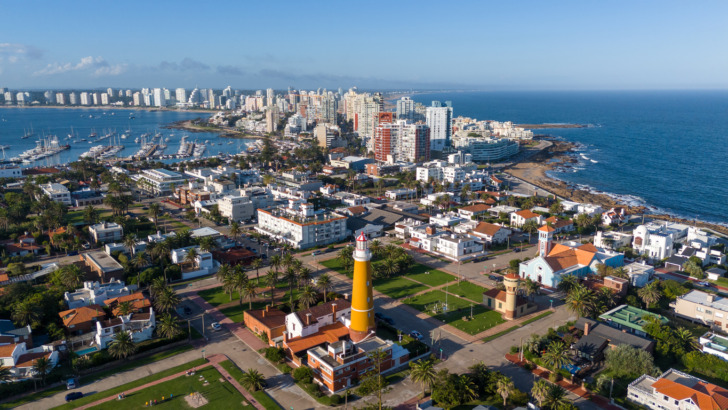
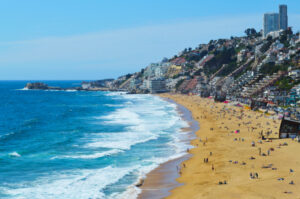
Punta del Este is Uruguay’s most famous beach resort, sitting on a narrow peninsula where the calm Río de la Plata side meets the rougher Atlantic Ocean.
It is the place Uruguay goes to dress up for summer: luxury apartments, yacht clubs, beach clubs, casinos, art galleries, seafood restaurants, nightlife, and wide sandy beaches.
It is also home to La Mano, the giant hand sculpture rising from the sand at Playa Brava, one of South America’s most recognizable beach landmarks.
Punta del Este is generally one of the safer resort destinations in Latin America, especially compared with larger regional cities.
Still, travelers should stay alert for petty theft, beach bag snatching, traffic, nightlife issues, ocean conditions, and seasonal price surprises.
Warnings & Dangers in Punta del Este

OVERALL RISK: LOW
Punta del Este is a low-risk destination for most travelers. Violent crime is uncommon in the main tourist zones, infrastructure is good, and the city is used to international visitors. The main risks are petty theft, car break-ins, beach belongings being stolen, traffic in high season, and nightlife-related incidents.

TRANSPORT & TAXIS RISK: LOW
Transport is generally safe, especially taxis, ride-hailing, hotel transfers, and buses between Montevideo and Punta del Este. Roads are better than in many regional destinations. The risk rises in summer because of traffic, drunk driving, scooters, and crowded roads near beaches, nightlife areas, and the peninsula.

PICKPOCKETS RISK: MEDIUM
Pickpocketing and bag theft can happen, especially in summer when the city fills with tourists. Beaches, bus terminals, nightlife zones, shopping streets, markets, and crowded events are the main places to watch. Do not leave bags unattended on the sand or valuables visible in parked cars.

NATURAL DISASTERS RISK: LOW
Natural disaster risk is low overall. Punta del Este can experience strong winds, storms, heavy rain, rough surf, and occasional coastal flooding, but major disasters are not a common tourist concern. The most realistic natural risk is ocean safety, especially at Atlantic-facing beaches with stronger waves.

MUGGING RISK: LOW
Mugging is not common in the main areas of Punta del Este, especially during the day. The risk is higher late at night in quiet streets, beach areas, or if someone is visibly intoxicated. Use taxis after nightlife and avoid walking alone through empty areas with valuables.

TERRORISM RISK: LOW
The terrorism risk in Punta del Este is low. Uruguay is not generally considered a major terrorism-risk destination, and Punta del Este is primarily a resort city. Travelers should still use basic awareness in crowded public areas, ports, large events, and nightlife zones, but terrorism is not a leading concern.

SCAMS RISK: LOW
Scams are not a major issue in Punta del Este, but tourists may face inflated seasonal prices, unclear taxi fares, overpriced rentals, or high restaurant bills in premium areas. Confirm prices before booking tours, rentals, taxis, beach services, or accommodation, especially during January and peak summer weeks.

WOMEN TRAVELERS RISK: LOW
Punta del Este is generally safe for women travelers, including solo travelers. Beach zones, restaurants, hotels, and central areas are comfortable. Women should still use normal caution at night, avoid isolated beach walks after dark, and be careful with drinks in bars, clubs, and private parties.

TAP WATER RISK: LOW
Tap water in Punta del Este is generally safe to drink. Many travelers still prefer bottled water for taste, but it is not usually necessary. In summer, carry water to the beach and drink regularly, especially if spending long hours in the sun or drinking alcohol at night.
Safest Places to Visit in Punta del Este
The Peninsula
The Peninsula is one of the safest and most convenient areas for tourists.
It has restaurants, shops, apartment buildings, hotels, the marina, Playa de los Ingleses, and easy access to both Playa Mansa and Playa Brava.
It is walkable, busy in summer, and generally comfortable day and evening.
The main concern is securing belongings in crowded areas.
Playa Mansa
Playa Mansa is the calmer beach side, facing the Río de la Plata.
It is usually better for families, casual swimming, paddleboarding, and relaxed beach days.
The water is calmer than Playa Brava, though conditions can still change.
It is one of the safer beach choices, especially for less confident swimmers.
Playa Brava
Playa Brava is famous for La Mano and its Atlantic-facing waves.
It is safe and popular, but swimmers should be more cautious here than at Playa Mansa.
Waves and currents can be stronger.
Stay near lifeguarded areas, follow beach flags, and do not leave valuables unattended while taking photos or swimming.
Gorlero Avenue
Gorlero Avenue is Punta del Este’s main commercial street, with shops, cafes, restaurants, banks, pharmacies, and steady foot traffic.
It is one of the easiest areas for visitors to navigate.
Petty theft is possible in crowds, but it is generally safe and practical for daytime walking.
La Barra and Manantiales
La Barra and Manantiales are popular nearby areas for restaurants, beaches, nightlife, surf, and a more stylish coastal atmosphere.
They are generally safe but more spread out than the Peninsula.
Use taxis or a designated driver at night, especially if going out for dinner, drinks, or clubs.
Places to Avoid in Punta del Este
Empty Beaches After Dark
Beaches that feel safe and lively during the day can become quiet at night.
Avoid walking alone on empty stretches of sand after dark, especially with a phone, camera, jewelry, or cash.
If you want a night beach walk, stay near lit, active areas and go with others.
Parking Areas With Visible Valuables
Car break-ins can happen, especially during peak season near beaches, restaurants, lookout points, and nightlife areas.
Never leave bags, electronics, passports, sunglasses, or shopping visible inside a parked car.
Even a short stop can be enough time for a theft.
Nightlife Areas When Intoxicated
Punta del Este’s nightlife is part of the appeal, especially in summer, but alcohol raises the risk of lost phones, bad transport choices, fights, and theft.
Avoid walking long distances after clubs, do not accept drinks from strangers, and arrange your ride home before the night gets messy.
Rough Water Areas on Playa Brava
Playa Brava is beautiful, but the ocean side can be strong.
Avoid swimming where there are red flags, rough surf, or few people in the water.
If you are not a strong swimmer, choose Playa Mansa instead.
Parents should watch children closely near breaking waves.
Overpriced Tourist Traps in Peak Season
Punta del Este can become very expensive in January.
High prices are not dangerous, but unclear pricing can feel like a trap.
Avoid restaurants, rentals, beach clubs, or tours that do not show prices clearly.
Always confirm costs before committing, especially in premium waterfront areas.
Safety Tips for Traveling to Punta del Este
- Choose your beach based on water conditions. Punta del Este has two very different beach personalities. Playa Mansa is usually calmer and better for casual swimming, families, and relaxed beach days. Playa Brava is more dramatic, with stronger Atlantic waves and a surfier feel. Before swimming, look at the flags, watch how locals enter the water, and avoid rough conditions if you are not confident.
- Never leave valuables unattended on the sand. Beach theft is one of the most common tourist problems in resort destinations, and Punta del Este is no exception. Do not leave phones, wallets, passports, cameras, or bags alone while swimming. Bring only what you need, take turns watching belongings, or use a waterproof pouch for essentials.
- Be careful with rental cars. A car is useful for exploring La Barra, José Ignacio, Casapueblo, and beaches outside the main peninsula, but do not leave anything visible inside. Park in busy, well-lit places when possible. If driving at night, be alert for pedestrians, cyclists, scooters, and drivers leaving bars or restaurants.
- Use taxis or ride-hailing after nightlife. Punta del Este is safe, but walking home late after drinking is not the smartest move, especially from La Barra, Manantiales, or beach clubs outside the center. Arrange transport ahead of time, keep your phone charged, and do not rely on finding an easy ride at closing time during peak season.
- Watch your phone in crowded summer areas. Summer crowds create distraction. Be extra careful around La Mano, Gorlero Avenue, the port, bus terminal, night markets, events, and packed beach entrances. Keep your phone secure after taking photos and avoid leaving it on cafe tables near walkways. Most theft is opportunistic.
- Check prices before sitting down or booking. Punta del Este can be pricey, especially in January and early February. Look at menus before ordering, ask about beach chair prices, confirm taxi fares if needed, and read rental terms carefully. This is not because the city is full of scams, but because peak-season pricing can surprise visitors.
- Stay hydrated and protect yourself from the sun. The sea breeze can make the sun feel less intense than it really is. Use sunscreen, wear sunglasses and a hat, and drink water throughout the day. This matters even more if you are drinking alcohol, walking along the coast, or spending several hours on the beach.
- Keep an eye on kids near waves and rocks. Punta del Este is family-friendly, but beaches still need attention. Playa Brava can have stronger waves, and rocky areas near the Peninsula can be slippery. Children should stay near adults, especially when waves are breaking hard or flags indicate caution.
- Avoid isolated walks late at night. The main resort areas feel safe, but quiet streets, beach paths, and darker residential zones are not ideal late at night. This is especially true outside peak-season crowds, when some areas become much quieter. Use transport instead of walking long distances alone.
- Visit outside peak season if you want a calmer trip. January is lively, expensive, and crowded. If you want a safer-feeling, calmer, and more relaxed visit, consider December, February, March, or early autumn. You will usually find easier parking, less crowded beaches, smoother restaurant reservations, and a more comfortable pace.
So... How Safe Is Punta del Este Really?
Punta del Este is one of the safer beach destinations in South America, especially in the main tourist areas.
Uruguay is generally known for being more stable and lower-risk than many countries in the region, and Punta del Este benefits from strong tourism infrastructure, visible services, and a seasonal economy built around visitors.
That said, Punta del Este is not a private resort where nothing can happen.
The most realistic risks are petty theft, beach bag snatching, theft from cars, and alcohol-related problems after dark.
These are mostly preventable with basic habits: do not leave valuables unattended, do not flash expensive items, avoid isolated areas at night, and use safe transport after going out.
The water also deserves respect.
Playa Mansa and Playa Brava are not the same experience.
Mansa is usually calmer, while Brava can have stronger surf and currents.
Choosing the right beach for your swimming ability matters.
Overall, Punta del Este is low risk for careful travelers and medium-low risk during peak summer nightlife weeks.
It is safe, polished, scenic, and easy to enjoy, but the smartest visitors still treat it like a real city with real seasonal crowds.
How Does Punta del Este Compare?
| City | Safety Index |
|---|---|
 Punta del Este Punta del Este |
84 |
| Montevideo |
44 |
 Pawtucket Pawtucket | 80 |
| Lewes | 72 |
 Goris Goris | 78 |
| Weatherford | 77 |
| Fort Walton Beach | 84 |
| Shepherdstown | 83 |
Useful Information

Visas
Uruguay allows visa-free tourism for many nationalities, often for stays of up to 90 days, depending on passport rules. Some travelers need a visa before arrival. Make sure your passport is valid, check your allowed stay length, and confirm entry rules before booking flights or crossing from Argentina or Brazil.

Currency
Punta del Este uses the Uruguayan peso. US dollars are accepted in some tourist situations, especially for larger payments, but pesos are best for daily spending. Cards are widely accepted in hotels and restaurants. Carry some cash for taxis, tips, beach services, markets, and small purchases.

Weather
Punta del Este has warm summers and mild, cooler winters. The main beach season runs from December to March, with January being the busiest and most expensive month. Pack swimwear, sunscreen, sunglasses, light clothing, and a layer for breezy evenings. Ocean winds can make nights cooler than expected.

Airports
The closest airport is Punta del Este International Airport, also called Laguna del Sauce Airport. Many travelers also fly into Montevideo and travel by bus, rental car, or private transfer to Punta del Este. The road from Montevideo is straightforward, usually taking around 2 hours depending on traffic.

Travel Insurance
Travel insurance is recommended for Punta del Este, especially if your trip includes beach activities, rental cars, nightlife, regional travel, or expensive accommodation. Choose coverage for medical care, cancellations, delays, theft, lost luggage, and emergency transport. Check that water sports or adventure activities are covered if planned.
Punta del Este Weather Averages (Temperatures)
Average High/Low Temperature
| Temperature / Month | Jan | Feb | Mar | Apr | May | Jun | Jul | Aug | Sep | Oct | Nov | Dec |
|---|---|---|---|---|---|---|---|---|---|---|---|---|
| High °C |
26 | 26 | 24 | 21 | 17 | 14 | 14 | 15 | 16 | 18 | 21 | 24 |
| Low °C |
19 | 20 | 18 | 16 | 12 | 9 | 9 | 10 | 11 | 13 | 15 | 17 |
| High °F |
79 | 79 | 75 | 70 | 63 | 57 | 57 | 59 | 61 | 64 | 70 | 75 |
| Low °F |
66 | 68 | 64 | 61 | 54 | 48 | 48 | 50 | 52 | 55 | 59 | 63 |
Uruguay - Safety by City
| City | Safety Index |
|---|---|
| Montevideo | 44 |
| Punta del Este | 84 |









That giant hand on Playa Brava is way cooler up close than in pictures, but yeah, gotta watch your stuff because those beach bag snatchers are real here.