 Brazil : Safety by City
- Belem
- Belo Horizonte
- Brasilia
- Campinas
- Campo Grande
- Curitiba
- Florianopolis
- Fortaleza
- Foz do Iguacu
- Gramado
- Jericoacoara
- Manaus
- Natal
- Ouro Preto
- Porto Alegre
- Recife
- Rio de Janeiro
- Sao Paulo
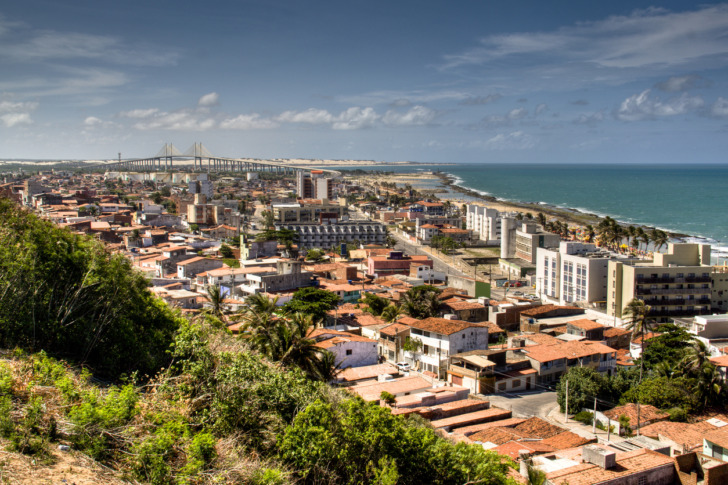
Natal is a sunny coastal city in northeastern Brazil, sitting in the state of Rio Grande do Norte where the Potengi River meets the Atlantic Ocean.
It is famous for beaches, dunes, buggy rides, seafood, warm weather, and the huge sand formation of Morro do Careca beside Ponta Negra Beach.
The city is often promoted as one of Brazil’s great sun-and-sand destinations, and it does have a relaxed vacation feel in the main tourist areas.
But Natal is still a Brazilian city, not a sealed resort zone.
Safety varies a lot depending on where you stay, how you move around, and whether you avoid risky areas after dark.
The beaches and dune tours can be wonderful, but travelers should think carefully about theft, transport, nightlife, ocean conditions, and neighborhood awareness.
Warnings & Dangers in Natal

OVERALL RISK: MEDIUM
Natal is moderately safe for tourists who stick to known areas such as Ponta Negra, Via Costeira, organized tours, and well-reviewed hotels. The wider city has higher crime concerns, including robberies and theft. Most visitors avoid trouble by staying low-key, using trusted transport, and not wandering into unfamiliar neighborhoods.

TRANSPORT & TAXIS RISK: MEDIUM
Transport requires caution. Use ride-hailing apps, hotel taxis, official taxis, or trusted transfers rather than random street rides. Driving can be stressful because of traffic, unfamiliar roads, and safety concerns after dark. Avoid public buses at night and do not accept vague transport offers around beaches, nightlife, or tourist attractions.

PICKPOCKETS RISK: MEDIUM
Pickpocketing and phone theft are realistic risks in Natal, especially around beaches, markets, buses, nightlife areas, and crowded tourist spots. Do not leave bags unattended on the sand or hold your phone loosely near traffic. Keep valuables hidden, carry limited cash, and avoid wearing expensive jewelry.

NATURAL DISASTERS RISK: LOW
Natal has a low natural disaster risk compared with many tropical destinations, but heavy rain, coastal erosion, strong surf, flooding in some areas, heat, and sun exposure can affect visitors. The bigger daily natural risks are dehydration, sunburn, and dangerous ocean conditions. Pay attention to beach warnings and local advice.

MUGGING RISK: MEDIUM
Mugging is a real concern in parts of Natal, especially at night, in isolated areas, on quiet streets, and away from tourist zones. The risk is lower in busy resort areas during the day, but travelers should not walk around displaying valuables. Use transport after dark and avoid empty beaches at night.

TERRORISM RISK: LOW
The terrorism risk in Natal is low. Travelers are much more likely to deal with theft, scams, traffic, weather, or beach hazards than terrorism. Normal awareness in crowded places, airports, and public events is enough. Security concerns in Natal are mostly related to crime rather than political violence.

SCAMS RISK: MEDIUM
Scams and overcharging can happen with taxis, beach vendors, buggy tours, boat trips, nightlife, and unofficial guides. Always confirm prices before agreeing to anything. Be cautious with overly cheap dune tours, vague pickup arrangements, or anyone pressuring you into a fast decision. Use reputable operators for excursions.

WOMEN TRAVELERS RISK: MEDIUM
Women can travel safely in Natal, including solo travelers, but extra caution is smart. Stay in well-reviewed areas, avoid walking alone at night, use trusted transport, and watch drinks in bars or clubs. Ponta Negra and resort areas are more comfortable than unfamiliar neighborhoods or empty beach stretches after dark.

TAP WATER RISK: MEDIUM
Do not drink tap water in Natal unless it has been properly filtered or boiled. Bottled water is widely available and inexpensive. Use bottled water for drinking and, if sensitive, brushing teeth. Be cautious with ice in small local spots, and choose busy restaurants with good turnover for seafood and street food.
Safest Places to Visit in Natal
Ponta Negra
Ponta Negra is the main tourist area and usually the safest base for first-time visitors.
It has hotels, restaurants, beach bars, shops, tour offices, and views of Morro do Careca.
During the day, it is lively and practical.
The beach area still requires caution, especially with phones, bags, and swimming conditions.
At night, stick to active streets, restaurants, and trusted transport.
Via Costeira
Via Costeira is the coastal hotel strip between Ponta Negra and the older parts of Natal.
It is safer in the sense that many hotels are large, controlled, and directly connected to the beach.
It is less walkable, though, so transport matters.
This is a good option for travelers who want resort-style convenience and fewer random city interactions.
Parque das Dunas
Parque das Dunas is one of the city’s best natural attractions and a safe daytime stop when visited during opening hours.
It protects a large area of dunes and Atlantic forest, with guided trails, nature, and a calmer break from the beach.
Go during the day, bring water, wear comfortable shoes, and stay on marked routes.
Forte dos Reis Magos
Forte dos Reis Magos is a historic fort near the mouth of the Potengi River and one of Natal’s classic cultural sights.
It is generally safe as a daytime visit, especially with a guide or trusted transport.
The surrounding area is not where I would wander randomly afterward.
Visit, enjoy the history, then move on with planned transport.
Genipabu Dunes
Genipabu is one of the most famous excursions from Natal, known for dune buggy rides, sandboarding, lagoons, and big coastal views.
It is safe when booked through reputable operators with licensed drivers.
The main risks are buggy accidents, sun exposure, dehydration, and unclear pricing.
Choose operators carefully and do not pressure drivers into reckless riding.
Places to Avoid in Natal
Empty Beaches After Dark
Natal’s beaches can look beautiful at night, but quiet stretches are not ideal for tourists.
Theft and mugging risks rise when there are fewer people around, and ocean conditions are harder to judge in the dark.
If you want an evening beach atmosphere, stay near active restaurants, hotels, or lit areas.
Unfamiliar Neighborhoods Away From Tourist Areas
Natal’s safety changes by area, and tourists should not wander into unfamiliar neighborhoods without a reason.
Stick to Ponta Negra, known hotel zones, guided attractions, and planned routes.
If you want to explore beyond the tourist areas, go with a local guide or trusted driver.
Public Buses at Night
Public buses may be useful for locals, but they are not the best option for tourists after dark.
Robbery and theft risks can be higher, and navigation may be confusing if you do not speak Portuguese.
Use ride-hailing, hotel transport, or official taxis at night instead.
Isolated Dune or Lagoon Areas Without a Guide
The dunes around Natal are stunning, but they are not places to explore casually without local knowledge.
Sand routes can be confusing, weather can be harsh, and some areas are remote.
Use licensed buggy operators or organized tours rather than trying to improvise your own route.
Nightlife Without Planned Transport
Natal has nightlife, especially around Ponta Negra, but the same rules apply as in most Brazilian cities: watch your drink, know your limits, and plan your ride back.
Avoid leaving venues with strangers, walking long distances after drinking, or using random drivers late at night.
Safety Tips for Traveling to Natal
- Stay in Ponta Negra or a reputable hotel zone. Where you stay makes a big difference in Natal. Ponta Negra is the easiest choice for most first-time visitors because it has restaurants, hotels, beach access, and tour services close together. Via Costeira works well if you prefer a larger hotel or resort feel. Staying far from the tourist areas may be cheaper, but it can make transport and safety more complicated.
- Use ride-hailing or hotel transport. For moving around Natal, trusted transport is one of your best safety tools. Use ride-hailing apps, hotel-arranged drivers, official taxis, or transfers from reputable tour companies. Avoid random street rides, especially at night. If you are going to the airport, dunes, fort, restaurants, or nightlife, plan the ride instead of improvising.
- Keep your phone hidden near streets. Phone snatching is a realistic issue in Brazilian cities. Do not stand at the curb holding your phone loosely while checking maps or filming. Step inside a shop, hotel lobby, or away from traffic before using it. Keep it out of sight when walking. This habit sounds simple, but it prevents one of the most common tourist problems.
- Do not bring valuables to the beach. Bring only what you need: small cash, one card, sunscreen, water, and maybe your phone if necessary. Do not bring your passport, expensive jewelry, large cameras, or multiple bank cards to the sand. If you swim, use a waterproof pouch or leave belongings with someone you trust. A beach towel is not a safe.
- Book dune buggy rides carefully. Dune buggy tours are one of Natal’s signature experiences, but safety depends on the operator and driver. Choose licensed, well-reviewed companies. Confirm whether the ride will be “with emotion” or calmer, because some drivers offer thrill-style dune driving. If you want a gentler ride, say so clearly. Wear sunscreen, bring water, and secure loose items.
- Avoid walking alone late at night. Natal is not a city where tourists should wander aimlessly after dark. Even in Ponta Negra, stick to active restaurant streets, hotel areas, and short, well-lit routes. For anything longer, use transport. This is especially important if you are alone, carrying valuables, or coming back from nightlife.
- Watch your drink and nightlife choices. Drink spiking and theft can happen in Brazil, especially in nightlife settings or situations involving strangers. Do not leave drinks unattended, avoid accepting open drinks from people you just met, and be cautious with dating-app meetups. Stay with your group when possible and arrange your ride home before drinking heavily.
- Respect the ocean. Natal’s beaches can have strong surf, currents, and changing conditions. Swim where other people are swimming, pay attention to lifeguards and flags, and avoid the water during rough conditions. Do not swim after drinking or at night. The Atlantic is beautiful, but it is not always gentle.
- Use Portuguese basics or translation tools. English is not guaranteed everywhere in Natal. Knowing basic Portuguese phrases or using a translation app helps with taxis, restaurants, tours, prices, and emergencies. Save your hotel address in Portuguese and keep a screenshot offline. Clear communication reduces confusion and makes you less vulnerable to overcharging.
- Keep your plans flexible during heavy rain. Natal is sunny much of the year, but tropical rain can still affect roads, beach plans, dune tours, and visibility. If heavy rain hits, do not force outdoor plans. Choose restaurants, shopping, hotel time, or indoor attractions instead. Wet sand, flooded roads, and poor visibility can make otherwise simple activities more risky.
So... How Safe Is Natal Really?
Natal is safe enough for many tourists, but it is not a place where I would recommend careless exploring.
The main tourist areas, especially Ponta Negra and established hotel zones, are generally manageable during the day and early evening.
Organized dune tours, beach restaurants, hotel transfers, and popular excursions can be enjoyed safely when planned well.
The broader city has more serious safety concerns.
Theft, robberies, phone snatching, and transport risks are the issues travelers need to think about.
Most tourists are not targeted for violent crime if they stay in known areas and keep a low profile, but the risk is higher than in many resort-only destinations.
Natal also has practical beach risks, including strong surf, sun exposure, dehydration, and unsafe swimming conditions.
I would rate Natal as medium risk overall.
That does not mean avoid it.
It means treat it like a real Brazilian city with beautiful beaches, not like an all-inclusive bubble.
Stay in a good area, use trusted transport, avoid walking alone at night, keep valuables hidden, book reputable tours, and respect the ocean.
With those habits, Natal can be a fun, sunny, and memorable destination in northeastern Brazil.
How Does Natal Compare?
| City | Safety Index |
|---|---|
| Natal |
52 |
| Gramado |
85 |
| Belo Horizonte |
45 |
| Recife |
45 |
| Porto Alegre |
21 |
| Foz do Iguacu |
69 |
| Fortaleza |
40 |
 Romeoville Romeoville | 82 |
 Manizales Manizales | 47 |
| Alhambra | 84 |
 Bihac Bihac | 85 |
| Baltimore | 56 |
| Provo | 94 |
Useful Information

Visas
Natal is in Brazil. Many nationalities can visit Brazil visa-free for tourism, while others need a visa before travel. Rules depend on passport nationality and can change, so check your entry requirements before booking. Make sure your passport is valid and keep proof of accommodation and onward travel available.

Currency
Natal uses the Brazilian real. Credit and debit cards are widely accepted in hotels, restaurants, malls, and many tourist businesses, but cash is useful for beach vendors, tips, markets, and smaller purchases. Use ATMs inside banks, malls, or secure locations. Avoid carrying large amounts of cash.

Weather
Natal is warm and tropical year-round, with plenty of sun and steady coastal breezes. Rain is more common in some months, but beach weather is possible most of the year. Pack light clothing, swimwear, sunscreen, sunglasses, sandals, a hat, and insect repellent. The sun can be strong even when the breeze feels comfortable.

Airports
Natal is served by Governador Aluízio Alves International Airport, located outside the city. The transfer to Ponta Negra or Via Costeira can take a while depending on traffic. Use official airport taxis, ride-hailing where available, hotel transfers, or pre-booked transport. Confirm pickup details before arrival.

Travel Insurance
Travel insurance is strongly recommended for Natal. Coverage should include medical care, theft, cancellations, lost luggage, delays, beach activities, dune buggy tours, and emergency assistance. If you plan adventure activities, check that they are included. Brazil's private medical care can be costly without insurance.
Natal Weather Averages (Temperatures)
Average High/Low Temperature
| Temperature / Month | Jan | Feb | Mar | Apr | May | Jun | Jul | Aug | Sep | Oct | Nov | Dec |
|---|---|---|---|---|---|---|---|---|---|---|---|---|
| High °C |
30 | 30 | 29 | 29 | 28 | 28 | 28 | 28 | 28 | 29 | 29 | 30 |
| Low °C |
25 | 25 | 24 | 24 | 23 | 23 | 23 | 23 | 23 | 24 | 24 | 25 |
| High °F |
86 | 86 | 84 | 84 | 82 | 82 | 82 | 82 | 82 | 84 | 84 | 86 |
| Low °F |
77 | 77 | 75 | 75 | 73 | 73 | 73 | 73 | 73 | 75 | 75 | 77 |
Brazil - Safety by City
| City | Safety Index |
|---|---|
| Belem | 59 |
| Belo Horizonte | 45 |
| Brasilia | 65 |
| Campinas | 57 |
| Campo Grande | 67 |
| Curitiba | 51 |
| Florianopolis | 72 |
| Fortaleza | 40 |
| Foz do Iguacu | 69 |
| Gramado | 85 |
| Jericoacoara | 65 |
| Manaus | 60 |
| Natal | 52 |
| Ouro Preto | 69 |
| Porto Alegre | 21 |
| Recife | 45 |
| Rio de Janeiro | 45 |
| Sao Paulo | 50 |