 Brazil : Safety by City
- Belem
- Belo Horizonte
- Brasilia
- Campinas
- Campo Grande
- Curitiba
- Florianopolis
- Fortaleza
- Foz do Iguacu
- Gramado
- Jericoacoara
- Manaus
- Natal
- Ouro Preto
- Porto Alegre
- Recife
- Rio de Janeiro
- Sao Paulo
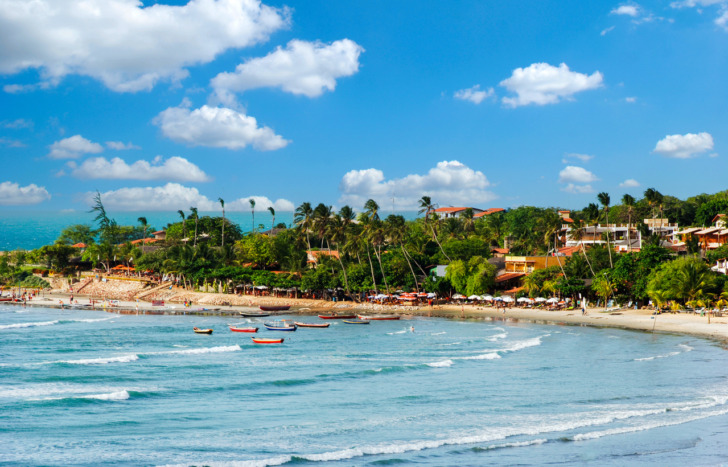
Jericoacoara, usually shortened to “Jeri,” is one of Brazil’s most famous beach villages, tucked into Ceará state on the country’s northeastern coast.
It sits inside a protected national park area, surrounded by dunes, lagoons, mangroves, wind-swept beaches, and sandy streets where shoes feel almost optional.
This is not a polished city beach destination.
Jeri is more rustic, more remote, and much more weather-shaped.
Travelers come for sunsets from the dunes, kitesurfing, buggy rides, lagoons like Lagoa do Paraíso, relaxed nightlife, and that end-of-the-road beach-town feeling.
From a safety point of view, Jericoacoara is generally safer than many large Brazilian cities, but visitors should still take precautions around transport, remote dunes, petty theft, nightlife, ocean conditions, heat, and isolated areas after dark.
Warnings & Dangers in Jericoacoara

OVERALL RISK: MEDIUM
Jericoacoara is relatively safe for tourists compared with major Brazilian cities, but a medium rating is fair because of its remoteness, sandy access roads, petty theft risk, nightlife issues, and outdoor hazards. Most visits are trouble-free, especially for travelers who stay in central areas and use reputable tour operators.

TRANSPORT & TAXIS RISK: MEDIUM
Transport risk is medium because getting to Jericoacoara often involves long road transfers, 4x4 vehicles, sand roads, and sometimes confusing logistics from Jijoca. Use reputable transfers, hotel-arranged transport, or licensed operators. Avoid random cheap rides, especially late at night or from unofficial drivers.

PICKPOCKETS RISK: MEDIUM
Pickpocketing is not extreme in Jeri, but petty theft can happen in crowded beach bars, nightlife areas, buggy stops, lagoons, and busy sunset viewpoints. Keep phones, wallets, and bags secure. Do not leave valuables unattended on the beach or in open vehicles during tours.

NATURAL DISASTERS RISK: MEDIUM
Natural hazard risk is medium because Jericoacoara is shaped by wind, sun, tides, dunes, and seasonal rain. Heat, dehydration, strong sun, rough water, wind sports, and remote sandy routes are the main concerns. During rainy periods, access routes and lagoons can change, and tours may be affected.

MUGGING RISK: LOW
Mugging is not common in the central tourist village, especially during busy hours. The risk rises in quiet streets, empty beach areas, dune paths, and isolated spots after dark. Avoid walking alone late at night outside the active village center, especially with valuables or after drinking.

TERRORISM RISK: LOW
Terrorism is a low concern in Jericoacoara. The area’s risks are much more connected to petty theft, transport, weather, water safety, and outdoor activities. Travelers should still use normal awareness in crowded public spaces, but terrorism is not a meaningful risk for most visitors.

SCAMS RISK: MEDIUM
Scams and overcharging can happen, especially with tours, buggy rides, transfers, beach services, and unclear prices. Confirm the cost, route, duration, stops, group size, and what is included before paying. Be careful with anyone offering a “special deal” that feels rushed or vague.

WOMEN TRAVELERS RISK: MEDIUM
Jericoacoara can be safe for women travelers, including solo travelers, but a medium rating is sensible because of nightlife, isolated beaches, and late-night sandy streets. Stay in well-reviewed accommodation, avoid walking alone far from the center after dark, and be cautious with alcohol and unfamiliar groups.

TAP WATER RISK: MEDIUM
Do not drink tap water in Jericoacoara unless it has been properly filtered or boiled. Bottled water is widely available, and many hotels provide safe refill options. Because Jeri is hot, sandy, and windy, dehydration is a bigger issue than many travelers expect.
Safest Places to Visit in Jericoacoara
Jericoacoara Village Center
The village center is the safest and easiest place for visitors to stay.
It has restaurants, pousadas, shops, bars, tour agencies, and sandy pedestrian streets with steady tourist activity.
During the day and early evening, it feels relaxed and comfortable.
At night, stay near busier streets and avoid wandering too far into quiet areas alone.
Praia de Jericoacoara
The main beach is one of the safest places to enjoy Jeri during daylight.
It is busy, scenic, and close to restaurants, beach bars, and accommodation.
It is a great spot for sunset, walking, and beach time.
Keep valuables watched while swimming and pay attention to wind, tide, and water conditions.
Duna do Pôr do Sol
The sunset dune is one of Jeri’s classic experiences and is generally safe when visited with the usual sunset crowd.
The main risks are slipping on sand, dehydration, strong wind, and petty theft in the crowd.
Bring water, secure your phone, and use a flashlight if walking back after dark.
Lagoa do Paraíso
Lagoa do Paraíso is a popular and generally safe day-trip area, especially when visited through reputable transfers or buggy tours.
The calm water and hammock-in-the-lagoon photos are part of the appeal.
Keep belongings watched, confirm return transport, and do not wander far from organized areas.
Pedra Furada
Pedra Furada is one of the most famous natural landmarks near Jeri.
It is safest when visited during daylight, at the correct tide, and with proper footwear.
The walk can be hot and exposed, and rocky areas can be slippery.
Avoid going alone late in the day without water.
Places to Avoid in Jericoacoara
Remote Dunes After Dark
The dunes around Jeri are beautiful, but they become disorienting and risky after dark.
Avoid wandering alone into dune areas at night, especially after drinking or without a flashlight.
Sand paths can look similar, phone signal may be weak, and help may not be nearby.
Empty Beach Areas Late at Night
The main beach is lively at times, but empty stretches away from the center are not ideal late at night.
Avoid walking alone on isolated sand, swimming in darkness, or carrying valuables to quiet beach areas.
Stick to active zones near restaurants and accommodation.
Unofficial Buggy or 4×4 Operators
Buggy rides and 4×4 tours are a huge part of the Jericoacoara experience, but operators vary.
Avoid drivers who cannot clearly explain pricing, route, safety rules, vehicle condition, or return time.
Choose licensed or well-reviewed operators through hotels or trusted agencies.
Rough Water or Windy Conditions Without Experience
Jeri is famous for wind sports, but strong wind and changing water conditions are not beginner-friendly without instruction.
Avoid kitesurfing, windsurfing, or swimming in rough conditions if you are inexperienced.
Use certified instructors and respect local advice.
Poorly Lit Sandy Streets Far From the Center
The sandy streets are charming, but some areas become dark and quiet at night.
Avoid long solo walks to distant pousadas or remote roads after dark.
If your accommodation is outside the central village, arrange transport or walk with others.
Safety Tips for Traveling to Jericoacoara
- Book your transfer carefully. Getting to Jericoacoara is part of the adventure, but it is not as simple as arriving in a normal beach city. Most travelers transfer through Jijoca and continue by 4×4 or approved vehicle over sandy routes. Book with a reputable company, hotel, or established agency. Confirm pickup time, vehicle type, luggage handling, and drop-off point before traveling.
- Choose accommodation in a central location. Jeri is safest and easiest when you can walk to restaurants, the beach, and tour meeting points without crossing dark or isolated areas. A central pousada may cost more, but it makes nights smoother and reduces transport issues. Read recent reviews carefully, especially comments about location and security.
- Do not leave valuables on the beach. Beach theft is one of the easiest risks to prevent. Bring only what you need, keep phones and wallets watched, and avoid leaving bags alone while swimming. If you are traveling solo, use a waterproof pouch or choose a beach bar where your belongings are easier to keep near you.
- Confirm buggy tour details before paying. Buggy tours can be fantastic, but only if expectations are clear. Ask the route, stops, duration, group size, whether lunch is included, and whether the price is per vehicle or per person. Also ask about safety equipment and what happens if weather changes. Vague answers are a bad sign.
- Respect the sun and wind. Jericoacoara’s breeze can make the heat feel less intense than it really is. Wear sunscreen, sunglasses, a hat, and light clothing. Drink water often, especially during dune walks, buggy tours, and lagoon trips. The sun can burn you fast, and dehydration can sneak in quietly.
- Use proper footwear for rocky walks. A lot of Jeri feels barefoot-friendly, but not every outing is soft sand. For Pedra Furada, rocky areas, longer walks, and dune routes, wear sandals with grip or light walking shoes. Slippery rock, sharp shells, and hot sand can turn a romantic walk into an annoying limp.
- Be cautious with nightlife. Jeri has a relaxed nightlife scene, but alcohol still changes the safety equation. Keep control of your drink, do not wander alone into quiet areas, and avoid carrying too much cash. If you meet new people, stay in public places and make sure you know your way back to your accommodation.
- Check tide and weather before longer walks. Some coastal routes are easier or safer at certain tides. Before walking to Pedra Furada or along less-developed beach sections, ask your hotel or a local guide about tide timing and conditions. Starting late, running out of light, or getting caught in difficult terrain can create unnecessary stress.
- Protect your electronics from sand and water. Jeri is basically a beautiful machine designed to destroy phones: sand, wind, water, sweat, and buggy rides everywhere. Use a waterproof pouch, keep your phone zipped away during windy dune trips, and avoid changing camera lenses in blowing sand. This is safety for your wallet and sanity.
- Get travel insurance for activities. Travel insurance is strongly recommended if your trip includes buggy rides, kitesurfing, windsurfing, long transfers, swimming, or remote excursions. Make sure your policy covers medical care, cancellations, lost luggage, theft, emergency transport, and adventure activities. If you plan wind sports, check that they are not excluded.
So... How Safe Is Jericoacoara Really?
Jericoacoara is safe enough for most travelers, but it is not a place where I would completely switch off.
It is much calmer than big Brazilian cities, and the central village has a relaxed tourist atmosphere.
Most visitors spend their time between the beach, restaurants, pousadas, dunes, lagoons, and organized tours without dealing with serious crime.
The risks come from a mix of remoteness, tourism, and nature.
Petty theft can happen, especially when people leave valuables on the beach or get distracted during nightlife.
Transport needs planning because access is unusual and depends on sandy routes and 4×4 vehicles.
Outdoor conditions also matter: sun, wind, tide, dunes, water, and distance from services can all create problems if ignored.
The good news is that most risks are easy to reduce.
Stay centrally, use reputable operators, do not walk alone into isolated areas at night, protect your valuables, and take the heat seriously.
If you do that, Jeri feels fun, relaxed, and manageable.
Overall, I would rate Jericoacoara as medium-low risk: safer than many urban Brazilian destinations, but still requiring practical awareness.
How Does Jericoacoara Compare?
| City | Safety Index |
|---|---|
| Jericoacoara |
65 |
| Brasilia |
65 |
| Natal |
52 |
| Ouro Preto |
69 |
| Fortaleza |
40 |
| Foz do Iguacu |
69 |
| Recife |
45 |
 North Carolina North Carolina | 64 |
 Thimphu Thimphu | 88 |
 Taipei Taipei | 78 |
 Nogales Nogales | 50 |
| Warwick | 85 |
 Guangxi Guilin Guangxi Guilin | 76 |
Useful Information

Visas
Jericoacoara is in Brazil, so entry rules depend on your nationality. Many travelers can enter Brazil visa-free for tourism, while others need a visa or electronic visa before arrival. Check your passport validity, allowed stay length, and any current entry requirements before booking flights.

Currency
Jericoacoara uses the Brazilian real. Cards are accepted in many hotels, restaurants, and tour agencies, but cash is useful for beach services, small shops, tips, and local transport. Because Jeri is remote, do not rely on finding perfect ATM access at the last minute.

Weather
Jericoacoara is warm year-round, with strong sun, steady wind, and a distinct rainy season and dry season. The dry, windy months are especially popular for kitesurfing and wind sports. Pack light clothing, sunscreen, sunglasses, swimwear, sandals, a hat, and something to protect electronics from sand.

Airports
The closest airport is Jericoacoara Regional Airport, near Cruz, with transfers continuing by road and 4x4-style access depending on route and accommodation. Some travelers also arrive through Fortaleza, which involves a longer transfer. Prearranged transport is strongly recommended because the final access can be confusing.

Travel Insurance
Travel insurance is recommended for Jericoacoara, especially because the destination is remote and activity-focused. Choose coverage for medical care, cancellations, delays, lost luggage, theft, emergency transport, buggy tours, and water sports. If you plan kitesurfing or windsurfing, confirm that your policy covers those activities.
Jericoacoara Weather Averages (Temperatures)
Average High/Low Temperature
| Temperature / Month | Jan | Feb | Mar | Apr | May | Jun | Jul | Aug | Sep | Oct | Nov | Dec |
|---|---|---|---|---|---|---|---|---|---|---|---|---|
| High °C |
31 | 31 | 30 | 30 | 31 | 31 | 30 | 31 | 32 | 33 | 33 | 32 |
| Low °C |
24 | 24 | 24 | 25 | 25 | 25 | 24 | 24 | 23 | 24 | 25 | 25 |
| High °F |
88 | 88 | 86 | 86 | 88 | 88 | 86 | 88 | 90 | 91 | 91 | 90 |
| Low °F |
75 | 75 | 75 | 77 | 77 | 77 | 75 | 75 | 73 | 75 | 77 | 77 |
Brazil - Safety by City
| City | Safety Index |
|---|---|
| Belem | 59 |
| Belo Horizonte | 45 |
| Brasilia | 65 |
| Campinas | 57 |
| Campo Grande | 67 |
| Curitiba | 51 |
| Florianopolis | 72 |
| Fortaleza | 40 |
| Foz do Iguacu | 69 |
| Gramado | 85 |
| Jericoacoara | 65 |
| Manaus | 60 |
| Natal | 52 |
| Ouro Preto | 69 |
| Porto Alegre | 21 |
| Recife | 45 |
| Rio de Janeiro | 45 |
| Sao Paulo | 50 |