


 Brazil : Safety by City
- Belem
- Belo Horizonte
- Brasilia
- Campinas
- Campo Grande
- Curitiba
- Florianopolis
- Fortaleza
- Foz do Iguacu
- Gramado
- Jericoacoara
- Manaus
- Natal
- Ouro Preto
- Porto Alegre
- Recife
- Rio de Janeiro
- Sao Paulo
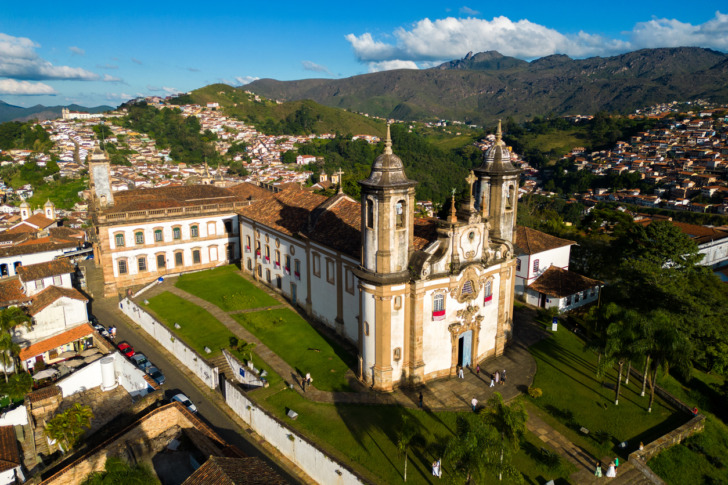
Ouro Preto is one of those Brazilian cities that feels like it was carved straight out of a history book, then dropped into a mountain valley for dramatic effect.
Located in Minas Gerais, about two hours from Belo Horizonte, it is famous for steep cobblestone streets, baroque churches, colonial mansions, gold rush history, and views that make your calves forgive the hills eventually.
The city was once one of the richest places in Portuguese America, and today its historic center is a UNESCO-listed treasure packed with museums, students, artists, cafés, and church bells.
Safety-wise, Ouro Preto is not the Brazil of big-city headlines.
It is generally calm and tourist-friendly, but the hills, rainy-season landslides, nightlife pockets, and occasional opportunistic theft still deserve your attention.
Warnings & Dangers in Ouro Preto

OVERALL RISK: LOW
Ouro Preto is safer than many larger Brazilian cities and feels relaxed in the historic center during the day. Most visitors deal with minor issues rather than danger, especially if they stay near the central tourist areas. The main risks are petty theft, slippery cobblestones, poorly lit streets at night, and occasional road or landslide problems during heavy rains.

TRANSPORT & TAXIS RISK: LOW
Transportation is usually manageable, but Ouro Preto’s steep, narrow streets are not easy on drivers or pedestrians. Use official taxis, rideshare apps where available, or trusted transfer services, especially at night. Intercity buses from Belo Horizonte are common, but keep bags close at terminals and avoid arriving very late if you have not arranged transport.

PICKPOCKETS RISK: LOW
Pickpocketing is not a massive problem in Ouro Preto, but it can happen around crowded events, busy viewpoints, festivals, bus stations, and packed church or museum areas. The city is popular with tourists and university students, so keep your phones and wallets secure. Do not leave bags hanging from chairs in restaurants or cafés.

NATURAL DISASTERS RISK: MEDIUM
Natural risk is one of the biggest safety factors in Ouro Preto. The city is mountainous, old, and built on steep slopes, which makes heavy rain a real concern. Landslides, falling rocks, flooded roads, and slippery streets can occur in the rainy season. Wear shoes with grip, avoid unstable slopes, and take weather warnings seriously.

MUGGING RISK: LOW
Muggings are less common here than in major cities like Rio de Janeiro, Salvador, or parts of São Paulo, but they are not impossible. The risk rises at night, on isolated streets, around poorly lit stairways, and away from the busier historic core. Avoid flashing phones, cameras, jewelry, or cash when walking in quiet areas.

TERRORISM RISK: LOW
There is no meaningful terrorism threat for tourists in Ouro Preto. Brazil is not usually considered a major terrorism target, and Ouro Preto’s risks are far more ordinary: theft, road safety, weather, and nightlife judgment. Travelers should focus on practical precautions rather than worrying about political violence or terrorism.

SCAMS RISK: LOW
Scams in Ouro Preto tend to be mild compared with major tourist hubs. You may encounter overcharging, confusing taxi pricing, inflated souvenir prices, or unofficial guides offering vague “special tours.” Use reputable guides for mines and historic tours, confirm prices before accepting services, and avoid paying large amounts upfront to strangers.

WOMEN TRAVELERS RISK: LOW
Women travelers generally report that Ouro Preto feels comfortable, especially in the historic center, museums, cafés, and daytime tourist areas. The main concern is nighttime walking, particularly on quiet hills and side streets. Solo women should use rideshare or taxis after dark, avoid excessive drinking with strangers, and choose central accommodations.

TAP WATER RISK: LOW
Tap water in urban Brazil is usually treated, but travelers may still prefer bottled or filtered water, especially if they have sensitive stomachs. In Ouro Preto, bottled water is easy to find, and many hotels provide filtered water. Be more careful with ice, street juices, and refill sources if your stomach is not used to Brazil.
Safest Places to Visit in Ouro Preto
Praça Tiradentes
Praça Tiradentes is the heart of Ouro Preto and one of the best places to get your bearings.
It is open, central, busy, and surrounded by museums, churches, restaurants, shops, and colonial buildings.
During the day, this is one of the safest and most useful areas for travelers, partly because there is steady foot traffic and plenty of places to step inside if you need help, directions, or a coffee break.
Museu da Inconfidência
The Museu da Inconfidência sits right on Praça Tiradentes and is one of the city’s essential stops.
It is not just interesting, it is also in a very convenient and well-trafficked part of town.
As with most museums, the main thing is to keep your belongings close while entering, exiting, and taking photos outside.
Igreja de São Francisco de Assis
This famous baroque church is one of Ouro Preto’s standout landmarks and sits close to the central tourist route.
The area around it is generally safe during the day, with visitors, vendors, and guided groups passing through.
Wear comfortable shoes, because the cobblestones around churches can be uneven and surprisingly slippery.
Rua Direita and the Historic Center
The central streets around Rua Direita are among the best areas for strolling, eating, shopping, and sightseeing.
They are not flat, but they are active and attractive, with restaurants, cafés, guesthouses, and shops.
This is where I would prefer to stay as a first-time visitor, especially if I wanted to avoid long nighttime walks uphill.
Nearby Mariana
Mariana, a nearby historic town often visited from Ouro Preto, is also worth considering as part of a safe day trip.
Go during daylight, use a reputable tour or regular transport, and return before late evening if you are not familiar with the area.
Places to Avoid in Ouro Preto
Isolated Streets After Dark
Ouro Preto is beautiful at night, but the city’s charm comes with a safety catch: steep lanes, stairways, empty corners, and low lighting.
Avoid wandering alone through quiet streets after restaurants close, especially if you are carrying a camera or phone in your hand.
The historic center is much safer when there are people around, but it can empty quickly.
Poorly Lit Hillside Areas
The hills are part of the city’s magic, but they are also where safety gets trickier.
Some hillside streets are narrow, poorly lit, and tiring to climb, which makes you an easy target if you look lost or distracted.
If your hotel is far uphill, use a taxi or rideshare after dark rather than treating the walk like a romantic colonial workout.
Bus Station Surroundings Late at Night
Ouro Preto’s bus station is useful for arrivals from Belo Horizonte and other cities, but like many transport areas, it deserves extra caution.
During the day, it is usually fine.
Late at night, keep your phone away, stay with your luggage, and avoid walking from the station to your hotel unless it is very close and you know the route.
Empty Viewpoints and Trail-Like Areas
Ouro Preto has wonderful viewpoints, but not every scenic spot is ideal for a solo sunset visit.
Avoid isolated overlooks, dirt paths, and quiet trail-like areas when there are few people around.
Go earlier in the day, preferably with company, and do not bring more valuables than needed.
Areas Affected by Heavy Rain
After heavy rain, avoid slopes, construction zones, retaining walls, closed streets, and areas where water is rushing downhill.
Ouro Preto has had landslide problems before, and the combination of old buildings, steep terrain, and saturated ground is something visitors should respect.
If locals or authorities block an area, do not treat it as a photo opportunity.
Safety Tips for Traveling to Ouro Preto
- Wear serious walking shoes. Ouro Preto is not the place for flimsy sandals unless your ankles enjoy chaos. The cobblestone streets are uneven, steep, and slippery after rain. Good walking shoes with grip are one of the best safety items you can pack. This is not just about comfort; it helps prevent falls, twisted ankles, and awkward downhill sliding in front of strangers.
- Stay central if it is your first visit. For first-timers, staying near Praça Tiradentes or within the historic center makes life easier and safer. You will be closer to restaurants, museums, shops, and taxis, which means fewer long walks after dark. Ouro Preto’s hills can make short distances feel much longer, especially with luggage or after dinner.
- Avoid lonely streets at night. The historic center can feel lively in one area and completely silent two blocks later. After dark, stick to lit streets with people around. If you are unsure about the route back to your hotel, take a taxi or rideshare. This is especially smart if you have been drinking, carrying camera gear, or walking alone.
- Be cautious during the rainy season. Rain can change Ouro Preto quickly. Streets get slick, drainage can be rough, and some slopes become unstable. The rainiest months generally fall in the warmer part of the year, especially from late spring through summer. Check the weather before heading out, and do not ignore local advice about road closures, landslides, or unsafe areas.
- Keep valuables low-key. Ouro Preto is photogenic in an almost unfair way, but avoid walking around with expensive cameras, phones, or jewelry constantly visible. Take photos, then put your gear away. Petty theft is not everywhere, but visible valuables create opportunity, especially in crowds, at festivals, or on quieter streets.
- Use trusted transport at night. Walking is fine during the day, but after dark, transportation becomes more important. Use official taxis, rideshare apps if available, or transfers arranged by your hotel. This is especially useful if your lodging is uphill, outside the historic core, or in a quiet residential street. Always confirm the destination before getting in.
- Watch your belongings in restaurants and cafés. Ouro Preto has charming little restaurants, student bars, and cafés, and the relaxed atmosphere can make travelers careless. Do not hang bags over the back of chairs or leave phones on outdoor tables. Keep your bag zipped and within sight, particularly in busy places or during events.
- Choose guided mine tours carefully. Mine visits are one of the unique things to do around Ouro Preto, but use established, reputable operators. Some mines involve stairs, narrow passages, helmets, and uneven ground. Ask about safety equipment, accessibility, and whether the guide is licensed or experienced. This is not an attraction where you want the cheapest random option.
- Plan airport transfers with extra time. Ouro Preto is not right next to a major airport. Most travelers arrive through Belo Horizonte, and the road journey can take around two hours or longer, depending on traffic, weather, and connections. Leave extra time when returning to the airport. Mountain roads plus Brazilian traffic are not something to cut close.
- Respect the city’s altitude and hills. Ouro Preto sits high in the mountains, and the hills can surprise people who expected a gentle colonial town. Pace yourself, drink water, and take breaks. If you have mobility issues, knee problems, or breathing concerns, plan routes carefully and consider taxis for steep sections. The city is rewarding, but it makes you earn the view.
So... How Safe Is Ouro Preto Really?
Ouro Preto is genuinely one of Brazil’s more comfortable tourist cities, especially when compared with large urban centers.
Its historic center is compact, walkable, and heavily visited, and the city’s economy depends on tourism, students, heritage sites, restaurants, and cultural events.
That creates a friendlier travel environment than many places where tourists stand out in a more vulnerable way.
That said, “safe” in Ouro Preto does not mean careless.
The main tourist safety issues are not dramatic, but they are real: petty theft, nighttime isolation, rough cobblestones, heavy rain, steep slopes, and the practical challenge of moving around a hilly colonial city.
Crime risk is generally lower than in Brazil’s big capitals, but visitors should still use standard Brazil precautions, especially with phones, bags, and late-night routes.
The natural environment deserves special attention.
Ouro Preto’s steep topography and historic construction make rainy-season landslides and slippery streets more relevant than many travelers expect.
In my view, the city is best described as low to medium risk: low for daytime sightseeing in central areas, medium if you are walking alone at night, visiting during heavy rains, or staying far from the historic core.
With smart planning, Ouro Preto is a very worthwhile and manageable destination.
How Does Ouro Preto Compare?
| City | Safety Index |
|---|---|
| Ouro Preto |
69 |
| Foz do Iguacu |
69 |
| Brasilia |
65 |
| Fortaleza |
40 |
| Porto Alegre |
21 |
| Natal |
52 |
| Manaus |
60 |
 Tuzla Tuzla | 84 |
 Broome Broome | 86 |
 Kirkwood Kirkwood | 77 |
| City of Burlington | 75 |
 Hyderabad Hyderabad | 60 |
| Hammond | 57 |
Useful Information

Visas
Brazil’s visa rules depend on your nationality. Many visitors from Europe and parts of Latin America can enter visa-free for tourism, while travelers from countries such as the United States, Canada, and Australia may need an electronic visa depending on current rules. Check requirements before booking, apply online when needed, and make sure your passport is valid beyond your stay.

Currency
Brazil uses the Brazilian real. Credit and debit cards are widely accepted in hotels, restaurants, and many shops, but it is smart to carry some cash for small purchases, local buses, markets, tips, and smaller attractions. Use bank ATMs inside secure locations, and avoid exchanging money with unofficial street exchangers.

Weather
Ouro Preto has a mild mountain climate compared with the hotter parts of Brazil. Days can be warm, evenings can feel cool, and rain is more common in the summer months. Pack layers, a light jacket, comfortable walking shoes, and a compact raincoat. The cobblestones get slippery fast, so footwear matters more than fashion here.

Airports
The main gateway for Ouro Preto is Belo Horizonte, especially Tancredo Neves International Airport in Confins. The drive to Ouro Preto usually takes around two hours, depending on traffic and weather. Some travelers connect through Belo Horizonte’s bus station, while others book private transfers for convenience, especially when arriving late.

Travel Insurance
Travel insurance is strongly recommended for Ouro Preto, even though the city is not especially dangerous. You want coverage for medical care, trip delays, lost luggage, theft, and adventure-style activities such as mine visits or hiking. Because rain and road delays can affect travel plans, insurance adds a useful safety net.
Ouro Preto Weather Averages (Temperatures)
Average High/Low Temperature
| Temperature / Month | Jan | Feb | Mar | Apr | May | Jun | Jul | Aug | Sep | Oct | Nov | Dec |
|---|---|---|---|---|---|---|---|---|---|---|---|---|
| High °C |
26 | 26 | 26 | 24 | 23 | 23 | 23 | 24 | 27 | 26 | 25 | 26 |
| Low °C |
18 | 18 | 17 | 16 | 13 | 12 | 12 | 12 | 14 | 16 | 17 | 18 |
| High °F |
79 | 79 | 79 | 75 | 73 | 73 | 73 | 75 | 81 | 79 | 77 | 79 |
| Low °F |
64 | 64 | 63 | 61 | 55 | 54 | 54 | 54 | 57 | 61 | 63 | 64 |
Brazil - Safety by City
| City | Safety Index |
|---|---|
| Belem | 59 |
| Belo Horizonte | 45 |
| Brasilia | 65 |
| Campinas | 57 |
| Campo Grande | 67 |
| Curitiba | 51 |
| Florianopolis | 72 |
| Fortaleza | 40 |
| Foz do Iguacu | 69 |
| Gramado | 85 |
| Jericoacoara | 65 |
| Manaus | 60 |
| Natal | 52 |
| Ouro Preto | 69 |
| Porto Alegre | 21 |
| Recife | 45 |
| Rio de Janeiro | 45 |
| Sao Paulo | 50 |


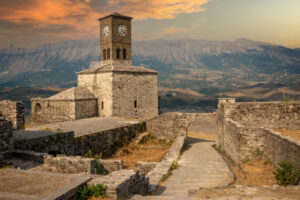












Trekking up those hills had me panting like I ran a marathon, but the old churches made every sweaty step worth it.
I went there last year and those cobblestone streets really killed my feet more than I expected.