


 Brazil : Safety by City
- Belem
- Belo Horizonte
- Brasilia
- Campinas
- Campo Grande
- Curitiba
- Florianopolis
- Fortaleza
- Foz do Iguacu
- Gramado
- Jericoacoara
- Manaus
- Natal
- Ouro Preto
- Porto Alegre
- Recife
- Rio de Janeiro
- Sao Paulo
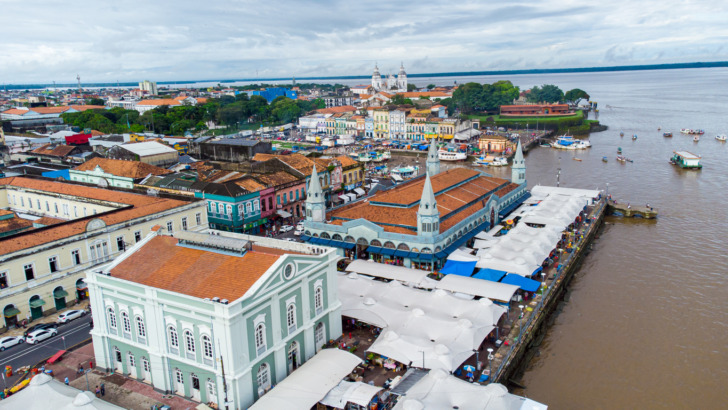
Belem, better known locally as Belém, is one of Brazil’s most fascinating big cities and one of the main gateways to the Amazon.
Sitting in northern Brazil on Guajará Bay, near the mouth of the Amazon River system, it feels completely different from the beachy Brazil most travelers picture first.
This is a city of river islands, colonial architecture, steamy tropical heat, a legendary food culture, and one of the most atmospheric markets in the country.
It is also the capital of Pará, a state with deep Indigenous, Portuguese, African, and Amazonian influences.
I love Belem as a destination because it has real texture: mango-lined streets, boats, old churches, açai served the local way, and a strong river-city personality.
But it is not a carefree destination.
Travelers need to be alert, especially with theft, mugging risk, and neighborhood choice.
Warnings & Dangers in Belem

OVERALL RISK: MEDIUM
Belem is worth visiting, but it requires more caution than many smaller tourist destinations. Petty theft, robberies, and unsafe neighborhoods are real concerns, especially after dark. Most tourists who stick to central attractions, use rideshares or registered taxis, and avoid showing valuables can visit without serious problems.

TRANSPORT & TAXIS RISK: MEDIUM
Public transportation in Belem is useful but not always the best choice for visitors unfamiliar with the city. Buses can be crowded, confusing, and less secure for valuables. Taxis and rideshare apps are usually the safer option, especially at night, from the airport, or when moving between neighborhoods.

PICKPOCKETS RISK: MEDIUM
Pickpocketing is a concern in crowded places, especially markets, bus stations, waterfront areas, and busy commercial streets. Ver-o-Peso Market is a must-see, but it is also exactly the kind of place where distracted travelers can lose phones, wallets, or bags. Keep valuables hidden and bags zipped.

NATURAL DISASTERS RISK: MEDIUM
Belem has a hot, humid equatorial climate with heavy rainfall, especially during the wetter months. Flooded streets, traffic disruption, poor drainage, and slippery sidewalks can all affect travel plans. The risk is not usually dramatic for tourists, but heavy tropical rain can quickly turn a normal outing into a soggy mess.

MUGGING RISK: MEDIUM
Mugging is one of the bigger safety issues in Belem. Armed robbery can happen, especially in isolated streets, poorly lit areas, bus stops, and places away from tourist activity. The best rule is simple: do not walk around at night, do not flash valuables, and never resist if confronted.

TERRORISM RISK: LOW
Terrorism is not a major concern for travelers in Belem. Brazil does not have the same terrorism profile as some global destinations, and tourist safety issues here are overwhelmingly related to crime, weather, traffic, and urban awareness. Stay focused on practical street safety rather than terrorism.

SCAMS RISK: MEDIUM
Scams in Belem are not usually elaborate, but tourists can run into inflated taxi prices, distraction theft, overcharging, fake “help,” and payment card tricks. Always confirm prices before agreeing to services, check card machine amounts carefully, and be cautious when strangers become too helpful too quickly.

WOMEN TRAVELERS RISK: MEDIUM
Women can visit Belem safely with the right precautions, but solo female travelers should be careful at night and selective about transportation. Avoid isolated streets, use rideshare apps instead of walking after dark, and choose accommodation in safer, central areas. Daytime sightseeing in tourist zones is generally manageable.

TAP WATER RISK: MEDIUM
I would not rely on tap water in Belem as a tourist. Locals may be used to local water conditions, but visitors are better off drinking bottled, filtered, or properly treated water. Also be cautious with ice, street drinks, and raw foods if you have a sensitive stomach.
Safest Places to Visit in Belem
Estação das Docas
Estação das Docas is one of the easiest places to recommend to first-time visitors.
This renovated dockside complex has restaurants, river views, shops, and a more controlled atmosphere than many surrounding streets.
It is tourist-friendly, lively, and generally safer than wandering random waterfront areas on your own.
It is a good place for an evening meal, but I would still use a taxi or rideshare when leaving at night.
Mangal das Garças
Mangal das Garças is one of the prettiest and calmer attractions in Belem.
It is a landscaped park with birds, greenery, river views, and a more relaxed pace than the commercial center.
For travelers who want a softer introduction to the Amazonian side of the city without leaving town, this is a great stop.
Basílica de Nossa Senhora de Nazaré
This basilica is one of Belem’s most important religious landmarks and is closely tied to the famous Círio de Nazaré festival.
The surrounding area is generally better for visitors during the day, especially if you arrive by taxi or rideshare.
It is a meaningful cultural stop, not just a pretty church.
Ver-o-Peso Market
Ver-o-Peso Market is not the “safest” place in Belem in the relaxed sense, but it is one of the most important places to visit.
Go during the day, preferably in the morning, carry very little, and keep your phone tucked away unless you are actively using it.
It is chaotic, colorful, and unforgettable, but you need street smarts.
The Old City and Forte do Presépio
The historic core, including Forte do Presépio and nearby colonial buildings, is best explored during daylight.
It gives you a sense of Belem’s early history and river-port identity.
Go with a plan, avoid empty side streets, and do not linger after dark unless you are with a reliable local guide.
Places to Avoid in Belem
Isolated Streets After Dark
The biggest safety mistake in Belem is treating it like a city where you can casually walk around at night.
Even areas that feel fine during the day can change after dark.
Empty streets, dim sidewalks, bus stops, and quiet shortcuts are not worth the risk.
Use rideshare apps or taxis instead.
Peripheral Neighborhoods Without Local Guidance
Many outer neighborhoods in Belem are not places tourists need to visit.
Areas far from the main attractions can have higher crime risks, fewer tourist services, and less predictable transportation.
Unless you have a specific reason to go and are accompanied by someone who knows the area, skip them.
Around Bus Terminals and Transport Hubs
Transport hubs are practical, but they often attract pickpockets, opportunistic thieves, and people looking for distracted travelers.
Keep bags close, avoid displaying cash, and do not accept unsolicited help with luggage or tickets.
If arriving by bus, arrange onward transportation before you get there.
Waterfront Areas Away From Tourist Zones
The riverfront is part of Belem’s magic, but not every stretch is safe for strolling.
Stick to established tourist areas like Estação das Docas or organized boat departure points.
Avoid isolated docks, poorly lit riverfront paths, and unfamiliar port areas, especially at night.
Crowded Markets With Visible Valuables
Markets are part of Belem’s soul, but they are also prime spots for theft.
Ver-o-Peso is the classic example: go for the colors, smells, fish, herbs, fruits, and energy, but leave jewelry, expensive cameras, and loose bags behind.
The market rewards curiosity, not carelessness.
Safety Tips for Traveling to Belem
- Use rideshare apps or registered taxis at night. Belem is not a great city for nighttime wandering. Even if your destination looks close on the map, the route may pass through quieter or poorly lit streets. Rideshare apps are usually the most convenient option for tourists because the route, driver, and price are visible in advance. This is especially important when leaving restaurants, bars, markets, or the airport.
- Visit Ver-o-Peso Market early and travel light. Ver-o-Peso is one of the most exciting places in Belem, but it is also busy, crowded, and distracting. Go in the morning when the market is active and more suitable for sightseeing. Carry only what you need, keep your phone secure, and avoid wearing jewelry or carrying a big camera around your neck.
- Do not flash your phone in the street. Phone theft is one of the most common problems travelers face in Brazilian cities. In Belem, use your phone with purpose: step into a shop, restaurant, hotel lobby, or secure area before checking maps or messages. Walking down the street with your phone out makes you an easy target.
- Choose your hotel location carefully. This is not the city where I would book the cheapest room in a random neighborhood just to save a few dollars. Stay near safer, more central areas with easy access to transportation and restaurants. A better location reduces the need for long walks, complicated bus routes, and late-night uncertainty.
- Avoid public buses at night. Buses are part of daily life in Belem, but they are not always ideal for tourists. During the day, experienced travelers may use them carefully, but at night they are less advisable. Crowding, unfamiliar routes, and waiting at stops can all increase risk.
- Keep cash divided and cards protected. Do not carry all your money in one wallet. Keep a small amount of cash accessible for minor purchases and store backup cards separately. When paying by card, check the amount on the machine before tapping or entering your PIN. Card mistakes and overcharging are easier to avoid when you slow down.
- Watch the weather before planning outdoor sightseeing. Belem’s rain is not cute little drizzle. Tropical downpours can be intense and can flood streets quickly. Pack a light rain jacket or small umbrella, wear shoes that can handle wet sidewalks, and leave extra travel time if you have a tour, boat trip, or airport transfer.
- Do not resist a robbery. This is unpleasant advice, but important. If someone threatens you, hand over what they ask for and focus on getting away safely. Replaceable belongings are not worth escalating a dangerous situation. This is another reason to avoid carrying expensive watches, jewelry, and large amounts of cash.
- Be careful with nightlife and new acquaintances. Belem has music, bars, and evening energy, but nightlife requires caution. Watch your drink, avoid getting too drunk, and do not leave with people you just met unless you are extremely confident in the situation. Travelers in Brazil should be cautious about drink spiking, dating app scams, and theft after social encounters.
- Ask locals about current street conditions. Safety can change block by block and week by week. Hotel staff, reliable guides, and reputable restaurant workers can often tell you which streets to avoid, whether an area is okay after dark, or whether you should call a car instead of walking. Local advice is especially useful in Belem because the tourist map does not always tell the whole story.
So... How Safe Is Belem Really?
Belem is a medium-risk destination.
That does not mean “do not go.”
It means you should go with your eyes open and your habits adjusted.
The city has major rewards for travelers: Amazonian food, river culture, historic architecture, markets, religious traditions, and a feeling that you are somewhere genuinely distinct from Brazil’s more famous coastal cities.
But it also has urban crime issues that should not be brushed aside.
The main risks for tourists are theft, pickpocketing, mugging, unsafe nighttime movement, and transportation choices.
Violent crime exists in Belem and the wider state of Pará, but most visitors are not targeted if they stay in tourist-friendly zones, avoid risky neighborhoods, and use cars instead of walking at night.
The danger level rises when travelers act casually with phones, jewelry, cash, or late-night walking.
In my view, Belem is best for travelers who are curious, alert, and comfortable with big-city precautions.
It is not the easiest destination in Brazil, and it is not the place for a totally carefree stroll-anywhere vacation.
But if you plan carefully, respect the city’s rough edges, and stick to safer routines, Belem can be a rich and memorable Amazon gateway.
How Does Belem Compare?
| City | Safety Index |
|---|---|
| Belem |
59 |
| Recife |
45 |
| Foz do Iguacu |
69 |
| Florianopolis |
72 |
| Fortaleza |
40 |
| Gramado |
85 |
| Curitiba |
51 |
 Omaha Omaha | 62 |
| Merced | 92 |
 Puerto Princesa Puerto Princesa | 77 |
| Cañon City | 87 |
| Calais | 88 |
 Sheki Sheki | 88 |
Useful Information

Visas
Brazil’s visa rules depend on your nationality and can change, so check requirements before booking. Some travelers may need an electronic visa arranged before arrival, while others may enter visa-free for tourism. Make sure your passport is valid, and do not assume you can fix visa issues at the airport.

Currency
The currency in Belem is the Brazilian real. ATMs are available, but it is best to use machines inside banks, shopping centers, or secure locations. Credit and debit cards are widely accepted in many tourist-facing places, though small vendors and markets may prefer cash.

Weather
Belem is hot, humid, and rainy for much of the year. Pack lightweight breathable clothing, comfortable walking shoes, insect repellent, sunscreen, and rain protection. The heat can feel heavy, so plan sightseeing earlier in the day and take breaks in shaded or air-conditioned places.

Airports
Belem is served by Belém/Val-de-Cans International Airport, the main airport for the city and the wider region. The safest and easiest way to reach your hotel is by rideshare, registered taxi, or pre-arranged transfer. Avoid negotiating with random drivers outside the terminal.

Travel Insurance
Travel insurance is strongly recommended for Belem. Choose a policy that covers medical care, theft, trip interruption, lost luggage, and emergency assistance. Because weather disruptions, crime, and health issues can all affect travel in northern Brazil, insurance is one of those boring purchases that can suddenly become very useful.
Belem Weather Averages (Temperatures)
Average High/Low Temperature
| Temperature / Month | Jan | Feb | Mar | Apr | May | Jun | Jul | Aug | Sep | Oct | Nov | Dec |
|---|---|---|---|---|---|---|---|---|---|---|---|---|
| High °C |
31 | 31 | 31 | 31 | 31 | 32 | 32 | 32 | 33 | 33 | 33 | 32 |
| Low °C |
22 | 23 | 23 | 22 | 22 | 21 | 21 | 22 | 22 | 22 | 22 | 22 |
| High °F |
88 | 88 | 88 | 88 | 88 | 90 | 90 | 90 | 91 | 91 | 91 | 90 |
| Low °F |
72 | 73 | 73 | 72 | 72 | 70 | 70 | 72 | 72 | 72 | 72 | 72 |
Brazil - Safety by City
| City | Safety Index |
|---|---|
| Belem | 59 |
| Belo Horizonte | 45 |
| Brasilia | 65 |
| Campinas | 57 |
| Campo Grande | 67 |
| Curitiba | 51 |
| Florianopolis | 72 |
| Fortaleza | 40 |
| Foz do Iguacu | 69 |
| Gramado | 85 |
| Jericoacoara | 65 |
| Manaus | 60 |
| Natal | 52 |
| Ouro Preto | 69 |
| Porto Alegre | 21 |
| Recife | 45 |
| Rio de Janeiro | 45 |
| Sao Paulo | 50 |

















Didn’t expect the heat to hit me so hard walking through those busy markets.