


 Brazil : Safety by City
- Belem
- Belo Horizonte
- Brasilia
- Campinas
- Campo Grande
- Curitiba
- Florianopolis
- Fortaleza
- Foz do Iguacu
- Gramado
- Jericoacoara
- Manaus
- Natal
- Ouro Preto
- Porto Alegre
- Recife
- Rio de Janeiro
- Sao Paulo
Campo Grande is the easygoing capital of Mato Grosso do Sul, sitting in west-central Brazil between São Paulo, Brasília, Paraguay, Bolivia, and the vast wetlands of the Pantanal.
Many travelers pass through on their way to wildlife lodges, but I think the city deserves more than a quick airport-to-bus-station transfer.
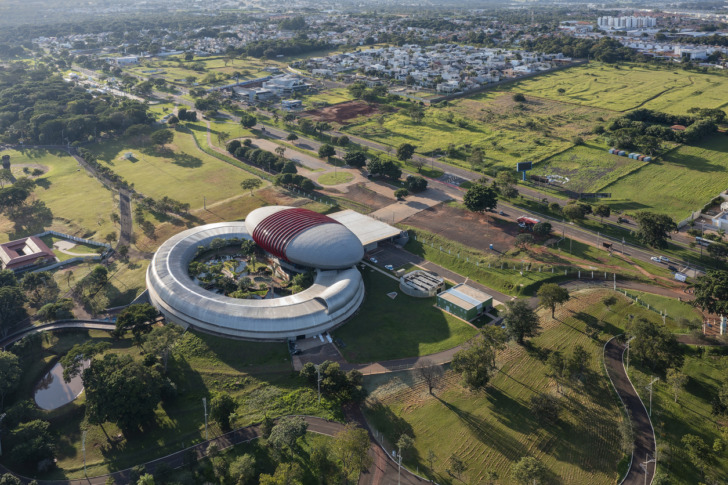
It has wide avenues, leafy parks, strong Indigenous and ranching culture, excellent local food, and one of Brazil’s most underrated urban attractions: Bioparque Pantanal, a massive freshwater aquarium focused on river life.
Safety-wise, Campo Grande is not as chaotic as Brazil’s biggest tourist cities, but it is still a Brazilian state capital.
That means petty theft, late-night caution, and smart transportation choices matter.
Come prepared, stay aware, and the city can be a practical, interesting, and surprisingly pleasant stop.
Warnings & Dangers in Campo Grande

OVERALL RISK: MEDIUM
Campo Grande is safer-feeling than many larger Brazilian capitals, but it still has urban crime, especially theft, robberies, and occasional violent incidents. Tourists who stay in central, well-traveled areas and use taxis or rideshare after dark usually avoid trouble. The main risk is not constant danger, but becoming too relaxed in unfamiliar neighborhoods.

TRANSPORT & TAXIS RISK: MEDIUM
Public buses are useful but not ideal for first-time visitors carrying bags or electronics. Use official taxis, hotel-arranged transfers, or app-based rides, especially at night. The airport is close to the city, which helps. Avoid accepting random rides from strangers around terminals, bus stations, or nightlife areas.

PICKPOCKETS RISK: MEDIUM
Pickpocketing is not the city’s biggest threat, but theft happens in busy commercial streets, markets, bus stops, and crowded events. The Centro area sees a high number of theft reports because many people pass through it daily. Keep your phone out of sight when walking, especially near traffic.

NATURAL DISASTERS RISK: LOW
Campo Grande does not face major earthquake, hurricane, or tsunami risks. The bigger issues are intense heat, heavy seasonal rain, localized flooding, and storms during the wet season. If you plan to continue into the Pantanal, road conditions and flooding can become more important than city risks.

MUGGING RISK: MEDIUM
Muggings are possible, particularly at night, in quiet streets, isolated bus stops, and areas with fewer tourists. Robbery statistics in the city are concentrated in certain neighborhoods and central commercial zones. Do not resist if confronted. Most problems can be reduced by avoiding lonely streets and using rides after dark.

TERRORISM RISK: LOW
Terrorism is not a major concern in Campo Grande. Brazil does not have the same pattern of politically motivated attacks seen in some other parts of the world. Normal travel awareness is enough. The more realistic security concerns are street crime, theft, drunk driving, and scams.

SCAMS RISK: LOW
Campo Grande is not a heavy scam destination compared with major beach cities or international tourist hubs. Still, watch for overcharging, unofficial tour offers, fake taxi approaches, and unclear pricing at transport points. Agree on prices in advance when needed, and book Pantanal transfers through reputable companies.

WOMEN TRAVELERS RISK: MEDIUM
Women can travel safely in Campo Grande with sensible precautions. The city is not unusually hostile to women travelers, but solo nighttime walking is not recommended in quiet areas. Use rideshare or taxis after dark, avoid isolated parks at night, and choose accommodations in busy, well-reviewed neighborhoods.

TAP WATER RISK: LOW
Tap water in major Brazilian cities is generally treated, and Campo Grande is no exception. That said, travelers with sensitive stomachs may prefer bottled or filtered water, especially for short stays. Ice in established restaurants is usually fine, but be more cautious at street stalls or informal roadside stops.
Safest Places to Visit in Campo Grande
Parque das Nações Indígenas
Parque das Nações Indígenas is one of the best places to start in Campo Grande.
It is large, open, green, and popular with locals for walking, jogging, photography, and sunset views.
The park area is also close to major cultural attractions and more developed parts of the city, which makes it feel more comfortable for visitors than random wandering.
During the day, it is one of the city’s most pleasant public spaces.
You may spot capybaras, birds, lakeside views, and families out for a walk.
Like any big urban park, avoid isolated corners after dark and do not flash valuables.
Bioparque Pantanal
Bioparque Pantanal is one of Campo Grande’s standout attractions and a good option for travelers who want an organized, visitor-friendly experience.
It focuses on aquatic life from the Pantanal and other freshwater ecosystems.
Because it is a formal attraction with visitor flow and structure, it is generally a safer sightseeing choice.
Centro, Markets, and Cultural Stops During the Day
Campo Grande’s Centro, Mercado Municipal, Feira Central, Casa do Artesão, and Morada dos Baís are interesting daytime stops.
They are good for food, crafts, architecture, and local culture, but they require more street awareness than the park area.
Visit during daylight hours, keep your phone secure, and avoid wandering into empty side streets.
Hotel and Restaurant Zones
Areas around major hotels, shopping centers, and established restaurant corridors tend to be easier for tourists.
These are better bases than isolated budget stays far from transport and food options.
In Campo Grande, convenience is part of safety.
Places to Avoid in Campo Grande
Centro at Night
Centro is useful during the day, but it becomes less comfortable after business hours.
Local crime data has shown the central area leading in theft and robbery reports, partly because it has heavy foot traffic, shops, bus stops, and movement throughout the day.
That does not mean you should never go there, but it does mean you should treat it as a daytime zone, not a late-night strolling area.
Bus Station Surroundings and Empty Transit Areas
The intercity bus station and surrounding transit areas deserve extra caution, especially if you arrive late, look tired, or are carrying luggage.
Bus stations in Brazil often attract opportunistic theft.
Keep bags close, do not display cash, and use app-based transport or an official taxi to reach your hotel.
Aero Rancho, Universitário, Jardim Noroeste, and Less Familiar Outer Districts
Some neighborhoods outside the main tourist circuit, including areas such as Aero Rancho, Universitário, Jardim Noroeste, Jardim Nhanhá, and Jardim Los Angeles, appear in local discussions or reports related to theft, robbery, or insecurity.
These are not places most visitors need to explore casually.
If you have a specific reason to go, go during the day, use direct transport, and avoid walking around aimlessly.
Isolated Streets Near Nightlife
Campo Grande has bars and restaurants, but the usual nightlife rule applies: the danger often starts when you leave the busy place and walk through quiet streets.
Use a ride back to your hotel, especially after drinking.
Do not assume a short walk is safe just because the area looked calm earlier.
Safety Tips for Traveling to Campo Grande
- Use Campo Grande as a soft landing, not a place to switch off completely. Campo Grande feels calmer than São Paulo, Rio de Janeiro, Salvador, or Recife, and that can trick visitors into relaxing too much. It is still a large Brazilian city with theft and robberies. Enjoy the slower pace, but keep your basic city instincts on.
- Choose your hotel location carefully. A slightly better hotel in a convenient area is worth it here. Look for places near restaurants, shopping areas, Parque das Nações Indígenas, or main transport routes. A cheap hotel in an isolated area can end up costing you more in taxis and stress.
- Avoid walking through Centro after dark. Centro is interesting during the day for markets, shops, and cultural stops, but it is not the best area for evening wandering. After shops close, streets can become emptier and less predictable. Take a taxi or rideshare if you need to pass through at night.
- Do not flash your phone on the street. Phone theft is one of the easiest crimes to avoid and one of the most annoying to recover from. Check maps inside shops, cafés, hotel lobbies, or with your back to a wall. Avoid walking with your phone held out near the curb, where a thief on a bike or motorcycle could grab it.
- Use rideshare or official taxis at night. Campo Grande is spread out, and many attractions are not ideal for random nighttime walking. App-based rides are usually the easiest option. If your phone battery is low, ask your hotel or restaurant to call a taxi before you leave.
- Be extra careful around bus stations and airport transfers. Campo Grande International Airport is close to the city, which makes arrival easy. Still, airports and bus terminals are classic places for overcharging, unofficial rides, and bag theft. Keep your luggage in front of you, ignore aggressive offers, and use a known transport option.
- Visit parks during daylight. Parque das Nações Indígenas is one of the city’s best attractions, but treat it like any large urban park. Go in the morning or late afternoon when locals are around. Avoid isolated trails after dark, and do not leave bags unattended while taking photos.
- Plan Pantanal trips through reliable operators. Many travelers visit Campo Grande as a gateway to the Pantanal. The city part is only one piece of your safety plan. For the Pantanal, road conditions, wildlife, heat, insects, remote lodges, and medical access matter. Choose operators with clear pickup details, insurance practices, and communication.
- Carry only what you need each day. Leave your passport, backup card, and extra cash in a secure place at your accommodation. Carry a copy of your passport, one payment card, and limited cash. If something is stolen, you want the damage to be annoying, not trip-ending.
- Respect the heat and rain. Campo Grande can be hot, humid, and stormy depending on the season. Heat exhaustion is not dramatic until it suddenly is. Carry water, wear breathable clothes, use sunscreen, and avoid packing your day so tightly that you are walking long distances in midday heat.
So... How Safe Is Campo Grande Really?
Campo Grande is moderately safe for prepared travelers, especially compared with some of Brazil’s larger and more internationally famous cities.
It does not have the same intense tourist-targeting reputation as Rio’s beach zones or Salvador’s crowded historic areas, and most visitors use it as a practical gateway to the Pantanal rather than a wild nightlife destination.
That helps lower certain risks.
Still, the city has real urban crime.
Local reports have shown theft and robbery concentrated in busy areas such as Centro, with other neighborhoods outside the tourist circuit also appearing in crime discussions.
Brazil as a whole continues to have a higher violent crime rate than many countries travelers may be used to, so Campo Grande should not be treated like a small-town stopover simply because it feels more relaxed.
For tourists, the biggest safety issues are theft, phone snatching, late-night robberies, and poor transport choices.
The good news is that these are manageable.
Stay in a convenient neighborhood, visit main attractions during daylight, use taxis or rideshare at night, and avoid wandering into unfamiliar outer districts.
I would not call Campo Grande dangerous for a sensible traveler, but I would call it a place where awareness pays off.
How Does Campo Grande Compare?
| City | Safety Index |
|---|---|
| Campo Grande |
67 |
| Jericoacoara |
65 |
| Rio de Janeiro |
45 |
| Manaus |
60 |
| Fortaleza |
40 |
| Sao Paulo |
50 |
| Ouro Preto |
69 |
 Corfu Corfu | 81 |
 Frontenac Frontenac | 72 |
 Aberdeen Aberdeen | 63 |
 Reims Reims | 68 |
| Elizabeth | 47 |
 Cairns Cairns | 61 |
Useful Information

Visas
Brazil’s visa rules depend on nationality. Many South American and European visitors can enter visa-free for tourism, while travelers from the United States, Canada, and Australia now need an eVisa for short visits. Requirements can include a valid passport, travel details, and a fee, so check before booking.

Currency
Campo Grande uses the Brazilian real. Credit and debit cards are widely accepted in hotels, restaurants, malls, and many attractions, but small amounts of cash are useful for markets, snacks, and local transport. Exchange money at official exchange offices or withdraw from bank ATMs during daytime hours.

Weather
Campo Grande has a tropical savanna climate with hot weather most of the year. The rainy season generally runs from spring into early autumn, while winter is drier and milder. Pack light clothes, sunscreen, sunglasses, comfortable walking shoes, and a rain jacket if visiting during wetter months.

Airports
Campo Grande International Airport, also known as Ueze Elias Zahran International Airport, is the main airport serving the city and Mato Grosso do Sul. It sits only a short drive from central Campo Grande. Taxis and app-based rides are the easiest ways to reach your hotel.

Travel Insurance
Travel insurance is strongly recommended for Campo Grande, especially if you are continuing to the Pantanal. Look for coverage that includes medical care, trip interruption, theft, lost luggage, and emergency evacuation. Remote nature travel can be amazing, but it is not where you want to discover your policy is weak.
Campo Grande Weather Averages (Temperatures)
Average High/Low Temperature
| Temperature / Month | Jan | Feb | Mar | Apr | May | Jun | Jul | Aug | Sep | Oct | Nov | Dec |
|---|---|---|---|---|---|---|---|---|---|---|---|---|
| High °C |
31 | 31 | 31 | 30 | 27 | 26 | 27 | 30 | 32 | 32 | 31 | 31 |
| Low °C |
21 | 21 | 20 | 18 | 16 | 15 | 13 | 15 | 18 | 20 | 20 | 21 |
| High °F |
88 | 88 | 88 | 86 | 81 | 79 | 81 | 86 | 90 | 90 | 88 | 88 |
| Low °F |
70 | 70 | 68 | 64 | 61 | 59 | 55 | 59 | 64 | 68 | 68 | 70 |
Brazil - Safety by City
| City | Safety Index |
|---|---|
| Belem | 59 |
| Belo Horizonte | 45 |
| Brasilia | 65 |
| Campinas | 57 |
| Campo Grande | 67 |
| Curitiba | 51 |
| Florianopolis | 72 |
| Fortaleza | 40 |
| Foz do Iguacu | 69 |
| Gramado | 85 |
| Jericoacoara | 65 |
| Manaus | 60 |
| Natal | 52 |
| Ouro Preto | 69 |
| Porto Alegre | 21 |
| Recife | 45 |
| Rio de Janeiro | 45 |
| Sao Paulo | 50 |















Yeah, if you’re into dodging sketchy spots at night while trying to enjoy some decent local food, Campo Grande really hits the spot.
Had no clue about that massive freshwater aquarium until I wandered into Bioparque Pantanal, and it totally caught me off guard with all those river creatures.
Did you feel like the Bioparque Pantanal really captures the vibe of the Pantanal wetlands, or is it more just a nice aquarium experience?