


 India : Safety by City
- Agra
- Ahmedabad
- Bangalore
- Chandigarh
- Chennai
- Delhi
- Goa
- Gurgaon
- Hyderabad
- Jaipur
- Kerala
- Kochi
- Kolkata
- Kolkatta
- Mangalore
- Mumbai
- Navi Mumbai
- Noida
- Pune
- Surat
- Thiruvananthapuram
- Udaipur
- Vadodara
- Varanasi
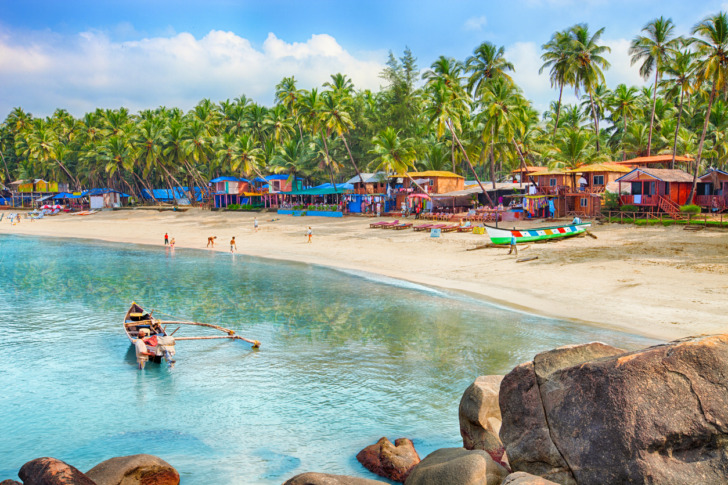
Goa is India’s beach-state superstar, tucked along the Arabian Sea on the country’s western coast, between Maharashtra and Karnataka.
It is small by Indian standards, but it has a huge personality: Portuguese-influenced churches, coconut groves, spice plantations, beach shacks, old forts, flea markets, yoga retreats, seafood, nightlife, and some of the most famous beaches in South Asia.
Goa is often described as “India light” for first-time visitors because it feels more relaxed and tourist-friendly than many larger Indian cities, but I would not mistake relaxed for risk-free.
Goa is generally safe for travelers, especially in popular tourist zones, but it requires awareness around nightlife, swimming, roads, scams, drugs, and isolated beach areas.
Treat it like a tropical party-and-culture destination, not a carefree bubble, and you can have a fantastic trip.
Warnings & Dangers in Goa

OVERALL RISK: MEDIUM
Goa is generally safe for tourists, but I would rate it medium because the risks are more varied than in many beach destinations. Petty theft, road accidents, alcohol-related problems, nightlife issues, swimming hazards, scams, and occasional harassment can affect visitors. Most trips go smoothly, but Goa rewards travelers who stay alert and make sensible choices.

TRANSPORT & TAXIS RISK: MEDIUM
Transport is one of Goa's biggest frustrations. Taxis can be expensive, ride-hailing options are limited compared with major cities, and renting scooters is common but risky for inexperienced riders. Road conditions vary, traffic can be chaotic, and night driving is not ideal. Always wear a helmet and avoid drunk riding completely.

PICKPOCKETS RISK: MEDIUM
Pickpocketing and bag theft can happen in markets, beach areas, nightlife zones, bus stands, and crowded tourist streets. The risk is not constant, but it rises when travelers leave bags unattended at beach shacks, carry phones loosely, or party late. Keep valuables minimal and use hotel safes when possible.

NATURAL DISASTERS RISK: MEDIUM
Goa has seasonal weather risks. The monsoon, usually from June to September, can bring heavy rain, flooding, rough seas, landslides in hilly areas, and travel disruption. Swimming is especially risky during rough-sea periods. Heat and dehydration are also common concerns during warmer months, especially for visitors drinking alcohol or riding scooters

MUGGING RISK: LOW
Mugging is not a major everyday risk in Goa, especially in busy tourist areas. Violent robbery against tourists is uncommon, but isolated beaches, dark roads, and late-night situations can be riskier. Avoid walking alone in empty areas after dark, and use reliable transport when returning from bars, clubs, or beach parties.

TERRORISM RISK: LOW
The terrorism risk for tourists in Goa is low. It is not usually considered a major target compared with larger Indian cities or sensitive regions. Still, crowded public places, transport hubs, festivals, and major events always deserve basic awareness. Avoid unattended bags, follow local security instructions, and stay away from protests or tense public gatherings.

SCAMS RISK: MEDIUM
Scams and overcharging can happen in Goa, especially around taxis, beach vendors, rental scooters, tours, nightlife, and shopping areas. Common issues include inflated prices, fake "special deals," unclear rental damage claims, and pressure selling. Agree on prices before accepting services, take photos of rented vehicles, and avoid anything that feels rushed.

WOMEN TRAVELERS RISK: MEDIUM
Many women travel safely in Goa, including solo travelers, but harassment and uncomfortable attention can happen, especially at night, on isolated beaches, or around alcohol-heavy party areas. Choose accommodation carefully, avoid walking alone late in quiet areas, use trusted transport, watch drinks, and trust your instincts if a situation feels off.

TAP WATER RISK: MEDIUM
Do not drink tap water in Goa unless it has been properly filtered or boiled. Bottled water is widely available, and many hotels provide filtered water. Be careful with ice in small local spots, and choose busy restaurants or beach shacks with good turnover. Stomach issues are one of the more common travel problems here.
Safest Places to Visit in Goa
Panaji
Panaji, also called Panjim, is one of the safest and easiest places to explore in Goa.
It has a calmer city feel, colorful Portuguese-era buildings, riverside walks, churches, cafes, and good access to museums and markets.
The Fontainhas Latin Quarter is especially charming during the day.
It is still wise to watch your belongings in markets and busy streets, but Panaji feels more orderly than many beach-party zones.
Old Goa
Old Goa is a must-see for history lovers and is generally very safe during daytime visits.
The churches, cathedrals, and heritage sites are well-known tourist attractions with steady visitor flow.
Dress respectfully, protect your belongings, and bring water, especially in hot weather.
The risk here is low, but the heat can sneak up on you.
South Goa Beaches
South Goa is usually quieter and more relaxed than the party-heavy north.
Beaches like Palolem, Agonda, Benaulim, and Colva are popular with couples, families, yoga travelers, and people who want a calmer stay.
They are not crime-free, but they generally feel less chaotic.
Avoid isolated stretches after dark and do not leave valuables unattended while swimming.
Fort Aguada and Reis Magos
Fort Aguada and Reis Magos are safe, scenic, and good daytime stops for views, history, and photography.
They are popular enough to feel comfortable but not usually overwhelming.
Wear good shoes, carry water, and watch your step on uneven stone surfaces.
As always, keep valuables close when taking photos or moving through tourist crowds.
Spice Plantations
Goa’s spice plantations are safe, organized, and interesting, especially for families or travelers who want something beyond beaches.
Most visits are guided, with meals and walking paths included.
Use reputable operators and plan transport ahead, since some plantations are inland and less convenient to reach without a driver or organized tour.
Places to Avoid in Goa
Isolated Beaches After Dark
This is probably the most important area to avoid.
Goa’s beaches can feel magical at night, but empty stretches are not where you want to be alone, drunk, or carrying valuables.
Stick to lit areas near beach shacks, hotels, and other people.
If you want nightlife, go to known venues and arrange transport back.
Rough Sea Areas During Monsoon
During monsoon season, the sea can be dangerous, and red-flag warnings should be taken seriously.
Swimming during rough conditions is one of the clearest preventable risks in Goa.
Even strong swimmers can get caught by currents.
If lifeguards or signs warn against entering the water, do not treat it as a suggestion.
Unlicensed Nightlife and Party Scenes
Goa has famous nightlife, but not every party is safe or well-managed.
Avoid unknown remote parties, drug-heavy environments, and venues where transport back is unclear.
The combination of alcohol, isolated roads, unfamiliar people, and poor lighting can create real problems.
Choose established clubs, bars, and beach shacks instead.
Overcrowded Tourist Markets
Markets such as Anjuna Flea Market or busy night markets can be fun, but they also attract pickpockets, aggressive bargaining, and overpriced tourist goods.
Go with limited cash, keep your phone secure, and do not carry your passport unless necessary.
Crowded markets are not dangerous, but they are places where small losses happen.
Badly Reviewed Scooter Rentals
Scooter rentals are everywhere in Goa, but some are not well-maintained, and disputes over damage can happen.
Avoid vague agreements, no paperwork, poor helmets, or bikes with obvious mechanical issues.
Take photos and video before riding away.
If the rental feels sketchy, skip it.
A slightly more expensive, reliable rental is worth it.
Safety Tips for Traveling to Goa
- Be very careful with scooters. Scooters are part of the Goa experience for many travelers, but they are also one of the biggest safety risks. Roads can be narrow, sandy, dark, crowded, or poorly lit. Local driving habits may feel unpredictable if you are not used to India. Only rent a scooter if you are experienced, licensed, sober, and insured. Always wear a helmet, even for short rides.
- Do not swim when warning flags are up. Goa’s beaches can be beautiful and dangerous at the same time. During monsoon and rough-sea periods, currents can be powerful. Lifeguards, red flags, and beach warnings are there for a reason. Do not swim alone, at night, after drinking, or in areas without other people nearby. The ocean is a bigger safety risk than most crime in Goa.
- Choose your base carefully. North Goa and South Goa feel very different. North Goa has more nightlife, markets, hostels, and party energy. South Goa is usually calmer, better for couples, families, and quieter stays. If safety and relaxation are your priorities, stay near well-reviewed accommodation in a walkable area, not down an isolated lane far from restaurants and transport.
- Watch your drink. Goa is a nightlife destination, so drink safety matters. Do not accept open drinks from strangers, do not leave your drink unattended, and know your limits. Alcohol also increases the risk of theft, bad decisions, unsafe swimming, and road accidents. A fun night out can turn quickly if transport and personal awareness are not handled well.
- Agree on taxi prices first. Transport pricing in Goa can be annoying. Before getting into a taxi, agree on the fare clearly. Ask your hotel what a reasonable price should be for common routes. For longer trips, consider hiring a driver for the day through your hotel or a reputable operator. Clear pricing avoids arguments and prevents unpleasant surprises.
- Keep beach valuables to a minimum. Do not bring your passport, lots of cash, expensive jewelry, or multiple cards to the beach. Bring only what you need, and keep it close. If you plan to swim, go with someone who can watch your bag or use a waterproof pouch for small essentials. A beach towel is not a safe storage system.
- Be cautious with drugs. Drugs are illegal in India, and Goa’s party reputation does not change that. Police checks, scams, unsafe substances, and serious legal trouble are all real risks. Avoid drug offers completely. Getting involved with drugs abroad is one of those decisions that can turn a vacation into a disaster very quickly.
- Dress with the setting in mind. Goa is more relaxed than many parts of India, especially on beaches, but it is still smart to dress appropriately away from the sand. Beachwear is fine at the beach, but cover up in towns, markets, temples, churches, and villages. Respectful clothing can reduce unwanted attention and make local interactions smoother.
- Protect yourself from heat and dehydration. Goa can be hot, humid, and draining, especially if you are walking, riding a scooter, or drinking alcohol. Use sunscreen, wear a hat, drink bottled or filtered water, and take breaks in the shade. Heat exhaustion is not dramatic until it suddenly is. Plan sightseeing for mornings and late afternoons when possible.
- Use reputable tours and rentals. Whether you are booking a boat trip, spice plantation visit, dolphin tour, scooter, car, or watersport activity, reputation matters. Look for clear pricing, proper safety equipment, and real reviews. Cheap is not always good value if it comes with poor maintenance, unsafe practices, or surprise charges. In Goa, a little caution with bookings goes a long way.
So... How Safe Is Goa Really?
Goa is safe enough for most travelers, but it is not a destination where I would tell people to switch off their common sense.
Compared with many large Indian cities, Goa feels more relaxed, more tourist-friendly, and easier to navigate.
Violent crime against tourists is not common, and most visitors come for beaches, food, culture, yoga, nightlife, and sunshine without serious problems.
The safety issues are more practical and situational.
Road accidents are a major concern, especially involving scooters.
Swimming can be dangerous during rough-sea periods.
Petty theft happens when travelers leave bags unattended or get careless at markets and beach shacks.
Nightlife can be fun, but alcohol, drugs, isolated roads, and unclear transport can raise the risk quickly.
I would rate Goa as medium risk overall, not because it is scary, but because the range of avoidable problems is wider than in calmer, more controlled beach destinations.
The safest Goa trip is one where you choose the right area, respect the sea, avoid risky nightlife situations, use transport carefully, and stay alert without becoming anxious.
Do that, and Goa can be one of India’s most memorable and enjoyable coastal escapes.
How Does Goa Compare?
| City | Safety Index |
|---|---|
| Goa |
66 |
| Varanasi |
58 |
| Thiruvananthapuram |
71 |
| Hyderabad |
60 |
| Udaipur |
72 |
| Delhi |
50 |
| Noida |
71 |
 Santa Marta Santa Marta | 33 |
 Marrakech Marrakech | 60 |
 Byron Bay Byron Bay | 85 |
 McAlester McAlester | 70 |
 Nazareth Nazareth | 58 |
 Canary Islands Canary Islands | 81 |
Useful Information

Visas
Most foreign tourists need a visa to visit India, and many nationalities can apply for an e-Visa online before travel. Tourist e-Visas may be available for different durations, depending on nationality and current rules. Make sure your passport is valid for at least 6 months and that your visa matches your arrival airport and travel dates.

Currency
Goa uses the Indian rupee. Cash is useful for beach shacks, markets, taxis, small shops, and local restaurants. Cards are accepted in many hotels and nicer venues, but not everywhere. ATMs are common in tourist areas, though it is smart to carry smaller notes and avoid exchanging money with unofficial street operators.

Weather
Goa is hot and tropical, with a dry tourist season from roughly November to March and a wet monsoon season from June to September. Pack light clothing, swimwear, sunscreen, sandals, and a hat. During the monsoon, bring quick-dry clothes and expect rough seas. Evenings in winter can feel pleasantly cooler near the coast.

Airports
Goa has 2 main airports: Dabolim Airport in South Goa and Manohar International Airport in Mopa, North Goa. Which airport is better depends on where you are staying. Dabolim is convenient for Panaji and many southern beaches, while Mopa is useful for North Goa. Taxis, hotel transfers, and pre-booked cars are the easiest options.

Travel Insurance
Travel insurance is strongly recommended for Goa. It should cover medical care, theft, lost luggage, cancellations, flight delays, scooter accidents, and water activities if you plan to do them. Check the fine print carefully, because motorbike riding and adventure activities may require extra coverage or a valid motorcycle license.
Goa Weather Averages (Temperatures)
Average High/Low Temperature
| Temperature / Month | Jan | Feb | Mar | Apr | May | Jun | Jul | Aug | Sep | Oct | Nov | Dec |
|---|---|---|---|---|---|---|---|---|---|---|---|---|
| High °C |
32 | 32 | 33 | 34 | 35 | 31 | 29 | 29 | 30 | 33 | 33 | 32 |
| Low °C |
20 | 21 | 24 | 25 | 27 | 26 | 25 | 25 | 24 | 24 | 24 | 21 |
| High °F |
90 | 90 | 91 | 93 | 95 | 88 | 84 | 84 | 86 | 91 | 91 | 90 |
| Low °F |
68 | 70 | 75 | 77 | 81 | 79 | 77 | 77 | 75 | 75 | 75 | 70 |
India - Safety by City
| City | Safety Index |
|---|---|
| Agra | 50 |
| Ahmedabad | 67 |
| Bangalore | 60 |
| Chandigarh | 77 |
| Chennai | 50 |
| Delhi | 50 |
| Goa | 66 |
| Gurgaon | 71 |
| Hyderabad | 60 |
| Jaipur | 53 |
| Kerala | 74 |
| Kochi | 70 |
| Kolkata | 49 |
| Kolkatta | 48 |
| Mangalore | 75 |
| Mumbai | 55 |
| Navi Mumbai | 80 |
| Noida | 71 |
| Pune | 74 |
| Surat | 80 |
| Thiruvananthapuram | 71 |
| Udaipur | 72 |
| Vadodara | 71 |
| Varanasi | 58 |















Did you find any spots that felt chill enough to just hang out without worrying too much about safety at night?