 South Korea : Safety by City
South Korea - safety as a country
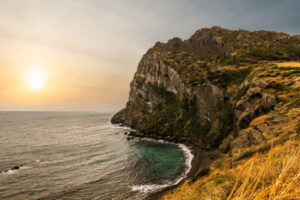
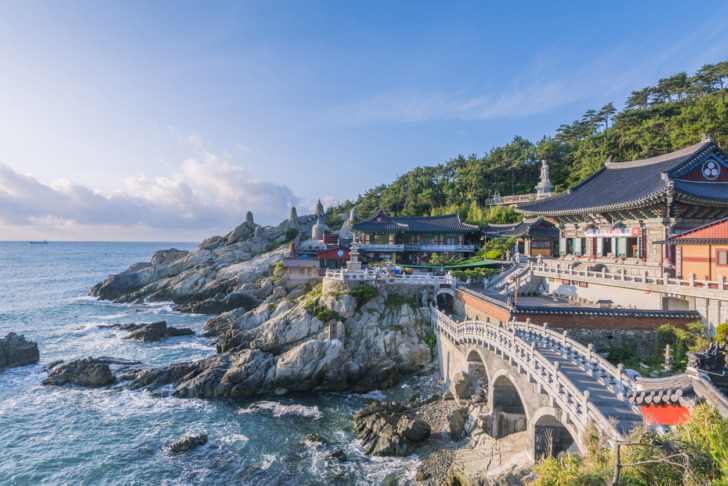
Busan is South Korea’s big, breezy coastal city, sitting on the country’s southeastern edge where mountains crash dramatically into the sea.
It is the second-largest city in South Korea, but it has a very different personality from Seoul.
Busan feels more relaxed, more ocean-facing, and a little more rugged in the best possible way.
You get beaches like Haeundae and Gwangalli, hillside neighborhoods like Gamcheon Culture Village, huge seafood markets, Buddhist temples by the water, and one of the busiest ports in Asia.
From a traveler’s point of view, Busan is exciting without feeling chaotic.
It is generally clean, organized, easy to navigate, and impressively safe, though it still has a few risks worth knowing before you go.
Warnings & Dangers in Busan

OVERALL RISK: LOW
Busan is a very safe city for most travelers. Violent crime is uncommon, public transportation is reliable, and tourist areas are generally well-policed and easy to explore. The biggest issues are usually petty theft, nightlife-related problems, weather disruptions, and language barriers. With basic awareness, Busan is a low-risk destination.

TRANSPORT & TAXIS RISK: LOW
Busan has an excellent public transportation system, including metro lines, buses, taxis, and airport light rail connections. The metro is clean, affordable, and generally safe even at night. Taxis are usually legitimate and metered, though communication can be tricky if you do not speak Korean. Use navigation apps and have your destination written in Korean.

PICKPOCKETS RISK: LOW
Pickpocketing is not a major problem in Busan, especially compared with many large international cities. Still, crowded places like Jagalchi Fish Market, BIFF Square, Seomyeon shopping streets, Haeundae Beach, and subway stations deserve normal caution. Keep wallets, phones, and passports secure, especially during festivals, beach season, and nightlife hours.

NATURAL DISASTERS RISK: MEDIUM
Busan’s main natural disaster risk comes from typhoons, heavy rain, coastal flooding, landslides, and occasional storm surges. The riskiest period is typically summer through early fall. Earthquakes are possible, but not a daily concern. Travelers should take weather warnings seriously, especially near beaches, coastal roads, mountain trails, and ferry routes.

MUGGING RISK: LOW
Mugging is rare in Busan, and most visitors will never feel threatened while walking around the city. That said, isolated streets, intoxicated nightlife districts, and late-night shortcuts can increase risk anywhere. Stick to well-lit roads, use taxis late at night if needed, and avoid confrontations with drunk strangers.

TERRORISM RISK: LOW
Busan has a low terrorism risk. South Korea is a stable, highly organized country with a strong security infrastructure. The broader Korean Peninsula does carry geopolitical tension because of North Korea, but tourists in Busan are rarely affected in daily life. Follow official emergency alerts if they occur, but do not let this risk dominate your trip.

SCAMS RISK: LOW
Tourist scams in Busan are not widespread, but they do exist. Overpriced nightlife bills, confusing taxi routes, fake donation requests, and aggressive bar promotions can happen. The best defense is simple: check prices before ordering, avoid being pulled into unfamiliar bars, use official taxis or apps, and trust your instincts.

WOMEN TRAVELERS RISK: LOW
Busan is generally safe for women travelers, including solo travelers. Public transportation, hotels, cafes, beaches, and shopping areas are usually comfortable and secure. The main caution is nightlife. Drink spiking, harassment, or unwanted attention can occur around bars and clubs. Avoid accepting open drinks from strangers and use taxis when returning late.

TAP WATER RISK: LOW
Tap water in Busan is treated and generally safe to drink, though many locals still prefer filtered or bottled water because of taste, building pipes, or habit. Hotels, cafes, and restaurants usually provide safe drinking water. Travelers with sensitive stomachs may prefer bottled water, but the tap water itself is not a major safety concern.
Safest Places to Visit in Busan
Haeundae Beach
Haeundae is Busan’s most famous beach area and one of the easiest places for first-time visitors to enjoy safely.
It is busy, bright, tourist-friendly, and filled with hotels, restaurants, cafes, and walking paths.
During the day, it is especially comfortable for families, solo travelers, and couples.
At night, the beachfront remains active, though you should still watch your belongings and avoid overdoing the nightlife.
Gwangalli Beach
Gwangalli is another excellent area, especially if you want a scenic but slightly more local feel.
The beach faces the illuminated Gwangan Bridge, making it one of Busan’s prettiest evening spots.
The promenade is lively, well-used, and generally safe.
It is a great place for dinner, coffee, and nighttime photos without feeling too rowdy.
Centum City
Centum City is modern, polished, and very easy to navigate.
It is known for shopping malls, museums, hotels, and entertainment venues.
This area feels orderly and secure, with wide streets, good transport access, and plenty of indoor options during bad weather.
It is a safe pick for travelers who want convenience.
Gamcheon Culture Village
Gamcheon Culture Village is one of Busan’s most colorful attractions.
It is generally safe during the day, with lots of visitors, murals, cafes, and viewpoints.
The main safety concern is not crime, but the steep stairs and narrow alleys.
Wear comfortable shoes and avoid wandering into residential lanes too far after dark.
Beomeosa Temple
Beomeosa Temple, located on the slopes of Geumjeongsan Mountain, is peaceful, beautiful, and safe for daytime visitors.
It is a great choice if you want a quieter experience away from Busan’s beaches and shopping districts.
The surrounding trails can be slippery in the rain, so treat it as a nature outing, not just a sightseeing stop.
Places to Avoid in Busan
Dark or Empty Beach Areas Late at Night
Busan’s beaches are generally safe, but quiet stretches of sand or empty coastal paths late at night are not ideal, especially if you are alone.
Haeundae and Gwangalli are much safer when you stay near the lit promenade, restaurants, and main walking areas.
Avoid swimming at night, especially after drinking or during rough seas.
Seomyeon Nightlife Streets After Heavy Drinking Hours
Seomyeon is one of Busan’s liveliest entertainment districts and is not a place you need to avoid entirely.
In fact, it is fun, central, and packed with food, shopping, and nightlife.
The caution comes late at night, especially around bar streets, clubs, karaoke rooms, and alleys where drunk crowds gather.
Fights are still uncommon, but poor decisions multiply after midnight.
Isolated Hillside Alleys
Busan is full of steep hillside neighborhoods, stairways, and narrow residential lanes.
Many are harmless during the day, but they can become confusing and poorly lit at night.
In areas around older hillside districts, including the less touristed edges near Gamcheon or parts of the city away from main roads, avoid wandering after dark.
Industrial Port Areas
Busan is a major port city, and not every waterfront zone is designed for tourists.
Industrial docks, cargo areas, construction zones, and port access roads should be avoided unless you have a specific reason to be there.
These places are not necessarily dangerous because of crime, but they can involve heavy trucks, restricted zones, poor pedestrian access, and little help for lost tourists.
Mountain Trails During Bad Weather
Busan’s mountain scenery is part of its charm, but trails can become risky during rain, high winds, snow, or typhoon conditions.
Avoid hiking Geumjeongsan, Jangsan, or coastal cliff paths when weather warnings are active.
Slippery stone steps, muddy paths, and sudden fog can turn a simple walk into a headache fast.
Safety Tips for Traveling to Busan
- Use the metro as your main transportation option. Busan’s metro system is one of the easiest and safest ways to move around the city. Stations are clean, signs often include English, and major tourist areas are well connected. The metro also helps you avoid taxi misunderstandings and traffic delays. Get a transport card, keep it loaded, and use map apps to check transfers before you leave your hotel.
- Keep an eye on weather alerts during summer and early fall. Busan’s coastal location makes it beautiful, but also more exposed to typhoons and heavy rain. If you visit between June and October, check the forecast daily. A sunny morning can turn into a wet, windy afternoon. Avoid beaches, ferries, mountain trails, and exposed coastal walks when severe weather is expected.
- Be careful around nightlife areas. Busan’s nightlife is fun, especially in Seomyeon, Haeundae, and Gwangalli, but this is where common travel problems are most likely to happen. Watch your drinks, avoid arguments, confirm prices before entering bars or karaoke rooms, and leave with people you trust. If something feels off, step out early.
- Carry your hotel name and address in Korean. This is one of those tiny travel habits that can save you a ridiculous amount of hassle. Taxi drivers may not understand English pronunciations of hotel names or neighborhoods. Keep your hotel address saved in Korean on your phone and as a screenshot in case your data connection fails.
- Protect your belongings in markets and beach areas. Busan is not a pickpocket hotspot, but crowded places still require attention. At Jagalchi Fish Market, BIFF Square, Gukje Market, Haeundae Beach, and subway platforms, keep your bag closed and your phone secure. Do not leave valuables unattended while swimming or taking photos.
- Use official taxis or trusted ride apps. Most taxis in Busan are safe and metered, but tourists can still run into communication problems or inefficient routes. Use official taxis from stands, airports, hotels, or apps when possible. Before entering, confirm that the driver understands your destination. Having the destination pinned on a map helps a lot.
- Do not underestimate the hills and stairs. Busan is not flat. Some neighborhoods and attractions involve steep climbs, long stairways, and uneven walking surfaces. Gamcheon Culture Village, hillside viewpoints, temple areas, and mountain trails can be tiring. Wear proper shoes, bring water, and do not try to pack too many uphill sights into one hot afternoon.
- Swim only where it is allowed and supervised. Busan’s beaches are inviting, but sea conditions can change. Swim during official beach hours, follow lifeguard instructions, and pay attention to warning flags. Avoid swimming after alcohol, at night, or during rough conditions. Rip currents and waves are a bigger concern than crime on beach days.
- Learn the emergency numbers. In South Korea, 112 is for police, and 119 is for fire or medical emergencies. Save both numbers before your trip. Tourist information centers, hotels, and major hospitals may be able to help in English, but you should not rely on everyone speaking it fluently. Translation apps are useful in urgent situations.
- Respect local rules and social norms. Korean standards relax in Busan, but it is still a place where public behavior matters. Avoid loud behavior on public transport, do not litter, follow smoking rules, and be respectful at temples and memorial sites. Travelers who blend in politely usually have smoother, safer experiences. South Korea is orderly, and tourists benefit from that order when they respect it.
So... How Safe Is Busan Really?
Busan is genuinely one of the safer large cities a traveler can visit in East Asia.
It has the size and energy of a major metropolis, but without the same level of street crime that many tourists expect from big urban destinations.
Violent crime against tourists is rare, public transportation is dependable, and most major attractions are in busy, well-developed areas.
The most realistic safety issues are not dramatic.
They are practical: losing belongings at a beach, drinking too much in Seomyeon, slipping on steep steps after rain, getting confused by buses, or ignoring typhoon warnings.
Petty crime can happen in busy markets and nightlife zones, but it is not a defining feature of the city.
Busan also benefits from South Korea’s strong infrastructure.
Emergency services are reliable, hospitals are modern, roads are generally orderly, and public spaces are well-maintained.
That said, Busan is coastal and mountainous, so weather is a bigger factor than many first-time visitors expect.
Heavy rain, typhoons, and slippery hills deserve real respect.
For solo travelers, women travelers, families, and older visitors, Busan is a low-risk destination overall.
It is not a city where you need to be paranoid.
It is a city where you need to be awake, weather-aware, and sensible after dark.
How Does Busan Compare?
| City | Safety Index |
|---|---|
| Busan |
87 |
| Gangneung |
84 |
| Jeju City |
86 |
| Seogwipo |
87 |
| Seoul |
85 |
| Incheon |
69 |
 Newcastle upon Tyne Newcastle upon Tyne | 72 |
 Boksburg Boksburg | 33 |
 Biddeford Biddeford | 86 |
| El Reno | 78 |
 White Bay White Bay | 92 |
| New Jersey | 85 |
Useful Information

Visas
Many short-term visitors can enter South Korea visa-free for tourism, depending on nationality. Some travelers may need a K-ETA or visa, though certain K-ETA exemptions have been extended for eligible countries through the end of 2026. Always check the latest entry rules before booking, since requirements can change by passport type and travel purpose.

Currency
Busan uses the South Korean won. Credit cards are widely accepted in hotels, restaurants, shops, and convenience stores, but cash is still useful for markets, small food stalls, lockers, and older businesses. ATMs are common, though not all accept foreign cards. Airport exchange counters are convenient, but city exchange rates may be better.

Weather
Busan has four seasons, with hot, humid summers and cool winters. Spring and autumn are the most comfortable times to visit, especially for walking, beaches, markets, and temples. Summer travelers should pack light clothing, sunscreen, and rain gear. Winter visitors need a warm coat, especially for windy coastal evenings.

Airports
Gimhae International Airport is the main airport serving Busan. It handles domestic and international flights and connects to the city by light rail, metro transfers, buses, and taxis. The light rail links with Busan Metro lines at Sasang and Daejeo, making it a convenient and affordable way to reach central areas.

Travel Insurance
Travel insurance is strongly recommended for Busan, even though the city is safe. A good policy can cover medical care, trip cancellations, lost luggage, flight delays, and weather-related disruptions. This is especially useful during typhoon season, when flights, ferries, outdoor activities, and coastal plans can be delayed or canceled.
Busan Weather Averages (Temperatures)
Average High/Low Temperature
| Temperature / Month | Jan | Feb | Mar | Apr | May | Jun | Jul | Aug | Sep | Oct | Nov | Dec |
|---|---|---|---|---|---|---|---|---|---|---|---|---|
| High °C |
7 | 9 | 13 | 18 | 22 | 26 | 28 | 29 | 26 | 21 | 16 | 10 |
| Low °C |
-1 | 0 | 4 | 9 | 14 | 18 | 22 | 23 | 19 | 13 | 8 | 2 |
| High °F |
45 | 48 | 55 | 64 | 72 | 79 | 82 | 84 | 79 | 70 | 61 | 50 |
| Low °F |
30 | 32 | 39 | 48 | 57 | 64 | 72 | 73 | 66 | 55 | 46 | 36 |
South Korea - Safety by City
| City | Safety Index |
|---|---|
| Busan | 87 |
| Gangneung | 84 |
| Incheon | 69 |
| Jeju City | 86 |
| Seogwipo | 87 |
| Seoul | 85 |