 South Korea : Safety by City
South Korea - safety as a country
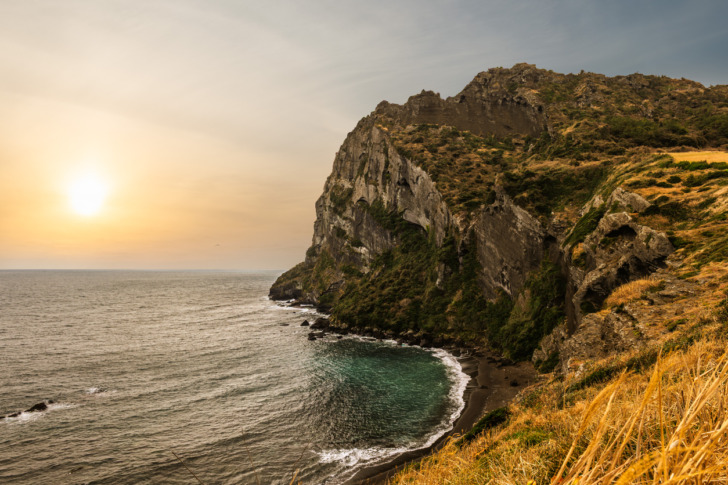
Seogwipo sits along the southern coast of Jeju Island, South Korea’s volcanic paradise, floating between the Korean Peninsula, Japan, and the East China Sea.
If Jeju City is the island’s busy front door, Seogwipo is the scenic back porch, where waterfalls drop near the sea, tangerine farms roll toward black-lava coastlines, and Hallasan rises quietly in the background.
This is one of South Korea’s most naturally dramatic travel spots, with cliff walks, markets, beaches, temples, diving culture, and some of the prettiest coastal roads in East Asia.
From my findings, Seogwipo is a very safe destination overall, but it is not a place to treat carelessly.
The main concerns here are weather, coastal hazards, driving, hiking, and the usual tourist common sense.
Warnings & Dangers in Seogwipo

OVERALL RISK: LOW
Seogwipo is generally very safe for tourists. Violent crime is rare, locals are used to visitors, and South Korea has a strong public safety system. The main risks are not street crime, but natural hazards, slippery trails, sudden weather changes, traffic, and being too relaxed with belongings in tourist areas.

TRANSPORT & TAXIS RISK: LOW
Public buses, rental cars, taxis, and organized tours are generally safe in Seogwipo. Taxis are regulated, but language barriers can make directions tricky, so keep your destination written in Korean. Driving is usually orderly, though rural roads, roundabouts, coastal curves, scooters, and foggy mountain routes require extra attention.

PICKPOCKETS RISK: LOW
Pickpocketing is not a major issue in Seogwipo, especially compared with larger global tourist cities. Still, crowded places like Seogwipo Maeil Olle Market, bus terminals, festivals, and busy waterfall entrances deserve normal caution. Keep your phone and wallet secure, especially when distracted by food stalls or photo stops.

NATURAL DISASTERS RISK: MEDIUM
This is the one category where Seogwipo deserves more attention. Jeju Island can experience typhoons, heavy rain, strong winds, rough seas, flash flooding, landslides, and occasional earthquakes. Coastal walks and waterfalls are gorgeous, but they can become dangerous during storms. Always check weather alerts before hiking, driving, boating, or visiting cliffs.

MUGGING RISK: LOW
Muggings are uncommon in Seogwipo, and most travelers will never feel threatened walking around during the day or early evening. The risk rises slightly if alcohol, isolated roads, late-night walks, or poorly lit coastal paths are involved. Stay in populated areas at night and use taxis when returning from bars or remote restaurants.

TERRORISM RISK: LOW
The terrorism risk in Seogwipo is low. South Korea maintains strong security systems, and Jeju Island is not typically associated with terrorism-related incidents targeting tourists. The broader Korean Peninsula has geopolitical tension, but everyday travel in Jeju remains calm. Visitors should still follow official emergency alerts and local instructions.

SCAMS RISK: LOW
Seogwipo is not known for aggressive tourist scams. Most issues are minor: unclear taxi routes, overpriced private tours, confusing rental car insurance, or restaurants where travelers do not fully understand menu pricing. Book activities through reputable providers, confirm prices in advance, and check rental agreements carefully before signing anything.

WOMEN TRAVELERS RISK: LOW
Women travelers, including solo visitors, generally find Seogwipo safe and manageable. The atmosphere is quieter than in Seoul or Busan, and public spaces are usually orderly. That said, nightlife, alcohol, dating apps, remote trails, and late-night walks still require caution. Share your plans and avoid isolated coastal spots after dark.

TAP WATER RISK: LOW
Tap water in South Korea is generally treated and safe to drink, including on Jeju Island. Many locals and travelers still prefer bottled or filtered water because of taste, not safety. In hotels, cafés, and restaurants, drinking water is easy to find. Bring a reusable bottle if you are hiking or exploring coastal routes.
Safest Places to Visit in Seogwipo
Jungmun Tourist Complex
Jungmun is one of the easiest and safest areas for first-time visitors.
It has major hotels, beaches, museums, gardens, restaurants, and tourist infrastructure packed into a well-maintained resort district.
The roads are cleaner and more organized than in some rural parts of the island, taxis are easier to find, and attractions are clearly marked.
It is a great base for travelers who want comfort without feeling too removed from nature.
Seogwipo Maeil Olle Market
The city’s famous daily market is lively, colorful, and very tourist-friendly.
This is one of the best places to try Jeju mandarins, seafood snacks, black pork dishes, and local street food.
It is usually safe, even at night, though you should keep an eye on your phone and wallet simply because crowds can get tight.
Cheonjiyeon Waterfall and Jeongbang Waterfall
These are two of the most accessible natural attractions in Seogwipo.
Cheonjiyeon has a well-maintained walkway and is especially pleasant in the evening.
Jeongbang is famous because the water falls close to the sea, but the rocks can be slippery, so sturdy shoes matter.
Both are safe when visited in good weather.
Oedolgae Rock and Saeyeongyo Bridge
Oedolgae is a scenic coastal viewpoint with dramatic rock formations and walking paths.
Saeyeongyo Bridge, connecting to Saeseom Island, is another safe and popular place for evening walks.
These areas feel calm and photogenic, but stay behind barriers and avoid getting too close to cliff edges.
Jeju Olle Trails Near the City
Several Jeju Olle walking routes pass through or near Seogwipo.
They are generally safe, well-loved, and beautiful, but choose shorter sections if you are not an experienced walker.
Daylight, water, proper shoes, and weather awareness make all the difference.
Places to Avoid in Seogwipo
Isolated Coastal Areas After Dark
Seogwipo’s coastline is one of its biggest joys, but it can also be one of its biggest hazards.
Remote lava-rock shores, quiet fishing harbors, and cliffside viewpoints are not ideal at night.
Poor lighting, sudden drops, slippery rocks, waves, and limited foot traffic make these places risky even when crime is not the issue.
Waterfall and Cliff Areas During Bad Weather
Avoid waterfalls, ravines, cliffs, and sea-view trails during heavy rain or strong winds.
Seogwipo’s landscapes can change quickly during storms, and a pretty walkway can turn slick or dangerous.
Jeongbang Waterfall, coastal rocks, Oedolgae viewpoints, and exposed Olle Trail sections are best visited in clear conditions.
Remote Trail Sections When Hiking Alone
Jeju’s Olle Trails are wonderful, but some sections around the wider Seogwipo area become quiet, rural, and isolated.
This is not a warning about crime as much as practicality.
If you twist an ankle, run out of water, get lost, or lose your phone battery, help may not be immediate.
Solo hikers should stick to popular sections.
Nightlife Areas When Alcohol Is Involved
Seogwipo is not a wild nightlife city, but restaurants, bars, and karaoke rooms do exist, especially near the city center and resort areas.
The risk is not usually violent crime, but poor decisions, overdrinking, misunderstandings, and walking home alone late.
Take a taxi back to your hotel if you have been drinking.
Rural Roads in Fog, Rain, or at Night
If you rent a car, avoid unfamiliar rural roads after dark whenever possible.
Roads leading toward Hallasan, farms, ports, and smaller villages can be narrow, winding, or poorly lit.
Fog and rain can make visibility worse quickly.
The island is much easier to explore safely when you plan drives during daylight.
Safety Tips for Traveling to Seogwipo
- Take the weather seriously. Seogwipo’s beauty depends on nature, and nature can be moody here. The southern coast may look calm in the morning and turn windy, wet, or foggy by afternoon. Typhoon season, summer downpours, and winter wind can affect ferries, trails, coastal viewpoints, and flights. Before heading to waterfalls, cliffs, beaches, or Hallasan-area roads, check the day’s forecast and pay attention to local warnings. If locals are avoiding the coast, copy them.
- Wear real walking shoes. This is not the place to rely only on flip-flops. Many of Seogwipo’s best attractions include steps, lava rock, damp paths, waterfall spray, uneven coastal trails, and steep viewpoints. Jeongbang Waterfall, Oedolgae, and Olle Trail sections are far more enjoyable with shoes that grip. Slipping is one of the most realistic ways tourists get hurt here, and it is almost always preventable.
- Do not underestimate the ocean. Jeju’s coastline is stunning, but the sea can be powerful. Waves, currents, slippery rocks, and sudden wind gusts can make coastal exploring risky. Avoid climbing on wet rocks for photos, and never turn your back on rough water. If signs warn against swimming, fishing, or approaching a cliff edge, take them seriously. The best photo is not worth a rescue situation.
- Use taxis when tired or out late. Seogwipo is safe, but it is spread out. Walking between attractions, restaurants, hotels, and markets can take longer than expected, especially at night. If you are tired, carrying bags, traveling solo, or returning after drinks, use a taxi. Keep your hotel name and address in Korean on your phone. This makes rides smoother and avoids confusion with similarly named places.
- Be careful with rental cars. Renting a car is one of the best ways to explore Jeju, but read the insurance details carefully. Check the vehicle for scratches before leaving the rental lot, take photos, and understand what is covered. Drive defensively on rural roads, watch for scooters and pedestrians, and avoid rushing between attractions. Jeju looks small on a map, but driving times can stretch.
- Keep valuables secure in markets and buses. Pickpocketing is not common, but low risk does not mean no risk. At Seogwipo Maeil Olle Market, bus stops, festivals, and busy tourist attractions, keep your phone zipped away when not using it. Do not leave bags unattended at cafés or food stalls. Most visitors will have no problem, but simple habits prevent annoying travel headaches.
- Plan hikes before starting. If you are walking Jeju Olle routes or heading toward nature trails, know your route, distance, exit points, and daylight hours. Bring water, snacks, a charged phone, and a light jacket. Some trails pass through villages and cafés, while others feel much quieter. Start earlier than you think you need to, especially in summer heat or winter wind.
- Use translation tools. English is spoken in hotels and tourist areas, but not everywhere. In markets, rural restaurants, taxis, pharmacies, and bus stations, translation apps are extremely helpful. Save key phrases like your hotel address, food allergies, “hospital,” “pharmacy,” and “taxi.” A few Korean basics also go a long way and usually make interactions warmer.
- Avoid risky behavior around waterfalls. Seogwipo’s waterfalls are iconic, but they are not theme-park props. Paths may be wet, railings are there for a reason, and rocks near the water can be treacherous. Stay on official paths, follow closure signs, and do not climb barriers for better photos. During or after heavy rain, water flow can increase, and paths may be temporarily unsafe.
- Respect local emergency alerts. South Korea has a strong emergency alert system, and visitors may receive phone alerts about weather, missing persons, disasters, or safety concerns. They can be startling, especially if you cannot read Korean, but do not ignore them. Use translation tools, ask hotel staff, or check local guidance. In Seogwipo, alerts about wind, rain, waves, or typhoons can directly affect your plans.
So... How Safe Is Seogwipo Really?
Seogwipo is one of those destinations where the safety conversation should be split into two parts: crime and environment.
On the crime side, it is very safe.
South Korea has a low violent crime rate compared with many popular travel countries, and Jeju Island has a calm, community-oriented feel.
Tourists are unlikely to face serious crime, and most visits involve nothing more stressful than a confusing bus route or a rainy day.
The bigger issue is the landscape.
Seogwipo is coastal, volcanic, and weather-exposed.
Waterfalls, cliffs, beaches, hiking trails, and rural roads create the kind of natural risks that do not care how experienced a traveler you are.
Typhoons, strong winds, slick rocks, rough seas, and sudden fog can all turn a relaxed sightseeing day into a problem.
Still, I would comfortably call Seogwipo a low-risk destination for prepared travelers.
Families, solo travelers, couples, retirees, and first-time visitors to Korea can all enjoy it safely.
The key is simple: respect the weather, avoid isolated places at night, use common sense with belongings, and do not treat the ocean or trails like a casual city park.
Do that, and Seogwipo is more peaceful than nerve-racking.
How Does Seogwipo Compare?
| City | Safety Index |
|---|---|
| Seogwipo |
87 |
| Busan |
87 |
| Gangneung |
84 |
| Incheon |
69 |
| Seoul |
85 |
| Jeju City |
86 |
 Platteville Platteville | 85 |
| South Dakota | 77 |
 Frankfurt Frankfurt | 78 |
| Sedona | 83 |
| Hamburg | 80 |
 Zakopane Zakopane | 82 |
Useful Information

Visas
Many tourists can visit South Korea visa-free for short stays, depending on nationality. Some travelers may need a K-ETA or visa before arrival, while others are temporarily exempt under current rules. Requirements can change, so check before booking. Fees are usually modest when authorization is required, and applications are typically completed online.

Currency
Seogwipo uses the South Korean won. Credit cards are widely accepted in hotels, convenience stores, restaurants, and major attractions, but cash is still useful for markets, buses, small eateries, and rural stops. ATMs are common, though international cards may work best at bank ATMs. Exchange money at airports, banks, or use local withdrawals.

Weather
Seogwipo has a milder climate than much of mainland Korea, with warm, humid summers, cool winters, and frequent wind. Summer brings heat, rain, and possible typhoons, while spring and autumn are comfortable for hiking and sightseeing. Pack layers, a light rain jacket, good walking shoes, sun protection, and warmer clothing for mountain areas.

Airports
Jeju International Airport is the main airport for Seogwipo and the entire island. It is located in Jeju City, on the northern side of the island. From there, visitors can reach Seogwipo by airport limousine bus, taxi, rental car, or private transfer. Travel time is usually around one to two hours, depending on traffic and destination.

Travel Insurance
Travel insurance is strongly recommended for Seogwipo, especially if you plan to hike, drive, visit beaches, or travel during typhoon season. A good policy should cover medical care, trip delays, lost luggage, rental car issues, and weather-related disruptions. Jeju is safe, but insurance is the boring little thing you want when plans suddenly get messy.
Seogwipo Weather Averages (Temperatures)
Average High/Low Temperature
| Temperature / Month | Jan | Feb | Mar | Apr | May | Jun | Jul | Aug | Sep | Oct | Nov | Dec |
|---|---|---|---|---|---|---|---|---|---|---|---|---|
| High °C |
9 | 10 | 13 | 18 | 22 | 26 | 29 | 29 | 26 | 21 | 17 | 11 |
| Low °C |
4 | 4 | 7 | 11 | 15 | 19 | 24 | 25 | 21 | 16 | 11 | 6 |
| High °F |
48 | 50 | 55 | 64 | 72 | 79 | 84 | 84 | 79 | 70 | 63 | 52 |
| Low °F |
39 | 39 | 45 | 52 | 59 | 66 | 75 | 77 | 70 | 61 | 52 | 43 |
South Korea - Safety by City
| City | Safety Index |
|---|---|
| Busan | 87 |
| Gangneung | 84 |
| Incheon | 69 |
| Jeju City | 86 |
| Seogwipo | 87 |
| Seoul | 85 |