


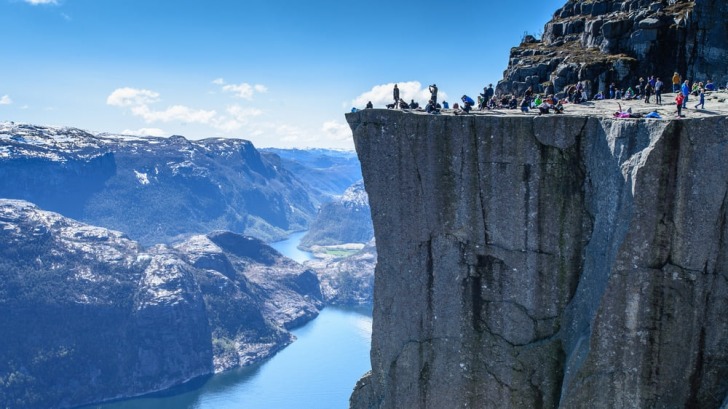
Stavanger sits on Norway’s southwest coast, facing the North Sea and opening onto some of the country’s most dramatic fjord scenery.
It is one of Norway’s oldest cities, but it also feels modern, polished, and easy to navigate, with a compact center, colorful harbor, and strong maritime identity.
Many travelers know Stavanger as the gateway to Lysefjord and Preikestolen, yet the city itself deserves attention for its white wooden houses, museums, food scene, and calm atmosphere.
It is not a place that usually overwhelms visitors with chaos or aggressive tourism.
Instead, Stavanger tends to impress with order, cleanliness, and a sense that things simply work.
For travelers who want a scenic Nordic destination without the stress level of a bigger European city, Stavanger is one of the more reassuring choices.
Warnings & Dangers in Stavanger

OVERALL RISK: LOW
Stavanger is generally a low-risk destination for travelers. Violent crime against tourists is uncommon, public spaces feel orderly, and the city has a strong reputation for safety. Most issues visitors face are minor, such as slippery weather conditions, late-night drunken behavior, or occasional petty theft in busy areas. For most travelers, common sense goes a long way here.

TRANSPORT & TAXIS RISK: LOW
Public transportation in Stavanger is dependable, organized, and generally very safe. Buses are the main option, and travelers usually find them easy to use. Taxis are also safe, though they can be expensive by international standards. The biggest transport concern is not crime but weather, especially rain, wind, and slick surfaces that can affect walking, driving, and ferry trips.

PICKPOCKETS RISK: LOW
Pickpocketing is much less common in Stavanger than in many major European tourist cities, but it is not impossible. Busy areas near the harbor, transport points, events, or crowded cafes are where you should stay alert. This is not a place where travelers constantly need to guard their bags, but leaving valuables unattended is still a bad idea.

NATURAL DISASTERS RISK: LOW
Stavanger does not face major natural disaster risk on a routine basis, but nature can still create hazards. Heavy rain, strong winds, rough coastal weather, and slippery terrain are more realistic concerns than catastrophic events. If you are heading out to hike, take a fjord cruise, or explore rocky shoreline areas, changing weather deserves real respect.

MUGGING RISK: LOW
Mugging risk in Stavanger is low. Street robbery is not a defining problem here, and most visitors will never experience anything close to that. Late at night, especially around nightlife zones, you may encounter intoxicated people or minor disturbances, but violent confrontations involving tourists are uncommon. Staying aware after dark is usually enough.

TERRORISM RISK: MEDIUM
Like most destinations in Europe, Stavanger cannot be treated as risk-free when it comes to terrorism. Norway maintains security awareness, and travelers should stay alert in crowded places, transport hubs, and public events. That said, Stavanger is not widely seen as a high-risk hotspot. The practical risk to the average visitor remains limited, but basic vigilance is wise.

SCAMS RISK: LOW
Classic tourist scams are not a major feature of Stavanger travel. You are less likely to deal with fake petitions, distraction cons, or aggressive street hustling here than in many larger destinations. The more realistic money trap is cost itself. Norway is expensive, and travelers sometimes mistake high legitimate prices for a scam. Always check menus, taxi rates, and booking details.

WOMEN TRAVELERS RISK: LOW
Stavanger is generally a comfortable destination for women traveling alone. Streets are well maintained, the city center is manageable, and public behavior is usually restrained. As in any city, nightlife changes the atmosphere a bit, and late-night drinking zones require more awareness. Still, Stavanger compares very well with many destinations when it comes to solo female travel safety.

TAP WATER RISK: LOW
Tap water in Stavanger is safe to drink, and many travelers find it excellent. You do not need to rely on bottled water for routine use in the city. Bringing a reusable bottle is practical and can save money, which matters in Norway. Unless you are in a very remote outdoor setting and unsure of the source, water quality is not a major concern.
Safest Places to Visit in Stavanger
Gamle Stavanger
Gamle Stavanger is one of the city’s most charming and reassuring areas for visitors.
This old town district, with its white wooden houses and quiet lanes, feels peaceful and easy to explore on foot.
It is best enjoyed during the day or early evening, when you can take your time without much noise or crowd pressure.
The area is residential and photogenic rather than hectic, which makes it ideal for travelers who want a calm city experience.
Vågen Harbor and the City Center
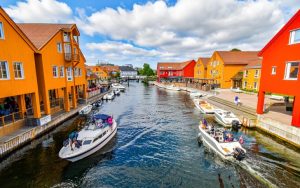
The harbor area around Vågen is one of the main visitor zones and is generally safe, lively, and well kept.
You will find restaurants, cafes, museums, and walking routes with plenty of foot traffic.
That constant activity helps many travelers feel comfortable, especially during the day.
At night, the harbor can get louder because of bars and nightlife, but it still remains one of the most practical and central places to spend time.
Norwegian Petroleum Museum and Family-Friendly Stops
The museum area is a good pick for travelers who want a structured, easy outing.
It is popular with families, well organized, and close to other central attractions.
For visitors who prefer low-stress sightseeing rather than wandering into unfamiliar corners, this part of Stavanger works very well.
Nearby waterfront walks also feel safe and open, which adds to the sense of comfort.
Sverd i fjell and Excursions Outside the Core
Sverd i fjell is a scenic and memorable stop, especially for travelers interested in history, views, and iconic photo spots.
Excursions to places like Flor & Fjære or fjord cruise departures can also feel very safe when booked through established operators.
These spots are best for travelers who want a controlled sightseeing experience with strong infrastructure behind it.
Places to Avoid in Stavanger
Late-Night Bar Areas Around the Harbor
Stavanger does not have many truly dangerous neighborhoods by international standards, but the atmosphere changes late at night around some central bar streets and harbor nightlife spots.
The biggest issue is not targeted crime so much as drunken behavior, arguments, and occasional rowdiness.
If you are not interested in nightlife, it is smart to avoid lingering there very late, especially on weekends.
Isolated Areas After Dark
Some parts of any city feel different once foot traffic drops, and Stavanger is no exception.
Quiet side streets, isolated waterfront stretches, empty parking areas, and less active zones outside the center can feel uncomfortable late at night.
They are not necessarily high-crime areas, but they are the kinds of places where travelers can feel unnecessarily exposed.
Stick to well-lit, active routes when moving around after dark.
Slippery Coastal and Hiking Areas in Bad Weather
One of the most overlooked dangers in Stavanger is not a neighborhood but the natural environment itself.
Rocky viewpoints, wet paths, waterfront edges, and hiking approaches can become hazardous in rain or wind.
Travelers sometimes focus too much on crime and not enough on physical safety.
If conditions are poor, avoid taking chances on slick stone, steep edges, or exposed viewpoints.
Unofficial or Poorly Planned Night Transport Situations
Another thing to avoid is improvising transport when you are tired, wet, or leaving a nightlife area late.
Stavanger is safe, but confusion can still lead to bad decisions, such as getting into the wrong car, overpaying, or walking farther than is sensible in bad weather.
Use licensed taxis, official transit, or preplanned routes instead of winging it.
Safety Tips for Traveling to Stavanger
- Dress for fast-changing weather. Stavanger’s weather can shift quickly, even in warmer months. A pleasant morning can turn windy, wet, and chilly by afternoon. Pack layers, a waterproof jacket, and shoes with decent grip. Travelers who underestimate the weather often end up more uncomfortable than unsafe, but bad footwear and no rain protection can easily turn into a real safety issue.
- Treat coastal paths and rocks with respect. Wet surfaces near the sea can be surprisingly slick. Even if a viewpoint or shoreline area looks calm, rain, sea spray, and wind can make walking dangerous. Move slowly, avoid risky selfies near edges, and do not assume a scenic stop is harmless just because it is popular.
- Stay alert in busy harbor areas. Stavanger is not famous for heavy street crime, but crowded areas are still where petty theft is most likely. Keep your phone secure, zip your bag, and do not leave valuables on cafe tables or bench seats. You do not need to be paranoid, just a little harder to target than the most distracted tourist nearby.
- Use licensed taxis and official transport options. Transport is generally safe, but prices can be high, so clarity matters. Use official taxis, known ride arrangements, or public buses. If you are arriving late at night or landing in bad weather, decide how you are getting into town before you leave the airport.
- Do not underestimate Norway’s prices. Financial stress can create safety problems too. Stavanger is expensive, and travelers who do not plan for that sometimes make poor choices, like walking long distances late at night, skipping essentials, or rushing into bad bookings. Budget realistically so you are not forced into uncomfortable situations.
- Be extra cautious around nightlife on weekends. Stavanger is usually calm, but weekends can bring noisy drinking scenes in central nightlife spots. That does not make the city dangerous, but it does change the vibe. If you are solo, tired, or not interested in that environment, head back earlier or stay on better-lit, busier streets.
- Check weather and excursion conditions before day trips. Many travelers use Stavanger as a base for fjord cruises and hikes. Before heading out, confirm the forecast and any operator updates. Strong wind, rain, and rough conditions can affect schedules and safety. A trip that looks easy on social media can feel very different in real weather.
- Carry a charged phone and basic offline info. Download maps, save your accommodation address, and keep transport details handy. Stavanger is easy to navigate, but arriving in rain, darkness, or after a delayed flight is easier when you are not fully dependent on live data and battery life.
- Drink responsibly in a city where alcohol is pricey and strong. Norway’s bar scene is not wild by global standards, but alcohol can still lead travelers to misjudge distances, weather, and late-night decisions. Know your limits, especially if you are walking near water or heading back to your hotel alone.
- Buy travel insurance before you go. Stavanger is safe, but safe places still come with costs when things go wrong. Delayed flights, canceled excursions, lost bags, medical issues, or an injury on a slippery trail can all become expensive fast. Insurance is one of the smartest safety decisions you can make before the trip even starts.
So... How Safe Is Stavanger Really?
Stavanger is one of the safer urban destinations in Europe for the average traveler.
It benefits from Norway’s strong infrastructure, relatively low crime levels, dependable public services, and a city layout that feels manageable rather than chaotic.
Most visitors are not worrying about robbery, harassment, or constant scam attempts.
Instead, the bigger concerns are practical: wet weather, slippery surfaces, late-night drinking culture in certain central spots, and the cost of mistakes in an expensive country.
That distinction matters.
In many cities, traveler safety advice focuses on criminal threats.
In Stavanger, good judgment is more likely to protect you from accidents and inconvenience than from serious crime.
Petty theft can happen, especially in busier areas, but it is not the defining visitor risk.
Solo travelers, women, families, and older visitors often find the city comfortable because it is clean, walkable, and generally orderly.
The city’s role as a gateway to fjord landscapes adds another layer.
Many of the most memorable experiences around Stavanger involve nature, and nature does not care how safe the city center feels.
If you pair normal urban awareness with sensible outdoor caution, Stavanger is a very reassuring place to visit.
For most travelers, it falls firmly into the low-risk category.
How Does Stavanger Compare?
| City | Safety Index |
|---|---|
 Stavanger Stavanger |
80 |
| Oslo |
90 |
| Bergen |
71 |
| Kristiansand |
81 |
| Trondheim |
86 |
 Wears Valley Wears Valley | 78 |
 Montpellier Montpellier | 48 |
| Riverside | 57 |
 Faro Faro | 84 |
| Johns Creek | 91 |
 Taipei Taipei | 78 |
Useful Information

Visas
Norway is part of the Schengen Area, so many travelers can visit for up to 90 days within a 180-day period without a visa, depending on nationality. Travelers who do need a visitor visa should apply in advance and check current fees and document requirements before booking. Make sure your passport validity also meets Schengen entry rules.

Currency
The local currency is the Norwegian krone, often written as NOK. Cards are widely accepted in Stavanger, and many travelers use them for nearly everything, from buses to coffee. Exchanging a small amount of cash can be useful, but relying on your card is usually the easiest option. Watch foreign transaction fees, because Norway is expensive.

Weather
Stavanger has a coastal climate, which means frequent rain, wind, and fast weather changes. Summers are usually mild rather than hot, while winters are chilly, damp, and often gray. Pack layers, a waterproof outer layer, and comfortable shoes that can handle wet streets. Even in summer, bringing a light jacket is a smart move.

Airports
The main airport is Stavanger Airport, Sola, which serves domestic and international flights and sits a short drive from the city. Getting into Stavanger is usually straightforward by airport bus, taxi, or rental car. The airport connection is one of the easier parts of visiting the city, though weather can occasionally affect travel timing.

Travel Insurance
Travel insurance is strongly recommended for Stavanger, even though the city is considered safe. Medical treatment, transport disruptions, and canceled outdoor activities can be costly in Norway. A good policy can help with emergencies, delays, theft, and trip interruptions. In an expensive destination, insurance is not just sensible, it can save you a lot of stress.
Stavanger Weather Averages (Temperatures)
Average High/Low Temperature
| Temperature / Month | Jan | Feb | Mar | Apr | May | Jun | Jul | Aug | Sep | Oct | Nov | Dec |
|---|---|---|---|---|---|---|---|---|---|---|---|---|
| High °C |
4 | 4 | 5 | 8 | 11 | 14 | 16 | 17 | 15 | 11 | 8 | 6 |
| Low °C |
2 | 1 | 3 | 5 | 8 | 11 | 13 | 14 | 12 | 9 | 6 | 3 |
| High °F |
39 | 39 | 41 | 46 | 52 | 57 | 61 | 63 | 59 | 52 | 46 | 43 |
| Low °F |
36 | 34 | 37 | 41 | 46 | 52 | 55 | 57 | 54 | 48 | 43 | 37 |
Norway - Safety by City
| City | Safety Index |
|---|---|
| Bergen | 71 |
| Kristiansand | 81 |
| Oslo | 90 |
| Stavanger | 80 |
| Trondheim | 86 |














Good for hiking, climbing and surf
If you like climbing or hiking this is a great place to visit. A great place to visit with a group of friends that like the outdoors. You’ll have lots of fun and you can do some quality surfing here as well. You’ll see lots of tourists especially in the summer so if you don’t like tourists (some people don’t) then don’t come here in the summer.
Stavanger feels like a hidden gem where the stunning landscapes make every hike rewarding, and the vibe at Solastranden during summer is just unbeatable with all the surfers catching small waves.
When I stood on Solastranden with sand between my toes and the small waves tickling the shore, did you ever feel that bittersweet awe watching cruise ships line up in the fjord?
After clambering up a rocky trail and then sitting on Solastranden with sand between my toes I felt a kind of calm I didn’t expect, even with cruise ships anchored off the coast.
Can’t believe how the small waves at Sola Beach actually made surfing fun, I was grinning like an idiot the whole afternoon.
Walking past the white wooden houses toward the harbor at dusk, with gulls squawking and that tang of seaweed in the air, I actually felt my shoulders drop for the first time in weeks.
I wasn’t expecting the harbor to be so quiet in the evening, just enough buzz to feel alive without the usual tourist crowds getting in the way.
Spent a weekend wandering around those white wooden houses and couldn’t get over how peaceful everything felt compared to other places I’ve been, like it really lets you slow down and just enjoy the views without feeling rushed.