


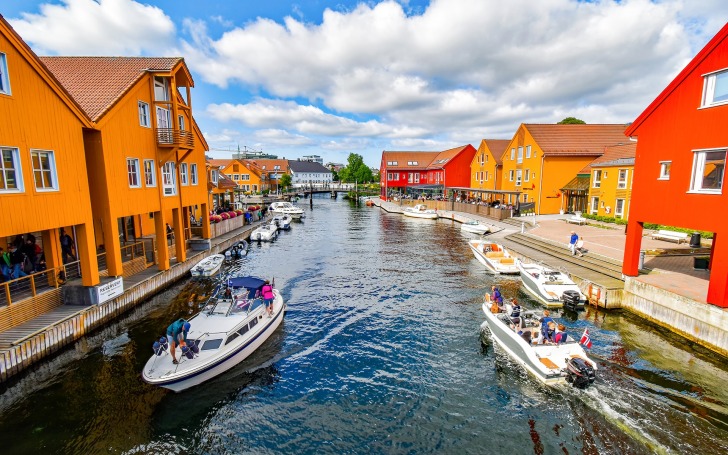
Kristiansand sits on Norway’s southern coast, where the Skagerrak meets a city that feels part seaside escape and part polished Scandinavian hub.
It is often called one of Norway’s great summer cities, and it is easy to see why.
You get waterfront promenades, sandy beaches, ferries, family attractions, old wooden streets, and a downtown that stays lively without feeling chaotic.
Compared with bigger Nordic cities, Kristiansand moves at a gentler pace, which is part of its charm.
From a traveler’s point of view, Kristiansand is one of those places that feels organized, walkable, and easy to understand almost immediately.
Public spaces are generally clean, transport is dependable, and violent crime against tourists is uncommon.
That does not mean you should switch your brain off.
Nightlife, petty theft, slippery winter conditions, and the occasional scam or alcohol-fueled confrontation can still catch careless visitors off guard.
Still, for most people, Kristiansand is a low-stress destination and one of the safer city breaks in Northern Europe.
Warnings & Dangers in Kristiansand

OVERALL RISK: LOW
Kristiansand is generally a low-risk destination for tourists. Violent crime is uncommon, the city is well maintained, and travelers usually find it easy to move around safely. Most problems tend to be minor, such as late-night disturbances, drunken behavior around nightlife, or opportunistic theft. Normal city awareness is usually enough for a smooth trip.

TRANSPORT & TAXIS RISK: LOW
Transport in Kristiansand is reliable and straightforward. Buses are organized, roads are in good condition, and the airport connection is simple. Taxis are generally safe, though they can be expensive by international standards. The bigger concern is not crime but cost and, in winter, slippery roads or sidewalks that require extra caution.

PICKPOCKETS RISK: LOW
Pickpocketing is not a defining issue in Kristiansand, especially compared with major tourist capitals in Europe. Still, crowded summer events, transit points, and nightlife areas can create opportunities for opportunistic thieves. Visitors who leave phones on café tables or bags hanging open are far more likely to have trouble than those using basic precautions.

NATURAL DISASTERS RISK: LOW
Kristiansand is not known for catastrophic natural disasters. Travelers are far more likely to deal with unpleasant weather than a major emergency. Strong winds, heavy rain, rough coastal conditions, and icy winter surfaces are the main practical hazards. If you are hiking, boating, or visiting in colder months, weather awareness matters more than disaster fear.

MUGGING RISK: LOW
Mugging is uncommon in Kristiansand. Most visitors will never encounter anything close to it. The risk rises slightly late at night near bars, clubs, or isolated spots after heavy drinking hours, especially if someone is visibly intoxicated or argumentative. Avoiding confrontations and choosing well-lit routes keeps this risk very low.

TERRORISM RISK: MEDIUM
Kristiansand itself is not a city commonly associated with terrorist incidents, but Norway, like other European countries, maintains a standing national threat environment. For travelers, that means the practical day-to-day risk remains low, but it is sensible to stay aware in transport hubs, crowded events, and public gatherings, especially during peak travel periods.

SCAMS RISK: LOW
Scam risk in Kristiansand is low. You are much less likely to face the aggressive tourist cons seen in heavily visited capitals. The bigger danger is overpaying, especially for taxis, meals, or last-minute travel services, rather than being deliberately cheated. Online booking fraud and fake rental offers are bigger concerns than street scams.

WOMEN TRAVELERS RISK: LOW
Kristiansand is generally comfortable for women traveling alone. Streets are orderly, public transport is dependable, and locals usually keep a respectful distance. As in any city, caution still matters after dark, especially around nightlife and isolated waterfront stretches. Solo women who use normal precautions usually find Kristiansand easy, calm, and manageable.

TAP WATER RISK: LOW
Tap water in Kristiansand is safe to drink and is one of the easiest travel conveniences in Norway. Most visitors can confidently refill bottles instead of buying water. The main exception is untreated natural water on hikes or in rural areas, where runoff and local conditions can make direct drinking less predictable.
Safest Places to Visit in Kristiansand
Posebyen
Posebyen is one of the safest and most pleasant areas for travelers.
This old quarter, with its traditional white wooden houses and quiet streets, feels more residential than rowdy.
It is ideal for slow walks, casual photography, and relaxed sightseeing.
Because it lacks intense nightlife and heavy traffic, it is usually one of the calmest parts of the city.
Fiskebrygga and the Waterfront
Fiskebrygga, the old fish quay area, is lively but usually well suited for visitors.
During the day and early evening, it is one of the best places to enjoy the harbor atmosphere, seafood restaurants, and canal views.
It is busy enough to feel secure, especially in summer, but not so chaotic that it feels overwhelming.
Bystranda and the City Beach Area
Bystranda is a good example of Kristiansand’s easygoing character.
In warm weather, it is popular with families, couples, and day-trippers, which helps create a safe environment during daylight hours.
The nearby promenade is also pleasant for walking.
It is a good place to enjoy the coast without venturing into remote or less monitored areas.
Ravnedalen and Central Green Spaces
Ravnedalen Nature Park is a favorite for visitors who want scenery without leaving the city behind.
It offers a blend of nature and accessibility, which is a strong safety combination.
You get the beauty of cliffs, greenery, and walking paths while still remaining close to a developed urban area.
For travelers who want a peaceful outing, this is one of the better choices.
Places to Avoid in Kristiansand
Late-Night Nightlife Pockets in Kvadraturen
Kvadraturen, the central grid of the city, is not dangerous in a broad sense, but certain nightlife corners become less pleasant late at night.
The issue is usually not predatory crime but alcohol.
Arguments, disorderly behavior, and occasional fights are more likely around bars and clubs after closing time.
If you are not part of the nightlife scene, it is best to head back before the atmosphere changes.
Isolated Waterfront Sections After Dark
Kristiansand’s waterfront is beautiful, but not every stretch feels equally comfortable late at night.
Quieter harbor edges, marina areas, and less populated walking routes can feel isolated after dark, especially outside the summer season.
These are not places most travelers need to fear, but they are the kind of areas where poor lighting and low foot traffic can make people feel vulnerable.
Transit Areas When Nearly Empty
Bus stops, parking zones, and quieter approach roads around transport points can feel deserted late in the evening.
Again, this is more about comfort and situational risk than a high crime warning.
If you arrive on a late connection, it is smarter to use a direct taxi or stay on well-used routes instead of wandering with luggage while checking maps.
Remote Coastal or Natural Areas in Bad Weather
Some of the places travelers should avoid are not urban neighborhoods at all.
Coastal rocks, forested paths, and exposed walking areas become riskier in rain, wind, or ice.
In Kristiansand, physical conditions can create more danger than crime.
Slippery surfaces and fast-changing weather deserve more respect than the average tourist initially gives them.
Safety Tips for Traveling to Kristiansand
- Keep nightlife decisions boring and smart. Kristiansand is safest when you avoid turning a calm evening into a messy one. If you go out, watch your drink, stay aware of who is around you, and leave before crowds get sloppy. Most traveler incidents here start with alcohol, not with the city itself being unsafe.
- Dress for the weather, not the photos. Southern Norway can look inviting, but wind, rain, and cold can show up quickly. Good shoes, a waterproof layer, and clothing you can layer are more useful than fashion-first packing. Wet and slippery conditions cause more practical trouble than crime for many visitors.
- Do not assume summer safety rules apply in winter. Kristiansand feels very easy in warm weather, but winter changes things. Sidewalks can be icy, daylight is shorter, and quieter areas can empty out early. Slow down, use shoes with grip, and do not underestimate how quickly a simple walk can become risky.
- Use official taxis or trusted transport apps and numbers. Taxis are usually safe, but they are expensive. Confirm the route, ask about the estimated fare if you are unsure, and avoid random arrangements with drivers who are not clearly operating as licensed services. This is more about avoiding confusion and overspending than avoiding danger.
- Keep your belongings closed and close. Kristiansand is not a pickpocket hotspot, but no city is theft-proof. Use zipped bags, do not leave your phone on restaurant tables, and keep wallets out of back pockets during events or in busy transport areas. Small thefts often depend on easy opportunities.
- Stick to well-lit routes at night. Even in a low-crime city, isolation changes the equation. After dark, choose main streets over shortcuts, especially if you are unfamiliar with the area. The extra few minutes are worth it, particularly around quiet waterfront areas and less active side streets.
- Check conditions before coastal walks or boat trips. The sea and shoreline are major parts of Kristiansand’s appeal, but they are also where weather can matter fast. Wind, rain, and slick rock surfaces can make beautiful places surprisingly hazardous. If locals seem cautious, that is your cue to be cautious too.
- Book accommodation and rentals carefully. Scam risk is low on the street, but online fraud can happen anywhere. Use reputable booking platforms, verify addresses, and be suspicious of listings that look far cheaper than the local norm. In a city where prices are generally high, an unbelievably cheap deal usually deserves extra scrutiny.
- Carry a backup payment option. Norway is very card-friendly, but travelers should not rely on one bank card and hope for the best. Bring a second card and notify your bank before travel. A payment issue in an expensive country becomes stressful quickly, even if it is not technically a safety problem.
- Respect local calm and personal space. Kristiansand is friendly, but it is not loud in the way some tourist cities are. Visitors who stay respectful, avoid public drunkenness, and follow local norms tend to have smoother experiences. Drawing unnecessary attention to yourself is one of the easiest ways to invite the wrong kind of situation anywhere.
So... How Safe Is Kristiansand Really?
Kristiansand is, in practical terms, a very safe place for most travelers.
If you compare it with high-traffic European cities where pickpocketing, aggressive scams, and tourist-targeted street crime are common, Kristiansand feels noticeably more controlled and less predatory.
The city benefits from Norway’s broader reputation for strong public services, good infrastructure, and generally low violent crime levels.
That said, calling it safe does not mean there is zero risk.
Petty theft can happen, especially when visitors get careless in busy summer areas.
Nightlife can bring the usual late-night problems, mostly involving intoxicated people rather than targeted attacks on tourists.
For many travelers, the more realistic risks are weather, slippery surfaces, transport costs, and poor decisions after dark.
What makes Kristiansand especially manageable is that the danger points are pretty predictable.
Stay alert in nightlife zones, avoid isolated areas late at night, secure your valuables, and pay attention to the weather.
Do that, and the city is likely to feel easy, clean, and refreshingly low stress.
For solo travelers, couples, families, and even first-time visitors to Norway, Kristiansand is one of those destinations where common sense goes a very long way and the overall safety picture is genuinely reassuring.
How Does Kristiansand Compare?
| City | Safety Index |
|---|---|
 Kristiansand Kristiansand |
81 |
| Stavanger |
80 |
| Trondheim |
86 |
| Bergen |
71 |
| Oslo |
90 |
 Salina Salina | 62 |
 Budva Budva | 75 |
 Perugia Perugia | 60 |
| La Vista | 74 |
| Delaware | 70 |
 Campinas Campinas | 57 |
Useful Information

Visas
Norway is part of the Schengen Area. Many travelers, including visitors from the United States, the United Kingdom, Canada, Australia, and much of Europe, can enter for up to 90 days within a 180-day period without a visa. Travelers from countries that require a Schengen visa should apply before arrival and check passport validity carefully.

Currency
Kristiansand uses the Norwegian krone, abbreviated as NOK. Cards are widely accepted almost everywhere, often even for small purchases, so you do not need much cash. Exchange money at banks, airports, or reputable exchange offices if necessary, but using a debit or credit card with low foreign transaction fees is usually the easiest option.

Weather
Kristiansand has mild summers and chilly, damp winters compared with many northern destinations. Summer is the easiest season for sightseeing, but rain can appear any time. Pack layers year-round, add a waterproof jacket, and bring sturdy shoes. In colder months, warm clothing and good grip on footwear matter more than travelers often expect.

Airports
Kristiansand Airport Kjevik is the main airport for the city and sits a short drive from the center. Bus connections make it fairly easy to reach downtown, and taxis are available but expensive. Some travelers also arrive by ferry or rail connections through Southern Norway, depending on where they are coming from.

Travel Insurance
Travel insurance is a smart idea for Kristiansand, even though the city is low risk. Medical emergencies, flight delays, lost baggage, canceled bookings, and weather-related disruptions can all turn expensive fast in Norway. A solid policy gives peace of mind and can save a lot of money if even a small part of the trip goes sideways.
Kristiansand Weather Averages (Temperatures)
Average High/Low Temperature
| Temperature / Month | Jan | Feb | Mar | Apr | May | Jun | Jul | Aug | Sep | Oct | Nov | Dec |
|---|---|---|---|---|---|---|---|---|---|---|---|---|
| High °C |
2 | 2 | 5 | 9 | 14 | 17 | 19 | 18 | 16 | 11 | 7 | 4 |
| Low °C |
-1 | -1 | 1 | 4 | 8 | 11 | 13 | 13 | 11 | 8 | 4 | 1 |
| High °F |
36 | 36 | 41 | 48 | 57 | 63 | 66 | 64 | 61 | 52 | 45 | 39 |
| Low °F |
30 | 30 | 34 | 39 | 46 | 52 | 55 | 55 | 52 | 46 | 39 | 34 |
Norway - Safety by City
| City | Safety Index |
|---|---|
| Bergen | 71 |
| Kristiansand | 81 |
| Oslo | 90 |
| Stavanger | 80 |
| Trondheim | 86 |















Great in summer
Beautiful city and overall pretty safe. Been there 4 times to visit family. You got the climate pretty wrong. Norway spans 1,752 km (1,089 mi) from south to north so its very different climate in the south. Winters are somewhat cold but it rarely snows more than a couple of days in the winter. Summers are hot and sunny average 25-30+ celsius because of the gulf stream.
They have palm trees and beaches in the south. I recommend a visit during summer may-september. Æ liår kristiansand.
I went to Fiskebrygga expecting a bustling market scene but found it more touristy than I’d hoped; still, the views were nice.
Spent so many evenings just wandering along Strandpromenaden with an ice cream, and this really reminds me how lucky we are to have both the sea and little corners like Posebyen and Fiskebrygga so close together.
Strolling the old wooden streets at dusk, I still grin when the ferries roll by and the sea breeze hits my face.
Spent an afternoon walking the wooden streets and couldn’t believe how peaceful it was compared to other cities I’ve visited.