


 Thailand : Safety by City
Thailand - safety as a country
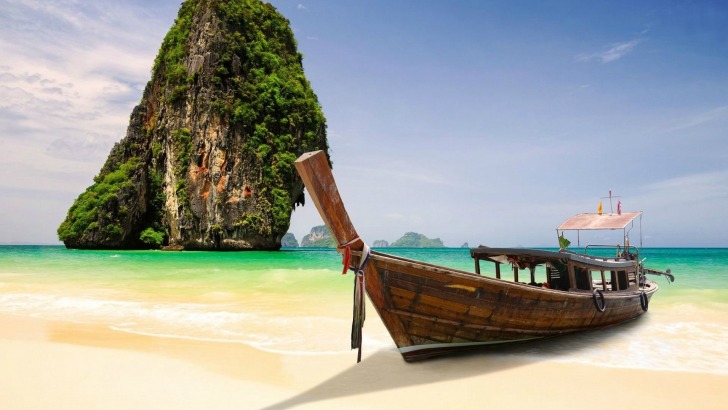
Krabi sits on Thailand’s Andaman coast in the country’s south, famous for towering limestone cliffs, long-tail boats, mangrove forests, island-hopping routes, and beaches that look almost unreal at sunset.
For many travelers, Krabi is the postcard version of Thailand: Railay’s dramatic rock walls, Ao Nang’s lively beachfront, and the Phi Phi and Hong Islands within easy reach.
It is also one of those destinations that can feel relaxed and easygoing while still demanding a little common sense.
Krabi is not usually a place travelers fear for violent crime, but it is a place where weather, water conditions, traffic, scams, and alcohol-fueled poor decisions can quickly create problems.
In my view, Krabi is generally a safe destination for tourists who plan sensibly, stay alert around transport and nightlife, and respect the sea.
Warnings & Dangers in Krabi

OVERALL RISK: LOW
Krabi is generally a low-risk destination for tourists compared with many major beach hubs around the world. Most visits are trouble-free, and the typical issues are petty theft, road accidents, nightlife scams, and seasonal weather disruptions rather than serious violent crime. Travelers who use normal precautions usually find Krabi easy to navigate and enjoyable.

TRANSPORT & TAXIS RISK: MEDIUM
Transport risk in Krabi is less about organized danger and more about inconsistent standards. Road accidents are one of the biggest concerns in Thailand, especially for scooters and motorcycles, which many tourists rent casually. Taxis, songthaews, boats, and transfer vans are widely available, but prices can vary, and sea transport may be affected by rough weather.

PICKPOCKETS RISK: LOW
Pickpocketing in Krabi exists, but it is not usually the defining tourist problem. You are more likely to encounter opportunistic theft than highly coordinated pickpocket gangs. Busy walking streets, ferry piers, beaches, bars, and transport hubs are the most likely places to lose a phone, wallet, or unattended bag if you get careless.

NATURAL DISASTERS RISK: MEDIUM
Natural disaster risk is real in Krabi, mainly from heavy rain, flash flooding, strong waves, rough seas, and storm-related boat disruption during the wet season. The region’s coastline also keeps tsunami awareness in the conversation, even though such events are rare. Weather is one of the biggest factors that can suddenly change a safe day into a risky one.

MUGGING RISK: LOW
Mugging is not one of the most common tourist threats in Krabi. Violent street robbery is relatively uncommon in the main tourist areas compared with petty theft and scams. That said, isolated roads, intoxication, late-night beach routes, and disputes involving nightlife can raise your vulnerability, especially if you are alone and visibly distracted.

TERRORISM RISK: LOW
For Krabi itself, terrorism risk is low for the average visitor, but Thailand as a whole does carry a background security risk. The country’s most serious insurgency concerns are concentrated much farther south. In Krabi, this is not usually what travelers worry about day to day, though staying aware in crowded public areas is always wise.

SCAMS RISK: MEDIUM
Scams are one of the more realistic nuisances travelers face in Krabi. Inflated taxi fares, jet ski disputes, misleading tour promises, bar overcharging, and scooter damage claims are all more likely than outright crime. Most scams are designed to exploit confusion, urgency, or tourists who do not ask prices clearly before agreeing.

WOMEN TRAVELERS RISK: LOW
Krabi is often comfortable for women travelers, including solo visitors, especially in established tourist zones like Ao Nang and Railay. Still, common sense matters. Drink spiking, harassment, and bad late-night transport choices are bigger concerns than random violence. Women who stay aware, avoid over-intoxication, and use reputable transport usually do very well here.

TAP WATER RISK: HIGH
I would not recommend drinking tap water in Krabi. Even if locals use it for daily life, visitors often do better sticking to sealed bottled water or properly filtered water. Ice and food hygiene are usually manageable at busy reputable places, but untreated tap water can easily derail a trip with stomach issues.
Safest Places to Visit in Krabi
Ao Nang
Ao Nang is one of the safest and easiest bases for most travelers.
It is busy, tourist-oriented, and full of hotels, restaurants, pharmacies, tour counters, and transport options, which makes it practical if something goes wrong.
The main risks here are more about inflated prices, nightlife carelessness, and traffic than serious crime.
For first-time visitors, this is often the least stressful place to stay.
Railay Beach
Railay feels secluded, but it is also one of Krabi’s most beloved and well-trodden tourist areas.
Because access is mainly by boat, it has a contained, resort-like feel that many visitors find comfortable.
It is generally safe for walking, beach time, and rock climbing, though travelers should still be cautious around slippery paths, boat boarding, and late-night drinking near beach bars.
Koh Lanta
Technically part of Krabi Province and often included in a broader Krabi trip, Koh Lanta is known for being calmer and less chaotic than some other Thai beach destinations.
It appeals to families, couples, and travelers who want a slower pace.
The atmosphere is laid back, and the main safety issues are road conditions, rented scooters, and changing sea conditions.
Hong Islands and Guided Island Tours
The Hong Islands can be a wonderful day trip when booked through a reputable operator.
Organized tours reduce the guesswork around routes, tides, timing, and safety gear.
In my view, guided island-hopping with established companies is safer than making last-minute choices with unclear operators, especially during the wetter months when sea conditions can shift quickly.
Places to Avoid in Krabi
Isolated Roads and Dark Beach Areas at Night
Krabi is not packed with famous no-go neighborhoods, but isolated areas become much riskier after dark.
Quiet access roads, poorly lit stretches near beaches, and empty side streets around nightlife zones are places where theft, harassment, or bad judgment become more likely.
This matters most if you are walking alone late after drinking.
Unregulated Scooter Routes and Steep Coastal Roads
Some of the biggest danger zones in Krabi are not neighborhoods at all, but roads.
Tourists often underestimate how risky scooters can be on wet, uneven, or unfamiliar roads, especially around hills, curves, and busy junctions.
If you are inexperienced, these areas are worth avoiding entirely.
A scenic route is not worth a hospital visit.
Questionable Tour and Jet Ski Setups
Be cautious around any beachfront or roadside vendor that seems vague about pricing, deposits, insurance, or damage policy.
While Krabi is not the worst place in Thailand for this, disputes over rentals and excursions do happen.
I would avoid operators who rush you, skip paperwork, or seem annoyed when you ask basic safety questions.
Rough Beaches During Monsoon Conditions
During the wet season, some beaches and sea routes become risky even if they still look inviting.
Strong currents, rough surf, sudden storms, and reduced visibility can make swimming or long-tail transfers more dangerous than many tourists realize.
Avoid entering the water where warning flags are posted or when locals are clearly staying out.
Safety Tips for Traveling to Krabi
- Do not rent a scooter unless you are truly comfortable riding one. This is probably the biggest practical safety tip for Krabi. Many tourists treat scooters like a vacation accessory, then discover steep roads, rain-slick surfaces, loose sand, and unpredictable traffic. If you are not experienced, use taxis, hotel transfers, or shared transport instead.
- Ask for the full price before getting into any taxi, long-tail boat, or transfer van. A simple upfront price check prevents a huge number of arguments. Confirm whether the price is per person or per vehicle, and whether luggage, pier fees, or hotel drop-off are included.
- Book island tours with established operators, not the first random offer you hear. Reputable tour companies are more likely to provide life jackets, reliable schedules, weather awareness, and clearer refund rules. Cheap last-minute deals can cost more later if the service is chaotic or unsafe.
- Respect weather warnings, especially during the wet season. In Krabi, weather is not background decoration. Rain, rough seas, and strong currents can cancel boats, limit visibility, and make swimming dangerous. If staff, boat crews, or local warnings say conditions are bad, listen.
- Keep your valuables minimal and your bag attended. You do not need to travel around Krabi with your passport, extra bank cards, and a stack of cash. Carry only what you need for the day and use hotel safes where available. Most losses here come from carelessness, not master criminals.
- Drink carefully in nightlife areas. Krabi is fun, but beach-town energy can make people sloppy. Watch your drinks, do not leave them unattended, and avoid getting heavily intoxicated around strangers. Trouble usually follows alcohol, not sightseeing.
- Choose busy restaurants and food stalls. Good turnover is your friend. Places that are clean, busy, and actively cooking food fresh are usually better bets than empty stalls with food sitting out. A food issue can ruin several days of a beach trip.
- Do not drink the tap water. Stick with sealed bottled water or trusted filtered water. Use the same caution with ice if you are somewhere that looks questionable. Hydration matters in Krabi’s heat, but so does keeping your stomach calm.
- Be extra cautious when boarding boats. A surprising number of minor injuries happen while getting on or off long-tail boats, especially on wet surfaces or uneven shorelines. Wear secure footwear, keep one hand free, and do not rush just because everyone else is moving fast.
- Stay alert, but do not become paranoid. Krabi is usually enjoyable and manageable. The right mindset is not fear. It is calm awareness. Know where you are going, keep your phone charged, save your hotel address, and make smart transport choices after dark.
So... How Safe Is Krabi Really?
Krabi is one of those destinations I would describe as broadly safe for travelers, but not carefree.
Most tourists come for beaches, island tours, climbing, and relaxed resort stays, and most leave with great memories rather than safety stories.
The problems that do happen in Krabi are usually practical and preventable: scooter crashes, alcohol-related mistakes, weather-related boat issues, petty theft, or arguments over tourist pricing.
That is why Krabi feels safer than many urban destinations while still demanding respect.
The major risk profile is not centered on violent crime.
It is centered on environment, transport, and tourist behavior.
If you take out reckless scooter driving, excessive drinking, and ignoring sea warnings, the destination becomes dramatically safer.
For solo travelers, couples, families, and even first-time Thailand visitors, Krabi can be a very good choice.
Ao Nang offers convenience, Railay offers beauty with manageable logistics, and the wider province has enough tourism infrastructure that help is usually not far away.
My honest take is this: Krabi is safe for travel for most people, provided you treat it like a real destination rather than a fantasy postcard.
The ocean, the roads, and your own decisions matter far more here than street crime.
How Does Krabi Compare?
| City | Safety Index |
|---|---|
| Krabi |
70 |
| Bangkok |
65 |
| Pattaya |
55 |
| Chiang Rai |
77 |
| Kanchanaburi |
77 |
| Phuket |
65 |
| Chiang Mai |
80 |
 Elgin Elgin | 88 |
| Shelbyville | 86 |
 Durban Durban | 38 |
 Taupo Taupo | 87 |
 Merida Merida | 82 |
 Soldeu Soldeu | 92 |
Useful Information

Visas
Thailand currently allows many tourists to enter visa-free for short stays, often up to 60 days, though rules can change. Your passport should usually have at least six months of validity. Always check the latest entry requirements before flying, and remember that extensions and immigration fees may apply if you stay longer.

Currency
The local currency is the Thai baht. In Krabi, cash is still useful for small purchases, local transport, and markets, though cards are widely accepted in hotels and larger restaurants. Use bank ATMs or reputable exchange counters rather than changing money at random tourist kiosks with unclear rates.

Weather
Krabi is hot and tropical year-round. The driest and most comfortable stretch is usually from about November to March, while the wetter monsoon season typically runs from roughly May into October. Pack light breathable clothing, sandals, sunscreen, and a compact rain jacket if traveling outside the dry season.

Airports
Krabi International Airport is the main gateway to the region and sits within easy reach of Ao Nang and Krabi Town. Many travelers arrive there directly, while others also use Phuket and connect by road or ferry. From the airport, you can reach tourist areas by taxi, shared minivan, shuttle bus, or hotel transfer.

Travel Insurance
Travel insurance is absolutely worth it for Krabi. This is especially true if you plan to take boat trips, go rock climbing, rent vehicles, or join adventure activities. Medical treatment, transport disruption, lost belongings, and weather-related cancellations can get expensive quickly, so insurance is one purchase I would not skip.
Krabi Weather Averages (Temperatures)
Average High/Low Temperature
| Temperature / Month | Jan | Feb | Mar | Apr | May | Jun | Jul | Aug | Sep | Oct | Nov | Dec |
|---|---|---|---|---|---|---|---|---|---|---|---|---|
| High °C |
31 | 32 | 33 | 33 | 32 | 31 | 31 | 31 | 30 | 30 | 30 | 30 |
| Low °C |
23 | 23 | 24 | 25 | 25 | 25 | 24 | 24 | 24 | 24 | 24 | 23 |
| High °F |
88 | 90 | 91 | 91 | 90 | 88 | 88 | 88 | 86 | 86 | 86 | 86 |
| Low °F |
73 | 73 | 75 | 77 | 77 | 77 | 75 | 75 | 75 | 75 | 75 | 73 |
Thailand - Safety by City
| City | Safety Index |
|---|---|
| Ayuthaya | 79 |
| Bangkok | 65 |
| Chiang Mai | 80 |
| Chiang Rai | 77 |
| Kanchanaburi | 77 |
| Krabi | 70 |
| Pattaya | 55 |
| Phuket | 65 |















Not sure how much time I’d spend in Krabi Town when the beaches are so close by, but it does have a nice vibe that feels a bit more authentic.
I actually liked slowing down in Krabi Town for a night, just wandering the quiet streets and eating at a little noodle stall by the river instead of rushing straight to the beaches.
It’s kind of funny that a town of about 55,000 with no beaches can feel so relaxed; I stayed a night and actually felt like I saw the more traditional side of Thailand.
Of course Krabi Town has no beaches and only about 55,000 people, yet that lazy evening vibe actually made me feel oddly at home, like a chill detour I didn’t plan for.
Got caught out by rough water off Ao Nang once and felt pretty shaken, but the sunset behind Railay’s limestone cliffs with long-tail boats bobbing around made it worth sticking it out.
Got caught by a sudden tide at Railay and was honestly pretty shaken, now I always check tide times before heading out.
So when the tide’s sketchy and the long-tail driver reeks of booze, you’re honestly telling us to just “respect the sea” and carry on like it’s a postcard, right?
So you’re saying it’s all sunshine and pretty views until someone decided to get way too drunk and tried cliff diving without checking the tide, right?