


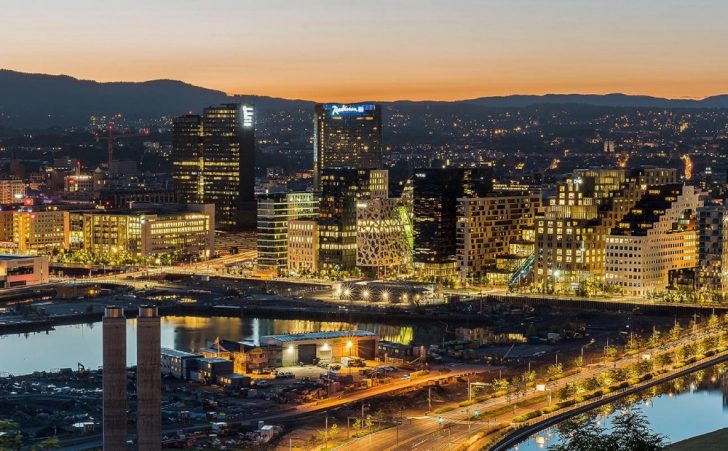
Set between forested hills and the deep blue waters of the Oslofjord, Oslo is one of Europe’s most quietly confident capitals.
As the political and cultural heart of Norway, it blends Viking history with cutting edge Scandinavian design, world class museums, and vast green spaces you can reach by metro.
It consistently ranks among the world’s most livable cities, and that reputation extends to safety.
But no city is perfect.
While Oslo feels calm, clean, and well organized, travelers still need to understand the nuances: where petty crime happens, how public transport works late at night, and what to expect from the Nordic climate.
After spending time researching and exploring the city myself, here is my honest, detailed breakdown of how safe Oslo really is for travelers.
Warnings & Dangers in Oslo

OVERALL RISK: LOW
Oslo is widely considered one of the safest capital cities in Europe. Violent crime rates are low compared to other major cities, and serious incidents involving tourists are rare. Most issues visitors encounter are minor, such as petty theft. With normal city awareness and basic precautions, most travelers experience a very safe and smooth trip.

TRANSPORT & TAXIS RISK: LOW
Public transportation in Oslo is reliable, clean, and safe, even in the evenings. The metro, trams, and buses are well lit and monitored. Licensed taxis are regulated and safe, though expensive. Ride hailing apps are available and trustworthy. The main risk here is cost, not safety.

PICKPOCKETS RISK: MEDIUM
While Oslo is not known as a pickpocketing hotspot, petty theft does occur, particularly in crowded areas like Oslo Central Station, trams during rush hour, and major tourist attractions. It is not aggressive, but distracted travelers may become targets. Keep bags zipped and avoid placing phones loosely on café tables.

NATURAL DISASTERS RISK: LOW
Norway has very low risk of natural disasters. Earthquakes are rare and typically minor. Oslo does not face hurricanes or extreme flooding. Winter conditions can bring heavy snow and icy sidewalks, which pose more slipping hazards than catastrophic threats. Weather related risk is manageable with preparation.

MUGGING RISK: LOW
Street robbery is uncommon in Oslo. Isolated incidents may occur late at night in less central neighborhoods, particularly involving intoxicated individuals. However, compared to many global capitals, mugging risk remains low. Avoid poorly lit areas after midnight and exercise normal urban caution.

TERRORISM RISK: MEDIUM
Norway has experienced isolated extremist attacks in the past, most notably the 2011 attacks. While the country maintains strong security and intelligence services, no European capital is completely risk free. The current threat level is generally considered moderate, but everyday tourism is not significantly impacted.

SCAMS RISK: LOW
Common European travel scams, such as fake petitions or distraction techniques, are not widespread in Oslo. The culture is highly regulated and transparent. The most common issue is being overcharged by unofficial taxi drivers, which is easily avoided by using licensed services.

WOMEN TRAVELERS RISK: LOW
Oslo is one of the safest cities in the world for women traveling alone. Gender equality is deeply embedded in Norwegian society, and harassment levels are relatively low. As in any city, it is wise to remain aware late at night, but solo female travelers typically report feeling very safe here.

TAP WATER RISK: LOW
Tap water in Oslo is exceptionally clean and safe to drink. In fact, Norway is known for having some of the highest quality drinking water in the world. There is no need to buy bottled water unless you simply prefer it.
Safest Places to Visit in Oslo
If you are looking for areas where you can explore comfortably, Oslo has many.
The waterfront district of Aker Brygge and Tjuvholmen is one of the safest and most pleasant areas in the city.
It is modern, lively, and full of restaurants and galleries.
Families, couples, and solo travelers walk here late into the evening without issue.
The historic center around Karl Johans gate, stretching from Oslo Central Station to the Royal Palace, is heavily patrolled and well maintained.
It is the main pedestrian street, and you will find government buildings, shops, and cafés.
Despite the crowds, it feels orderly and secure.
The Bygdøy peninsula is another extremely safe area.
Home to several museums and beaches, it feels more like a peaceful suburb than part of a capital city.
During the day especially, it is calm and family friendly.
Finally, Holmenkollen, famous for its ski jump and forest views, offers a quiet, upscale atmosphere.
Crime here is virtually nonexistent, and it provides stunning scenery along with peace of mind.
Places to Avoid in Oslo
Oslo does not have highly dangerous neighborhoods by global standards, but some areas require more awareness.
Grønland has historically had higher crime rates compared to other parts of the city.
It is vibrant and culturally diverse, with fantastic food options, but petty crime and occasional drug activity have been reported.
It is generally fine during the day but requires more caution at night.
Parts of Stovner and certain outer eastern suburbs have seen gang related incidents in recent years.
These are residential areas and not typical tourist destinations, so most visitors have no reason to go there.
Around Oslo Central Station late at night, particularly near the bus terminal, you may encounter intoxicated individuals or minor drug activity.
It is not typically dangerous, but it can feel uncomfortable after midnight.
In short, Oslo’s “rough” areas are mild compared to those in many other European capitals.
Awareness rather than avoidance is usually sufficient.
Safety Tips for Traveling to Oslo
- Master winter walking before you master the metro. If you are visiting between November and March, ice is a bigger threat than crime. Sidewalks are maintained, but freeze thaw cycles create slippery patches, especially on stone streets in the city center. Wear boots with strong grip and consider traction cleats. Keep your hands free for balance. Slipping injuries are far more common than theft incidents.
- Stay alert around Oslo S after midnight. Oslo Central Station is busy and safe during the day. Late at night, particularly near the bus terminal side, you may encounter intoxicated individuals or visible drug activity. It is rarely dangerous, but it can feel uncomfortable. If arriving late, head directly to your accommodation or take a licensed taxi.
- Buy your public transport ticket before boarding. Oslo’s public transport system is safe and efficient, but ticket inspections are strict and fines are expensive. Use the Ruter app to purchase tickets in advance. Inspectors perform random checks on trams, buses, and the metro. Avoid unnecessary penalties by validating properly before your journey begins.
- Use extra awareness in Grønland at night. Grønland is vibrant and culturally rich, especially during the day. At night, certain side streets can feel less polished, with occasional small scale drug activity. Stick to main roads, avoid isolated alleys, and travel with confidence. It is not highly dangerous, but situational awareness matters.
- Respect Norway’s strict drug laws. Norway enforces drug laws consistently. Even small amounts of illegal substances can lead to fines or legal consequences. Police presence in nightlife areas such as Youngstorget and parts of Grünerløkka is visible. Avoid legal trouble by staying within the law.
- Drink responsibly in nightlife districts. Alcohol is expensive in Oslo, which sometimes leads visitors to drink heavily before going out. Intoxication increases your vulnerability to accidents or disputes. Areas like Aker Brygge and Youngstorget are generally safe, but excessive drinking can quickly change the situation.
- Prepare properly for outdoor adventures. Oslo’s forests and hills are easily accessible and incredibly beautiful. However, weather can shift quickly, especially in winter. Wear layered clothing, check forecasts, and carry proper footwear. Daylight hours are short in colder months, so plan hikes carefully.
- Secure valuables in crowded areas. Pickpocketing is not rampant, but it does occur in crowded spots such as the Royal Palace area, harbor ferries, and rush hour trams. Keep phones in zipped pockets, avoid open backpacks in tight spaces, and never leave belongings unattended in cafés.
- Use licensed taxis or trusted ride apps. Taxis are safe but expensive. Only use official taxi ranks or reputable ride services. Avoid accepting rides from individuals who approach you at the airport or station. The biggest risk is financial overcharging rather than physical harm.
- Know the emergency numbers and trust local services. Norway’s emergency system is efficient and English is widely spoken. Police can be reached at 112, medical emergencies at 113, and fire services at 110. If you need help, do not hesitate to contact authorities. Oslo’s infrastructure is designed to respond quickly and professionally.
So... How Safe Is Oslo Really?
Statistically speaking, Oslo performs very well in global safety comparisons.
Norway consistently ranks near the top in global peace and quality of life indexes.
Violent crime rates remain low compared to most European capitals.
Homicide rates are significantly lower than in major cities across North America and parts of Western Europe.
The most common crime affecting tourists is petty theft, not violence.
Even then, incidents are far less frequent than in cities like Paris, Barcelona, or Rome.
Police presence is visible but not aggressive.
Surveillance, public infrastructure, and social services all contribute to a stable environment.
Norway’s strong welfare system reduces extreme poverty, which often correlates with crime in other parts of the world.
No destination is risk free, but Oslo is objectively one of the safest capital cities you can visit.
With basic precautions, the odds strongly favor a trouble free trip.
How Does Oslo Compare?
| City | Safety Index |
|---|---|
 Oslo Oslo |
90 |
| Stavanger |
80 |
| Kristiansand |
81 |
| Trondheim |
86 |
| Bergen |
71 |
 Barstow Barstow | 62 |
| Hot Springs | 61 |
| Chesterfield | 78 |
| Arnolds Park | 85 |
| Silver Spring | 82 |
| Houghton | 82 |
Useful Information

Visas
Norway is part of the Schengen Area. Visitors from the United States, Canada, the UK, Australia, and many other countries can enter visa free for up to 90 days within a 180 day period. Travelers must have a passport valid for at least three months beyond departure.

Currency
The currency is the Norwegian Krone, abbreviated NOK. Credit and debit cards are widely accepted, even for small purchases. Currency exchange is available at the airport and banks, but using your card typically offers better exchange rates.

Weather
Oslo has cold winters and mild summers. Winter temperatures often fall below freezing, while summer averages are comfortable and pleasant. Pack warm layers and waterproof clothing in winter. In summer, light layers and a jacket for cooler evenings are ideal.

Airports
The main airport is Oslo Airport Gardermoen, located about 35 minutes from the city center by express train. The airport train is safe, efficient, and the easiest way to reach downtown.

Travel Insurance
Travel insurance is highly recommended. Norway’s healthcare system is excellent, but non residents may face high medical costs. Insurance also covers cancellations, lost baggage, and unexpected disruptions.
Oslo Weather Averages (Temperatures)
Average High/Low Temperature
| Temperature / Month | Jan | Feb | Mar | Apr | May | Jun | Jul | Aug | Sep | Oct | Nov | Dec |
|---|---|---|---|---|---|---|---|---|---|---|---|---|
| High °C |
2 | -1 | 3 | 9 | 15 | 19 | 21 | 19 | 14 | 8 | 3 | -2 |
| Low °C |
-7 | -7 | -3 | 1 | 6 | 10 | 12 | 11 | 7 | 3 | -1 | -6 |
| High °F |
36 | 30 | 37 | 48 | 59 | 66 | 70 | 66 | 57 | 46 | 37 | 28 |
| Low °F |
19 | 19 | 27 | 34 | 43 | 50 | 54 | 52 | 45 | 37 | 30 | 21 |
Norway - Safety by City
| City | Safety Index |
|---|---|
| Bergen | 71 |
| Kristiansand | 81 |
| Oslo | 90 |
| Stavanger | 80 |
| Trondheim | 86 |













Truthful
I just got back from Oslo a week or so ago and my entire family was worried the whole time. I think this rating is spot on. Yes, there are some risks with pickpockets and what not but most area that get a lot of visitors from outside the country will have this. I felt perfectly safe myself and plan on going back next year with my brother and a group of friends.
Wonderful Country
From my experience, Oslo, and Norway entirely are very safe. I was expecting to see low risk across the board, except for maybe the natural disasters. It seems Norway is one of the safest countries in Europe. I’ve been to Oslo for business and Trondheim for vacation and both cities were wonderful. Will go again!
Very safe country
Norway is my home country, but I’ve lived in Scotland for the past 17 years. I travel to Arendal twice a year to see my parents and it is always a great time. No issues at all. Of course, the risk of muggings and scams are higher in Oslo, as is the case with most capital/big cities but, overall, Norway is very safe to visit. Give it a go!
False sense of security
I don’t know where they get these safety records from and whether they are this good because they get falsified by politically correct non-reporting of migrant crimes as seen in Sweden and Germany.
Truth is that there are many violent sexual attacks on young women after dark and brutal attacks of transgender people. These attacks are carried out by not so tolerant Muslim youth that were welcomed by western countries. It has gone as dar as now telling native Norwegian women to cover up so they lower their risk of being assaulted. Yet nobody speaks the truth. Go figure.
I do think it is important to talk about these issues and I think it is a disservice to people, especially women, who are attacked this way. The problem is.. We have people who will say nothing and call you a racist over your worries, or we have people who will blame immigrants for everything. There is no winning here. While Oslo is a beautiful place, it hasn’t felt safe to me in some time and I visit often to see family.
Be safe
Not safe. These above reports are not true. Ratings are also screend. Rape is rampant in all of skandinavia due to mass migration
Not too bad
Well it is not the safest city, but it is ok. I would recommend to avoid whole eastern part of the city… Groenland, Toyen, Grunerlokka, Alna, Furuset… those parts are a bit rough and can be dangerous at night (occasional gang related shootings, stabbing, rape, vandalism, hate crime- pride parade shooting 2022). I would strongly recommend renting your room a bit outside the city center, but it needs to be on the west-side…. Majorstuen, Ulleval, Frogner, or even better- Ullern ,Skoyen, Smestad, Montebello , Ris, Bygdoy, Roa, Holmenkollen- typically norwegian, quiet, clean and safe . You will be able to enjoy beutiful nature and still be able to reach the city center in no time (public transport is amazing).
Honestly
Horrible experience
Not sure if it’s the history or the fancy buildings that get me, but there’s something about wandering around St. Hanshaugen that feels a bit magical.
So, is the quick development after the fire just a clever excuse for all that weird modern architecture popping up everywhere?
St. Hanshaugen is such a chill spot; you can really feel the city’s history while enjoying the views.
Seems like Oslo is juggling a bit of old and new, but I wonder if the tourists ever notice those old remnants or if they’re too busy snapping pics of the modern stuff.
Spent an evening walking along the Oslofjord and felt surprisingly at ease watching joggers and people on the metro, though I still kept an eye on my bag around busy stations.
I found that even on chilly evenings, a walk along the fjord felt surprisingly safe, though it’s good to stay alert in quieter metro stations after dark.