


 Mexico : Safety by City
- Acapulco
- Aguascalientes
- Cabo San Lucas
- Cancun
- Chichen Itza
- Chihuahua
- Cozumel
- Cuernavaca
- Culiacan
- Durango
- Ensenada
- Guadalajara
- Guanajuato
- Hermosillo
- Huatulco
- Isla Holbox
- Isla Mujeres
- Ixtapa
- Juarez
- Leon
- Los Cabos
- Manzanillo
- Matamoros
- Mazatlan
- Merida
- Mexicali
- Mexico City
- Monterrey
- Morelia
- Nogales
- Nuevo Laredo
- Oaxaca
- Piedras Negras
- Playa del Carmen
- Puebla
- Puerto Morelos
- Puerto Vallarta
- Queretaro City
- Reynosa
- Saltillo
- San Luis Potosi
- San Miguel de Allende
- Sayulita
- Tijuana
- Tulum
- Valladolid
- Veracruz
- Zacatecas
- Zamora
- Zapopan
- Zihuatanejo
Nestled on Mexico’s sun‑drenched Pacific coast, Manzanillo is a vibrant port city in the state of Colima known for golden beaches, world‑class fishing, and a relaxed seaside vibe.
Its deepwater harbor makes it one of the busiest commercial ports in Mexico, blending grit and glamour in equal measure.
Tourists flock to Santiago Bay, Las Hadas, and the Audiencia for snorkeling, sunsets, and beachfront resorts that balance laid‑back charm with authentic Mexican culture.
But beyond the picturesque sunsets and seafood ceviche lies a more complex story about safety that every traveler should understand before packing their bags.
In this article, I’ll walk you through what it’s really like on the ground, from crime rates to natural hazards, so you can decide whether a trip to Manzanillo makes sense for you.
Warnings & Dangers in Manzanillo

OVERALL RISK: MEDIUM
Manzanillo’s overall safety profile lands in the Medium category. Petty crime exists, and there’s a backdrop of regional criminal activity, but most tourists report trouble‑free stays if they stick to well‑traveled areas and use common sense.

TRANSPORT & TAXIS RISK: LOW
Public transport and licensed taxis are generally considered safe if you choose official services. Avoid hailing cabs unregistered on the street; instead, use taxi ranks or hotel‑recommended drivers.

PICKPOCKETS RISK: MEDIUM
Pickpocketing and opportunistic theft can occur in crowded spots like markets, festivals, and busy beachfronts. Staying aware of your surroundings and securing valuables will help keep this risk down.

NATURAL DISASTERS RISK: LOW
Located in a seismically active region and within the Pacific hurricane corridor, Manzanillo does face natural hazards like earthquakes and storms. However, the risk to visitors is relatively low most of the year if you monitor forecasts and advisories.

MUGGING RISK: LOW
Violent street robberies targeting travelers are rare. Most thefts are simple opportunistic crimes against those displaying valuables or wandering alone at night in poorly lit areas.

TERRORISM RISK: MEDIUM
There’s no organized terrorism threat as you’d find in conflict zones, but organized crime linked to drug trafficking has a presence due to the port’s importance. Incidents rarely affect tourists directly, but it’s worth staying informed.

SCAMS RISK: LOW
Scams such as fake taxi fares or souvenir overcharges are fairly typical for tourist destinations. Using reputable providers and being wary of unsolicited offers keeps this risk manageable.

WOMEN TRAVELERS RISK: LOW
Women traveling solo or in groups generally report feeling safe, though basic precautions at night and in quiet areas are recommended, just as they would be anywhere.

TAP WATER RISK: HIGH
Tap water isn’t safe for drinking without purification. Stick to bottled or purified water to avoid stomach issues.
Safest Places to Visit in Manzanillo
Manzanillo offers a surprising variety of safe, scenic spots perfect for travelers who want both relaxation and cultural experiences.
Santiago Bay is the crown jewel, with calm waters ideal for swimming and snorkeling, lively markets, and a well‑lit malecon that’s great for evening strolls.
Close by is the Club Santiago Peninsula, a popular resort area with gated communities and attentive security, perfect for families and couples seeking peace of mind.
Las Hadas is another standout.
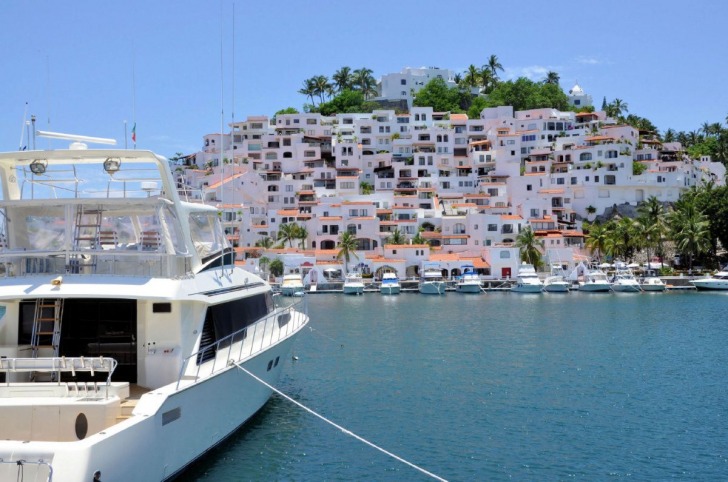
This upscale resort area, with its iconic white‑washed architecture and private marina, feels like a world apart from the bustle of the port.
You’ll find boutique hotels, pristine beaches, and well‑maintained public spaces.
Even if you’re not staying here, day visits are generally safe and pleasant.
For nature lovers, Las Brisas offers quieter beaches and great whale-watching views during migration seasons.
Small beach cafes and family‑run shops here give a friendly, low‑risk experience.
Historic and cultural enthusiasts should check out the Manzanillo Cultural Museum and the downtown plaza, which are well‑patrolled and full of life during daytime hours.
Stick to main streets and avoid poorly lit alleys after dark for the most enjoyable visits.
Each of these areas combines the relaxed vibe that draws visitors to Manzanillo with safety measures that make exploration comfortable for travelers.
Places to Avoid in Manzanillo
While Manzanillo has many welcoming areas, certain parts of town and surrounding zones are best approached with caution.
First, avoid neighborhoods several miles inland from the main tourist strip.
These can have higher crime rates tied to local issues that seldom affect resort areas, but are real nonetheless.
Downtown after dark, especially outside the central plaza and main avenues, can feel less safe due to poor lighting and fewer people on foot.
Stay in well‑populated streets and consider using a taxi back to your hotel at night to minimize risk.
The port industrial zones, where heavy freight traffic and cargo operations dominate, aren’t designed with tourists in mind and offer little in the way of attractions.
These areas are less monitored and have a higher incidence of petty crime.
Finally, while the Colima–Michoacán border region sees more criminal activity due to cartels, this is some distance from the central tourist zones, but worth noting if you plan road trips outside the city.
Local advisories generally recommend avoiding travel through rural areas near that border, especially after sunset.
Being mindful of your surroundings and using common sense goes a long way toward ensuring a safe and fun visit to Manzanillo.
Safety Tips for Traveling to Manzanillo
- Stay in Popular Areas: Choose hotels and accommodations in well‑trafficked zones like Santiago Bay or Las Hadas, where police patrols and security are more visible.
- Use Licensed Transportation: Only hail taxis from official stands or ask your hotel to call one. Avoid unregistered cabs to prevent scams.
- Secure Valuables: Use a money belt and keep passports, cash, and electronics out of plain sight in crowded areas.
- Avoid Tap Water: Stick to bottled or filtered water only. Brush teeth and rinse your toiletries with purified water to avoid stomach issues.
- Monitor Weather: If traveling during the Pacific hurricane season (June‑November), keep an eye on storm updates and follow local advisories.
- Stay in Touch: Save local emergency numbers and register travel plans with your consulate or embassy for backup if needed.
- Walk Smart: After dark, stick to main streets and well‑lit promenades. If unsure, take a taxi rather than risk poorly lit areas.
- Dress Modestly: Flashing jewelry or expensive gear can make you a target. Dress down and blend in with the local crowd.
- Watch for Scams: Be cautious of offers that seem too good to be true, whether taxi fares, tours, or beachside sales pitches.
- Know Local Laws: Familiarize yourself with Mexican regulations, such as drinking age and documentation rules, to avoid misunderstandings.
These simple precautions will help you enjoy Manzanillo’s beauty with fewer risks and more confidence.
So... How Safe Is Manzanillo Really?
Manzanillo’s safety reputation is nuanced.
On one hand, many travelers enjoy worry‑free trips in the bustling resort areas, praising the beaches, seafood, and cultural spots.
Official guides and travel safety indexes generally assign it a medium risk overall, with crime mostly involving petty theft rather than violent incidents against visitors.
However, there are real safety issues beneath the surface.
The state of Colima has one of Mexico’s higher homicide rates, and organized crime linked to drug trafficking and precursor chemical transport through the port contributes to a less‑than‑ideal security picture.
Such activity tends to be concentrated in non‑tourist zones and rarely targets visitors, but it’s part of the backdrop you should respect.
Natural threats like hurricanes and earthquakes are also genuine but seasonal and manageable with preparation and awareness.
Most travelers report that by staying in safe areas, being vigilant at night, and using common‑sense travel habits, they have enjoyable stays without incident.
In short, Manzanillo isn’t a risk‑free paradise, but with preparation, respect for local conditions, and awareness of your environment, it offers a richly rewarding destination for adventurous beach lovers and cultural explorers alike.
How Does Manzanillo Compare?
| City | Safety Index |
|---|---|
| Manzanillo |
65 |
| Matamoros |
35 |
| Nogales |
50 |
| Piedras Negras |
60 |
| Mexico City |
55 |
| Ensenada |
78 |
| Chichen Itza |
70 |
 Ghardaia Ghardaia | 48 |
 Halifax Halifax | 79 |
 Marion Marion | 68 |
 Agra Agra | 50 |
 Puno Puno | 45 |
 Geelong Geelong | 86 |
Useful Information

Visas
Most international visitors entering Mexico as tourists can stay up to 180 days visa‑free, depending on nationality. A completed immigration form (FMM) is required on arrival, and extensions aren’t generally needed for short trips. Check your country’s requirements before travel.

Currency
Mexico uses the Mexican peso (MXN). Convert currency at banks or reputable exchange counters for better rates. ATMs in secure locations typically offer the best exchange, but be mindful of fees.

Weather
Manzanillo enjoys tropical warmth year‑round, with the rainy and hurricane season from June through November. Lightweight clothing, rain gear during summer, and sun protection are essentials for packing.

Airports
The main gateway is Manzanillo International Airport (ZLO), with flights from major Mexican cities. Taxis or shuttles connect the airport to the city and resort areas in under 30 minutes.

Travel Insurance
Travel insurance is highly recommended. Choose a plan that covers health care, trip cancellations, natural disasters, and evacuation for peace of mind during your visit.
Manzanillo Weather Averages (Temperatures)
Average High/Low Temperature
| Temperature / Month | Jan | Feb | Mar | Apr | May | Jun | Jul | Aug | Sep | Oct | Nov | Dec |
|---|---|---|---|---|---|---|---|---|---|---|---|---|
| High °C |
30 | 30 | 31 | 31 | 33 | 33 | 33 | 33 | 32 | 32 | 32 | 31 |
| Low °C |
18 | 17 | 17 | 19 | 21 | 23 | 23 | 23 | 23 | 23 | 20 | 18 |
| High °F |
86 | 86 | 88 | 88 | 91 | 91 | 91 | 91 | 90 | 90 | 90 | 88 |
| Low °F |
64 | 63 | 63 | 66 | 70 | 73 | 73 | 73 | 73 | 73 | 68 | 64 |















West Coast Spot
My personal preference is for coastal cities and towns so Manzanillo is a place that I would consider visiting. I’ve definitely heard of Playa Miramar so I’m glad to hear that this area is still very popular for tourists and has a good safety rating.
Great vacation spot!
My husband & I have travelled to Manzanillo four times in the past 5 years. As the article states, it is relatively safe here. We have never had any issues, but we never go out alone and do not go out at night. The taxis are inexpensive and give good service. Lots of good restaurants and several markets nearby. Weather is a consistent 30° with no rain. The Mexican people are lovely and genuine. My only recomendation would be to learn the language, at least to be able to communicate while shopping or in restaurants. Also, would not recommend for anyone with lung issues as the air quality is poor here due to pollution by industries.
Stumbling upon the Old Town was such a treat; those historic streets have a charm that makes you feel like you’ve stepped back in time!
Spending a lazy afternoon at Playa Miramar with a cold drink in hand was just what I needed.
Guess it must be tough to sip a cold drink on the beach while dodging cruise ship crowds and pretending you’re in paradise.
Did you get a chance to check out Playa Miramar while you were there? The way you described the vibe makes me want to revisit, especially with those shallow waters for relaxing.
Around here the sunsets over Santiago Bay still knock the wind out of you, but the diesel smell from the port and how some streets go quiet after dark always leaves me a bit on edge.
After staying in Manzanillo a few days the Santiago Bay sunsets still stick with me, but I kept feeling uneasy walking by the deepwater harbor at night because the docks were poorly lit and had a rough crowd.
Have you noticed if certain neighborhoods feel safer to walk around after dark or is it kind of hit or miss depending on the day?