


 Argentina : Safety by City
- Buenos Aires
- Cordoba
- El Calafate
- El Chaltén
- La Plata
- Mar del Plata
- Mendoza
- Neuquen
- Puerto Iguazu
- Puerto Madryn
- Rosario
- Salta
- San Carlos de Bariloche
- San Miguel de Tucuman
- Ushuaia
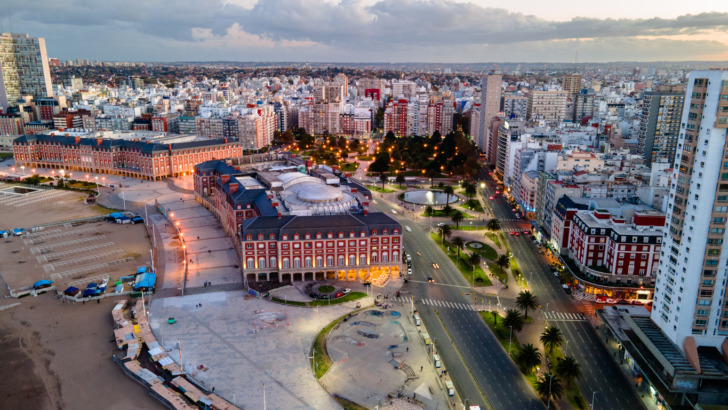
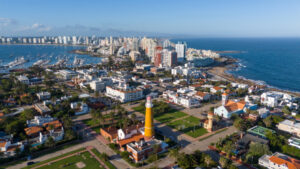
Mar del Plata is Argentina’s great Atlantic beach city, sitting about 400 kilometers south of Buenos Aires on the coast of Buenos Aires Province.
Known locally as “La Feliz,” the city combines broad beaches, dramatic cliffs, seafood restaurants, casinos, theaters, historic villas, surf culture, and one of the country’s busiest fishing ports.
During the southern summer, especially January, Mar del Plata transforms into a huge vacation destination filled with families, students, nightlife crowds, and visitors from across Argentina.
Outside peak season, it becomes quieter, cooler, and far easier to explore.
Mar del Plata is generally safe enough for tourism, but it is a large working city rather than a sealed resort.
Petty theft, traffic, nightlife incidents, rough Atlantic water, and seasonal overcrowding are the risks travelers are most likely to encounter.
Warnings & Dangers in Mar del Plata

OVERALL RISK: MEDIUM
Mar del Plata has a medium overall risk. Most tourists visit without experiencing serious trouble, particularly when staying in established coastal neighborhoods. However, petty theft, phone snatching, vehicle break-ins, robberies, and nightlife incidents occur. Risk rises during the crowded summer season, late at night, and in unfamiliar neighborhoods away from the beachfront.

TRANSPORT & TAXIS RISK: MEDIUM
Public buses and registered taxis are generally usable, but travelers should watch their belongings on crowded routes and confirm that taxi meters are operating. Ride-hailing services can provide clearer pricing. Traffic becomes intense in summer, local driving may feel aggressive, and pedestrians should be careful at wide avenues and poorly controlled crossings.

PICKPOCKETS RISK: MEDIUM
Pickpocketing is one of the most realistic tourist risks in Mar del Plata. Crowded beaches, pedestrian streets, buses, nightlife zones, shopping areas, and the central railway and bus terminal create opportunities for theft. Phones are particularly attractive targets. Keep bags zipped, avoid back pockets, and never leave valuables unattended on the sand.

NATURAL DISASTERS RISK: MEDIUM
The main natural hazards are rough surf, rip currents, strong winds, coastal storms, intense summer sun, and localized flooding after heavy rain. Rare coastal surges can also occur. In January 2026, an unusual meteotsunami affected Mar del Plata and nearby beaches, demonstrating that even apparently calm Atlantic conditions can change suddenly.

MUGGING RISK: MEDIUM
Muggings are not an everyday experience for tourists, but robberies do occur, particularly late at night, near transport hubs, on empty streets, and in less affluent outer neighborhoods. Avoid resisting if confronted. Carry limited cash, keep expensive electronics out of sight, and use a taxi or ride-hailing service after evening activities.

TERRORISM RISK: LOW
The terrorism risk in Mar del Plata is low. Argentina is not commonly affected by terrorist attacks, and the city is not considered a major international target. Visitors should still maintain basic awareness during large events, festivals, football matches, political gatherings, and peak-season crowds, but terrorism is not a significant daily concern.

SCAMS RISK: MEDIUM
Common problems include taxi overcharging, misleading accommodation listings, inflated seasonal prices, fake rental deposits, unofficial parking attendants, and unfavorable currency exchange offers. Confirm all costs before paying, book accommodations through reliable channels, and avoid exchanging money with strangers. Restaurants should provide menus with prices before you order.

WOMEN TRAVELERS RISK: MEDIUM
Many women visit Mar del Plata safely, including solo travelers. However, street harassment, unwanted attention, drink tampering, and nightlife-related incidents are possible. Women should avoid isolated beaches and unfamiliar streets after dark, monitor drinks carefully, and use reliable transportation at night. Central coastal areas are generally comfortable during busy hours.

TAP WATER RISK: LOW
Municipal tap water in Mar del Plata is generally considered potable. The city receives much of its water from underground sources and maintains a public distribution system. Some visitors may dislike its mineral content or taste, so bottled or filtered water remains an option. Follow local notices if service is interrupted after storms.
Safest Places to Visit in Mar del Plata
Playa Grande
Playa Grande is one of the city’s most established beach areas, surrounded by restaurants, surf clubs, hotels, apartment buildings, and the lively Alem district.
It is generally safe during the day and early evening because there are usually plenty of visitors, workers, and local residents nearby.
The beach is popular with surfers, so swimmers should pay attention to designated swimming zones, warning flags, and lifeguard instructions.
Secure phones and wallets before entering the water.
Güemes and Stella Maris
The Güemes shopping district and neighboring Stella Maris area are among the most comfortable parts of Mar del Plata for visitors.
They offer cafes, restaurants, boutiques, attractive residential streets, and easy access to the coast.
The area around Paseo Güemes becomes lively in the evening and is a good option for dining or walking.
Petty theft remains possible in crowded restaurants and shopping streets, but serious incidents involving tourists are uncommon when normal precautions are used.
Playa Varese
Playa Varese sits in a curved bay between central Mar del Plata and Playa Grande.
Its more sheltered setting makes it popular with families, swimmers, kayakers, and paddleboarders.
It is surrounded by busy roads and residential buildings, which helps it feel more monitored than remote beaches.
Visitors should still follow lifeguard instructions and avoid leaving bags unattended.
The waterfront paths around Varese are best enjoyed during daylight or early evening.
Los Troncos
Los Troncos is a quiet, attractive residential neighborhood known for tree-lined streets and distinctive houses.
It is not packed with tourist attractions, but it provides a calmer base close to Güemes, Playa Grande, and major restaurants.
Walking here during the day is generally comfortable.
At night, travelers should stick to main streets because residential blocks can become quiet and have limited foot traffic.
Bosque Peralta Ramos by Day
Bosque Peralta Ramos is a wooded residential area in southern Mar del Plata with cabins, restaurants, and a peaceful atmosphere.
It provides a pleasant break from the dense beachfront and city center.
Visit during daylight unless you are staying in the area.
Roads can be winding, dark, and difficult to navigate at night, while transportation options are less convenient than in central neighborhoods.
Places to Avoid in Mar del Plata
Terminal Ferroautomotora Surroundings Late at Night
The combined railway and long-distance bus terminal is useful and busy, but its surrounding streets are less comfortable late at night.
Travelers with luggage, phones, and limited local knowledge can attract thieves or dishonest drivers.
Arrange transportation before arriving, keep bags within reach, and avoid walking from the terminal to distant accommodation after dark.
Use a registered taxi or verified ride service.
Industrial Port Sections
The Mar del Plata port has restaurants, sea lions, seafood businesses, and attractions that are worth seeing during the day.
However, the wider port district includes industrial yards, storage facilities, truck routes, and quiet streets with little reason for tourists to explore.
Remain in established visitor areas and avoid wandering around working docks, warehouses, or poorly lit industrial roads, especially after businesses close.
Isolated Southern Beaches After Dark
Beaches south of the main city can be beautiful, less crowded, and more natural.
They also become extremely quiet outside peak hours.
Playa Serena, Acantilados, and beaches farther south should be visited with transportation arranged in advance.
Avoid remaining after dark on empty sections without open businesses or other visitors.
Risks include theft, rough surf, steep cliffs, limited phone access, and difficulty finding transportation.
Central Beaches During Overnight Hours
Bristol, Popular, and nearby central beaches are lively during the day, but they become less predictable late at night.
Groups drinking on the sand, theft, arguments, and harassment are more likely after crowds thin out.
The illuminated coastal avenue may remain busy, but walking alone on the beach itself during the early morning hours is unnecessary.
Stay near active businesses and well-traveled streets.
Outer Parts of Las Heras, Libertad, and Belisario Roldán
These are real residential communities rather than official tourist no-go zones.
However, outer sections have little tourism infrastructure and can present higher risks of robbery, poor lighting, and difficulty obtaining help.
Visitors generally have no sightseeing reason to wander through these areas, especially at night.
Travelers visiting friends, family, or specific businesses should use direct transportation and follow local guidance.
Safety Tips for Traveling to Mar del Plata
- Protect your belongings at the beach. Beach theft is one of the easiest problems to prevent. Do not leave your phone, cash, room key, camera, or passport beneath a towel while swimming. Carry only essential items and use a waterproof pouch, secure locker, or beach service with storage. Travelers visiting alone should sit near established facilities rather than isolated sections.
- Follow lifeguard flags and instructions. The Atlantic Ocean around Mar del Plata can be cold, powerful, and unpredictable. Rip currents, sudden waves, submerged rocks, and changing winds create risks even for confident swimmers. Swim only in designated areas and during lifeguard hours. Never enter the water when red flags are displayed, regardless of how calm it appears.
- Keep your phone out of sight on quiet streets. Phone snatching and opportunistic street theft can happen. Avoid walking while staring at navigation apps, particularly around the terminal, downtown side streets, and quiet areas after dark. Check directions inside a cafe or shop, then put the phone away. Carrying it casually at arm’s length makes it easier to grab.
- Use reliable transportation at night. Mar del Plata is spread across a large coastal area, and distances can be deceptive. A restaurant that looks close on a map may involve a long walk through quiet streets. Use registered taxis or verified ride-hailing services after dark. Check the vehicle and driver information before entering and avoid unmarked cars offering rides.
- Choose accommodation by neighborhood, not just price. A cheap apartment far from the coast may leave you dependent on buses or taxis, particularly at night. First-time visitors are generally better positioned near Güemes, Stella Maris, Playa Grande, Varese, La Perla, or central areas close to active streets. Read recent reviews carefully and confirm the exact address before paying.
- Stay alert during January and long weekends. Mar del Plata becomes dramatically busier during January, Carnival, public holidays, and major events. Beaches, buses, restaurants, nightlife areas, and the waterfront can become packed. Crowds increase pickpocketing opportunities and make transportation slower. Book accommodation early, allow extra travel time, and carry fewer valuables when heading into dense crowds.
- Be careful with nightlife. The city has a major nightlife scene, particularly around Playa Grande, Alem, Güemes, and seasonal beach clubs. Watch drinks from the moment they are served, avoid accepting open drinks from strangers, and do not leave intoxicated friends alone. Confirm prices before ordering and arrange transportation home before the night becomes complicated.
- Avoid unofficial currency exchanges. Argentina’s exchange system can be confusing, and travelers may be offered different rates by hotels, shops, street dealers, and payment providers. Avoid changing money with strangers in public. Use banks, established exchange businesses, or reputable payment methods. Count cash discreetly and learn the appearance of current peso notes before making large exchanges.
- Do not leave valuables inside parked cars. Vehicle break-ins can occur, especially near beaches, nightlife areas, and quiet streets. Remove bags, electronics, passports, jackets, and rental documents whenever leaving the car. Even an empty backpack can attract attention. Use monitored parking when possible and confirm that all doors and windows are locked.
- Prepare for colder weather than the map suggests. Mar del Plata is a beach city, but it is not tropical. Atlantic winds can make summer evenings surprisingly cool, while winter is cold, damp, and windy. Bring a jacket even during warm months. Weather changes quickly, and hypothermia becomes possible when swimmers remain in cold water or wet clothing for too long.
So... How Safe Is Mar del Plata Really?
Mar del Plata is reasonably safe for tourism, but its risk level changes dramatically depending on the season, neighborhood, and time of day.
During summer, the city receives enormous numbers of visitors, creating crowded beaches, packed nightlife districts, congested roads, and more opportunities for pickpocketing.
During winter, crowds decrease, but quiet streets and early darkness require different precautions.
Argentina currently receives a general recommendation for travelers to use normal security precautions.
Mar del Plata does not have the organized violence associated with Argentina’s highest-risk city, Rosario.
However, it still experiences urban crime, including phone theft, vehicle break-ins, robberies, and burglaries.
Visitors should not treat the beachfront as a protected resort bubble.
The Atlantic Ocean deserves equal attention.
Strong currents, cold water, rough waves, and sudden weather changes cause real emergencies.
A rare meteotsunami struck parts of the Mar del Plata coastline and nearby communities in January 2026, causing injuries and demonstrating how quickly coastal conditions can shift.
My assessment is that Mar del Plata presents a medium petty-crime risk, a medium coastal risk, and a low terrorism risk.
Families, couples, solo travelers, and nightlife visitors can all enjoy the city safely.
Stay in a good neighborhood, secure beach valuables, use reliable nighttime transportation, and respect lifeguard warnings.
With those habits, Mar del Plata is more lively than dangerous.
How Does Mar del Plata Compare?
| City | Safety Index |
|---|---|
| Mar del Plata |
76 |
| San Carlos de Bariloche |
76 |
| Neuquen |
58 |
| La Plata |
68 |
| Puerto Madryn |
70 |
| San Miguel de Tucuman |
32 |
| El Calafate |
78 |
 El Reno El Reno | 78 |
| McDonough | 72 |
| Santa Clarita | 76 |
 Vienna Vienna | 92 |
| New Mexico | 65 |
| Lake Forest | 83 |
Useful Information

Visas
Citizens of more than 120 countries can enter Argentina without a tourist visa, commonly for stays of up to 90 days. This includes many European, North American, and other Western passport holders. Travelers who require a visa must apply through an Argentine consulate, and fees vary by nationality and application location. Confirm requirements before departure.

Currency
The official currency is the Argentine peso. Exchange rates can change quickly, so travelers should check current conditions before exchanging large amounts. Cards are widely accepted in hotels, restaurants, and supermarkets, but cash remains useful for small businesses and tips. Use banks or established exchange offices and avoid street dealers.

Weather
Mar del Plata has mild summers and cool winters. December through February usually offers the best beach weather, though wind and cool evenings remain common. Winter runs from June through August and can be damp, windy, and cold. Pack layers, comfortable walking shoes, sunscreen, and a wind-resistant jacket at any time of year.

Airports
Astor Piazzolla International Airport is located north of central Mar del Plata, usually around 15 to 25 minutes away by taxi depending on traffic. Most scheduled flights connect with Buenos Aires, though seasonal routes may vary. Many visitors also arrive by long-distance bus, car, or train from Buenos Aires.

Travel Insurance
Travel insurance is recommended for Mar del Plata. A useful policy should cover medical treatment, theft, flight or bus delays, accommodation cancellation, and water-related emergencies. Travelers planning to surf, sail, kayak, or participate in other sports should confirm that those activities are included rather than assuming standard coverage applies.
Mar del Plata Weather Averages (Temperatures)
Average High/Low Temperature
| Temperature / Month | Jan | Feb | Mar | Apr | May | Jun | Jul | Aug | Sep | Oct | Nov | Dec |
|---|---|---|---|---|---|---|---|---|---|---|---|---|
| High °C |
27 | 27 | 25 | 21 | 17 | 14 | 13 | 14 | 16 | 19 | 22 | 25 |
| Low °C |
16 | 16 | 14 | 10 | 7 | 5 | 4 | 4 | 6 | 8 | 11 | 14 |
| High °F |
81 | 81 | 77 | 70 | 63 | 57 | 55 | 57 | 61 | 66 | 72 | 77 |
| Low °F |
61 | 61 | 57 | 50 | 45 | 41 | 39 | 39 | 43 | 46 | 52 | 57 |
Argentina - Safety by City
| City | Safety Index |
|---|---|
| Buenos Aires | 65 |
| Cordoba | 61 |
| El Calafate | 78 |
| El Chaltén | 91 |
| La Plata | 68 |
| Mar del Plata | 76 |
| Mendoza | 68 |
| Neuquen | 58 |
| Puerto Iguazu | 73 |
| Puerto Madryn | 70 |
| Rosario | 32 |
| Salta | 54 |
| San Carlos de Bariloche | 76 |
| San Miguel de Tucuman | 32 |
| Ushuaia | 68 |












Never thought Mar del Plata would be so buzzing in January, the beach vibe totally changes with all those families and students around.
Wait, is it really that much calmer outside of January? I went once during the busy season and it felt like the whole city was just one big party nonstop.