 Argentina : Safety by City
- Buenos Aires
- Cordoba
- El Calafate
- El Chaltén
- La Plata
- Mar del Plata
- Mendoza
- Neuquen
- Puerto Iguazu
- Puerto Madryn
- Rosario
- Salta
- San Carlos de Bariloche
- San Miguel de Tucuman
- Ushuaia
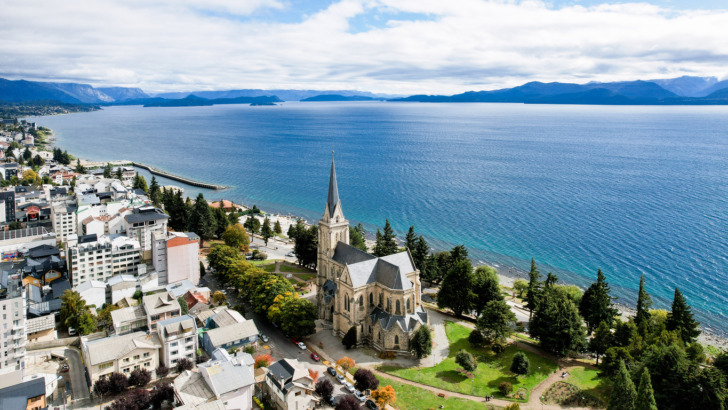
San Carlos de Bariloche, usually just called Bariloche, is Argentina’s alpine-style beauty spot in northern Patagonia, sitting beside Lake Nahuel Huapi near the Andes and the Chilean border.
It feels like a curious mix of Swiss mountain town, Argentine lake resort, chocolate capital, ski hub, and outdoor playground.
Travelers come for Cerro Catedral, Circuito Chico, lake views, hiking, kayaking, craft beer, skiing, and those absurdly scenic drives where every bend looks like a desktop wallpaper.
Bariloche is generally safe, especially compared with larger Argentine cities, but it is not risk-free.
The main concerns are petty theft, car break-ins, mountain weather, road conditions, winter ice, hiking mistakes, lake safety, and high-season crowds.
It is a low-risk destination overall, but nature and logistics deserve respect here.
Warnings & Dangers in San Carlos de Bariloche

OVERALL RISK: LOW
Bariloche is a safe destination for most travelers. Violent crime is uncommon, tourist areas are well developed, and the city is used to international visitors. The main risks are petty theft, car break-ins, outdoor accidents, and weather-related disruptions. Travelers who stay aware in town and plan mountain activities carefully should feel comfortable.

TRANSPORT & TAXIS RISK: LOW
Transport is generally safe. Taxis, remises, buses, airport transfers, and rental cars are common. Public buses are useful for routes like Avenida Bustillo and Circuito Chico, though schedules can require patience. In winter, icy roads and snow make driving more challenging. If renting a car, avoid leaving bags or valuables visible inside.

PICKPOCKETS RISK: MEDIUM
Pickpocketing is not severe, but it can happen around the civic center, bus station, busy chocolate shops, public transport, markets, and crowded viewpoints. Car break-ins are a more realistic concern for travelers stopping at scenic points. Keep bags zipped, phones secure, and luggage out of sight.

NATURAL DISASTERS RISK: MEDIUM
Bariloche has a medium natural risk because of its mountain and lake setting. Snow, ice, strong winds, heavy rain, wildfires, volcanic ash from the wider region, and sudden weather changes can affect travel. Hiking and driving conditions can change quickly. Always check forecasts before trails, lake activities, or road trips.

MUGGING RISK: LOW
Mugging is not common in Bariloche, especially in the main tourist areas. The city center, waterfront, hotel zones, and popular restaurants are generally safe. Still, avoid dark, isolated streets late at night, especially if walking alone or after drinking. Use taxis or remises if your accommodation is far from the center.

TERRORISM RISK: LOW
The terrorism risk in Bariloche is low. Tourists are far more likely to deal with weather, petty theft, transport issues, or outdoor safety concerns than terrorism. As always, stay aware in crowded public areas and transport hubs, but this is not a major practical concern for visitors.

SCAMS RISK: LOW
Scams are not a major issue in Bariloche, but overcharging, vague tour pricing, poor rental terms, and unofficial transport offers can happen. Check prices before booking lake tours, ski rentals, transfers, and excursions. Use reputable operators for outdoor activities, especially hiking, kayaking, skiing, and longer road trips.

WOMEN TRAVELERS RISK: LOW
Bariloche is generally safe for women travelers, including solo women. Central areas feel comfortable during the day and evening, and many outdoor activities are well organized. Normal precautions still matter: avoid isolated walking routes late, use trusted transport after dark, and choose reputable guides for remote hikes or adventure activities.

TAP WATER RISK: LOW
Tap water in Bariloche is generally safe to drink, and the water quality is considered good by local standards. Many travelers drink from the tap without issue. If you have a sensitive stomach, bottled water is easy to find. For hiking, use filtered or treated water unless you are certain of the source.
Safest Places to Visit in San Carlos de Bariloche
Centro Cívico
Centro Cívico is the heart of Bariloche and one of the easiest places to begin.
It has stone-and-wood alpine architecture, lake views, shops, cafes, restaurants, tour offices, and the main square.
It is safe and lively during the day and early evening, but it can get crowded in high season.
Keep valuables secure, especially while taking photos or browsing shops.
Lake Nahuel Huapi Waterfront
The lakefront is one of Bariloche’s most scenic and comfortable areas.
It is safe for walking, photos, sunsets, and casual exploring.
The main risks are weather and slippery surfaces rather than crime.
In winter, wind and cold can be sharper than expected.
Around the water, be cautious with children and avoid risky climbing on rocks.
Circuito Chico
Circuito Chico is one of the safest and most beautiful routes around Bariloche when done with good planning.
It includes viewpoints, forests, lakes, bridges, cafes, and stops like Punto Panorámico and Llao Llao.
It is popular by car, bus, bike, or tour.
Do not leave valuables visible in parked cars at viewpoints, and ride bikes carefully on narrow roads.
Cerro Campanario
Cerro Campanario offers one of the most famous views in Patagonia, and it is a safe, manageable excursion for most travelers.
You can go up by chairlift or hike if conditions are good.
The view over the lakes and mountains is spectacular.
Wear proper shoes, check weather, and do not underestimate wind at the top.
Llao Llao and Puerto Pañuelo
The Llao Llao area and Puerto Pañuelo are safe, polished, and popular with tourists.
This is where many lake cruises depart, and the surrounding scenery is classic Bariloche.
It is a good area for families, couples, and photographers.
The main things to watch are tour timing, weather, and belongings at busy departure points.
Places to Avoid in San Carlos de Bariloche
Isolated Streets Far From the Center Late at Night
Bariloche is safe overall, but quiet outer streets can feel less comfortable late at night.
If your accommodation is far from the center, use a taxi or remise after dinner rather than walking a long, dark route.
The risk is not extreme, but there is no prize for making your walk home unnecessarily sketchy.
Scenic Parking Areas With Valuables in the Car
Car break-ins are one of the more realistic tourist problems in Bariloche.
Viewpoints, trailheads, beaches, and roadside stops can be tempting places for thieves if luggage or electronics are visible.
Never leave bags, cameras, passports, or jackets on seats.
If you are road-tripping, keep luggage hidden before you arrive at stops.
Mountain Trails in Bad Weather
The area around Bariloche is full of beautiful hikes, but bad weather changes everything.
Avoid trails during storms, strong winds, heavy rain, snow, or poor visibility unless you are properly equipped and experienced.
Patagonia weather does not care that your itinerary says “hike today.”
Icy or Snowy Roads Without Experience
Winter driving can be difficult around Bariloche, especially on routes toward Cerro Catedral, mountain lodges, or scenic areas.
If you are not used to snow, ice, chains, or mountain roads, use shuttles, taxis, buses, or organized transport.
A rental car is convenient until the road turns into a skating rink.
Remote Lake Areas After Dark
The lakes and beaches around Bariloche are beautiful, but some become quiet and poorly lit at night.
Avoid isolated waterfront spots after dark, especially alone or after drinking.
The risk includes slips, cold water, lack of help, and petty crime.
Enjoy sunsets, then return by main roads or trusted transport.
Safety Tips for Traveling to San Carlos de Bariloche
- Check the weather before outdoor plans. Bariloche’s weather can shift quickly, especially in the mountains. A calm morning by the lake can turn into wind, rain, snow, or poor visibility higher up. Before hiking, skiing, biking, kayaking, or driving scenic routes, check the forecast and local conditions. If the weather looks bad, choose cafes, chocolate shops, museums, lakefront walks, or a shorter low-elevation plan.
- Do not leave valuables in your rental car. This is one of the most important Bariloche safety tips. Scenic stops are everywhere, and travelers often leave luggage in the car while taking photos or hiking. Do not do that visibly. Keep bags hidden in the trunk before you reach the stop, not after you park. Better yet, leave valuables at your hotel when possible.
- Use proper gear for hikes. Bariloche hikes can be easy, moderate, or properly challenging, depending on the route and season. Wear shoes with grip, bring water, layers, snacks, sun protection, and a charged phone. Do not start late in the day, and do not rely only on casual phone maps. For longer routes, check trail conditions and tell someone where you are going.
- Be careful with winter sports. Cerro Catedral is a major ski area, and winter sports are a big reason people visit Bariloche. If you are skiing, snowboarding, or taking lessons, use proper equipment and respect your ability level. Beginners should not follow confident friends onto harder slopes. Also check whether your travel insurance covers winter sports, because many basic policies do not.
- Watch your belongings in crowded tourist areas. Centro Cívico, chocolate shops, bus stops, viewpoints, markets, and lake cruise departure points can get crowded. Keep your bag zipped and close. Avoid back-pocket wallets, and do not leave phones on cafe tables. Bariloche is safe, but crowded tourist areas anywhere in the world are where small thefts happen.
- Plan transport back from remote areas. Some of Bariloche’s best places are outside the center, including Llao Llao, Cerro Catedral, trailheads, beaches, and viewpoints. Buses can be useful, but schedules may not always match your ideal day. Before heading out, know how you will return. This matters even more in winter, bad weather, or after sunset.
- Respect lake safety. Lake Nahuel Huapi is gorgeous but cold. Do not assume it is safe to swim anywhere just because the water looks calm. Cold water can affect strong swimmers quickly, and wind can change conditions. Use designated beach areas, watch children closely, and be cautious with kayaking or boat trips if the weather changes.
- Carry some cash. Cards are widely used in tourist businesses, but cash is still useful for buses, small shops, tips, kiosks, local food spots, and backup. Argentina’s money situation can be confusing for visitors, and exchange rates may vary depending on how you pay or withdraw. Avoid carrying large amounts around town, and split cash between places.
- Be careful on gravel and rural roads. Some scenic routes, trailheads, lake areas, and Patagonian side trips involve gravel, potholes, narrow roads, or limited services. Drive slowly, especially after rain or in winter. Make sure your rental car is suitable for the route, and check fuel before leaving town. In Patagonia, “just a short drive” can still become an adventure.
- Choose reputable tour operators. For lake cruises, hiking guides, kayaking, fishing, skiing, and day trips, use reputable operators with clear safety standards. Ask what is included, what gear is provided, what happens in bad weather, and when you return. Cheap tours are not always bad, but vague tours are a red flag. The mountains are not the place for improvisation.
So... How Safe Is San Carlos de Bariloche Really?
Bariloche is one of Argentina’s safer and more comfortable tourist destinations.
It has a strong travel infrastructure, a beautiful setting, plenty of organized activities, and a generally relaxed atmosphere.
Violent crime is uncommon, and most visitors feel safe walking around the center, visiting lakefront areas, eating out, shopping, and taking popular excursions.
The deeper safety story is about outdoor awareness.
Bariloche is a mountain-and-lake destination, not just a pretty town with chocolate shops.
Weather changes quickly, trails vary in difficulty, lakes are cold, and winter conditions can be serious.
Petty theft and car break-ins are the most realistic urban-style concerns, especially when travelers leave valuables visible at viewpoints or trailheads.
I would rate Bariloche as low risk overall, with medium risk for outdoor activities and careless road trips.
If you protect your belongings, avoid leaving luggage in cars, check weather, use proper gear, and respect mountain conditions, Bariloche is a safe and deeply rewarding destination.
It is one of those places where the danger is usually not the city itself, but assuming nature will behave politely because you are on vacation.
How Does San Carlos de Bariloche Compare?
| City | Safety Index |
|---|---|
| San Carlos de Bariloche |
76 |
| Cordoba |
61 |
| La Plata |
68 |
| Buenos Aires |
65 |
| El Chaltén |
91 |
| Mendoza |
68 |
| Rosario |
32 |
 Kent Kent | 42 |
| Hialeah | 52 |
 Cabo San Lucas Cabo San Lucas | 72 |
| Sitka | 91 |
| Woodbury | 83 |
| Kinsley | 86 |
Useful Information

Visas
Argentina allows many nationalities to visit visa-free for tourism, often for up to 90 days. Other travelers may need to apply for a tourist visa before arrival, depending on nationality. Your passport should be valid for entry and have blank space for stamps. Always check your specific visa rules before booking flights.

Currency
Bariloche uses the Argentine peso. Cards are accepted in many hotels, restaurants, and shops, but cash is useful for buses, small businesses, tips, and rural stops. Exchange rates in Argentina can be confusing, so compare card rates, ATM fees, and official exchange options. Avoid exchanging money with random street operators.

Weather
Bariloche has cool mountain weather, with warm summers, cold snowy winters, and changeable conditions year-round. Summer is best for hiking and lake activities, while winter is ski season. Pack layers, a rain jacket, sun protection, and good walking shoes. Even in summer, evenings can feel cool near the lake.

Airports
San Carlos de Bariloche Airport, also known as Teniente Luis Candelaria Airport, is located outside the city center. Taxis, private transfers, buses, and rental cars connect the airport with town. Public bus service may require a SUBE card. In winter, snow or fog can occasionally affect travel, so leave buffer time.

Travel Insurance
Travel insurance is strongly recommended for Bariloche, especially if you plan to ski, hike, kayak, drive mountain roads, or take lake excursions. Medical care, rescue costs, weather disruption, lost luggage, theft, and cancellations can become expensive. Check that your policy covers winter sports and outdoor activities if those are part of your trip.
San Carlos de Bariloche Weather Averages (Temperatures)
Average High/Low Temperature
| Temperature / Month | Jan | Feb | Mar | Apr | May | Jun | Jul | Aug | Sep | Oct | Nov | Dec |
|---|---|---|---|---|---|---|---|---|---|---|---|---|
| High °C |
20 | 20 | 16 | 12 | 7 | 4 | 3 | 5 | 7 | 11 | 14 | 18 |
| Low °C |
7 | 7 | 6 | 3 | 1 | -1 | -2 | -2 | 0 | 1 | 3 | 5 |
| High °F |
68 | 68 | 61 | 54 | 45 | 39 | 37 | 41 | 45 | 52 | 57 | 64 |
| Low °F |
45 | 45 | 43 | 37 | 34 | 30 | 28 | 28 | 32 | 34 | 37 | 41 |
Argentina - Safety by City
| City | Safety Index |
|---|---|
| Buenos Aires | 65 |
| Cordoba | 61 |
| El Calafate | 78 |
| El Chaltén | 91 |
| La Plata | 68 |
| Mar del Plata | 76 |
| Mendoza | 68 |
| Neuquen | 58 |
| Puerto Iguazu | 73 |
| Puerto Madryn | 70 |
| Rosario | 32 |
| Salta | 54 |
| San Carlos de Bariloche | 76 |
| San Miguel de Tucuman | 32 |
| Ushuaia | 68 |