


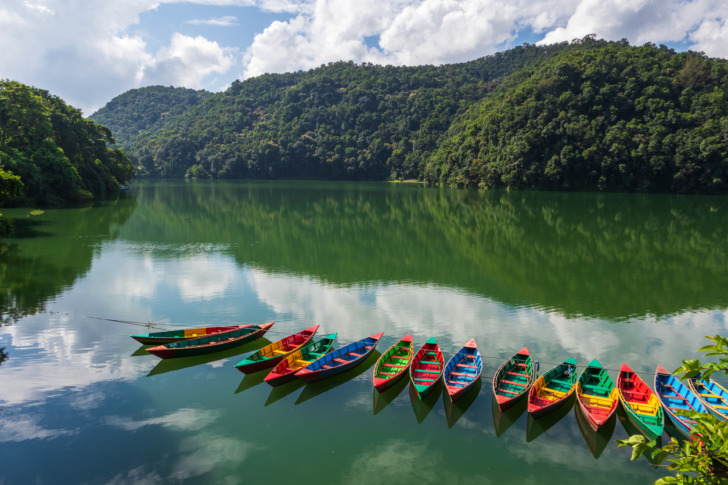
Pokhara is Nepal’s lakeside adventure capital, sitting beside Phewa Lake with the Annapurna range rising dramatically in the distance.
It is famous for mountain views, boating, paragliding, trekking routes, yoga retreats, cafes, waterfalls, caves, viewpoints, and its role as the gateway to some of Nepal’s most popular Himalayan trails.
Compared with Kathmandu, Pokhara feels calmer, cleaner, and easier to navigate, especially around Lakeside.
It is generally safe for travelers, including solo travelers and first-time visitors to Nepal.
But Pokhara is still a real adventure destination, not a resort bubble.
The main risks are road accidents, trekking injuries, paragliding safety, lake accidents, monsoon landslides, earthquakes, food and water illness, petty theft, and transport scams.
Pokhara is safe, but only if you respect the mountains, roads, and weather.
Warnings & Dangers in Pokhara

OVERALL RISK: MEDIUM
Pokhara is a medium-risk destination overall. The city itself is fairly safe, especially around Lakeside, but the surrounding activities create added risk. Trekking, paragliding, boating, scooter riding, road travel, altitude changes, and monsoon conditions all require caution. Most travelers have safe visits when they plan well.

TRANSPORT & TAXIS RISK: MEDIUM
Transport is one of the bigger risks in Pokhara. Taxis, buses, scooters, private cars, and tourist vehicles are common, but roads can be rough, crowded, narrow, or poorly lit. Long-distance road travel in Nepal can be tiring and unpredictable. Agree on taxi fares before riding and avoid unnecessary night travel.

PICKPOCKETS RISK: MEDIUM
Pickpocketing is not extreme, but it can happen in Lakeside, bus stations, markets, festivals, crowded viewpoints, and tourist areas. Keep phones, wallets, and bags secure, especially when distracted by lake views, street shopping, or transport. Do not leave valuables unattended in cafes, boats, or guesthouse common areas.

NATURAL DISASTERS RISK: MEDIUM
Pokhara has a medium natural disaster risk because Nepal is prone to earthquakes, landslides, monsoon rains, flooding, and mountain weather changes. Trails can close, roads can wash out, and visibility can change quickly. The city is safer than remote mountain zones, but outdoor plans should always depend on weather and local advice.

MUGGING RISK: LOW
Mugging is uncommon in Pokhara, especially in the main tourist areas. Lakeside, restaurants, cafes, hotels, and busy streets are generally safe during the day and evening. Still, avoid dark roads, isolated lakeside areas, quiet alleys, and empty viewpoints late at night if alone or carrying valuables.

TERRORISM RISK: LOW
The terrorism risk in Pokhara is low. Travelers are much more likely to deal with road safety, weather, trekking issues, petty theft, illness, or activity-related accidents. Normal awareness around transport hubs, large gatherings, and public events is enough. Terrorism is not a major day-to-day concern for visitors.

SCAMS RISK: MEDIUM
Scams and overcharging can happen with taxis, trekking guides, gear rentals, paragliding operators, money exchange, souvenir shops, and travel agencies. Always confirm prices, permits, inclusions, safety standards, and cancellation terms before booking. Very cheap adventure activities should be treated carefully, because safety matters more than saving a few dollars.

WOMEN TRAVELERS RISK: LOW
Pokhara is generally safe for women travelers, including solo women. Lakeside is social, tourist-friendly, and comfortable. Normal precautions still apply: avoid walking alone on quiet roads late at night, use trusted transport, dress modestly outside tourist areas, and choose well-reviewed accommodation. Unwanted attention can happen, but serious incidents are uncommon.

TAP WATER RISK: HIGH
Do not drink tap water in Pokhara unless it has been properly filtered, boiled, or treated. Use sealed bottled water or reliable filtered refill stations. Be cautious with ice, raw salads, and street drinks if hygiene is unclear. Stomach illness is one of the most common travel problems in Nepal.
Safest Places to Visit in Pokhara
Lakeside
Lakeside is the safest and most convenient base for most travelers.
It has hotels, restaurants, cafes, shops, travel agencies, yoga studios, lake access, and easy transport options.
During the day and evening, it feels relaxed and comfortable.
The main risks are petty theft, overpriced services, and occasional nightlife-related issues.
It is the best area for first-time visitors who want walkability and easy access to tours.
Phewa Lake
Phewa Lake is one of Pokhara’s most famous attractions and generally safe when visited responsibly.
Boating is popular, especially to the Tal Barahi Temple on the small island.
Use life jackets, avoid boating during storms or strong wind, and do not swim in unsafe areas.
Keep valuables secure while on the water and avoid lake edges late at night.
World Peace Pagoda
The World Peace Pagoda is a safe and scenic viewpoint above Pokhara, offering views of the lake, city, and mountains on clear days.
It can be reached by hiking, taxi, boat-plus-walk, or organized transport.
Visit during daylight, wear decent shoes, and avoid walking back on isolated trails after dark.
The main risks are heat, slippery paths, and transport planning.
Sarangkot
Sarangkot is famous for sunrise views over the Annapurna range and as a paragliding launch area.
It is generally safe when reached with trusted transport and visited during good weather.
The road can be winding, and early morning traffic can be busy during peak season.
If paragliding, choose a reputable operator with clear safety standards.
Davis Falls and Gupteshwor Cave
Davis Falls and nearby Gupteshwor Cave are popular daytime attractions and generally safe if you stick to marked areas.
Watch your footing near wet stone, steps, railings, and cave paths.
During heavy rain, be extra careful around water and slippery surfaces.
These are easy visits, but not places for careless climbing or risky photos.
Places to Avoid in Pokhara
Isolated Lakeside Areas Late at Night
Lakeside is safe, but quiet stretches near the water can feel isolated late at night.
Avoid wandering alone in dark lakeside spots, especially after drinking or carrying valuables.
Stick to active restaurant streets, lit areas, and known routes back to your hotel.
Unverified Paragliding Operators
Paragliding is one of Pokhara’s signature activities, but operator choice matters.
Avoid companies with unclear pricing, poor safety explanations, vague insurance details, or pressure tactics.
Choose experienced, well-reviewed operators who explain weather, equipment, pilot credentials, and cancellation policies clearly.
Mountain Roads in Bad Weather
Roads around Pokhara and toward trekking areas can become risky during rain, fog, landslides, or poor visibility.
Avoid unnecessary road travel during heavy monsoon conditions or late at night.
If a driver, hotel, or guide advises delaying a trip, take the advice seriously.
Remote Trails Without Preparation
Do not head into remote trekking areas without proper gear, permits, route knowledge, and weather awareness.
Even popular routes can become risky because of rain, landslides, altitude, fatigue, or injury.
If you are not experienced, use a licensed guide or reputable trekking agency.
Cheap Gear or Tour Shops With Vague Terms
Pokhara has many trekking shops and travel agencies.
Many are legitimate, but not all gear, guides, or tour packages are equal.
Avoid booking based only on the lowest price.
Ask what is included, whether permits are handled, what happens in bad weather, and what safety equipment is provided.
Safety Tips for Traveling to Pokhara
- Choose your adventure operators carefully. Pokhara is built around adventure tourism, and your safety depends heavily on who you book with. Whether it is paragliding, trekking, rafting, canyoning, mountain biking, or jeep travel, choose operators with strong reviews, clear safety standards, proper equipment, and transparent prices. Cheap is nice. Safe is better. Mountains and thermals are not where you want bargain-bin decision-making.
- Do not drink tap water. Water safety is one of the easiest ways to protect your trip. Drink sealed bottled water, boiled water, or properly filtered water. Use safe water for brushing teeth if you are sensitive. Avoid ice in small local places unless you trust the source. Stomach illness can ruin a Pokhara trip faster than a rainy sunrise.
- Be careful with scooters. Scooters are available in Pokhara, but they are risky if you are not experienced. Roads can be uneven, crowded, dusty, wet, or full of unexpected obstacles. If you rent one, wear a helmet, avoid night riding, do not drink and ride, and check brakes and tires before leaving. For many visitors, taxis are safer.
- Plan trekking with respect. Pokhara is a gateway to major trekking routes, but the Himalayas should not be treated casually. Check weather, permits, altitude, gear, trail conditions, and guide options before going. Bring proper shoes, layers, water treatment, and a realistic itinerary. Even short treks can become difficult in bad weather or with poor preparation.
- Watch the weather before paragliding. Paragliding depends on wind, visibility, and stable conditions. If your flight is delayed or canceled because of weather, accept it. Do not pressure operators to fly when conditions are questionable. A cloudy mountain view is disappointing. A bad launch decision is much worse.
- Keep valuables secure in Lakeside. Lakeside feels relaxed, but it is still a tourist area. Keep bags zipped in cafes, shops, and markets. Do not leave your phone on a table or your backpack unattended in guesthouse common spaces. Carry only the cash you need for the day and keep a backup card stored separately.
- Use trusted taxis and agree on fares. Taxis in Pokhara are generally safe, but fares should be agreed before the ride if no meter is used. Ask your hotel what a fair price should be for common routes. For early morning Sarangkot trips, airport transfers, or distant attractions, confirm pickup time, fare, and return arrangements clearly.
- Avoid night road travel when possible. Road conditions in Nepal can be challenging, and night travel adds risk because of poor lighting, tired drivers, animals, potholes, landslides, and limited roadside help. For longer trips to Kathmandu, Chitwan, Lumbini, or trailheads, daytime travel is safer. If you must travel at night, use a reputable operator.
- Carry cash, but split it up. Cards work in many hotels and restaurants in Lakeside, but cash is still important for taxis, guides, small shops, permits, tips, local food, and rural areas. Use secure ATMs and split your cash between a wallet and a backup location. Avoid flashing large amounts in public.
- Give yourself buffer days. Weather can affect Pokhara more than travelers expect. Mountain views may disappear behind clouds, flights can be delayed, roads can slow down, and trekking conditions can change. Build extra time into your itinerary, especially before international flights or major treks. Nepal rewards flexible travelers and punishes tight schedules with impressive creativity.
So... How Safe Is Pokhara Really?
Pokhara is one of Nepal’s safer and more comfortable travel bases, especially around Lakeside.
Violent crime is uncommon, the city has a relaxed atmosphere, and tourism infrastructure is strong compared with many parts of the country.
Families, solo travelers, couples, backpackers, trekkers, and adventure travelers can all enjoy Pokhara safely with the right precautions.
The main risks are not usually urban crime.
They are activity-related and environmental.
Paragliding, trekking, boating, road travel, scooters, monsoon weather, landslides, earthquakes, and food or water illness are the issues travelers need to take seriously.
A visitor who only stays in Lakeside and takes gentle day trips has a different risk level than someone trekking, riding scooters, and booking adventure sports.
I would rate Pokhara as medium risk overall, mostly because of roads, outdoor activities, and natural hazards.
The city itself feels low risk, but the surrounding adventures raise the safety level.
Use trusted operators, avoid tap water, respect weather, wear proper gear, and do not rush into cheap tours or risky transport.
Do that, and Pokhara is one of the most rewarding and beautiful places to visit in Nepal.
How Does Pokhara Compare?
| City | Safety Index |
|---|---|
 Pokhara Pokhara |
76 |
| Kathmandu |
60 |
 Kribi Kribi | 57 |
 Hamilton Township Hamilton Township | 72 |
 Ankara Ankara | 58 |
 Tarrafal Tarrafal | 75 |
 Kingston Kingston | 48 |
| Weslaco | 68 |
Useful Information

Visas
Pokhara is in Nepal. Many travelers can get a tourist visa on arrival or apply online before travel, depending on nationality. Visa rules and fees depend on length of stay and passport type. Keep your passport valid, carry passport photos or digital copies if needed, and save accommodation and onward travel details.

Currency
Pokhara uses the Nepalese rupee. Cash is important for taxis, local food, small shops, trekking permits, tips, guides, and rural areas. Cards are accepted in many hotels and larger restaurants in Lakeside, but not everywhere. ATMs are available, though they may have withdrawal limits or occasional outages.

Weather
Pokhara has warm, humid summers, a strong monsoon season, mild winters, and excellent mountain-view periods in clearer months. Monsoon can bring heavy rain, landslides, leeches on trails, and poor visibility. Autumn and spring are popular for trekking. Pack layers, rain protection, sunscreen, insect repellent, and proper walking shoes.

Airports
Pokhara is served by Pokhara International Airport, with domestic and regional travel links depending on schedules. Many travelers also arrive by road from Kathmandu or other parts of Nepal. Flights and road journeys can be affected by weather, visibility, and delays, so avoid planning tight connections.

Travel Insurance
Travel insurance is strongly recommended for Pokhara, especially if you plan trekking, paragliding, boating, rafting, scooter riding, mountain biking, or road travel. Make sure your policy covers adventure activities, altitude, emergency evacuation, medical care, cancellations, theft, lost luggage, and weather-related disruptions.
Pokhara Weather Averages (Temperatures)
Average High/Low Temperature
| Temperature / Month | Jan | Feb | Mar | Apr | May | Jun | Jul | Aug | Sep | Oct | Nov | Dec |
|---|---|---|---|---|---|---|---|---|---|---|---|---|
| High °C |
20 | 22 | 27 | 30 | 30 | 31 | 30 | 30 | 29 | 28 | 24 | 21 |
| Low °C |
7 | 9 | 13 | 16 | 18 | 21 | 22 | 22 | 21 | 17 | 12 | 8 |
| High °F |
68 | 72 | 81 | 86 | 86 | 88 | 86 | 86 | 84 | 82 | 75 | 70 |
| Low °F |
45 | 48 | 55 | 61 | 64 | 70 | 72 | 72 | 70 | 63 | 54 | 46 |
Nepal - Safety by City
| City | Safety Index |
|---|---|
| Kathmandu | 60 |
| Pokhara | 76 |
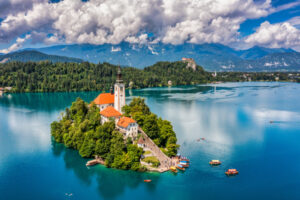
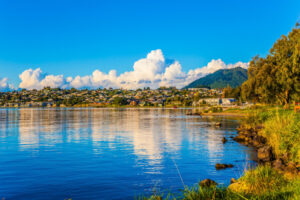












Never thought boating on Phewa Lake could feel this peaceful while the mountains make you almost forget about everything else.