


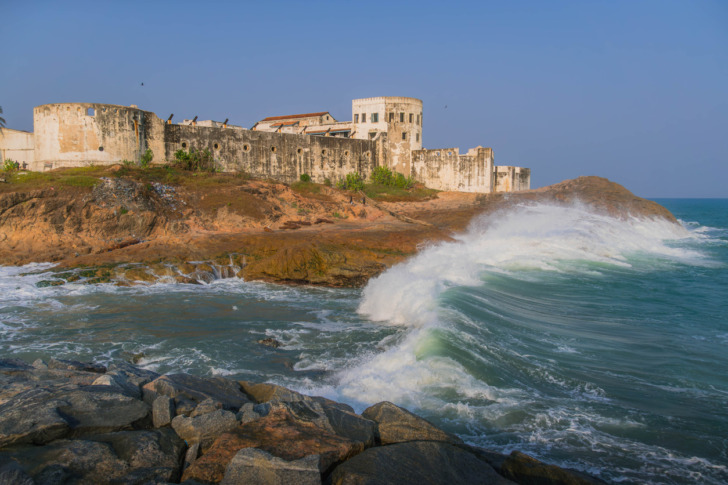
Cape Coast is one of Ghana’s most important historic cities, sitting along the Gulf of Guinea in the country’s Central Region.
It is best known for Cape Coast Castle, a major site connected to the transatlantic slave trade, and for its role as a center of education, coastal culture, fishing, and colonial history.
Travelers often visit Cape Coast together with Elmina Castle, Kakum National Park, beaches, local markets, and heritage tours.
The city is generally manageable and welcoming for tourists, especially when visiting known attractions with guides or trusted transport.
But it is not a resort bubble.
Cape Coast has typical urban and coastal risks, including petty theft, road safety issues, beach hazards, aggressive vendors, heat, unreliable transport, and the need for extra awareness at night.
It is safe enough to visit, but it rewards planning.
Warnings & Dangers in Cape Coast

OVERALL RISK: MEDIUM
Cape Coast is a medium-risk destination for travelers. Most visits are trouble-free, and locals are often friendly and helpful. The main concerns are petty theft, road travel, beach safety, scams, health precautions, and avoiding poorly lit or unfamiliar areas at night. Use trusted transport, stay aware, and keep valuables low-key.

TRANSPORT & TAXIS RISK: MEDIUM
Transport is one of the biggest safety concerns in Cape Coast. Taxis, tro-tros, buses, private drivers, and intercity coaches are common, but road conditions and driving habits can be unpredictable. Night travel is best avoided when possible. Use reputable drivers, agree on fares before riding, and allow extra time for delays.

PICKPOCKETS RISK: MEDIUM
Pickpocketing can happen in busy markets, transport stations, beaches, public events, and tourist areas. The risk is not overwhelming, but visitors should stay alert. Keep phones and wallets secure, avoid flashing cash, and do not leave bags unattended. Crowded areas and transport points deserve the most caution.

NATURAL DISASTERS RISK: MEDIUM
Cape Coast has a medium natural risk because of heavy rain, coastal erosion, flooding, strong surf, heat, and humidity. The ocean can be rough, and swimming conditions are not always safe. Rainy periods can affect roads and outdoor plans. Heat exhaustion and dehydration are also realistic concerns for visitors.

MUGGING RISK: MEDIUM
Mugging is not common in main tourist areas during the day, but the risk rises at night, on quiet streets, isolated beaches, or poorly lit roads. Avoid walking alone after dark, especially with visible valuables. Use trusted taxis or hotel-arranged transport when moving around in the evening.

TERRORISM RISK: LOW
The terrorism risk in Cape Coast is low. The city is not a major terrorism target, and travelers are much more likely to face road, theft, health, or beach-related issues. Normal awareness in crowded places, transport stations, and public events is enough for most visitors.

SCAMS RISK: MEDIUM
Scams are usually mild but possible. Watch for inflated taxi fares, unofficial guides, vague tour prices, aggressive souvenir sellers, fake charity requests, and people offering help before demanding money. Always confirm prices before agreeing to transport, tours, or services. Use licensed or well-reviewed guides for heritage sites.

WOMEN TRAVELERS RISK: MEDIUM
Women can travel safely in Cape Coast, including solo travelers, but extra caution is smart. Avoid isolated beaches or quiet streets alone, especially after dark. Dress modestly outside beach areas, use trusted transport, and choose well-reviewed accommodation. Harassment is not constant, but unwanted attention can happen.

TAP WATER RISK: MEDIUM
Tap water is not recommended for most travelers in Cape Coast. Use sealed bottled water or properly filtered water for drinking and brushing teeth if you have a sensitive stomach. Avoid ice unless you trust the source. Food is generally fine at busy, clean places, but street food should be chosen carefully.
Safest Places to Visit in Cape Coast
Cape Coast Castle
Cape Coast Castle is the city’s most important attraction and one of the safest places for visitors during opening hours.
It is a structured historic site with guides, staff, and steady tourist traffic.
The visit is emotional and historically heavy, so give yourself time.
Outside the site, watch belongings around vendors, taxis, and busy areas near the entrance.
Elmina Castle
Elmina Castle, located nearby in Elmina, is another major heritage site and generally safe to visit with trusted transport.
The town around it is active and interesting, but visitors should avoid wandering too far into unfamiliar areas without a guide.
Use a reputable driver or organized tour if visiting both castles in one day.
Kakum National Park
Kakum National Park is one of the safest and most popular day trips from Cape Coast.
Its canopy walkway, rainforest setting, and guided nature experiences attract many visitors.
The main safety issues are slippery paths, heights, insects, heat, and transport logistics.
Wear proper shoes, bring water, and follow park instructions.
University of Cape Coast Area
The area around the University of Cape Coast is generally calmer and more organized than some parts of the city center.
It has student activity, guesthouses, shops, and transport options.
It is still important to use normal caution at night and avoid walking on quiet roads after dark.
Beachfront Hotels and Guesthouses
Well-reviewed beachfront hotels and guesthouses can be safe and comfortable bases, especially if they offer transport assistance, restaurant options, and secure compounds.
The beach itself still requires caution, especially at night or when swimming.
Choose accommodation with good recent reviews, clear location details, and reliable staff.
Places to Avoid in Cape Coast
Isolated Beaches After Dark
Cape Coast’s beaches can be beautiful, but isolated beaches after dark are not safe places to wander.
The risks include theft, poor lighting, rough water, lack of nearby help, and alcohol-related incidents.
If you want an evening by the sea, stay within your hotel, restaurant area, or a well-lit beach venue.
Quiet Streets at Night
Avoid walking alone through quiet streets, side roads, or poorly lit areas after dark.
Even if the city feels friendly during the day, nighttime changes the risk level.
Use trusted taxis, hotel-arranged drivers, or transport recommended by your accommodation.
This is one of the simplest ways to stay safe.
Unofficial Guide Approaches
Around major tourist sites, some people may offer guide services, transport, or historical explanations without clear credentials.
Some are harmless, but others may pressure you for money afterward.
Use official guides at castles, park staff at Kakum, or guides arranged through trusted hotels and tour companies.
Rough Surf Areas
Do not assume every beach near Cape Coast is safe for swimming.
The Atlantic can have strong currents, rough surf, sudden drop-offs, and limited lifeguard coverage.
If locals advise against swimming, listen.
When in doubt, enjoy the beach from the sand or swim only where conditions are clearly safe.
Intercity Road Travel Late at Night
Travel between Accra, Cape Coast, Elmina, and other towns is best done during the day.
Night driving can involve poor visibility, speeding vehicles, road hazards, and limited assistance if something goes wrong.
If you are arriving late, consider staying near your arrival point and traveling onward the next morning.
Safety Tips for Traveling to Cape Coast
- Use trusted transport. Transport planning is one of the most important safety steps in Cape Coast. Use hotel-arranged taxis, reputable private drivers, known tour companies, or established bus services for intercity travel. Agree on fares before riding if there is no meter. For longer trips, avoid night travel when possible and build in extra time for traffic, road conditions, and delays.
- Visit major historic sites with official guides. Cape Coast Castle and Elmina Castle are deeply important historic places, and official guides make the experience more meaningful and safer. They help you understand the history, avoid confusion, and reduce the chance of being pressured by unofficial guides outside. If someone approaches you with unclear pricing, politely decline and use the official system.
- Keep valuables low-key. Cape Coast is not a place to show off expensive watches, jewelry, cameras, or large amounts of cash. Keep your phone secure, use a crossbody bag or front pocket, and only carry what you need for the day. Leave passports and backup cards locked at your accommodation if possible. Looking modest and practical is a good safety strategy.
- Avoid walking alone at night. During the day, many parts of Cape Coast feel relaxed and manageable. At night, it is better to use transport, especially if you are alone, carrying valuables, or staying outside the busiest areas. Quiet streets, dark roads, and empty beach stretches are not worth the risk. A short taxi ride is a small price for peace of mind.
- Be cautious with the ocean. The beaches near Cape Coast are scenic, but the Atlantic can be rough. Strong currents and waves can make swimming risky, especially where there are no lifeguards. Ask locals or hotel staff where it is safe to swim, and avoid entering the water during rough conditions. Never swim after drinking or at night.
- Choose accommodation carefully. A good hotel or guesthouse makes Cape Coast much easier. Look for recent reviews, secure rooms, reliable staff, clear location details, transport help, and food options nearby. Staying somewhere with trusted drivers or tour contacts reduces stress and lowers your risk. A cheap room far from everything can become expensive in inconvenience.
- Carry water and protect yourself from the heat. Cape Coast is hot and humid, and sightseeing can be tiring. Drink bottled or filtered water regularly, wear sunscreen, use a hat, and take breaks in the shade. Visiting castles, markets, beaches, and Kakum in one day can be physically draining. Heat exhaustion is a realistic risk, especially for travelers not used to tropical humidity.
- Use mosquito protection. Mosquitoes are an important health concern in Ghana. Use repellent, sleep in screened or air-conditioned rooms where possible, and consider medical advice before traveling regarding malaria prevention. Long sleeves in the evening can help. This is not glamorous travel advice, but neither is spending your trip sick in bed.
- Confirm prices before agreeing. Whether it is a taxi, guide, souvenir, beach service, or day trip, confirm the price before accepting. Friendly conversations can turn into payment expectations if the terms are vague. Be polite but clear. If a price feels too high, negotiate or walk away. Ghanaian hospitality is real, but tourist pricing is also real.
- Plan day trips realistically. Cape Coast works well with Elmina Castle and Kakum National Park, but do not overload your day. Roads, weather, tour timing, heat, and emotional fatigue from the castle visits can slow you down. A rushed itinerary increases stress and mistakes. Give yourself time to experience the history properly and move around safely.
So... How Safe Is Cape Coast Really?
Cape Coast is safe enough for prepared travelers, but it should be treated as a medium-risk destination rather than a carefree beach town.
The main historic sites are well visited, the city is used to tourists, and many visitors have positive experiences.
Cape Coast Castle, Elmina Castle, Kakum National Park, and well-reviewed hotels are all manageable with normal precautions.
The risks are mostly practical: petty theft, road travel, poor lighting at night, rough surf, heat, mosquitoes, and unofficial service approaches.
Violent crime against tourists is not the typical experience, but visitors should still avoid isolated areas, especially after dark.
Ghana is friendly, but friendliness should not replace awareness.
I would rate Cape Coast as medium risk overall.
During the day, with trusted transport and a sensible itinerary, it is a rewarding and important place to visit.
At night, or when moving through unfamiliar areas alone, the risk rises.
Keep valuables discreet, use official guides, avoid empty beaches after dark, drink bottled water, and plan transport carefully.
Do that, and Cape Coast can be one of the most meaningful stops in Ghana.
How Does Cape Coast Compare?
| City | Safety Index |
|---|---|
 Cape Coast Cape Coast |
70 |
 Brasilia Brasilia | 65 |
 Mostar Mostar | 72 |
 Santa Claus Santa Claus | 84 |
 Rabat Rabat | 75 |
| Fort Scott | 57 |
 Monterrey Monterrey | 58 |
Useful Information

Visas
Cape Coast is in Ghana. Many travelers need a visa before arrival, while some nationalities have visa-free or easier entry arrangements. Entry rules depend on passport nationality, so check requirements before traveling. Visitors may also need proof of yellow fever vaccination. Keep accommodation and return travel details available.

Currency
Cape Coast uses the Ghanaian cedi. Cash is important for taxis, markets, small restaurants, tips, local guides, and small shops. Cards may work at larger hotels and some restaurants, but do not rely on them everywhere. Use ATMs in secure locations and carry smaller notes for daily spending.

Weather
Cape Coast has a hot, humid tropical climate. Expect warm temperatures year-round, with wetter periods that can affect roads and outdoor plans. Light clothing, sunscreen, insect repellent, sunglasses, and breathable shoes are useful. Rain can come suddenly, so a light rain jacket or umbrella is helpful during wetter months.

Airports
Cape Coast does not have a major international airport. Most travelers fly into Kotoka International Airport in Accra, then travel by road to Cape Coast. The drive can take several hours depending on traffic and road conditions. Private transfers, buses, and organized tours are common options.

Travel Insurance
Travel insurance is strongly recommended for Cape Coast. Good coverage should include medical care, theft, lost luggage, cancellations, road travel issues, and emergency assistance. If your trip includes Kakum National Park, beach activities, or longer road journeys, check that your policy covers outdoor activities and medical evacuation if needed.
Cape Coast Weather Averages (Temperatures)
Average High/Low Temperature
| Temperature / Month | Jan | Feb | Mar | Apr | May | Jun | Jul | Aug | Sep | Oct | Nov | Dec |
|---|---|---|---|---|---|---|---|---|---|---|---|---|
| High °C |
31 | 31 | 32 | 32 | 31 | 29 | 28 | 27 | 28 | 29 | 30 | 30 |
| Low °C |
23 | 24 | 24 | 24 | 24 | 23 | 23 | 23 | 23 | 24 | 24 | 23 |
| High °F |
88 | 88 | 90 | 90 | 88 | 84 | 82 | 81 | 82 | 84 | 86 | 86 |
| Low °F |
73 | 75 | 75 | 75 | 75 | 73 | 73 | 73 | 73 | 75 | 75 | 73 |
Ghana - Safety by City
| City | Safety Index |
|---|---|
| Cape Coast | 70 |
















Did you find the local markets around Cape Coast more lively in the mornings or afternoons?
The heat near the beach was no joke, but those stories behind Cape Coast Castle really stick with you.