


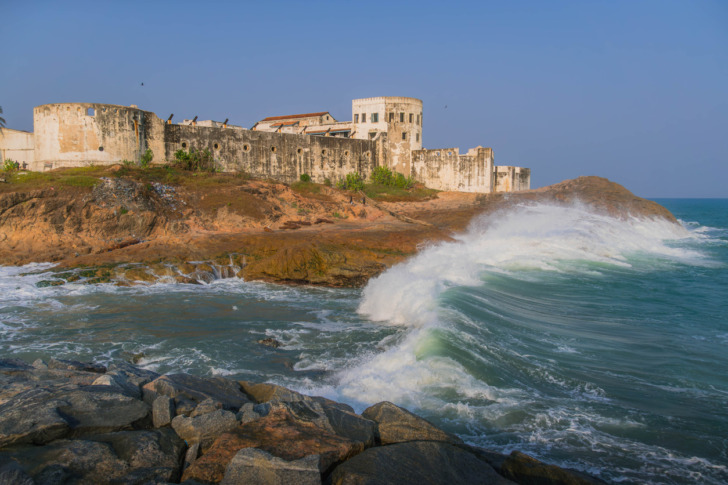
Cape Coast é uma das cidades históricas mais importantes de Gana, situada ao longo do Golfo da Guiné, na Região Central do país.
É mais conhecida pelo Castelo de Cape Coast, um importante local ligado ao comércio transatlântico de escravos, e por seu papel como centro de educação, cultura costeira, pesca e história colonial.
Os viajantes costumam visitar Cape Coast juntamente com o Castelo de Elmina, o Parque Nacional Kakum, praias, mercados locais e passeios patrimoniais.
A cidade é geralmente gerenciável e acolhedora para turistas, especialmente ao visitar atrações conhecidas com guias ou transporte confiável.
Mas não é uma bolha turística.
Cape Coast apresenta riscos urbanos e costeiros típicos, incluindo pequenos furtos, problemas de segurança no trânsito, perigos nas praias, vendedores agressivos, calor, transporte pouco confiável e a necessidade de maior atenção à noite.
É seguro o suficiente para visitar, mas requer planejamento.
Avisos e Perigos: Cape Coast

RISCO GERAL: MÉDIO
Cape Coast é um destino de risco médio para viajantes. A maioria das visitas ocorre sem problemas, e os moradores locais costumam ser amigáveis e prestativos. As principais preocupações são pequenos furtos, viagens rodoviárias, segurança nas praias, golpes, precauções de saúde e evitar áreas mal iluminadas ou desconhecidas à noite. Use transporte confiável, mantenha-se atento e mantenha os objetos de valor discretos.

RISCOS EM TRANSPORTES E TAXIS: MÉDIO
O transporte é uma das maiores preocupações de segurança em Cape Coast. Táxis, tro-tros, ônibus, motoristas particulares e ônibus intermunicipais são comuns, mas as condições das estradas e os hábitos de direção podem ser imprevisíveis. É melhor evitar viagens noturnas sempre que possível. Use motoristas confiáveis, combine as tarifas antes de embarcar e reserve tempo extra para atrasos.

RISCOS DE ABATIMENTO DE CARTEIRA: MÉDIO
O furto por batedor de carteiras pode acontecer em mercados movimentados, estações de transporte, praias, eventos públicos e áreas turísticas. O risco não é excessivo, mas os visitantes devem permanecer alertas. Mantenha telefones e carteiras seguros, evite mostrar dinheiro em público e não deixe bolsas desacompanhadas. Áreas lotadas e pontos de transporte merecem mais cautela.

RISCOS DE DESASTRES NATURAIS: MÉDIO
Cape Coast tem um risco natural médio devido a chuvas intensas, erosão costeira, inundações, ondas fortes, calor e umidade. O oceano pode estar agitado, e as condições para nadar nem sempre são seguras. Períodos chuvosos podem afetar as estradas e os planos ao ar livre. Exaustão pelo calor e desidratação também são preocupações reais para os visitantes.

RISCO DE ASSALTO: MÉDIO
Assaltos à mão armada não são comuns nas principais áreas turísticas durante o dia, mas o risco aumenta à noite, em ruas tranquilas, praias isoladas ou estradas mal iluminadas. Evite caminhar sozinho após o anoitecer, especialmente com objetos de valor visíveis. Use táxis confiáveis ou transporte organizado pelo hotel ao se deslocar à noite.

RISCO DE TERRORISMO: BAIXO
O risco de terrorismo em Cape Coast é baixo. A cidade não é um alvo principal de terrorismo, e os viajantes têm muito mais probabilidade de enfrentar problemas relacionados a estradas, furtos, saúde ou praias. A atenção normal em locais lotados, estações de transporte e eventos públicos é suficiente para a maioria dos visitantes.

RISCO DE GOLPES: MÉDIO
Golpes geralmente são leves, mas possíveis. Fique atento a tarifas de táxi inflacionadas, guias não oficiais, preços vagos de passeios, vendedores agressivos de souvenirs, pedidos falsos de caridade e pessoas oferecendo ajuda antes de exigir dinheiro. Sempre confirme os preços antes de concordar com transporte, passeios ou serviços. Use guias licenciados ou bem avaliados para locais históricos.

RISCOS PARA VIAJANTES MULHERES: MÉDIO
Mulheres podem viajar com segurança em Cape Coast, incluindo viajantes solo, mas é inteligente ter cautela extra. Evite praias isoladas ou ruas silenciosas sozinha, especialmente após o anoitecer. Vista-se modestamente fora das áreas de praia, use transporte confiável e escolha acomodações bem avaliadas. Assédio não é constante, mas atenção indesejada pode acontecer.

RISCO REFERENTE À ÁGUA DA TORNEIRA: MÉDIO
A água da torneira não é recomendada para a maioria dos viajantes em Cape Coast. Use água engarrafada selada ou água devidamente filtrada para beber e escovar os dentes se você tiver um estômago sensível. Evite gelo a menos que confie na fonte. A comida geralmente é boa em lugares movimentados e limpos, mas a comida de rua deve ser escolhida com cuidado.
Lugares mais Seguros para Visitar: Cape Coast
Castelo de Cape Coast
O Castelo de Cape Coast é a atração mais importante da cidade e um dos lugares mais seguros para visitantes durante o horário de funcionamento.
É um sítio histórico estruturado com guias, funcionários e fluxo constante de turistas.
A visita é emocional e historicamente pesada, então reserve tempo para ela.
Fora do local, fique atento aos seus pertences perto de vendedores, táxis e áreas movimentadas próximas à entrada.
Castelo de Elmina
O Castelo de Elmina, localizado nas proximidades em Elmina, é outro importante sítio histórico e geralmente seguro para visitar com transporte confiável.
A cidade ao redor é ativa e interessante, mas os visitantes devem evitar se afastar demais para áreas desconhecidas sem um guia.
Use um motorista de confiança ou um tour organizado se for visitar ambos os castelos no mesmo dia.
Parque Nacional Kakum
O Parque Nacional Kakum é uma das viagens de um dia mais seguras e populares a partir de Cape Coast.
Seu passadiço na copa das árvores, ambiente de floresta tropical e experiências guiadas na natureza atraem muitos visitantes.
Os principais riscos de segurança são caminhos escorregadios, alturas, insetos, calor e logística de transporte.
Use calçados adequados, leve água e siga as instruções do parque.
Área da Universidade de Cape Coast
A área ao redor da Universidade de Cape Coast é geralmente mais calma e organizada do que algumas partes do centro da cidade.
Tem atividade estudantil, pousadas, lojas e opções de transporte.
Ainda é importante ter cautela normal à noite e evitar caminhar por ruas silenciosas após escurecer.
Hotéis e Pousadas à Beira-Mar
Hotéis e pousadas à beira-mar bem avaliados podem ser bases seguras e confortáveis, especialmente se oferecerem assistência de transporte, opções de restaurante e áreas seguras.
A própria praia ainda exige cautela, especialmente à noite ou ao nadar.
Escolha acomodações com boas avaliações recentes, detalhes claros de localização e funcionários confiáveis.
Lugares a Evitar: Cape Coast
Praias Isoladas Após o Anoitecer
As praias de Cape Coast podem ser lindas, mas praias isoladas após o anoitecer não são lugares seguros para passear.
Os riscos incluem roubo, iluminação precária, águas agitadas, falta de ajuda próxima e incidentes relacionados ao álcool.
Se quiser passar a noite à beira-mar, fique dentro do seu hotel, área de restaurante ou em um local de praia bem iluminado.
Ruas Silenciosas à Noite
Evite caminhar sozinho por ruas silenciosas, estradas secundárias ou áreas mal iluminadas após o anoitecer.
Mesmo que a cidade pareça amigável durante o dia, à noite o nível de risco muda.
Use táxis confiáveis, motoristas organizados pelo hotel ou transporte recomendado pela sua acomodação.
Esta é uma das maneiras mais simples de se manter seguro.
Abordagens de Guias Não Oficiais
Em torno dos principais pontos turísticos, algumas pessoas podem oferecer serviços de guia, transporte ou explicações históricas sem credenciais claras.
Alguns são inofensivos, mas outros podem pressioná-lo por dinheiro depois.
Use guias oficiais nos castelos, funcionários do parque em Kakum ou guias organizados por hotéis confiáveis e empresas de turismo.
Áreas de Ondas Fortes
Não presuma que toda praia perto de Cape Coast é segura para nadar.
O Atlântico pode ter correntes fortes, ondas agitadas, quedas repentinas e cobertura limitada de salva-vidas.
Se os locais aconselharem contra o banho, ouça.
Em caso de dúvida, aproveite a praia da areia ou nade apenas onde as condições forem claramente seguras.
Viagem Rodoviária Entre Cidades Tarde da Noite
Viajar entre Accra, Cape Coast, Elmina e outras cidades é melhor durante o dia.
Dirigir à noite pode envolver baixa visibilidade, veículos em alta velocidade, perigos na estrada e assistência limitada se algo der errado.
Se você chegar tarde, considere ficar perto do ponto de chegada e viajar no dia seguinte pela manhã.
Dicas de Segurança para Viajar para: Cape Coast
- Use transporte confiável. O planejamento do transporte é uma das etapas de segurança mais importantes em Cape Coast. Use táxis organizados pelo hotel, motoristas particulares de reputação, empresas de turismo conhecidas ou serviços de ônibus estabelecidos para viagens entre cidades. Combine as tarifas antes de viajar se não houver taxímetro. Para viagens mais longas, evite viajar à noite quando possível e reserve tempo extra para trânsito, condições das estradas e atrasos.
- Visite os principais locais históricos com guias oficiais. O Castelo de Cape Coast e o Castelo de Elmina são lugares históricos profundamente importantes, e guias oficiais tornam a experiência mais significativa e segura. Eles ajudam você a entender a história, evitar confusões e reduzir a chance de ser pressionado por guias não oficiais do lado de fora. Se alguém se aproximar com preços pouco claros, recuse educadamente e use o sistema oficial.
- Mantenha os objetos de valor discretos. Cape Coast não é um lugar para ostentar relógios caros, joias, câmeras ou grandes quantias em dinheiro. Mantenha seu telefone seguro, use uma bolsa transversal ou bolso frontal e carregue apenas o que precisa para o dia. Deixe passaportes e cartões reserva trancados na sua acomodação, se possível. Parecer modesto e prático é uma boa estratégia de segurança.
- Evite andar sozinho à noite. Durante o dia, muitas partes de Cape Coast parecem relaxadas e gerenciáveis. À noite, é melhor usar transporte, especialmente se você estiver sozinho, carregando objetos de valor ou hospedado fora das áreas mais movimentadas. Ruas silenciosas, estradas escuras e trechos vazios da praia não valem o risco. Uma corrida de táxi curta é um pequeno preço pela tranquilidade.
- Seja cauteloso com o oceano. As praias próximas a Cape Coast são cênicas, mas o Atlântico pode ser agitado. Correntes fortes e ondas podem tornar o nado arriscado, especialmente onde não há salva-vidas. Pergunte aos locais ou funcionários do hotel onde é seguro nadar e evite entrar na água em condições adversas. Nunca nade após beber ou à noite.
- Escolha a acomodação com cuidado. Um bom hotel ou pousada torna Cape Coast muito mais fácil. Procure avaliações recentes, quartos seguros, equipe confiável, detalhes claros da localização, ajuda com transporte e opções de alimentação próximas. Ficar em um lugar com motoristas ou contatos de turismo confiáveis reduz o estresse e diminui seu risco. Um quarto barato longe de tudo pode se tornar caro em inconveniência.
- Carregue água e proteja-se do calor. Cape Coast é quente e úmida, e fazer turismo pode ser cansativo. Beba água engarrafada ou filtrada regularmente, use protetor solar, chapéu e faça pausas na sombra. Visitar castelos, mercados, praias e Kakum em um dia pode ser fisicamente exaustivo. Exaustão pelo calor é um risco real, especialmente para viajantes não acostumados com a umidade tropical.
- Use proteção contra mosquitos. Mosquitos são uma preocupação importante de saúde em Gana. Use repelente, durma em quartos com telas ou ar-condicionado quando possível e considere aconselhamento médico antes de viajar sobre prevenção da malária. Mangas compridas à noite podem ajudar. Este não é um conselho de viagem glamouroso, mas também não é passar a viagem doente na cama.
- Confirme os preços antes de aceitar. Seja táxi, guia, souvenir, serviço de praia ou passeio de um dia, confirme o preço antes de aceitar. Conversas amigáveis podem se transformar em expectativas de pagamento se os termos forem vagos. Seja educado, mas claro. Se o preço parecer muito alto, negocie ou vá embora. A hospitalidade ganesa é real, mas os preços para turistas também são.
- Planeje passeios diários realisticamente. Cape Coast funciona bem com o Castelo de Elmina e o Parque Nacional Kakum, mas não sobrecarregue seu dia. Estradas, clima, horários de passeios, calor e fadiga emocional das visitas aos castelos podem atrasar você. Um itinerário apressado aumenta o estresse e os erros. Dê a si mesmo tempo para vivenciar a história adequadamente e se deslocar com segurança.
Então ... Cape Coast é realmente segura?
Cape Coast é seguro o suficiente para viajantes preparados, mas deve ser tratado como um destino de risco médio, e não como uma cidade praiana despreocupada.
Os principais locais históricos são bem visitados, a cidade está acostumada com turistas, e muitos visitantes têm experiências positivas.
Cape Coast Castle, Elmina Castle, Kakum National Park e hotéis bem avaliados são todos gerenciáveis com precauções normais.
Os riscos são principalmente práticos: pequenos furtos, viagens rodoviárias, iluminação precária à noite, mar agitado, calor, mosquitos e abordagens de serviços não oficiais.
Crimes violentos contra turistas não são a experiência típica, mas os visitantes ainda devem evitar áreas isoladas, especialmente após o anoitecer.
Gana é amigável, mas a simpatia não deve substituir a conscientização.
Eu classificaria Cape Coast como de risco médio no geral.
Durante o dia, com transporte confiável e um itinerário sensato, é um lugar recompensador e importante para visitar.
À noite, ou ao se deslocar sozinho por áreas desconhecidas, o risco aumenta.
Mantenha objetos de valor discretos, use guias oficiais, evite praias vazias após o anoitecer, beba água engarrafada e planeje o transporte cuidadosamente.
Faça isso, e Cape Coast pode ser uma das paradas mais significativas em Gana.
Cape Coast em Comparação a:
| Cidade | Índice de Segurança |
|---|---|
 Cape Coast Cape Coast |
70 |
 Two Harbors Two Harbors | 83 |
| Amherst | 87 |
 Nagasaki Nagasaki | 96 |
| Rogersville | 76 |
 Cebu City Cebu City | 60 |
 Flatts Village Flatts Village | 89 |
Informação Útil

Vistos
Cape Coast fica em Gana. Muitos viajantes precisam de visto antes da chegada, enquanto algumas nacionalidades têm isenção de visto ou arranjos de entrada facilitada. As regras de entrada dependem da nacionalidade do passaporte, portanto, verifique os requisitos antes de viajar. Os visitantes também podem precisar de comprovante de vacinação contra febre amarela. Mantenha os detalhes da acomodação e da viagem de retorno disponíveis.

Moeda
Cape Coast usa o cedi ganês. Dinheiro é importante para táxis, mercados, pequenos restaurantes, gorjetas, guias locais e pequenas lojas. Cartões podem funcionar em hotéis maiores e alguns restaurantes, mas não dependa deles em todos os lugares. Use caixas eletrônicos em locais seguros e carregue notas menores para gastos diários.

Clima
Cape Coast tem um clima tropical quente e úmido. Espere temperaturas quentes durante todo o ano, com períodos mais chuvosos que podem afetar as estradas e os planos ao ar livre. Roupas leves, protetor solar, repelente de insetos, óculos de sol e calçados respiráveis são úteis. A chuva pode chegar de repente, então uma jaqueta leve impermeável ou guarda-chuva é útil durante os meses mais chuvosos.

Aeroportos
Cape Coast não possui um aeroporto internacional importante. A maioria dos viajantes voa para o Aeroporto Internacional Kotoka em Accra, e depois viaja por estrada até Cape Coast. A viagem pode levar várias horas, dependendo do tráfego e das condições da estrada. Transfers privados, ônibus e excursões organizadas são opções comuns.

Seguro de Viagens
O seguro de viagem é fortemente recomendado para Cape Coast. Uma boa cobertura deve incluir cuidados médicos, roubo, bagagem perdida, cancelamentos, problemas em viagens rodoviárias e assistência de emergência. Se sua viagem incluir o Parque Nacional Kakum, atividades na praia ou viagens rodoviárias mais longas, verifique se sua apólice cobre atividades ao ar livre e evacuação médica, se necessário.
Cape Coast Média Climática (Temperatura)
Temperatura Média Alta/Baixa
| Temperatura / Mês | Jan | Fev | Mar | Abr | Maio | Jun | Jul | Ago | Set | Out | Nov | Dez |
|---|---|---|---|---|---|---|---|---|---|---|---|---|
| Alta °C |
31 | 31 | 32 | 32 | 31 | 29 | 28 | 27 | 28 | 29 | 30 | 30 |
| Baixa °C |
23 | 24 | 24 | 24 | 24 | 23 | 23 | 23 | 23 | 24 | 24 | 23 |
| Alta °F |
88 | 88 | 90 | 90 | 88 | 84 | 82 | 81 | 82 | 84 | 86 | 86 |
| Baixa °F |
73 | 75 | 75 | 75 | 75 | 73 | 73 | 73 | 73 | 75 | 75 | 73 |
Gana - Segurança por Cidade
| Cidade | Índice de Segurança |
|---|---|
| Cape Coast | 70 |

















Passei calor demais andando pelas praias e ainda tive que fugir de um vendedor insistente, mas o castelo vale cada gota de suor.
Já estive por lá e apesar de tudo o que falam, será que não exageram um pouco nos alertas de perigo, principalmente à noite? Eu achei que tomando cuidado básico e evitando algumas áreas, dava pra curtir tranquilo sem tanta preocupação.
Fiquei meio desconfortável com os vendedores insistentes perto do mercado, tem que ficar esperto mesmo.