


 Japan : Safety by City
- Fukuoka
- Hakone
- Hiroshima
- Kamakura
- Kanazawa
- Kyoto
- Nagasaki
- Nara
- Nikko
- Osaka
- Sapporo
- Sendai
- Tokyo
- Yokohama
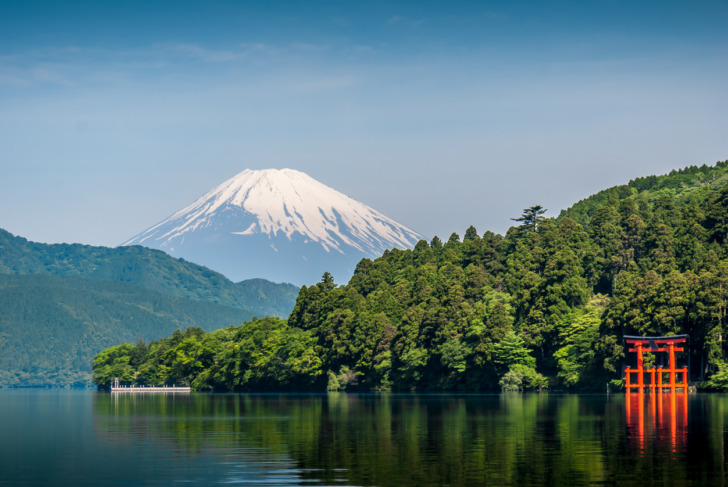
Hakone is one of Japan’s classic mountain escapes, sitting in Kanagawa Prefecture within the Fuji-Hakone-Izu National Park area, close enough to Tokyo for an easy overnight trip but scenic enough to feel like a complete change of world.
It is known for hot springs, ryokan stays, forested hills, ropeways, Lake Ashi, views of Mount Fuji, museums, old roads, and the steaming volcanic landscape of Owakudani.
Hakone is generally very safe from a crime perspective, in line with Japan’s overall low-crime travel environment.
The main risks are not street crime, but natural and practical hazards: volcanic gas, earthquakes, steep paths, weather changes, hot spring etiquette, transport disruptions, and driving on winding mountain roads.
Warnings & Dangers in Hakone

OVERALL RISK: LOW
Hakone is a low-risk destination for most travelers. Crime is rare, the tourist infrastructure is excellent, and the main attractions are well managed. The biggest concerns are weather, mountain transport delays, volcanic gas around Owakudani, slippery paths, hot spring safety, and getting stranded by late buses or ropeway closures.

TRANSPORT & TAXIS RISK: LOW
Transport is generally safe and efficient. Trains, buses, ropeways, cable cars, lake cruises, and taxis are commonly used by tourists. The risk is mainly logistical: mountain routes can be delayed by fog, snow, wind, rain, or maintenance. Driving is safe, but can be stressful on narrow, winding roads.

PICKPOCKETS RISK: LOW
Pickpocketing is uncommon in Hakone. Crowds around Hakone-Yumoto Station, ropeway stations, Lake Ashi cruises, and popular museums can create small opportunities, but the risk is low. Keep valuables secure, especially when handling luggage, buying tickets, or taking photos in crowded areas.

NATURAL DISASTERS RISK: MEDIUM
Natural hazard risk is medium because Hakone sits in a volcanic and mountainous region. Japan is prone to natural disasters, and Hakone specifically has volcanic activity around Owakudani, plus the wider risks of earthquakes, heavy rain, landslides, snow, fog, and storms. Follow local signs and closures seriously.

MUGGING RISK: LOW
Mugging is very rare in Hakone. The town areas, ryokan zones, stations, and main sightseeing routes feel safe during the day and evening. The bigger nighttime risk is missing transport, walking on dark rural roads, or slipping on poorly lit paths, rather than violent crime.

TERRORISM RISK: LOW
The terrorism risk in Hakone is low. It is a hot spring and nature destination rather than a major political or security target. Travelers should still use normal awareness at large stations, crowded transport points, and major attractions, but terrorism is not a realistic concern for most visits.

SCAMS RISK: LOW
Scams are uncommon in Hakone. Most businesses are professional, prices are clearly posted, and Japan’s tourism systems are reliable. The bigger issue is misunderstanding what is included in ryokan stays, onsen fees, transport passes, luggage forwarding, or meal plans. Read booking details carefully.

WOMEN TRAVELERS RISK: LOW
Hakone is generally very safe for women travelers, including solo women. Ryokan, trains, buses, museums, lakeside areas, and hot spring towns feel comfortable and orderly. Women should still use normal caution after dark on quiet roads and choose well-reviewed accommodation if traveling alone.

TAP WATER RISK: LOW
Tap water in Hakone is safe to drink, as it is in Japan generally. Mountain areas are also known for clean water, and restaurants commonly serve tap water. Carry a bottle, especially when walking trails, using ropeways, or exploring Lake Ashi and higher areas.
Safest Places to Visit in Hakone
Hakone-Yumoto
Hakone-Yumoto is one of the safest and easiest areas for first-time visitors.
It is the main gateway to Hakone, with train access, restaurants, shops, ryokan, cafes, souvenir stores, and buses to other parts of the region.
It is lively during the day and early evening, and it is a practical base if you want simple transport and less isolation from the mountains.
Gora
Gora is another safe and popular base, especially for ryokan stays, hot springs, museums, and access to the cable car and ropeway route.
It is quieter than Hakone-Yumoto, and more spread out, so check walking distances before booking.
Roads can be steep, but the area feels calm and secure.
Lake Ashi
Lake Ashi is one of Hakone’s safest and most scenic tourist areas when visited during normal operating hours.
The lake cruises, views of Mount Fuji, Hakone Shrine, and lakeside towns are well-visited and easy to enjoy.
Be careful near water edges, especially in rain, fog, or strong winds.
Hakone Open-Air Museum
The Hakone Open-Air Museum is a safe, structured attraction with open spaces, art installations, indoor galleries, and family-friendly walking paths.
It is a good choice when you want something easier than hiking or ropeways.
In wet weather, watch for slippery surfaces and bring an umbrella or rain jacket.
Hakone Shrine
Hakone Shrine and its famous lakeside torii gate are generally safe and peaceful during the day.
The forested setting, steps, and lakeside paths are beautiful but can be slippery after rain.
Visit earlier in the day to avoid peak photo crowds and allow enough time for the return trip.
Places to Avoid in Hakone
Owakudani During Closures or Gas Warnings
Owakudani is one of Hakone’s most famous places, but it is also an active volcanic area with sulfur vents and gas warnings.
Avoid the area if it is closed, if warnings are posted, or if you have respiratory issues, heart conditions, or are pregnant, and local signs advise caution.
Remote Trails in Bad Weather
Hakone has beautiful walking routes, but fog, rain, snow, and fading daylight can make trails more difficult.
Avoid remote paths during heavy rain, storms, or poor visibility.
Mountain weather can change quickly, and some trails have uneven steps, roots, rocks, or slippery slopes.
Dark Rural Roads After the Last Bus
Hakone is safe, but it is not a city where every route stays busy late. Avoid walking long distances on dark rural roads after buses stop running.
Some roads have limited sidewalks, sharp curves, and poor lighting.
Plan dinner and return transport before evening.
Lake Edges in Fog or Strong Wind
Lake Ashi is beautiful, but fog and wind can reduce visibility and make waterfront areas less comfortable.
Avoid climbing onto rocks, barriers, docks, or quiet shoreline edges for photos.
Stick to official paths, piers, and viewpoints.
Ryokan or Onsen Facilities Without Understanding the Rules
This is not “avoid” as in dangerous, but avoid entering onsen facilities without understanding the rules.
Wash before entering, do not wear swimsuits unless specifically allowed, keep towels out of the bath, and check tattoo policies.
Good etiquette prevents awkward moments and keeps the experience relaxing.
Safety Tips for Traveling to Hakone
- Plan transport before the evening. Hakone’s buses, ropeways, cable cars, and lake cruises are excellent, but many services do not run as late as city trains in Tokyo. Before dinner or an evening bath, check the last bus or train back to your accommodation. Missing transport in a mountain town is not dangerous in the dramatic sense, but it can be expensive, cold, and deeply annoying.
- Take Owakudani warnings seriously. Owakudani is fascinating, with steam vents, sulfur smells, black eggs, ropeway views, and volcanic scenery. But it is not a theme park pretending to be volcanic. It is actually volcanic. If trails are closed, gas warnings are posted, or the ropeway is suspended, do not try to get clever. Follow the rules.
- Pack layers. Hakone can feel much cooler than Tokyo, especially near Lake Ashi, Owakudani, or higher ropeway areas. The weather can shift from sunny to foggy or wet quickly. Bring layers, a light rain jacket, and comfortable shoes. In winter, expect cold temperatures and possible snow or ice.
- Wear shoes with grip. Hakone has slopes, stone paths, forest trails, shrine steps, wet station platforms, and ryokan entrances where you are constantly taking shoes on and off. Comfortable shoes with grip make the entire trip easier. Stylish, smooth-soled shoes are a tiny betrayal of your own wardrobe.
- Be careful with hot springs. Onsen are relaxing, but hot water can affect blood pressure, dehydration, and dizziness. Enter slowly, avoid long soaking if you feel lightheaded, and do not bathe immediately after heavy drinking. If you have heart conditions, pregnancy concerns, or other health issues, follow medical advice before using very hot baths.
- Keep your itinerary flexible. Hakone looks easy on a map, but transport is a loop of trains, cable cars, ropeways, boats, and buses. Weather or maintenance can interrupt one section and change your day. Build in buffer time, especially if returning to Tokyo or catching a Shinkansen connection from Odawara.
- Watch children near platforms, water, and hot baths. Hakone is family-friendly, but it has moving transport, steep stairs, lake piers, hot springs, and crowded stations. Keep children close to ropeways, buses, boats, and Lake Ashi. In ryokan or onsen settings, make sure they understand hot water and quiet shared-bath behavior.
- Use luggage forwarding if needed. Hakone’s hills and transfers can make heavy luggage miserable. Many travelers underestimate how tiring it is to drag suitcases through stations, buses, ryokan entrances, and slopes. Luggage forwarding or station storage can make the trip safer and much smoother.
- Check the weather before hiking. Hakone’s trails are rewarding, but rain and fog can make them slippery or confusing. Check the forecast before hiking parts of the Old Tokaido Road, forest paths, or viewpoint routes. Bring water, a charged phone, proper shoes, and enough daylight to finish comfortably.
- Carry some cash. Japan is much more card-friendly than it used to be, but smaller shops, older ryokan, local buses, lockers, and small eateries may still prefer cash. Carry yen in small denominations. It is not really a personal safety issue, but being stranded hungry beside a cash-only noodle shop is emotionally dangerous.
So... How Safe Is Hakone Really?
Hakone is very safe for most travelers.
Crime is low, the atmosphere is calm, public transport is orderly, and the region is built around tourism, hot springs, and scenic travel.
Families, couples, solo travelers, older visitors, and women travelers can all feel comfortable here, especially when staying near Hakone-Yumoto, Gora, Lake Ashi, or established ryokan areas.
The real safety story is the landscape.
Hakone is mountainous, volcanic, and weather-sensitive.
That means your main risks are not muggings or scams, but fog, rain, slippery trails, hot spring overuse, missed transport, volcanic gas warnings, and occasional route closures.
The more remote your plans are, the more important it becomes to check conditions.
Owakudani deserves special respect because it is an active volcanic zone, not just a viewpoint.
Travelers with respiratory or health concerns should pay attention to posted warnings.
Likewise, anyone hiking should treat the terrain as real mountain terrain, even if the day trip starts from Tokyo with a cute souvenir bag.
Overall, Hakone is low risk for ordinary travel and medium risk for hiking, volcanic areas, winter weather, and transport-dependent itineraries.
It is safe, beautiful, organized, and deeply relaxing, as long as you respect the mountains and do not overpack the schedule.
How Does Hakone Compare?
| City | Safety Index |
|---|---|
| Hakone |
92 |
| Nara |
88 |
| Kyoto |
83 |
| Kanazawa |
83 |
| Sendai |
88 |
| Osaka |
88 |
| Nagasaki |
96 |
 Dead Sea Dead Sea | 65 |
 Youngstown Youngstown | 52 |
| Haverhill | 74 |
| Wellfleet | 92 |
| Rock Springs | 81 |
 Matamoros Matamoros | 35 |
Useful Information

Visas
Hakone is in Japan. Japan has visa exemption arrangements with many countries and regions for short-term stays, while other travelers need a visa before arrival. Most short-term tourism stays are up to 90 days, depending on nationality and passport rules. Check entry requirements before booking.

Currency
Hakone uses the Japanese yen. Cards are accepted in many hotels, ryokan, museums, and larger restaurants, but cash is still useful for buses, lockers, small shops, local eateries, vending machines, shrine offerings, and older accommodation. Carry small bills and coins.

Weather
Hakone has four distinct seasons. Summers can be humid and rainy, autumn is popular for foliage, winter can bring cold weather and occasional snow, and spring is mild. Mountain weather changes quickly, especially around Lake Ashi and Owakudani. Pack layers, rain protection, and comfortable shoes.

Airports
Hakone does not have its own airport. Most international travelers arrive through Tokyo’s Haneda or Narita airports, then continue by train through Odawara or Hakone-Yumoto. Odawara is the main Shinkansen access point, while Hakone-Yumoto connects visitors to local trains, buses, and ryokan areas.

Travel Insurance
Travel insurance is recommended for Hakone, especially if your trip includes hiking, onsen stays, winter travel, expensive ryokan bookings, luggage forwarding, or tight transport connections. Choose coverage for medical care, cancellations, delays, lost luggage, theft, emergency transport, and weather-related disruption.
Hakone Weather Averages (Temperatures)
Average High/Low Temperature
| Temperature / Month | Jan | Feb | Mar | Apr | May | Jun | Jul | Aug | Sep | Oct | Nov | Dec |
|---|---|---|---|---|---|---|---|---|---|---|---|---|
| High °C |
6 | 7 | 11 | 16 | 20 | 22 | 26 | 28 | 24 | 19 | 14 | 9 |
| Low °C |
-2 | -1 | 2 | 6 | 10 | 15 | 19 | 20 | 16 | 11 | 6 | 1 |
| High °F |
43 | 45 | 52 | 61 | 68 | 72 | 79 | 82 | 75 | 66 | 57 | 48 |
| Low °F |
28 | 30 | 36 | 43 | 50 | 59 | 66 | 68 | 61 | 52 | 43 | 34 |
Japan - Safety by City
| City | Safety Index |
|---|---|
| Fukuoka | 90 |
| Hakone | 92 |
| Hiroshima | 80 |
| Kamakura | 91 |
| Kanazawa | 83 |
| Kyoto | 83 |
| Nagasaki | 96 |
| Nara | 88 |
| Nikko | 91 |
| Osaka | 88 |
| Sapporo | 92 |
| Sendai | 88 |
| Tokyo | 90 |
| Yokohama | 87 |












I went there last year and while the views of Mount Fuji were amazing, navigating those winding mountain roads felt way more stressful than I expected, and the sudden weather changes caught me off guard more than once.