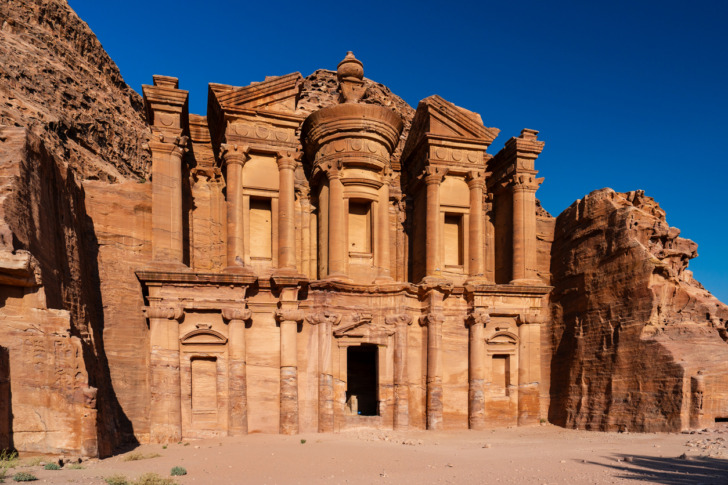
Petra is one of the most extraordinary places on earth, hidden among the sandstone cliffs and desert mountains of southern Jordan.
Located near the town of Wadi Musa, it was once the capital of the Nabataean Kingdom and a major trade hub linking Arabia, Egypt, and the Mediterranean.
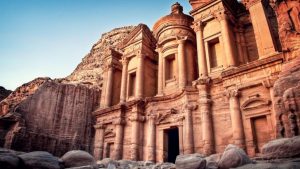
Today, Petra is a UNESCO World Heritage Site and one of the New Seven Wonders of the World, famous for the narrow Siq canyon, the Treasury, the Monastery, royal tombs, temples, and desert hiking routes.
From a safety point of view, Petra is generally safe for tourists, but it is not effortless.
The main risks are heat, dehydration, flash floods, uneven trails, pushy vendors, animal rides, scams, and underestimating the physical size of the site.
Warnings & Dangers in Petra

OVERALL RISK: LOW
Petra is a low-risk destination for most travelers. Serious crime against tourists is uncommon, and the site is managed with ticketing, tourism police, guides, and established trails. The biggest risks are physical rather than criminal: heat, long walking distances, dehydration, slippery stone, animal traffic, and flash floods.

TRANSPORT & TAXIS RISK: MEDIUM
Transport risk is medium because Petra is reached through Wadi Musa, and visitors often depend on taxis, private drivers, buses, or tours. Confirm fares before getting in a taxi, especially for rides between hotels, the visitor center, Little Petra, and nearby viewpoints. Roads can be dark and winding at night.

PICKPOCKETS RISK: LOW
Pickpocketing is not a major problem inside Petra, but crowded areas like the visitor center, the Siq entrance, the Treasury viewpoint, souvenir stalls, and bus pickup zones deserve normal caution. Keep your phone, wallet, passport, and cash secure, especially when distracted by photos or vendor conversations.

NATURAL DISASTERS RISK: MEDIUM
Petra has a medium natural disaster risk because flash floods can occur in narrow canyons and wadis, especially during rainy periods. Heat is another serious natural hazard. The desert environment can change quickly, and visitors should follow local warnings, site closures, and weather advice without arguing.

MUGGING RISK: LOW
Mugging is rare in Petra and Wadi Musa. Most tourists move around without feeling unsafe. The main concern is walking alone in isolated areas after dark, especially away from the main hotel zones or trails. Use taxis at night if your accommodation is far from the visitor center.

TERRORISM RISK: LOW
The terrorism risk in Petra is low for ordinary travelers. Jordan has strong tourist-site security, and Petra is one of the country’s most protected and important attractions. Still, travelers should use normal awareness in crowded sites, bus stations, border areas, and major public gatherings.

SCAMS RISK: MEDIUM
Scams and pressure selling are more realistic than violent crime. Watch for unofficial guides, overpriced animal rides, confusing “included” transport offers, inflated souvenir prices, and aggressive viewpoint pitches. Always confirm the price, route, and return details before agreeing to anything inside or outside the site.

WOMEN TRAVELERS RISK: MEDIUM
Petra is generally safe for women travelers, including solo women, but a medium rating is fair because of occasional unwanted attention, persistent vendors, isolated trails, and late-day quiet areas. Women should stick to main routes, avoid remote paths alone near closing time, and use trusted transport at night.

TAP WATER RISK: MEDIUM
Do not rely on tap water in Petra or Wadi Musa unless it has been boiled or properly filtered. Bottled water is widely available, and you should carry more than you think you need. Dehydration is one of the most common safety problems at Petra, especially in warm months.
Safest Places to Visit in Petra
The Siq
The Siq is the famous narrow canyon leading to the Treasury, and it is one of Petra’s safest and most controlled routes during normal conditions.
It is busy, well traveled, and easy to follow.
The main danger is weather.
During heavy rain or flash flood warnings, narrow canyon routes can become dangerous quickly.
The Treasury
The Treasury is Petra’s signature monument and one of the safest areas because it is heavily visited and close to the main tourist flow.
It can get crowded, especially in the morning and around tour groups.
Watch your belongings, be careful around camels and horses, and avoid climbing unofficial viewpoints.
The Main Trail
The Main Trail through Petra is the best route for first-time visitors.
It passes the Siq, Treasury, Street of Facades, Theatre, Royal Tombs, Colonnaded Street, and Qasr al-Bint.
It is busy, scenic, and easier to navigate than side trails.
Wear good shoes because the ground is uneven.
The Monastery Trail
The Monastery is one of Petra’s best experiences, but it involves a long climb with many steps.
It is safe if you are fit, prepared, and visit in reasonable weather.
Bring water, go early, rest often, and avoid doing it in extreme heat or near closing time.
Petra Visitor Center and Wadi Musa Hotel Zone
The visitor center and nearby hotel zone in Wadi Musa are convenient and generally safe.
This is the best area to stay if you want easy access to Petra without relying on long taxi rides.
It is also useful for restaurants, shops, guides, and early starts.
Places to Avoid in Petra
Narrow Canyons During Rain or Flood Warnings
Petra’s sandstone canyons are magical, but they are not places to challenge bad weather.
Avoid the Siq, wadis, low channels, and narrow routes if there is heavy rain or an official warning.
Flash floods can move fast and become dangerous even when the sky above you looks calm.
Remote Trails Near Closing Time
Petra is huge, and distances are easy to underestimate.
Avoid starting long trails late in the day, especially the Monastery, High Place of Sacrifice, or back routes.
Once crowds thin out and light fades, navigation becomes harder, and getting tired, lost, or stranded becomes more realistic.
Unofficial Viewpoints With Pushy Guides
Some locals may offer to take you to “secret” or “best” viewpoints, especially around the Treasury.
Some routes are fine, but others can be steep, unofficial, exposed, or overpriced.
Avoid climbing if the route looks unsafe, if the price is unclear, or if someone pressures you.
Animal Rides With Unclear Pricing
Horse, donkey, mule, camel, and carriage rides are common around Petra.
Avoid any ride where the price, route, waiting time, or return arrangement is unclear.
Some visitors are told a ride is included and then pressured for tips or extra fees.
Confirm everything before accepting.
Isolated Areas of Wadi Musa Late at Night
Wadi Musa is generally safe, but it is spread out, hilly, and quiet in places.
Avoid walking alone through dark streets late at night, especially if your hotel is far uphill from the visitor center.
Taxis are inexpensive compared with the hassle of getting lost or exhausted.
Safety Tips for Traveling to Petra
- Start early. Petra is best and safest early in the morning. The temperature is cooler, the light is beautiful, the crowds are thinner, and you have enough time to explore without rushing. Starting late creates problems because the site is huge, the sun gets stronger, and long trails become harder. If you want to reach the Monastery, an early start is especially important.
- Carry more water than you think you need. Petra is dry, dusty, exposed, and physically demanding. Even if you are not doing a serious hike, you will walk a lot. Bring a refillable bottle plus backup water, especially in spring, summer, and early autumn. Do not wait until you feel thirsty. By then, dehydration may already be slowing you down.
- Wear real walking shoes. This is not a flip-flop destination. Petra has sand, stone, steps, slopes, loose gravel, animal tracks, and uneven ancient paths. Good shoes with grip can prevent slips, blisters, and twisted ankles. If you plan to climb to the Monastery or High Place of Sacrifice, shoes matter even more.
- Listen to weather warnings. Flash floods are one of Petra’s most serious safety risks. If authorities close trails or warn against entering the Siq, take it seriously. Do not assume it is safe because rain is light where you are standing. Floodwater can come from higher ground and arrive quickly through narrow channels.
- Be cautious with animal rides. Animal rides can be convenient, but they can also create pricing confusion and safety concerns. Confirm the total price before getting on, including whether the ride is one way or round trip. Also be honest about your comfort level. Donkeys and mules on steep steps are not for everyone.
- Hire only licensed guides. A good guide can make Petra much more meaningful, especially because the site is layered with history. Use licensed guides from official or reputable sources. Avoid anyone who pressures you aggressively or offers vague “special access.” A proper guide should explain the route, timing, price, and what is included.
- Protect yourself from the sun. The sun at Petra can be brutal. Wear a hat, sunglasses, sunscreen, and breathable clothing. Long sleeves in light fabric can be better than bare skin. Take shade breaks whenever you can. Heat exhaustion can sneak up on people who are focused on photos and forget how much walking they are doing.
- Keep cash small and organized. You may need cash for water, snacks, tips, souvenirs, toilets, taxis, or small services. Keep small notes separate from larger bills so you are not flashing your whole budget during negotiations. This also makes it easier to handle vendors without confusion or pressure.
- Do not underestimate Petra’s size. Petra is not one monument. It is a massive archaeological landscape. Walking from the entrance to the Monastery and back can take many hours, especially with stops. Decide your route before starting, know your limits, and do not force every trail into one day if you are tired.
- Stay near the visitor center if possible. If Petra is the main reason for your trip, staying near the visitor center makes everything easier and safer. You can start early, return to rest, avoid unnecessary taxis, and reduce late-night walking. Wadi Musa is hilly, so a “nearby” hotel can still involve a tiring climb.
So... How Safe Is Petra Really?
Petra is very safe from a crime perspective.
Most tourists are not dealing with robbery, violence, or serious threats from other people.
Jordan takes Petra seriously because it is the country’s most famous attraction, and the site has official entry points, tourist police, guides, ticket checks, and a steady visitor flow.
The real safety profile is physical and environmental.
Petra is hot, large, rocky, exposed, and full of uneven paths.
Many visitors underestimate the amount of walking involved.
A casual visit to the Treasury is easy enough, but a full-day route to the Monastery, Royal Tombs, and side viewpoints can feel like a desert hike.
Add summer heat, limited shade, animal traffic, stairs, and dust, and the risks become more practical than criminal.
Flash flooding is the most serious natural danger.
Petra’s narrow canyons and wadis are stunning, but they can become dangerous during heavy rain.
This is why weather checks and official warnings matter.
Scams and pressure selling are the other main annoyance.
They usually involve rides, guides, souvenirs, or viewpoints, not physical danger.
Overall, Petra is low risk if you prepare properly and medium risk if you ignore weather, heat, and distance.
How Does Petra Compare?
| City | Safety Index |
|---|---|
 Petra Petra |
68 |
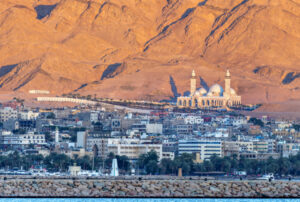
| Aqaba |
72 |
| Amman |
60 |
 Huambo Huambo | 49 |
 Stuttgart Stuttgart | 73 |
 Korce Korce | 82 |
 Balkh Balkh | 26 |
 San Antonio San Antonio | 53 |
| Los Alamos | 71 |
Useful Information

Visas
Most tourists need a visa to enter Jordan. Many travelers can get a visa on arrival, while others should arrange one in advance. The Jordan Pass is often the best option because it can include the tourist visa fee and entry to Petra if purchased before arrival and used according to its conditions.

Currency
Petra uses the Jordanian dinar. Cash is useful for taxis, tips, snacks, water, souvenirs, and small purchases in Wadi Musa. Cards are accepted at many hotels and some restaurants, but do not rely on them inside the site. Carry small bills for easier transactions.

Weather
Petra has hot, dry summers and cooler winters, with chilly evenings possible in the desert. Spring and autumn are the most comfortable seasons. Rain is most likely in the cooler months and can bring flash flood risk. Pack layers, sun protection, comfortable shoes, and plenty of water.

Airports
Most travelers reach Petra from Queen Alia International Airport near Amman or from Aqaba’s airport in southern Jordan. Amman is farther but has more flight options. Aqaba is closer for southern Jordan itineraries. From either airport, travelers usually continue by rental car, private transfer, bus, or organized tour.

Travel Insurance
Travel insurance is strongly recommended for Petra, especially because hiking, heat illness, slips, medical issues, transport delays, and weather disruptions can happen. Choose coverage for medical care, emergency transport, cancellations, lost luggage, and outdoor activities. If your itinerary includes Wadi Rum or desert tours, check that those are covered too.
Petra Weather Averages (Temperatures)
Average High/Low Temperature
| Temperature / Month | Jan | Feb | Mar | Apr | May | Jun | Jul | Aug | Sep | Oct | Nov | Dec |
|---|---|---|---|---|---|---|---|---|---|---|---|---|
| High °C |
15 | 16 | 20 | 25 | 30 | 33 | 35 | 35 | 32 | 28 | 22 | 17 |
| Low °C |
5 | 6 | 8 | 11 | 15 | 17 | 18 | 18 | 16 | 14 | 10 | 7 |
| High °F |
59 | 61 | 68 | 77 | 86 | 91 | 95 | 95 | 90 | 82 | 72 | 63 |
| Low °F |
41 | 43 | 46 | 52 | 59 | 63 | 64 | 64 | 61 | 57 | 50 | 45 |
Jordan - Safety by City
| City | Safety Index |
|---|---|
| Amman | 60 |
| Aqaba | 72 |
| Petra | 68 |